

Why Families Choose Türkiye for Paediatric Scoliosis and Spinal Care
When a child is diagnosed with scoliosis or another spinal condition, parents face a whirlwind of decisions. You want a team that treats your child as a whole person, not just a curve on an X-ray. Türkiye has become a leading destination for paediatric spinal care because its clinics combine deep experience with genuinely family-centred wards and advanced technology. Many Turkish paediatric orthopaedic and spine teams have treated thousands of young patients, from toddlers with congenital anomalies to teenagers with adolescent idiopathic scoliosis.
What sets these centres apart is not only surgical skill but the culture of hospitality that surrounds it. Turkish hospitals are used to welcoming families from across the region and beyond, and many paediatric units are designed so a parent can stay in the room with their child. That single detail often tips the balance for families comparing options abroad.
This guide is written for parents, not for clinicians. It walks you through how to evaluate a Turkish clinic, when to schedule treatment around school terms, how to stay with your child, and how to coordinate rehabilitation once you are back home. It is meant to build your confidence, not add to your worries.
What to Look for in a Paediatric Spine Team
Experience matters, but in paediatric spinal care it must be experience with children. A surgeon who mainly operates on adults may not have the same feel for growing spines, smaller anatomy, and the long-term view that paediatric cases demand. When you research a Turkish clinic, ask directly how many paediatric scoliosis cases the surgical team handles each year. High-volume paediatric centres tend to have better outcomes and smoother recovery protocols because they see the full range of presentations.
Look for a multidisciplinary team, not a single doctor. The best clinics bring together paediatric orthopaedic surgeons, neurosurgeons when the spinal cord is involved, paediatric anaesthesiologists, physiotherapists, and child life specialists. Ask whether a paediatrician reviews your child before surgery and whether there is a dedicated paediatric intensive care unit. These are signs that the hospital is set up for children, not just willing to accept them.
Finally, ask about the team's approach to conservative care. Not every curve needs surgery. A trustworthy clinic will discuss bracing, observation, and physiotherapy honestly, and will tell you when surgery is truly indicated. If a clinic recommends an operation on the first visit without exploring alternatives, that is a reason to pause.
Modern Technology: Navigation, 3D Planning and Intraoperative Monitoring
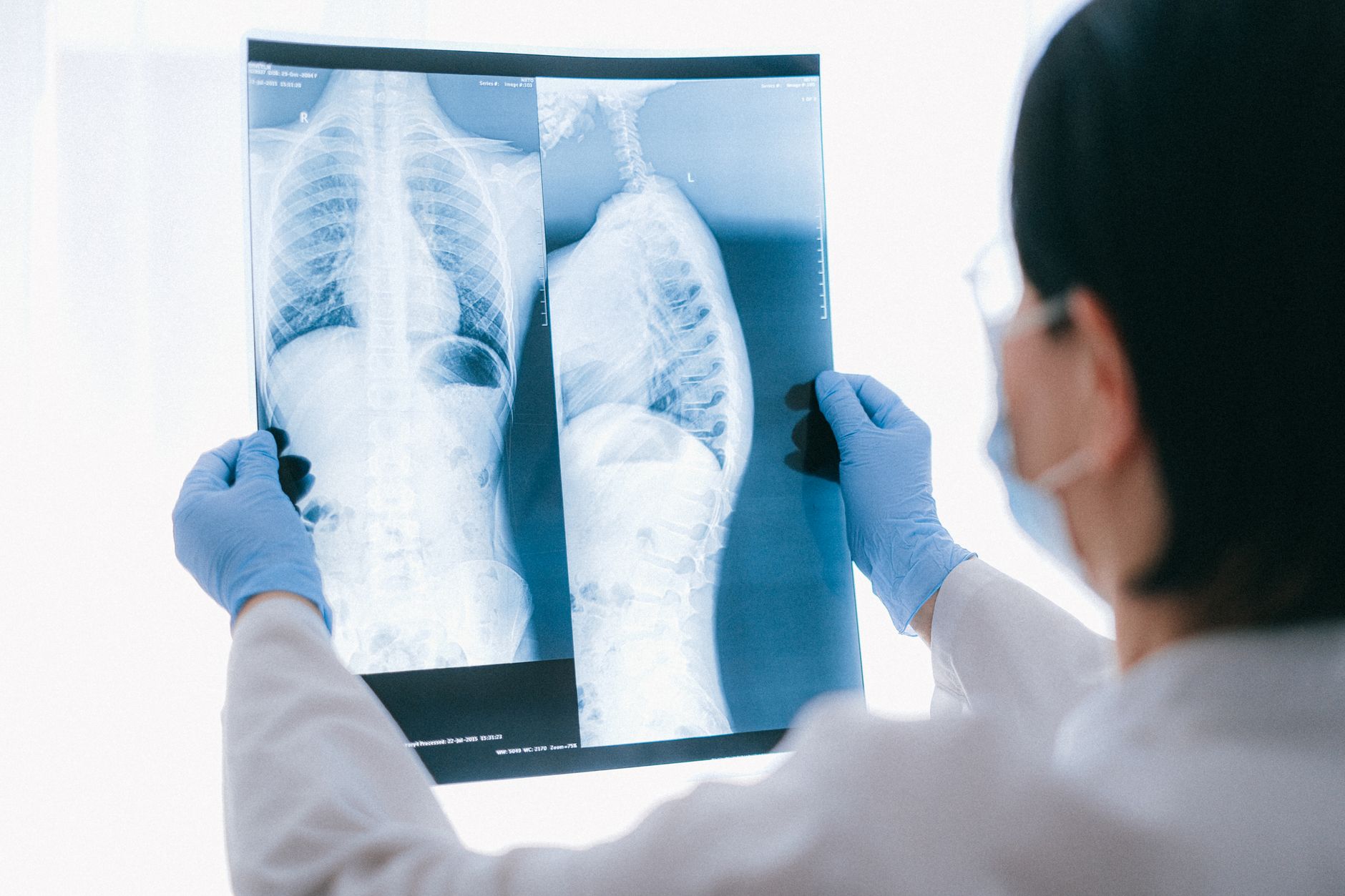
Paediatric spinal surgery has changed dramatically in the last decade, and Türkiye's leading centres have adopted these advances. Three-dimensional preoperative planning allows the team to model your child's spine from CT and MRI data, simulate the correction, and choose implant sizes before entering the operating room. This reduces surprises and shortens operating time.
Intraoperative navigation acts like a GPS for the surgeon, tracking instruments in real time against the 3D plan. In paediatric cases, where pedicle screws must be placed with millimetre precision, navigation is a major safety advantage. Many Turkish clinics also use neuromonitoring throughout surgery to watch the spinal cord and nerves, giving the team immediate feedback if anything changes.
Other technologies worth asking about include low-dose imaging protocols, which matter because children are more sensitive to radiation, and growth-friendly implants such as magnetic growing rods for very young patients. A clinic that can explain these options clearly and match them to your child's age and curve type is one that keeps up with the field.
Tip: When you speak with a clinic, ask them to explain the technology in plain language. If they cannot, it may not be a core part of their practice.
Timing Treatment Around School Terms
One of the most practical questions parents ask is when to schedule surgery. For adolescent idiopathic scoliosis, many surgeons prefer to operate when the curve has reached a threshold and growth is slowing, which often falls in the early teenage years. Elective spinal surgery can usually be planned weeks or months ahead, so you have room to work around school.
In many countries, the summer break is the most popular window. A child can have surgery in June or early July, spend the first weeks recovering at home, and return to school in September without missing class time. Turkish clinics are experienced with international school calendars and can often reserve summer dates well in advance. If your child needs a brace or cast after surgery, summer also makes those first hot weeks easier to manage at home.
For younger children or more urgent cases, timing may be dictated by the condition rather than the calendar. Discuss with the team whether a delay of a few weeks is safe. A good clinic will never push you into an unsafe delay, but they will also help you find a window that minimises disruption. If you are travelling from abroad, factor in passport and visa timelines, and remember that some clinics close or run reduced schedules during major holidays.
If surgery must happen during the school year, ask the hospital for a letter explaining the medical absence and a plan for home tutoring. Many Turkish clinics provide detailed reports that your child's school can use to arrange catch-up work.
Staying With Your Child: Family-Friendly Wards and Practical Support
Separation is one of the hardest parts of paediatric hospital care, and Turkish clinics have responded by designing family-friendly wards. In many paediatric orthopaedic units, a parent can sleep in the same room as their child, often on a sofa bed or recliner. Ask about this specifically, because policies vary between hospitals and even between rooms. Confirm whether the room has a private bathroom, a fridge, and space for a caregiver, and whether meals for one parent are included.
Language support is another key consideration. Leading Istanbul clinics employ international patient coordinators who speak English, Arabic, Russian, and other languages. They help with admission paperwork, appointments, and communication with the medical team. Ask whether a translator can be present for consent discussions and daily rounds. You should never sign a consent form you do not fully understand.
Practical support makes a difference too. Ask whether the hospital can arrange airport transfers, help with accommodation for extended family, and provide a kitchen or cafeteria nearby. Some clinics offer a parent lounge, laundry facilities, and play areas for siblings. If your child has special needs, such as autism or anxiety, tell the team in advance so they can prepare a calm environment and involve a child life specialist.
Coordinating Rehabilitation Before and After You Travel
Rehabilitation begins before surgery, not after. Preoperative physiotherapy can strengthen your child's core and prepare them for recovery. Ask the Turkish clinic whether they provide a prehab programme you can start at home, with video guidance and remote check-ins. This is especially useful if you live far away.
After surgery, the first physiotherapy sessions usually happen in the hospital. The team will teach your child how to log-roll out of bed, walk safely, and do gentle exercises. Before you fly home, request a written rehabilitation plan that includes precautions, such as no bending or twisting for a set period, and a schedule of milestones. This document is essential for your local physiotherapist.
Coordinate with a physiotherapist in your home country before you leave Türkiye. Ideally, the Turkish team and your local therapist should speak directly or exchange notes. Some clinics offer follow-up video consultations at set intervals, which can bridge the gap between visits. Make sure you know who to contact if you have a concern at 2 a.m. after you return home.
School and activity restrictions should be spelled out clearly. Ask when your child can return to school, carry a backpack, swim, or play sports. Write these answers down. Having a clear timeline reduces anxiety for both you and your child.
How to Evaluate and Choose Your Turkish Clinic
Start with a shortlist of three to four clinics and compare them on the same criteria: paediatric case volume, team composition, technology, family accommodation, language support, and follow-up. Request a written treatment plan and cost estimate that covers surgery, hospital stay, implants, physiotherapy, and follow-up. Be wary of quotes that seem too low or that exclude essentials.
Check credentials through official channels. In Türkiye, hospitals are accredited by the Ministry of Health, and many also hold international accreditations such as JCI. Ask for the surgeon's board certifications and subspecialty training in paediatric spine surgery. Read patient stories, but also ask for direct contact with former patients if the clinic is willing.
Trust your instincts during consultations. A clinic that answers your questions patiently, welcomes a second opinion, and explains risks honestly is one that respects your role as a parent. You are not just choosing a surgeon; you are choosing a team that will walk with your family through a challenging season.
Türkiye's paediatric spine teams have earned their reputation through skill, technology, and genuine warmth. With careful planning around school, clear communication, and a rehabilitation plan that travels with you, you can focus on what matters most: your child's recovery and comfort.
Thinking about treatment in Turkey?
Share your contact details and a verified doctor will follow up with a plan built around you — free, no obligation.