

Why Türkiye Leads in Voice-Safe Thyroid and Neck Surgery
Türkiye has become a global destination for thyroid, parathyroid and neck surgery, not only because of competitive pricing and short waiting times, but because its leading clinics have invested heavily in the technology and subspecialty training that protect the voice. For singers, teachers, lawyers, call-centre professionals, actors and anyone whose livelihood depends on their voice, the stakes of neck surgery are deeply personal. A routine thyroidectomy can inadvertently injure the recurrent laryngeal nerve, which controls the vocal cords — and even a subtle change in vocal quality can end a career.
Turkish university hospitals and private medical centres in Istanbul, Ankara and Izmir have responded by building dedicated endocrine surgery and laryngology units. These teams routinely perform thousands of thyroid and neck procedures each year, and they were early adopters of intraoperative nerve monitoring (IONM), a technique that gives surgeons real-time feedback on nerve function during the operation. The result is a level of voice protection that rivals — and in some cases exceeds — what patients find in many Western European centres.
What makes the Turkish experience distinctive is the combination of surgical mastery and genuinely warm, multilingual patient care. From the first video consultation to the final post-operative voice check, international patients are guided by coordinators who speak English, Arabic, German, Russian and more. This guide explains what to look for in a Turkish clinic, how nerve monitoring works, and why so many voice professionals now choose Türkiye with confidence.
The Anatomy of Voice Risk: What Happens During Neck Surgery
The thyroid gland sits directly in front of the trachea and wraps around the larynx, with the recurrent laryngeal nerves running in a narrow space behind it. These nerves supply almost all the muscles that move the vocal cords. During thyroidectomy or central neck dissection, even careful surgeons can find the nerve in an unexpected position. Without monitoring, a stretched or compressed nerve may not announce itself until the patient wakes up hoarse.
The external branch of the superior laryngeal nerve is another structure at risk. It controls the cricothyroid muscle, which is essential for high pitches and vocal projection. Injury here can be especially devastating for a soprano or a teacher who must project across a classroom. Add the parathyroid glands, which regulate calcium and sit in the same surgical field, and it becomes clear why neck surgery demands both technical precision and technological support.
Turkish endocrine surgeons therefore treat the voice not as an afterthought but as a primary outcome measure. Pre-operative laryngeal examination, careful surgical planning and intraoperative monitoring are standard parts of the pathway, and patients are often surprised by how thoroughly their vocal function is documented before and after surgery.
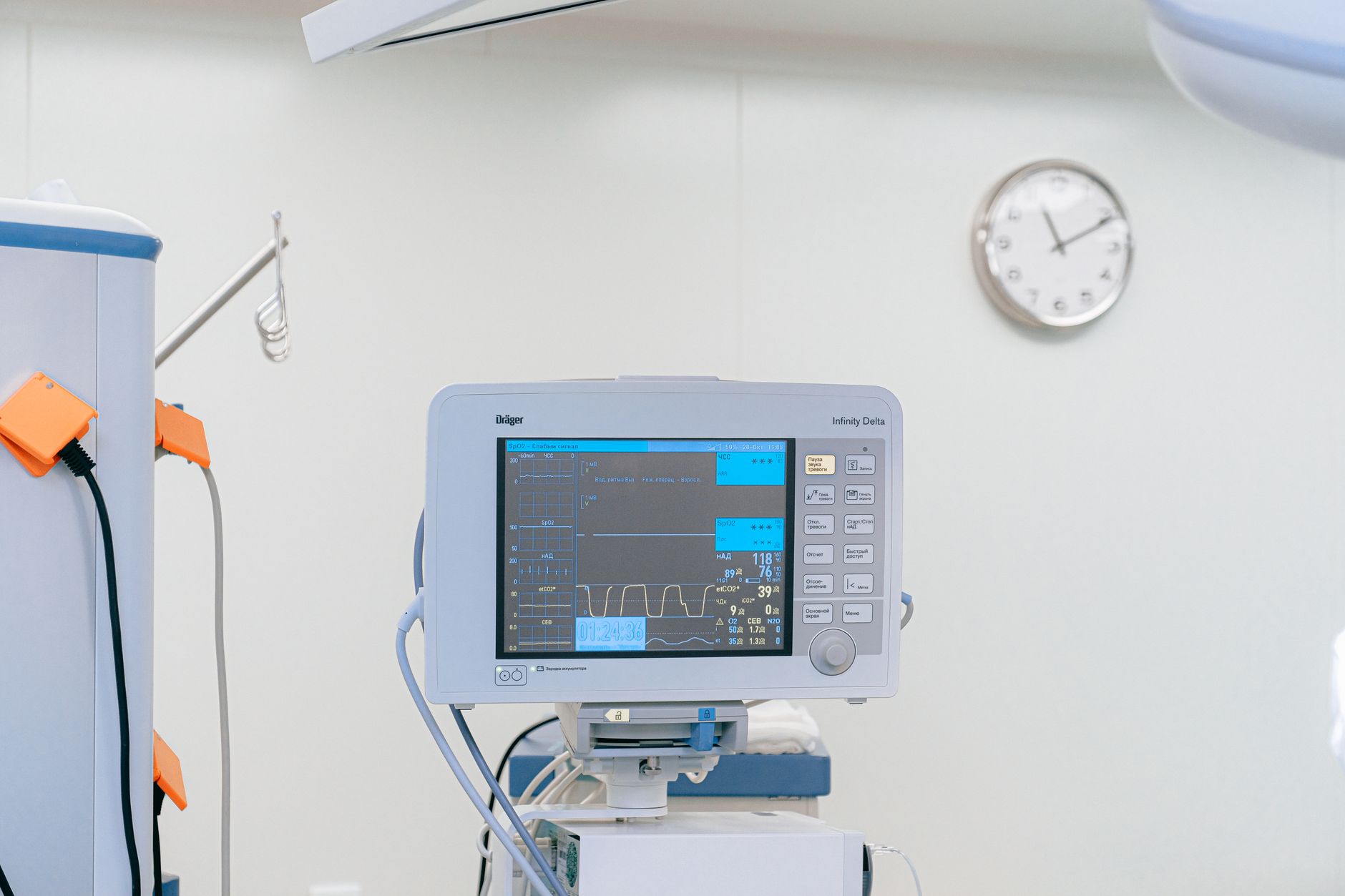
Intraoperative Nerve Monitoring: The Technology That Protects Your Voice
Intraoperative nerve monitoring uses a specialised endotracheal tube with surface electrodes that sit against the vocal cords. When the surgeon stimulates a nerve with a fine probe, the electrodes detect muscle response and produce an audible signal and a visual waveform. This allows the surgical team to identify the recurrent laryngeal nerve and the external branch of the superior laryngeal nerve with confidence, even when anatomy is distorted by a large goitre or previous surgery.
More importantly, IONM provides continuous or intermittent feedback on nerve function throughout the procedure. If a manoeuvre causes nerve stress, the signal changes immediately, and the surgeon can adjust. Studies across international centres consistently associate IONM with fewer transient and permanent vocal cord palsies, especially in revision surgery and complex cases. Turkish clinics frequently combine IONM with nerve integrity monitoring systems from leading manufacturers, and their teams are trained in standardised set-up and troubleshooting.
Some Istanbul centres go further, using continuous vagal nerve monitoring that tracks the nerve's function non-stop during dissection. For a professional voice user, this level of vigilance is precisely the reassurance they need. It is not a replacement for surgical skill — but it amplifies it, giving the surgeon an extra sense that human eyes alone cannot provide.

What to Look for in a Turkish Voice and Thyroid Clinic
Not every hospital that performs thyroid surgery is equally equipped for voice-sensitive patients. When researching Turkish clinics, look for a dedicated endocrine surgery team rather than a general surgery department, and confirm that the surgeons routinely handle high-volume thyroid and parathyroid cases. Ask about their annual case numbers, their rates of temporary and permanent nerve injury, and whether they use IONM as a default rather than an optional extra.
Voice-specific questions matter too. Does the clinic have an otolaryngologist or laryngologist who performs pre-operative and post-operative stroboscopy? Is there a speech-language pathologist available for voice therapy if needed? For singers and actors, access to a laryngologist who understands performance demands is invaluable. Many leading Turkish clinics now offer a multidisciplinary team that includes an endocrinologist, an endocrine surgeon, a laryngologist and a voice therapist.
Also consider practical factors: accreditation such as JCI, the availability of English-speaking medical coordinators, transparent pricing, and the clinic's experience with international patients. Reputable Turkish hospitals provide detailed quotes that include surgery, hospital stay, medication, pathology and follow-up, so there are no surprises. A clinic that is forthcoming with data and documentation is usually a clinic that is proud of its outcomes.

Meet Türkiye's Specialist Endocrine and Laryngeal Surgeons
Türkiye's surgical community is small enough that expertise is concentrated, yet large enough to support genuine subspecialisation. In Istanbul, Ankara, Izmir and Antalya, you will find endocrine surgeons who have completed fellowships abroad and returned to build high-volume practices. Many are members of international thyroid and parathyroid associations, present at global conferences, and contribute to the literature on nerve monitoring and voice outcomes.
Their skill set is complemented by laryngeal surgeons who focus on the voice box itself. These specialists manage vocal cord nodules, polyps, early laryngeal cancer and vocal fold paralysis, often using microscopic laryngeal surgery and lasers. When thyroid surgery and laryngeal expertise sit under one roof, patients benefit from seamless communication between the surgeon removing the gland and the specialist protecting the voice.
What patients consistently mention in testimonials is not just technical competence but the time these surgeons take to explain the plan. Consultations are unhurried, imaging is reviewed together, and questions are welcomed. For a singer facing surgery, that conversation is part of the healing process.
Voices That Matter: Singers, Teachers and Professional Voice Users
Professional voice users have needs that go beyond simply avoiding hoarseness. A singer may need to preserve a specific upper range; a teacher needs vocal endurance; a call-centre agent needs clarity and stamina. Turkish clinics that serve these patients build a personalised plan that includes pre-operative voice recording, laryngeal imaging, and a discussion of the surgical approach that best preserves the external branch of the superior laryngeal nerve.
Post-operatively, voice rest and graded return to use are managed carefully. Some clinics offer voice therapy with a speech-language pathologist, and singers may be referred to a singing voice specialist for rehabilitation. The goal is not merely a normal-speaking voice but a voice that meets the demands of a profession.
International patients often combine their surgery with a short recovery stay in Istanbul, where they can rest in comfortable accommodation and attend follow-up appointments without pressure. The city's hotels, parks and Bosphorus views offer a calm environment for healing, and medical coordinators help with scheduling, translation and transport.
The Multilingual, Supportive Care That Surrounds Turkish Surgery
From the moment you inquire, Turkish medical tourism providers respond in your language. Most major clinics employ coordinators fluent in English, Arabic, German, French, Russian and Persian, and some offer services in Spanish and Italian. These coordinators handle appointment scheduling, airport transfers, hotel bookings and hospital admission, so you can focus on your health.
Interpretation during consultations and consent discussions is standard, and written materials are often available in multiple languages. This matters for informed consent: you should fully understand the risks, benefits and alternatives before surgery. Turkish clinics committed to international patients invest in this communication because they know trust begins with clarity.
After discharge, follow-up continues remotely. Video calls, shared pathology reports and coordination with your local doctor ensure continuity of care once you return home. For voice patients, a post-operative stroboscopy can be arranged during your stay, with results sent to your referring laryngologist. This wraparound support is a hallmark of the Turkish medical tourism experience.
Combining World-Class Surgery with a Memorable Stay in Türkiye
Recovery from thyroid or neck surgery usually involves a short hospital stay and a period of light activity. Istanbul offers an ideal setting: you can walk along the Bosphorus, visit the historic Sultanahmet district, or enjoy Turkish cuisine in a quiet courtyard. Your medical team will advise on when it is safe to explore, and most patients find that gentle sightseeing a week after surgery is both possible and uplifting.
Many clinics are located near top hotels and offer package arrangements that include accommodation, transfers and nursing support. For patients travelling with a companion, the city's rich culture and hospitality make the trip feel less like a medical errand and more like a restorative journey. This positive environment contributes to recovery and reduces stress.
Türkiye's combination of advanced surgical technology, focused expertise and genuine warmth is why voice professionals from Europe, the Middle East, Africa and beyond choose it. Whether you are a teacher, a singer, a broadcaster or simply someone who wants their voice protected, a Turkish clinic with nerve monitoring and a multidisciplinary team can offer the care — and the confidence — you deserve.
Thinking about treatment in Turkey?
Share your contact details and a verified doctor will follow up with a plan built around you — free, no obligation.