

Why a Second Opinion Has Become the Smart First Step
Facing a serious diagnosis — a tumor, a heart condition, a spinal problem, a complex fertility case — usually comes with pressure to decide quickly. Surgeons are booked, dates are proposed, and families feel they must answer before they have fully understood their options. A structured second opinion interrupts that pressure. It is a deliberate pause in which an independent specialist reviews what you already have and tells you, in plain writing, whether the proposed plan is sound, whether alternatives exist, and what the realistic outcomes look like.
Turkish clinics have turned this pause into a well-organized service. Rather than asking you to fly in for a consultation, major hospitals in Istanbul, Ankara and Izmir now run dedicated international second-opinion departments. They accept your imaging, pathology and clinical records digitally, route them to the relevant specialists, and return a written report — often within days. You get the perspective of a high-volume medical system without leaving home or making any commitment to treatment.
This guide explains how these services work, what to send, how long each stage takes, and how a Turkish second opinion can confirm, sharpen or redirect a plan you are already considering. It is written for international patients who want clarity before they commit to surgery, medication or a long course of care — whether that care ultimately happens at home or abroad.
What a Turkish Second-Opinion Service Actually Delivers
A genuine second opinion is more than a doctor glancing at a scan. At established Turkish hospitals it is a structured process with defined inputs and outputs. The output is a written report, usually issued in English (and often translated into other languages), that restates your diagnosis, comments on the quality and interpretation of your existing imaging, evaluates the treatment already proposed to you, and lays out the alternatives the reviewing team would consider.
These reports typically address several practical questions. Is the diagnosis supported by the evidence provided? Is the recommended procedure appropriate for your stage and history, or is a less invasive option reasonable to try first? What are the expected outcomes, risks and recovery timelines? What would the reviewing team do differently, and why? Many clinics also flag any missing tests that would materially change the recommendation, so you know exactly what to gather next.
Crucially, the report is delivered to you and your own physicians, not locked inside a foreign system. You can take it back to your local doctor, use it to challenge an insurer's decision, or compare it against a second or third opinion from another country. The value lies in the reasoning being written down, with the reviewing specialist's name and credentials attached, rather than conveyed verbally in a hurried appointment.
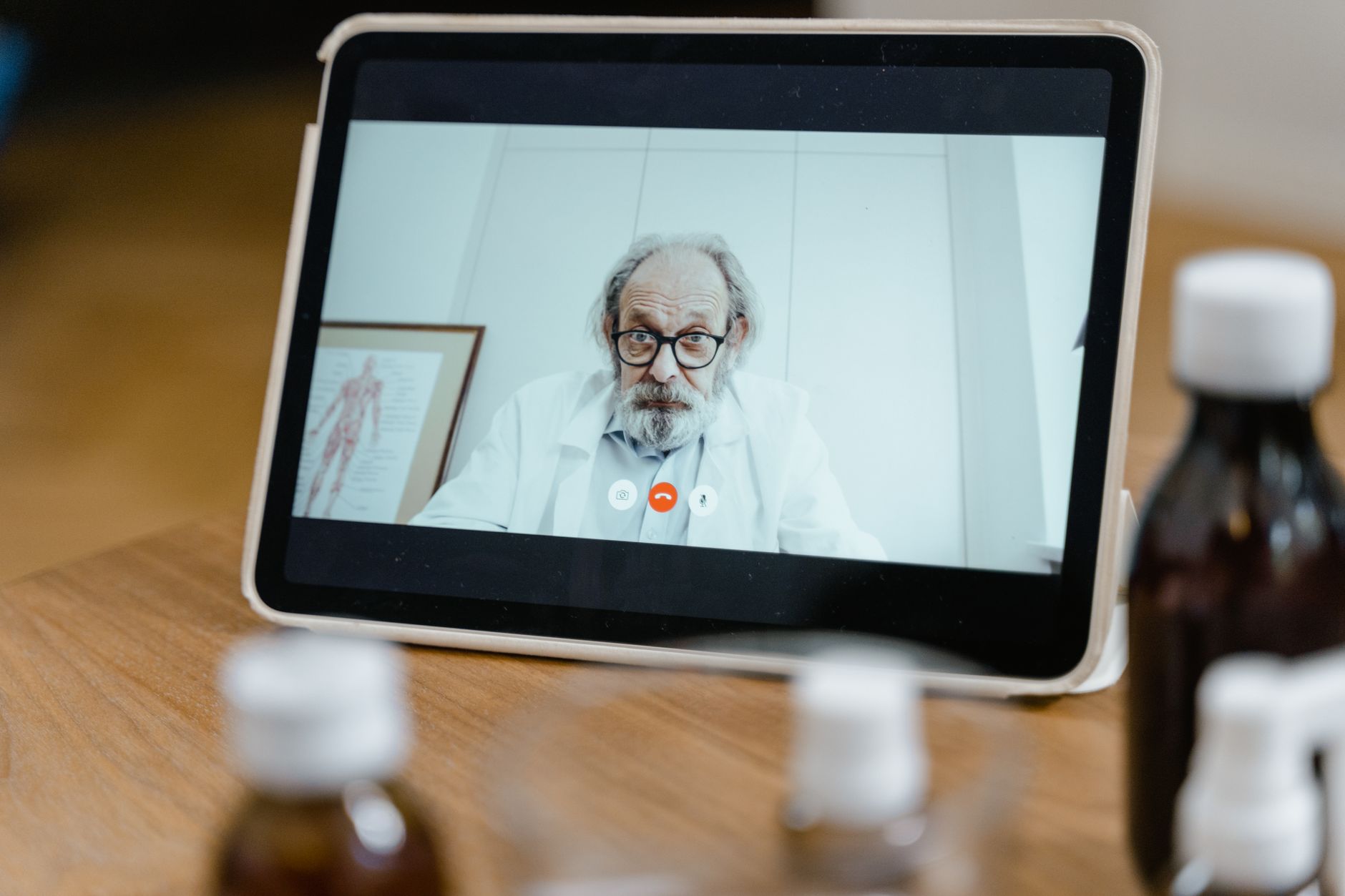
Some hospitals offer tiered levels of service: a document-only review, a review plus a video consultation with the lead specialist, or a full multidisciplinary board review for complex oncology and cardiac cases. Higher tiers cost more and take longer, but they bring several specialists into the same discussion — a genuine advantage when your case sits between disciplines.

What to Send: Building a File That Earns a Useful Answer
The quality of a second opinion is bounded by the quality of what you send. A vague email describing "back pain" will produce a vague reply. A complete, well-labeled file lets a specialist give you an answer that is specific enough to act on. The goal is to reconstruct your clinical story so a doctor who has never met you can follow it from first symptom to today.
Start with a short clinical summary you write yourself: your age, main diagnosis or symptoms, when they began, treatments tried so far, current medications, allergies, and the specific question you want answered. Then gather the documents that support it. For most cases this means:
- Imaging in original format. DICOM files on a CD, DVD or secure download link for CT, MRI, PET-CT, ultrasound and X-rays — not phone photos of a screen. Include the radiologist's written reports.
- Pathology materials. Biopsy and surgical pathology reports, and where possible the actual glass slides or tissue blocks, which reviewing labs can re-examine.
- Laboratory results. Blood work, tumor markers, genetic and molecular testing, hormone panels — with dates.
- Clinical notes. Consultation letters, discharge summaries, operative notes and progress notes from your treating physicians.
- A medication list with doses and start dates, plus any known drug reactions.
- Identification and consent forms the clinic provides, so your data can be handled lawfully.
Label everything clearly and organize files by type and date. If your records are in another language, ask whether the clinic provides translation or expects certified translations of key reports — most international departments handle this internally or advise you. Send files through the clinic's secure portal or an encrypted transfer service rather than ordinary email attachments. Finally, state your question precisely: "Is surgery appropriate for this disc herniation, or would conservative management be reasonable?" gets a far sharper answer than "What should I do about my back?"

Typical Turnaround Times, Step by Step
Speed is one of the quiet strengths of the Turkish model, but it is worth knowing what "fast" means in each phase so you can plan around it. Most international departments aim to acknowledge your enquiry within one to two business days once a complete file arrives. If documents are missing, they will usually tell you within that window rather than letting the request sit.
For a single-specialty review — orthopedics, urology, bariatric surgery, dermatology — a written opinion commonly arrives within three to seven business days of a complete file. Complex cases needing a multidisciplinary tumor board or cardiac team typically take one to two weeks, because the specialists must convene. Video consultations are usually scheduled within a few days of the report being ready, or combined with it.
These timelines assume you have sent everything at once. The most common cause of delay is a drip-feed of records over several weeks, each arriving separately and restarting the review. Gather your file completely first, then send it in one organized batch. If time is genuinely critical — a rapidly progressing condition, an imminent surgery date at home — say so explicitly in your first message. Many clinics keep slots for urgent reviews and can compress the schedule when there is a clinical reason.
Be realistic about what fast does not mean. A ten-minute turnaround is not a second opinion; it is a sales response. A credible service takes enough time to actually read your imaging and pathology. If a clinic quotes an opinion within hours of receiving a full file, ask who reviewed it and whether a specialist saw the original images.
How a Turkish Second Opinion Confirms or Refines Your Plan
There are three common outcomes, and all three are useful. In the first, the reviewing team confirms the plan you were given. This is not a wasted exercise: an independent, high-volume center agreeing with your local surgeon gives you confidence to proceed, and in some cases an insurer will accept that confirmation when approving a procedure.
In the second outcome, the team refines the plan. Perhaps the recommended surgery is appropriate but the approach could be less invasive; perhaps a different implant, a shorter course of medication, or an added staging test would change the decision. Turkish hospitals treat large volumes of international patients and see a wide range of presentations, so they are well placed to notice when a standard plan could be adjusted for a better risk profile or recovery.
In the third outcome, the team redirects the plan — recommending further diagnostics before any intervention, or a different treatment pathway altogether. This is where a second opinion can be most valuable. Patients sometimes arrive at a foreign clinic expecting to book surgery and instead receive a clear explanation that more information is needed first. A good clinic says so in writing, with reasoning, rather than simply accepting a booking.
Whatever the conclusion, treat the report as a decision aid rather than a verdict. Compare it with your local physician's view, ask questions in a follow-up call, and consider whether the reasoning is specific to your case or generic. The aim is informed clarity, not blind deference to any single opinion.
Costs, Access and the Practicalities of Getting Started
Second-opinion services are generally far cheaper than traveling for treatment, and pricing is usually transparent. Document-only reviews at Turkish hospitals are often modestly priced or offered free as an introduction, while multidisciplinary board reviews and video consultations carry higher fees. Ask upfront what is included, whether the fee is deducted from treatment costs if you later choose that hospital, and what happens if the clinic cannot provide an opinion.
Access is straightforward. Most international departments have an online form or email address, communicate in English and several other languages, and assign a coordinator who manages your file. You do not need a referral, a visa or a flight. Payment is typically by card or bank transfer, and you should receive a receipt and a data-handling notice. Before sending anything, confirm how your medical data will be stored and shared — reputable clinics follow data-protection rules and will explain this in writing.
Think of a second opinion as a low-cost, high-information step: it costs a fraction of a procedure and can save you from an unnecessary one — or confirm that the one you are planning is right.
There is no obligation to travel, and a good clinic will not pressure you to. If the written opinion suggests treatment in Türkiye, you can then weigh that against your local options with full information about outcomes, timelines and total costs, including travel and aftercare. If it supports staying home, you have saved yourself a journey and gained peace of mind. Either way, you move forward with a clearer picture than the one you started with.
Making the Most of Your Written Report
When the report arrives, read it with your local doctor if possible, and prepare follow-up questions for the video consultation. Ask the reviewing specialist to explain any recommendation that differs from your current plan, and to state what evidence would change their view. Note anything they flagged as missing and decide whether to obtain it. Keep the report and the original imaging together, since a future opinion will build on them.
Finally, remember that a second opinion is about clarity, not allegiance. Turkish clinics offer a structured, affordable and unusually fast way to have your case examined by experienced specialists without committing to care. Used well — with a complete file, a precise question and a willingness to compare answers — it can confirm a plan, refine it, or redirect it before you make a decision you cannot easily undo. That is a remarkably accessible form of reassurance for anyone standing at a treatment crossroads.
Thinking about treatment in Turkey?
Send us a question about this site or about the information published on it. This is a publisher's mailbox, not a medical service and not a route to a particular provider — for clinical questions, contact your own doctor.