

Why Sleep Apnoea Matters So Much in Bariatric Surgery
If you are considering metabolic and bariatric surgery, you have probably already read a great deal about weight loss, recovery and diet. What many patients do not realise is that one of the most important safety conversations happens long before the operating theatre: the conversation about your airway and your breathing during sleep. Obstructive sleep apnoea (OSA) is one of the most common conditions among people with a higher body mass index, and it has a direct influence on how anaesthesia is planned, monitored and delivered.
Obstructive sleep apnoea means that during sleep the soft tissues of the throat relax and partially or completely block the airway, causing repeated pauses in breathing. These pauses reduce oxygen levels and disturb sleep, and they place strain on the heart and lungs over time. Under general anaesthesia, sedative medications and muscle relaxants can make the airway even more collapsible, which is why patients with untreated or undiagnosed OSA can face higher risks during and after bariatric procedures.
This is precisely why Türkiye's accredited bariatric centres treat sleep apnoea screening as a routine part of the pre-operative pathway rather than an optional extra. This safety-first culture is designed to reassure patients who arrive with a higher BMI and a history of snoring, daytime sleepiness or a previous sleep apnoea diagnosis. The result is an anaesthesia plan that is built around your individual airway, not a generic protocol.
A Routine Safety Net: Pre-Operative Sleep Studies in Türkiye
In well-established Turkish bariatric hospitals, the journey typically begins with a detailed sleep and breathing assessment. This may include the STOP-BANG questionnaire, a widely used screening tool that asks about snoring, tiredness, observed apnoeas, blood pressure, BMI, age, neck circumference and gender. If the score suggests a meaningful risk, the team will recommend a formal sleep study, known as polysomnography, or a home sleep apnoea test.
These sleep studies measure your breathing, oxygen saturation, heart rate and sleep stages overnight. They identify whether you have mild, moderate or severe OSA, and they quantify how often your breathing pauses. For patients coming from abroad, Turkish hospitals often coordinate this testing efficiently so that it fits within a single pre-operative visit or is completed in the patient's home country and reviewed remotely by the Turkish team.
The value of this step is practical, not academic. Knowing your apnoea severity allows the anaesthetist to choose medications that are less likely to suppress breathing, to plan a potentially more cautious approach to airway management, and to decide whether you should recover in a high-dependency unit or intensive care unit rather than a standard ward. It also gives the whole team a baseline against which your post-operative breathing can be compared.
At accredited centres, a sleep study is not a hurdle to surgery — it is the information that supports safer planning.
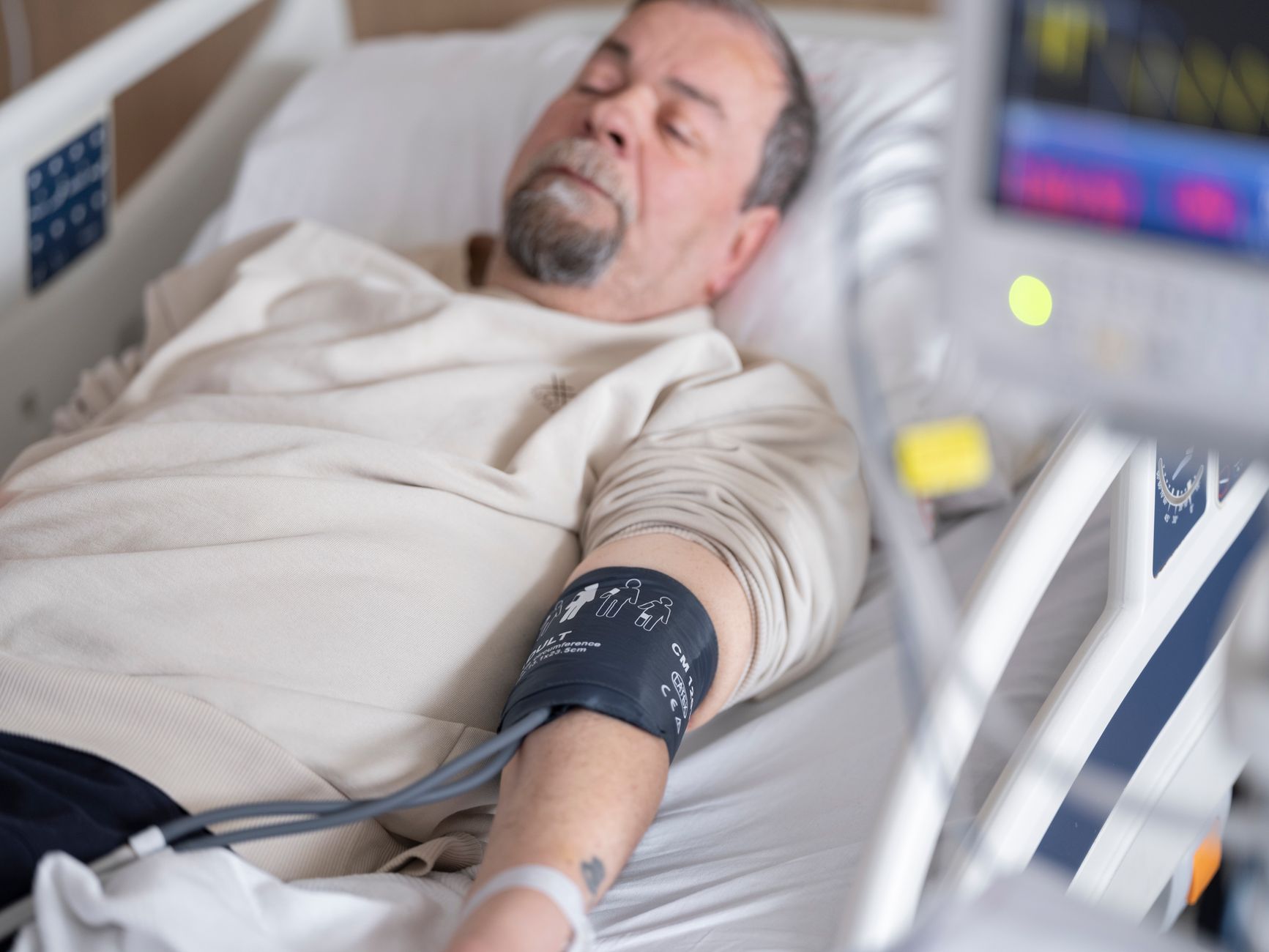
Tailored Anaesthesia Plans for Higher-BMI Patients
Once your sleep study and overall health assessment are complete, the anaesthesia team designs an individualised plan. For patients with obstructive sleep apnoea, this often means avoiding or minimising long-acting sedatives and opioids, which can linger in the body and depress breathing after surgery. Instead, anaesthetists may use a combination of short-acting agents and regional or local techniques where appropriate, allowing for smoother emergence from anaesthesia and better preservation of your own breathing drive.
Airway planning is equally personalised. Anaesthetists in Türkiye's bariatric centres are experienced in managing difficult airways in patients with higher BMI. They may use video laryngoscopes, which improve visualisation of the airway, and they prepare backup plans and specialised equipment before you are ever brought into the theatre. The goal is not simply to secure the airway, but to do so with the least possible stress on your body and with a clear strategy for every stage of the procedure.
Positioning is another detail that reflects real expertise. Patients with a higher BMI and sleep apnoea are often positioned with the head elevated or in a ramped position to improve breathing mechanics and reduce pressure on the chest. These adjustments may seem small, but they make a meaningful difference to oxygen levels and comfort during and immediately after surgery.
Because the anaesthesia plan is tailored, it also accounts for other conditions that frequently accompany excess weight, such as high blood pressure, diabetes and heart disease. The anaesthetist works alongside the bariatric surgeon, the endocrinologist and the pulmonologist to ensure that every medication and every decision supports your overall stability, not just your airway.

CPAP Guidance: Preparing Your Breathing treatment progress Surgery
If your sleep study confirms obstructive sleep apnoea, you will usually be advised to start or optimise continuous positive airway pressure (CPAP) therapy before surgery. CPAP delivers gently pressurised air through a mask to keep your airway open while you sleep. Starting CPAP in advance, even for a few weeks, can improve your oxygen levels, reduce strain on your heart and support safer anaesthesia planning.
Turkish bariatric teams are proactive about CPAP guidance. They help you find the right mask fit, adjust pressure settings and build confidence in using the device. For international patients, the hospital may provide a CPAP machine during your stay or help you bring and set up your own equipment. Nursing staff are trained to support you in using CPAP in the recovery period, when your breathing may still be affected by anaesthesia and post-operative swelling.
The post-operative period is when CPAP really earns its place. Many patients are encouraged to resume CPAP as soon as it is safe, often on the first night after surgery, because it helps maintain oxygen levels while you sleep and reduces the risk of breathing complications. This is not a sign that something is wrong; it is a sign that your care team is being thorough and proactive.
Patients are also given clear instructions about when to pause CPAP if they have nausea, vomiting or certain types of surgery, and when to restart it under medical guidance. This kind of structured advice is one of the reasons patients with sleep apnoea often feel more secure in a Turkish bariatric centre than they expected.
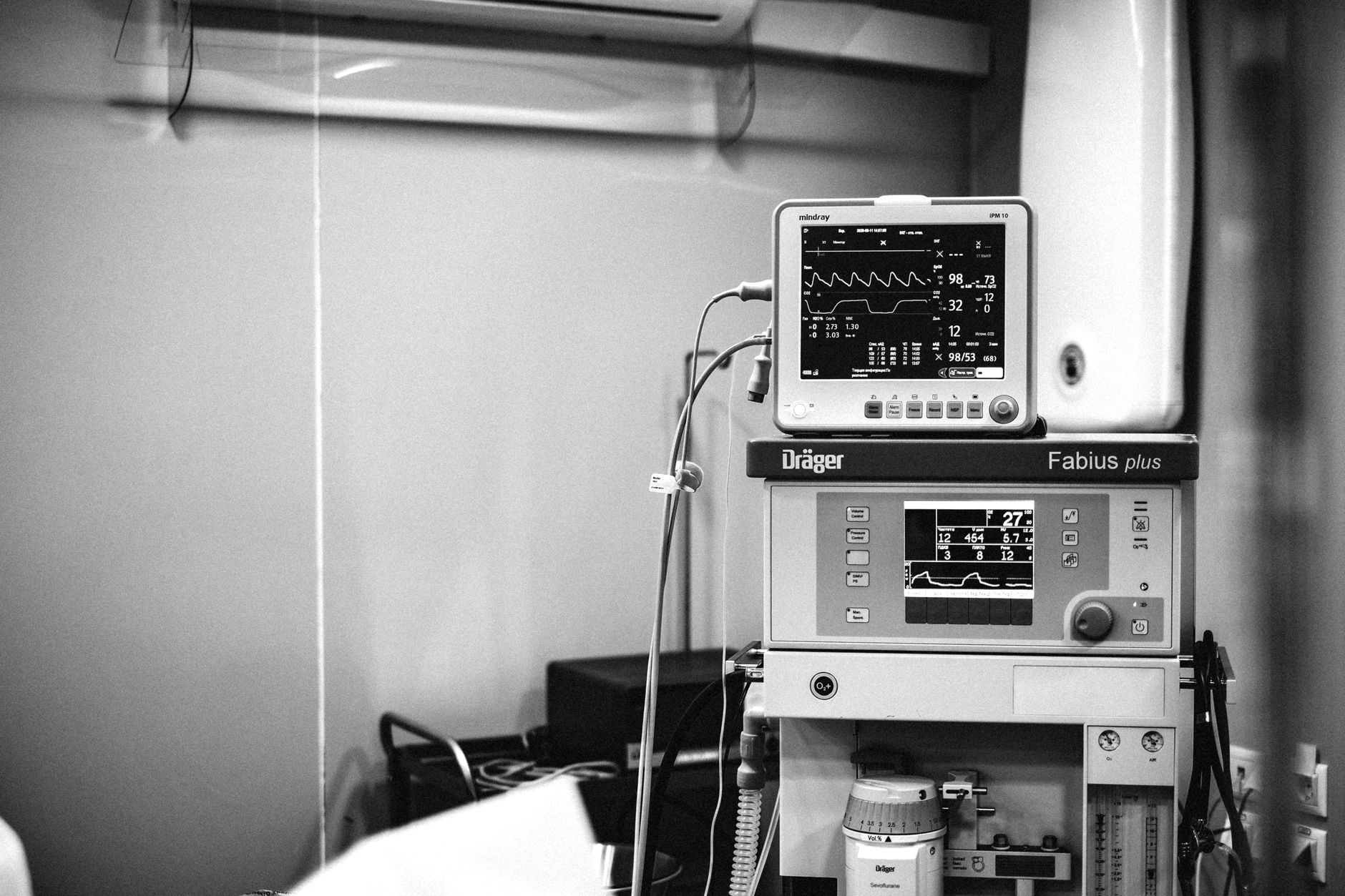
Extended Monitoring in Well-Equipped Turkish ICUs
After bariatric surgery, the first 24 to 48 hours are the most important for breathing. Anaesthesia, pain medications and the physical changes of surgery can all affect your airway and oxygen levels. For patients with significant sleep apnoea or a higher BMI, Turkish hospitals frequently recommend an extended period of monitoring in a high-dependency unit or intensive care unit (ICU) rather than a standard ward room.
These units are equipped with continuous pulse oximetry, capnography and cardiac monitoring, and they are staffed by nurses and intensivists who are used to caring for patients with sleep-disordered breathing. If your oxygen levels dip, or if your breathing pattern suggests obstruction, the team can respond immediately, adjusting your position, your oxygen therapy or your CPAP settings.
This level of monitoring is not a sign of a problem; it is a planned safety measure. Many patients spend one night in a monitored bed and then move to a regular room once their breathing is stable. Knowing that someone is watching your oxygen levels while you sleep allows you to rest properly, which in turn supports healing and reduces the stress that can slow recovery.
Turkish ICUs in accredited bariatric hospitals also have protocols for managing pain without over-sedating you. They may use multimodal analgesia, combining non-opioid medications and local anaesthetic techniques to keep you comfortable while protecting your breathing. This thoughtful balance is a hallmark of centres that treat sleep apnoea as a core part of bariatric care rather than an afterthought.
How This Safety-First Approach Makes Türkiye a Trusted Choice
For patients with a higher BMI and sleep apnoea, the decision about where to have surgery is not only about price or travel convenience. It is about whether the hospital has the systems, experience and culture to keep you safe at every stage. Türkiye's accredited bariatric centres have built that culture deliberately: sleep studies are routine, CPAP is integrated into care, anaesthesia is tailored, and monitored recovery beds are available when needed.
This approach is supported by accreditation and quality standards. Many Turkish bariatric hospitals hold international accreditations and follow evidence-based protocols for enhanced recovery after surgery (ERAS). These protocols emphasise early mobilisation, careful fluid management and opioid-sparing pain control, all of which benefit patients with breathing concerns.
International patients also value the continuity of care. From your first online consultation to your pre-operative tests, surgery, ICU monitoring and post-operative follow-up, you are guided by a team that speaks your language and understands the anxieties that come with travelling for medical care. This site provides information about centres that take sleep apnoea seriously, so you can focus on recovery rather than worry.
In short, the attention given to anaesthesia and airway planning in Türkiye is not an extra service; it is a standard of care. For patients with sleep apnoea, that standard can make a difference to the outcome. If you have been told that your BMI or your sleep apnoea makes surgery risky, a Turkish bariatric centre may be exactly the place where those risks are managed with skill, preparation and genuine reassurance.
Thinking about treatment in Turkey?
Send us a question about this site or about the information published on it. This is a publisher's mailbox, not a medical service and not a route to a particular provider — for clinical questions, contact your own doctor.