

Why Türkiye Is a Destination for ENT Day-Case Surgery
Türkiye has quietly become one of the world's most visited destinations for ear, nose and throat (ENT) procedures. International patients are discovering that Turkish hospitals offer a rare combination: current endoscopic technology, experienced surgeons, and a streamlined day-case model that gets you treated and back to your life in days, not weeks.
At the heart of this is the country's investment in private hospitals, many of which are JCI-accredited and equipped with surgical navigation systems, high-definition endoscopes, and dedicated international patient departments. For ENT conditions—from chronic sinusitis to tonsillitis, nasal obstructions, and ear problems—these facilities offer treatment comparable to established clinics in Europe and North America, often at lower cost.
What sets Türkiye apart is speed. A patient can land in Istanbul on a Monday, have a consultation and pre-operative assessment the same day, undergo surgery on Tuesday, and be discharged within hours. By the weekend, many are already enjoying a gentle walk along the Bosphorus. This same-week recovery model is not a gimmick; it is the result of meticulous protocol design, minimally invasive techniques, and a culture of hospitality that puts the patient first.
The Day-Case Advantage: What It Means for You
Day-case surgery—also called ambulatory or outpatient surgery—means you are admitted and discharged on the same day. In ENT, this approach has become standard for many procedures because modern endoscopic techniques cause less trauma, less bleeding, and less post-operative pain. Turkish hospitals have refined this pathway, ensuring safety while maximising convenience for travellers.
For international patients, the benefits are considerable. You avoid an overnight hospital stay, which reduces costs and lowers the risk of hospital-acquired infections. You recover in a comfortable hotel or recovery suite, surrounded by your own belongings or the support of a companion. Most importantly, you spend less time away from work and family.
Typical ENT day-case procedures include:
- Functional endoscopic sinus surgery (FESS) for chronic sinusitis and nasal polyps
- Septoplasty to correct a deviated nasal septum
- Turbinate reduction for chronic nasal obstruction
- Tonsillectomy and adenoidectomy (in selected adult cases)
- Myringotomy with tube insertion for recurrent ear infections
- Endoscopic removal of vocal cord lesions
- Balloon sinuplasty as a minimally invasive alternative
Not every patient is a candidate for same-day discharge—complex cases or those with significant comorbidities may require an overnight stay. Your surgeon will assess this during consultation and plan accordingly.
From First Contact to Surgery: The International Patient Pathway
The journey begins long before you board your flight. Most Turkish hospitals with international departments offer online consultations. You upload your medical records, imaging, and a brief history; a coordinator—often fluent in English, Arabic, Russian, or German—responds within 24 to 48 hours with a preliminary treatment plan and a cost estimate. Pricing is transparent, and you are never pressured.
Once you decide to proceed, the hospital helps with logistics: visa invitation letters, airport transfers, hotel bookings near the hospital, and scheduling. You will be assigned a personal coordinator who remains your point of contact throughout your stay. This level of organisation is one reason patients from over 100 countries choose Türkiye for ENT care.
On arrival, you attend a pre-operative consultation with your surgeon. This includes a physical examination, review of imaging (often a CT scan of the sinuses), and any necessary blood tests or anaesthesia clearance. You meet the anaesthesiologist and the nursing team, and you have the opportunity to ask every question. By the end of the day, you know exactly what will happen, when, and what to expect afterwards.
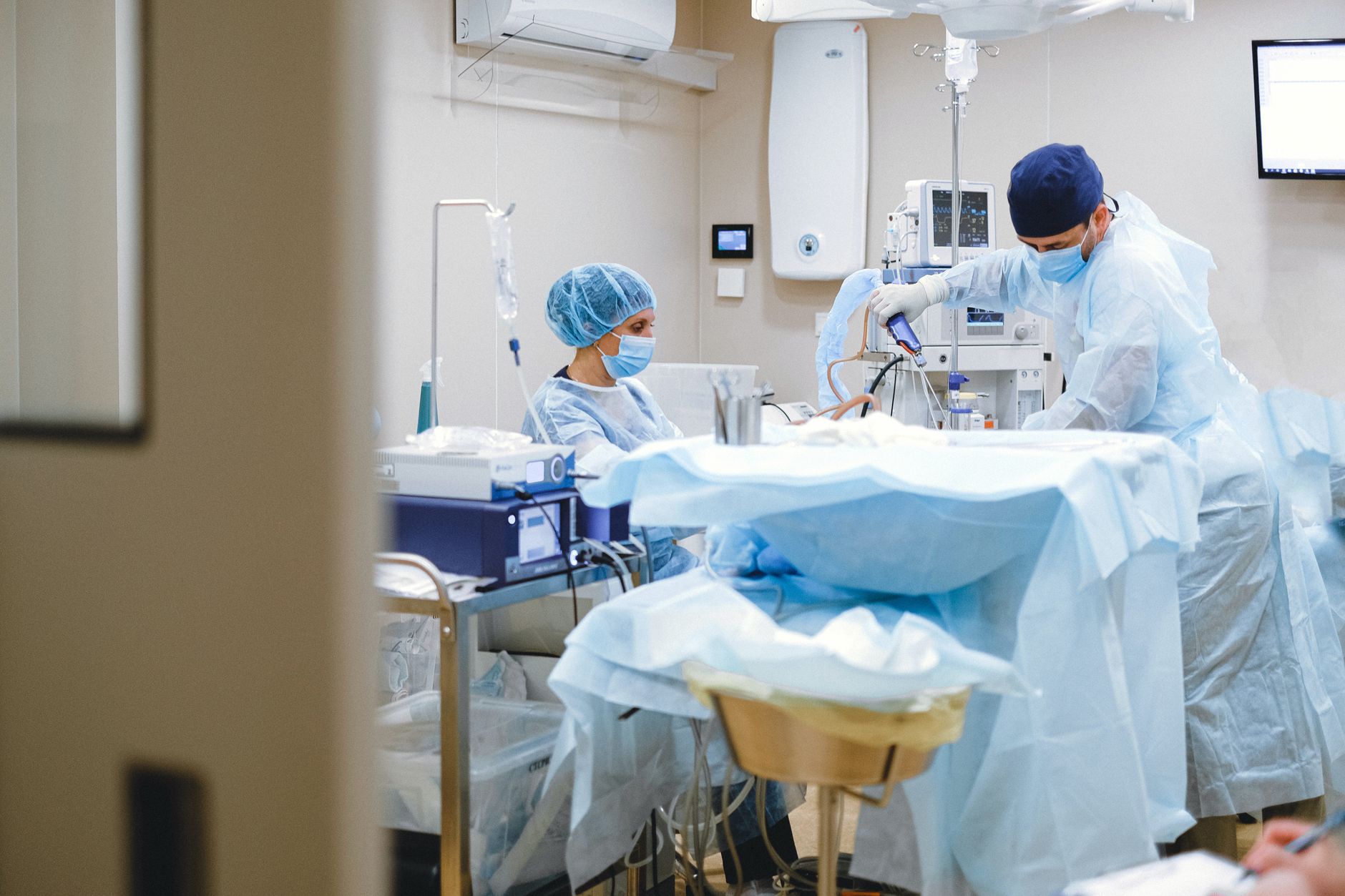
The next morning, you arrive at the hospital—often a modern facility with private rooms, international cuisine, and translation services. Surgery typically takes 30 to 90 minutes, depending on the procedure. You wake in a recovery area, are monitored for a few hours, and once you meet discharge criteria (stable vitals, controlled pain, able to eat and drink), you leave the same day.

Current Techniques That May Speed Up Recovery
Turkish ENT surgeons use minimally invasive, image-guided techniques that can reduce recovery time. For sinus surgery, they use high-definition endoscopic systems that provide magnified views of delicate structures, allowing precise removal of diseased tissue while preserving healthy mucosa. Balloon sinuplasty, for example, uses a small balloon to open blocked sinus passages without cutting—patients often return to normal activities within 48 hours.
For septoplasty and turbinate reduction, surgeons employ endoscopes and microdebriders to reshape the nasal septum and reduce swollen tissue with minimal bleeding. These techniques mean less packing, less discomfort, and faster healing. Many patients breathe more easily immediately after surgery.
Ear procedures such as tympanoplasty or mastoidectomy can also be performed endoscopically, avoiding external incisions and reducing post-operative pain. Even tonsillectomy, traditionally painful in adults, is now performed with techniques like coblation or radiofrequency ablation, which shorten recovery and lower the risk of bleeding.
Turkish hospitals invest continuously in training and technology. Surgeons regularly attend international conferences and fellowships, and many are members of European and American ENT societies. You are not just getting modern equipment; you are getting hands that know how to use it well.

What It Costs: Value Without Compromise
One of the most cited reasons to choose Türkiye is the cost. A functional endoscopic sinus surgery that might cost $15,000–$25,000 in the United States can be performed in a top Istanbul hospital for $3,000–$6,000. Septoplasty typically ranges from $2,500 to $4,500. Tonsillectomy for adults may cost $1,800–$3,000. These figures usually include surgeon fees, anaesthesia, hospital stay, medications, and follow-up visits.
Even when you add flights and accommodation, the total is often 50–70% less than Western prices. And because day-case surgery eliminates an overnight stay, your bill is even lower. Many hospitals offer package deals that bundle consultation, surgery, transfers, and a night in a nearby hotel.
Quality is not necessarily sacrificed for savings. Turkish private hospitals are known for their cleanliness, modern infrastructure, and patient-centred care. You will find private rooms with en-suite bathrooms, Wi-Fi, and room service, plus nurses who check on you regularly. The value proposition is simple: well-regarded ENT care at a price that makes sense.
After Surgery: Recovery Tips for Travelling Patients
The first 24–48 hours after ENT surgery are crucial. Your hospital will provide detailed aftercare instructions, usually in English and your native language. Expect some nasal congestion, mild pain, or a sore throat—all manageable with prescribed medications. Most surgeons advise against flying for 7–10 days after sinus or ear surgery to avoid pressure changes, so plan a short stay in Istanbul.
Use this time to recover gently. Stay hydrated, avoid strenuous activity, and keep your head elevated when resting. Do not blow your nose forcefully. Saline rinses may be recommended to keep nasal passages clean. If you have nasal packing, it is usually removed within 24–48 hours at a follow-up appointment.
Turkish hospitals often include a post-operative check-up before you fly home. Your surgeon will assess healing, remove any stitches or packing, and give you a final green light. You will also receive a medical report and imaging to share with your doctor at home.
Many patients report being able to return to work within a week for desk jobs, and to light exercise within two weeks. Full recovery varies by procedure, but the trajectory is often faster than with traditional open surgery.
Why International Patients Choose Turkish ENT Centres
Beyond technology and price, it is the human touch that leaves a lasting impression. Turkish hospitality is well known, and hospitals extend it to every aspect of care. From the moment you are greeted at the airport by a driver holding a sign with your name, to the nurse who brings you a cup of tea after surgery, you feel looked after.
International patient departments handle language barriers, insurance paperwork, and cultural preferences. Halal and kosher meals are available. Prayer rooms are common. Interpreters accompany you to appointments if needed. This attention to detail turns a medical trip into a comfortable, even pleasant, experience.
Safety standards are rigorous. Turkey has one of the highest numbers of JCI-accredited hospitals in the region, and ENT surgical outcomes are consistently excellent. Infection rates are low, and protocols for anaesthesia and pain management are on par with global best practices.
Perhaps the most powerful endorsement comes from patients themselves. Thousands return home with clearer sinuses, better hearing, and easier breathing—and with stories of how quickly and kindly they were treated. For many, the only regret is not having come sooner.
Planning Your ENT Trip: Practical Steps
Start by researching hospitals with dedicated international departments and verified ENT expertise. Look for JCI accreditation, read patient reviews, and request treatment progress cases if relevant. Contact two or three hospitals to compare plans and prices. Once you choose, your coordinator will guide you through the rest.
Gather your medical records: recent imaging (CT, MRI), allergy information, medication list, and any prior surgical reports. Your surgeon will need these to tailor the procedure. If you have chronic conditions like hypertension or diabetes, ensure they are well controlled before travel.
Book your flights with flexibility. Arrive at least two days before surgery for consultation and pre-op tests. Plan to stay in Istanbul for 7–10 days after surgery, depending on your procedure. Choose a hotel near the hospital for convenience, or ask the hospital to recommend one—many have partnerships with nearby hotels at discounted rates.
Finally, pack smart: loose clothing, comfortable shoes, and any prescribed medications. Leave valuables at home. Bring a companion if possible; having someone to help with luggage and offer moral support makes a difference. With these steps, your ENT journey will be smooth, safe, and surprisingly quick.
Thinking about treatment in Turkey?
Send us a question about this site or about the information published on it. This is a publisher's mailbox, not a medical service and not a route to a particular provider — for clinical questions, contact your own doctor.