

Why Intensive Care Matters When You Travel for Surgery
Choosing to travel abroad for surgery is an act of trust. You are placing your health, and often your family's peace of mind, in the hands of a hospital and a clinical team in a city you may never have visited before. That is why the quality of a hospital's intensive care unit (ICU) and high-dependency unit (HDU) deserves a place near the top of your research checklist — not as something to worry about, but as a strength you can actively verify and feel confident about.
Most planned surgical procedures in Türkiye's leading private hospitals go entirely to plan, and the majority of international patients recover on a standard surgical ward without ever needing intensive care. Even so, the best hospitals plan for every eventuality. A well-staffed ICU and a properly equipped high-dependency unit are the safety net that allows surgeons to operate confidently and allows families to relax, knowing that advanced monitoring and specialist clinicians are on hand should they ever be needed.
This guide explains, in plain language, how leading Turkish hospitals structure their critical care services, what the difference is between an ICU and a high-dependency unit, who staffs these departments, and how comprehensive surgical packages for international patients typically incorporate this level of support. Our aim is reassurance through transparency: the more you understand about the infrastructure behind your care, the calmer and more confident you can feel.
The Difference Between an ICU and a High-Dependency Unit
Understanding the vocabulary helps you ask the right questions. An intensive care unit is designed for patients who need continuous, complex monitoring and support — for example, breathing support, close cardiovascular monitoring, or care after major surgery. Patients in an ICU are typically sedated or critically unwell, and they receive one-to-one or one-to-two nursing care with a high ratio of specialist staff to patients.
A high-dependency unit, sometimes called a step-down or intermediate care unit, sits between the ICU and a standard ward. It supports patients who need more observation than a regular surgical floor can provide — frequent vital-sign monitoring, specialised pain management, or close watching for early signs of complications — but who do not require full intensive care. HDUs are a hallmark of mature, well-organised hospital systems: they relieve pressure on ICUs and give recovering patients a gentler, monitored step toward the general ward.
In Türkiye's leading private hospitals, these units are usually located close to operating theatres and emergency departments, with rapid access between them. This geographical layout matters: if a patient needs to move quickly from theatre to ICU or from ward to HDU, the journey is short, planned, and supported by trained transfer teams. For international patients, this seamless internal pathway is one of the quiet strengths of a well-run hospital.
Modern Equipment and Continuous Monitoring
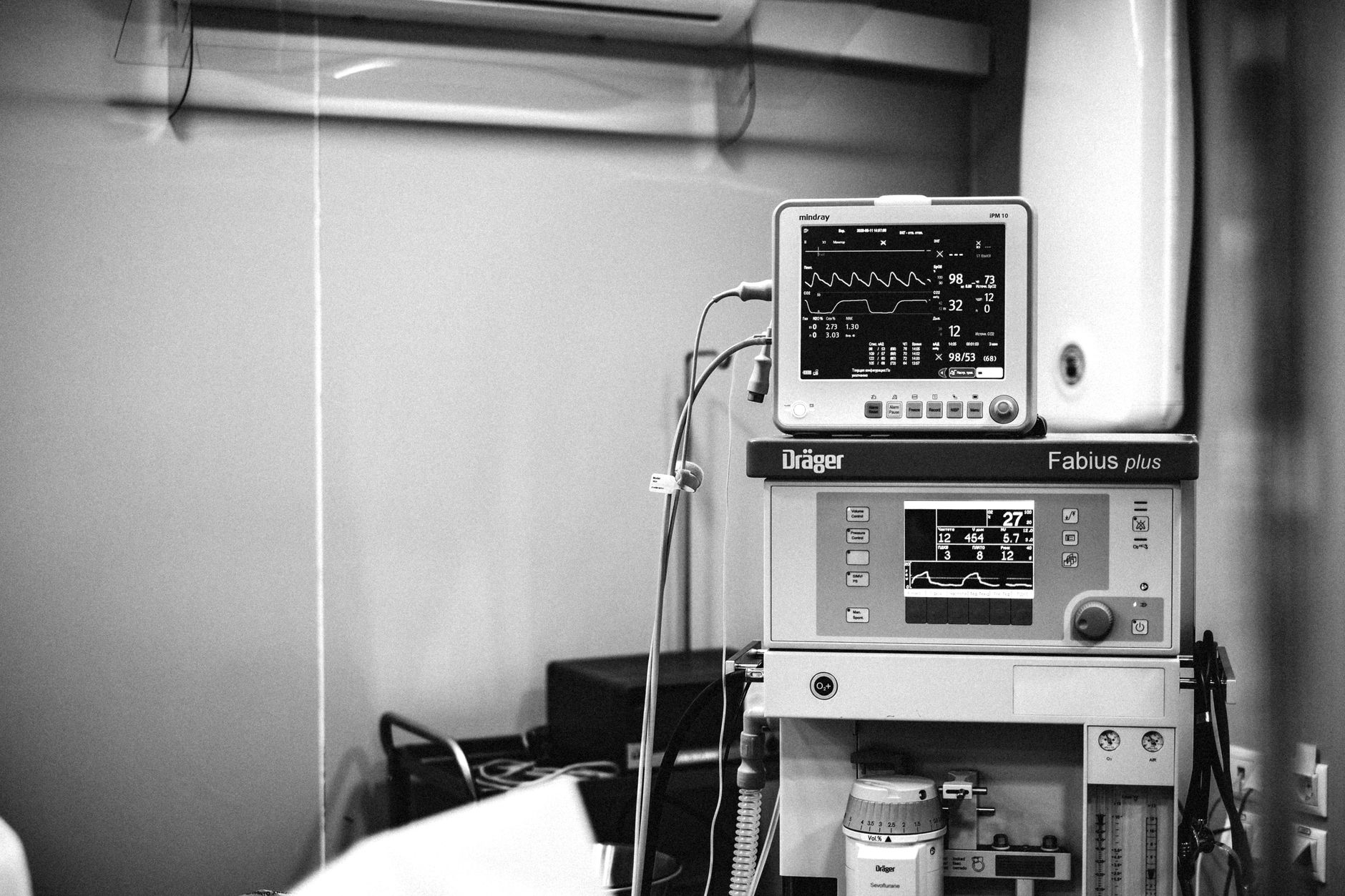
The foundation of any credible critical care service is technology that is current, maintained, and used by staff who are trained on it. Leading Turkish hospitals, particularly the large private groups in Istanbul, Ankara and Izmir that serve international patients, invest continuously in ventilators, multi-parameter bedside monitors, infusion pumps, imaging equipment and electronic record systems that allow clinicians to track a patient's condition in real time.
Modern monitoring means changes are detected early. Continuous observation of heart rhythm, blood pressure, oxygen saturation, respiratory rate and other parameters allows nursing staff and intensivists to respond to subtle shifts before they become serious problems. This early-warning approach is central to safe post-operative care, and it is one of the reasons why major surgery in a well-equipped hospital is safer than it might first appear.
Equipment alone, of course, is not enough — it must be maintained and calibrated, and it must be supported by robust infection-control procedures. Reputable hospitals publish or readily discuss their accreditation status, and many hold internationally recognised quality certifications from bodies such as Joint Commission International (JCI) or equivalent national and European standards. When you ask about a hospital's ICU, it is entirely reasonable to ask which accreditations it holds and how its equipment is maintained.
The Specialist Teams Behind Round-the-Clock Care
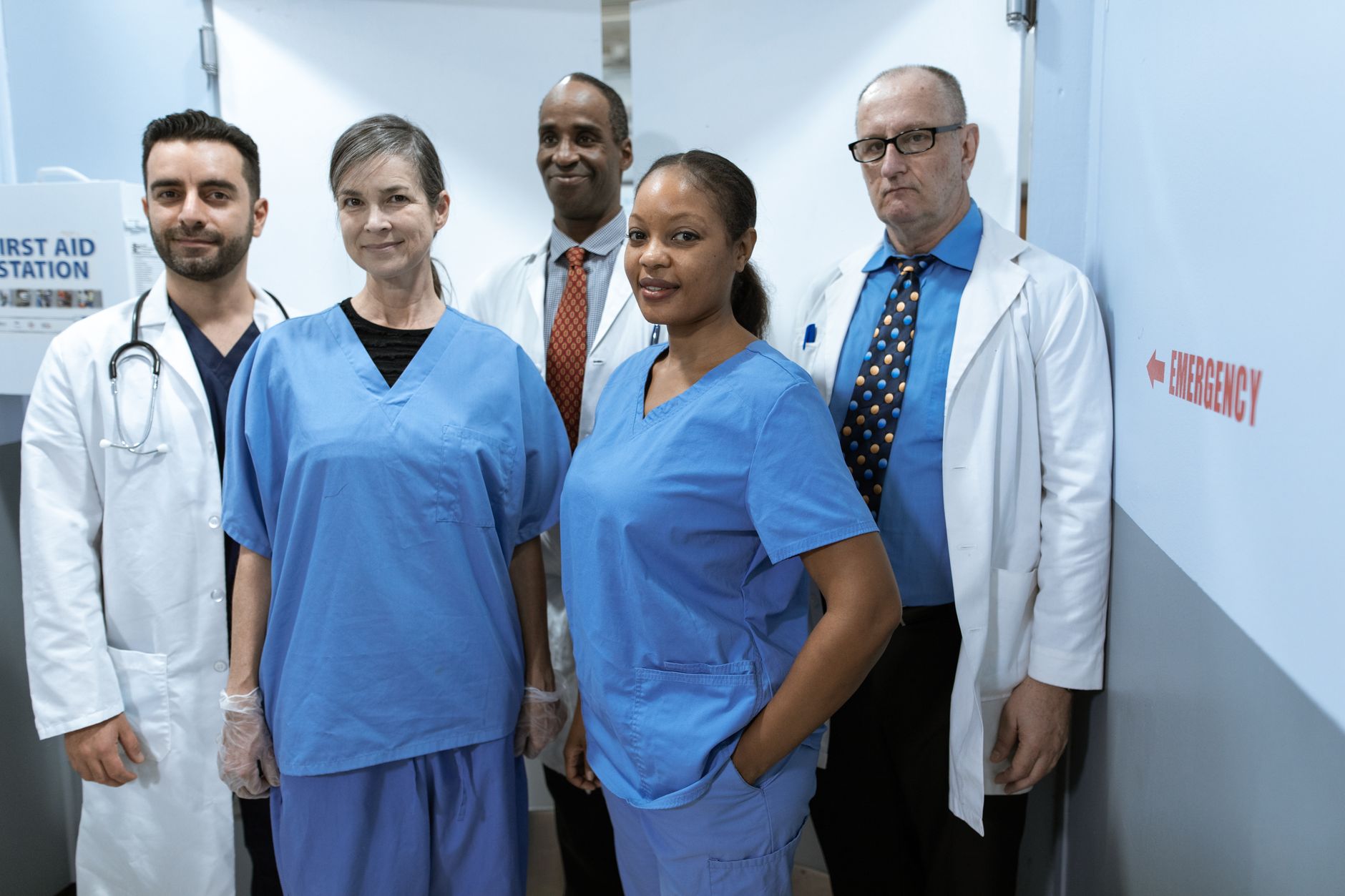
An ICU is only as good as the people in it, and this is where Türkiye's healthcare infrastructure genuinely shines. Leading hospitals employ dedicated intensivists — physicians who specialise in critical care medicine — supported by anaesthetists, surgeons, cardiologists, respiratory therapists and highly trained critical care nurses. Many of these professionals have trained or worked internationally and are fluent in English, which makes communication with families far easier.
Staffing ratios matter. A well-staffed ICU will maintain low patient-to-nurse ratios, often with dedicated one-to-one nursing for the most unwell patients, and will have a resident doctor present on site around the clock rather than on call from home. Ask any hospital you are considering how its ICU is staffed overnight and at weekends; a confident, specific answer is a good sign of a mature department.
Beyond individual clinicians, the best units work as coordinated multidisciplinary teams. Physiotherapists help patients mobilise and clear their lungs after surgery, pharmacists review medication, dietitians plan nutrition for recovery, and pain specialists manage comfort. This team-based approach accelerates recovery and reduces complications. For international patients, many hospitals also provide interpreters and dedicated international patient coordinators who liaise between the clinical team and the family, translating both language and medical jargon so that relatives always understand what is happening.

What Comprehensive Surgical Packages Typically Include
When international patients book surgery through a Turkish hospital or a medical tourism facilitator, they are usually offered a comprehensive package that covers far more than the operation itself. A typical package includes pre-operative assessment and laboratory tests, the surgical procedure and anaesthesia, hospital accommodation, routine post-operative care, medications and follow-up consultations — and, importantly, access to intensive care and high-dependency support should it be required.
It is worth being precise about what "access" means. In most reputable packages, the hospital is responsible for providing appropriate post-operative monitoring as part of your care, whether that means a standard ward bed, a high-dependency bed, or — rarely — an ICU stay. Some packages explicitly include a defined period of ICU or HDU care if clinically indicated, while others cover it as part of the hospital's duty of care. Before you travel, ask your coordinator to explain in writing how critical care is handled within your package, so there are no surprises.
Comprehensive packages also typically include arrangement of accommodation for accompanying family, airport transfers, translation services, and a defined period of post-discharge follow-up. These practical details free you and your family to focus on recovery. The reassurance of knowing that a fully staffed ICU and step-down unit stand behind your surgical package is, for many patients, one of the most comforting aspects of choosing a Turkish hospital.
Standards, Accreditation and the Bigger Picture in Türkiye
Türkiye has invested heavily in healthcare over the past two decades, and the results are visible across the country. The public health transformation programme expanded hospital capacity, and large-scale city hospitals and private medical groups now offer advanced critical care that meets international standards. Istanbul in particular has become a hub for medical tourism, drawing patients from Europe, the Middle East, Africa and beyond for everything from cosmetic and bariatric surgery to orthopaedics, cardiology and oncology.
This volume of international patients has driven hospitals to build genuinely world-class support services around critical care: multilingual staff, international departments, transparent pricing, and rigorous quality management. Many hospitals track and publish clinical outcomes, participate in international quality registries, and subject their intensive care units to external inspection. Accreditation and audit are not marketing gloss — they are evidence that a hospital holds itself to measurable standards.
None of this means you should not do your homework. It means that when you do, you will find a healthcare system built to support complex surgical care safely. Asking about ICU staffing, accreditation, transfer protocols and how your package covers monitoring is not a sign of doubt — it is exactly the kind of thoughtful question that reputable hospitals welcome, because it lets them show you the strength of their infrastructure.
Practical Questions to Ask Before You Travel
A little preparation turns reassurance into confidence. Before booking, ask your hospital or coordinator a short, focused set of questions about critical care. Does the hospital have an on-site ICU staffed by dedicated intensivists around the clock? How are ICU and HDU beds allocated, and what is the typical nurse-to-patient ratio? Which international accreditations does the hospital hold? How is critical care covered within your surgical package, and what would happen if a longer stay were needed?
Ask, too, about communication. Will a family member be given regular updates, and in which language? Who is your point of contact if something changes? How far is the hospital from your accommodation, and what transfer arrangements exist? Reputable providers answer these questions clearly and without hesitation, and many will provide written information in your language.
Finally, remember that the overwhelming majority of planned surgeries proceed smoothly and most patients never need intensive care. The value of a strong ICU and high-dependency service lies precisely in the fact that it is there when needed — a quiet, constant safety net. Turkish hospitals' modern critical care infrastructure is one of the genuine strengths that make the country a leading destination for international patients, and it is something you and your family can feel confident about as you plan your journey and your recovery.
Thinking about treatment in Turkey?
Send us a question about this site or about the information published on it. This is a publisher's mailbox, not a medical service and not a route to a particular provider — for clinical questions, contact your own doctor.