

Introduction: A Warm Welcome in a Foreign Land
Stepping into a hospital in another country can feel daunting. There's the language barrier, the unfamiliar paperwork, the strange corridors, and the quiet anxiety that comes with entrusting your health to a system you don't know. But in Türkiye, that anxiety is met with something remarkable: a dedicated International Patient Department (IPD) designed to make you feel not like a foreigner, but like a guest of honor. Turkish hospitals have long recognized that clinical excellence must be paired with human warmth, and the IPD is where that philosophy comes to life.
From the moment you land at Istanbul Airport to the day you fly home, the IPD team is your single point of contact. They are the friendly voice on the phone before you even book your ticket, the smiling face waiting at the hospital entrance, and the reassuring presence interpreting your doctor's every word. This guide explores how these departments work, who makes up the team, and why their presence transforms the medical tourism experience from stressful to seamless.
Whether you're considering a hair transplant in Istanbul, cardiac surgery in Ankara, or a comprehensive health check-up in Izmir, understanding the role of the IPD will help you navigate your journey with confidence. Think of them as your clinical concierge—part translator, part advocate, part friend—and a shining example of how Turkish hospitality meets modern medicine.
The Heart of the Matter: Who Works in the International Patient Department?
The IPD is not a single person but a multidisciplinary team, each member trained to address a different facet of your experience. At the core are multilingual coordinators who speak English, Arabic, Russian, French, German, Spanish, and often more. These coordinators are your first contact, handling everything from initial inquiries to appointment scheduling. They understand the nuances of international insurance, visa requirements, and travel logistics, and they're adept at calming nerves with clear, honest communication.
Alongside them are medical translators and interpreters who bridge the gap between you and your care team. Unlike general translators, these professionals are trained in medical terminology, ensuring that complex diagnoses, consent forms, and treatment plans are conveyed accurately and compassionately. They accompany you to consultations, pre-op briefings, and discharge meetings, so nothing is lost in translation—and no question goes unasked.
Patient relations staff round out the team, focusing on your comfort and satisfaction. They arrange airport transfers, help with accommodation for accompanying family members, and even organize city tours for those who are well enough to explore. They are the problem-solvers, the ones who find a SIM card for your phone, recommend a nearby restaurant that suits your dietary needs, or simply sit with you when you're feeling homesick. Together, these professionals form a safety net that lets you focus on what matters most: your health.

Before You Arrive: How the IPD Prepares for Your Journey
The IPD's work begins long before you set foot in Türkiye. When you first reach out—whether via email, WhatsApp, or an online form—a coordinator is assigned to your case. They gather your medical history, previous test results, and treatment goals, then liaise with the relevant specialists to determine the best approach. You'll receive a detailed treatment plan, a transparent cost estimate, and a suggested timeline, all explained in your language.
Once you decide to proceed, the IPD handles the logistics: they send a letter of invitation for your visa application, help you book flights and accommodation, and arrange airport pickup. They also provide pre-travel advice, such as which medications to bring, what to pack, and how to prepare for your specific procedure. If you have dietary restrictions or mobility needs, they note them in advance so the hospital can accommodate you.
For many patients, this pre-arrival communication is where trust is built. The coordinator answers questions promptly, addresses concerns with empathy, and provides realistic expectations. By the time you board your flight, you already have a named contact and a clear itinerary, turning the unknown into something manageable and even exciting.

Upon Arrival: A Seamless Transition to Care
Landing in a new country can be disorienting, but the IPD ensures your arrival is smooth. A driver—often arranged by the patient relations team—meets you at the airport and takes you directly to your hotel or the hospital. If you're arriving late at night, they've confirmed your check-in and left instructions at the front desk. The next morning, your coordinator greets you at the hospital lobby, introduces you to your medical team, and guides you through the admission process.
The first day typically includes a thorough consultation with your specialist, aided by an interpreter. The IPD has already translated your medical records, so the doctor has a complete picture. You'll tour the facilities, meet the nurses, and receive a printed schedule of your tests and procedures—all in your language. The coordinator remains on call throughout your stay, and you're given a direct phone number to reach them anytime.
This continuity of care is the IPD's hallmark. Instead of being passed from department to department, you have a dedicated advocate who knows your case and ensures your voice is heard. Whether you need to adjust an appointment, request a different meal, or simply want someone to explain a lab result, your coordinator is just a message away.
During Your Treatment: Communication Without Barriers
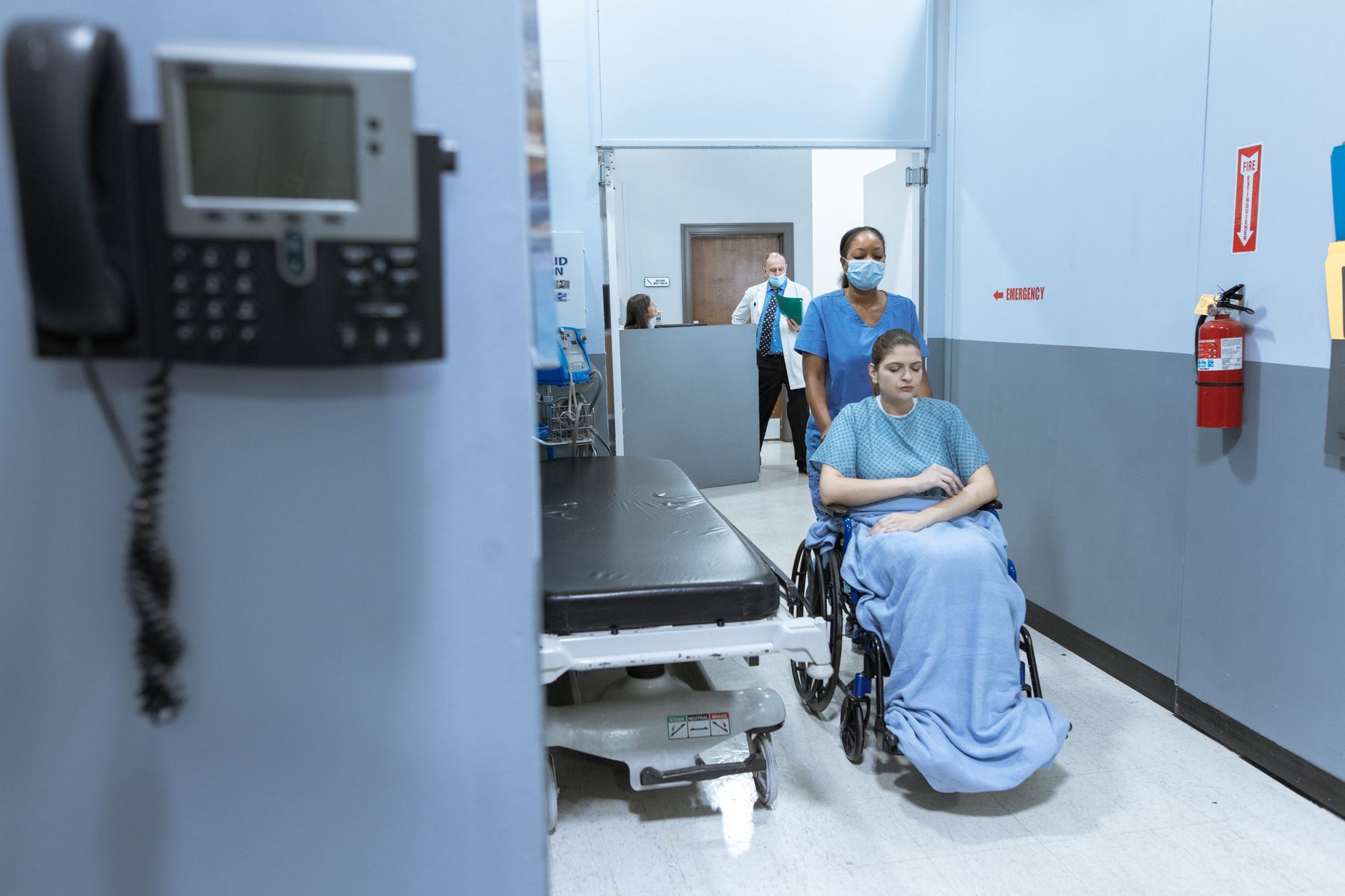
Medical procedures are inherently stressful, and language barriers can amplify that stress. The IPD's medical interpreters are trained to mitigate this. They don't just translate words; they convey tone, empathy, and nuance. Before surgery, they walk you through the consent form line by line, ensuring you understand the risks, benefits, and alternatives. During consultations, they encourage you to ask questions and make sure the doctor's answers are fully grasped.
Beyond language, the IPD coordinates all practical aspects of your hospital stay. They schedule your tests, ensure results are communicated promptly, and help you understand your bill. If you're staying in a private room, they check in daily to see if you need anything—extra blankets, a different pillow, or help connecting to the Wi-Fi. For patients with families, they arrange accommodation nearby and keep relatives informed with regular updates.
Patient relations staff also attend to your emotional well-being. They understand that being away from home during medical treatment can be lonely, so they organize social activities: a coffee hour with other international patients, a guided meditation session, or a short walk in the hospital garden. These small gestures foster a sense of community and remind you that you're not alone.
Beyond the Hospital Walls: Practical Support and Local Insights
Recovery isn't confined to the hospital room. The IPD recognizes that exploring your surroundings—when medically appropriate—can boost your spirits and aid healing. Patient relations staff can recommend safe, nearby attractions: a gentle stroll through a historic bazaar, a visit to a serene mosque, or a meal at a restaurant that caters to your dietary needs. They provide maps, translate menus, and even arrange transportation.
For longer stays, they help with practicalities like extending your visa, finding a pharmacy, or locating a place of worship. They can also connect you with support groups or fellow patients who have undergone similar procedures. This local expertise transforms you from a bewildered tourist into a confident traveler, enriching your experience beyond the medical.
Many IPDs also offer concierge services such as booking city tours, arranging shopping trips, or securing tickets to cultural events. These services are optional but highly valued, especially by patients who travel with family members. It's all part of the Turkish tradition of hospitality—making guests feel not just welcome, but cherished.
After Discharge: Continuing Care and a Lasting Connection
The IPD's involvement doesn't end when you leave the hospital. Before discharge, your coordinator provides a detailed aftercare plan in your language, including medication schedules, wound care instructions, and warning signs to watch for. They schedule follow-up appointments—either in person or via telemedicine—and ensure you have contact information for your medical team.
If you need to fly home soon after treatment, the IPD can provide a fit-to-fly certificate and advice on managing the journey. They may also arrange for medical transport if necessary. After you return home, they check in periodically to see how you're healing and to address any concerns. This ongoing support reinforces that your relationship with the hospital is a partnership, not a transaction.
Many patients stay in touch with their coordinators long after they've recovered, sharing photos and updates. For the IPD team, these messages are the ultimate reward—proof that their blend of clinical excellence and genuine warmth has made a difference. It's a testament to the Turkish approach to healthcare: treat the person, not just the condition.
Conclusion: The Human Touch That Sets Turkish Hospitals Apart
In the competitive world of medical tourism, Türkiye stands out not only for its advanced treatments and affordable prices but for its commitment to the patient experience. The International Patient Department is the embodiment of that commitment—a team of dedicated professionals who guide you from first inquiry to full recovery with skill, empathy, and a smile.
For anyone considering medical travel, the presence of a robust IPD is a reassuring sign. It means you won't be navigating a foreign healthcare system alone. You'll have a multilingual advocate, a cultural interpreter, and a friend who ensures your journey is as comfortable as it is medically sound. That's the promise of Turkish hospitality meeting clinical excellence—and it's why so many patients return home not just healed, but touched by the care they received.
Thinking about treatment in Turkey?
Send us a question about this site or about the information published on it. This is a publisher's mailbox, not a medical service and not a route to a particular provider — for clinical questions, contact your own doctor.