

Why Post-Operative Pain Management Matters in Medical Tourism
For international patients traveling to Turkey for surgery, post-operative pain is often one of the biggest concerns. Leading Turkish hospitals—especially those in Istanbul that cater to medical tourists—have developed sophisticated pain management plans that prioritize comfort, safety, and rapid recovery. These protocols are not one-size-fits-all; they are personalized based on the patient's medical history, the type of surgery, and individual pain thresholds.
The goal is to minimize discomfort while reducing the risk of complications such as chronic pain, delayed healing, or opioid dependence. Turkish clinics accredited by international bodies like JCI (Joint Commission International) follow evidence-based guidelines that combine multimodal analgesia, regional anesthesia techniques, and attentive nursing care. This guide explores how these plans are built and how you can communicate your pain effectively, even through language barriers.
Building a Personalized Pain Plan: The Multimodal Approach
Turkish hospitals typically employ a multimodal analgesic strategy, which means using a combination of medications and techniques that target different pain pathways. This approach reduces the need for high doses of any single drug, minimizing side effects. Common components include:
- Preemptive analgesia: Medications given before surgery to prevent pain signals from intensifying.
- Local anesthetics: Wound infiltration or nerve blocks that numb the surgical site.
- NSAIDs and acetaminophen: Non-opioid drugs for baseline pain relief.
- Opioids: Used sparingly for breakthrough pain, with careful monitoring.
- Adjuvant medications: Such as gabapentinoids for nerve pain or muscle relaxants.
Before surgery, you'll undergo a pre-anesthetic evaluation where an anesthesiologist reviews your medical history, allergies, and previous experiences with pain. This information shapes your plan. For example, patients with a history of chronic pain or opioid tolerance may receive higher doses or alternative therapies. The plan is also adjusted for the type of surgery—orthopedic procedures may require more aggressive pain control than cosmetic surgery.
Leading clinics use pain assessment tools like the Visual Analog Scale (VAS) or Numerical Rating Scale (NRS) to track your pain levels regularly. Nurses document scores at rest and during movement, allowing the team to fine-tune medications. This dynamic adjustment is key to personalized care.
The Role of Attentive Nursing Care in Your Recovery
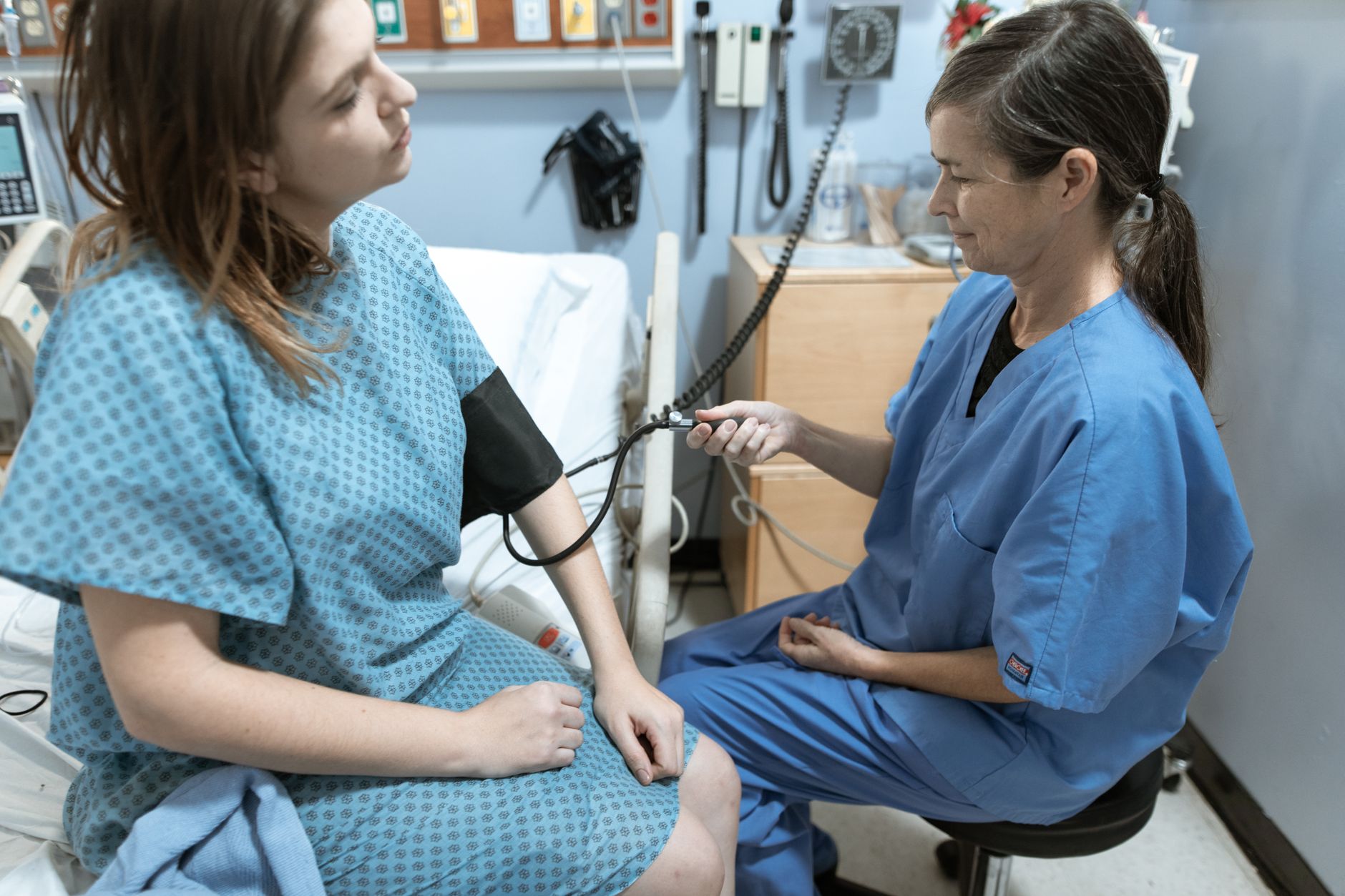
Nursing care is the backbone of post-operative pain management in Turkish hospitals. Nurses are trained to assess pain not just by numbers but by observing facial expressions, body language, and vital signs. They ensure timely administration of analgesics and monitor for side effects such as nausea, sedation, or respiratory depression. Many hospitals have nurse-to-patient ratios that allow for frequent check-ins, especially in the first 24 hours after surgery.
In Istanbul's top clinics, nurses often receive special training in cross-cultural communication and pain assessment for international patients. They use translated pain scales and visual aids to help you express your discomfort accurately. Additionally, patient coordinators—who act as liaisons between you and the medical team—facilitate communication and ensure your concerns are addressed promptly.
Attentive nursing also extends to non-pharmacological comfort measures: positioning, cold therapy, relaxation techniques, and early mobilization. Nurses educate you on how to use patient-controlled analgesia (PCA) pumps if prescribed, and they encourage you to report pain early rather than waiting until it becomes severe.

Communicating Pain Levels Effectively Through Interpreters and Coordinators
Language barriers can complicate pain communication, but Turkish hospitals have systems in place to overcome them. Professional medical interpreters are available on-site or via video call, and patient coordinators often speak multiple languages including English, Arabic, Russian, and French. Here's how to communicate your pain effectively:
- Use a numerical scale: Hospitals use the 0-10 scale, where 0 is no pain and 10 is the worst imaginable. Interpreters can help you understand and use this scale consistently.
- Describe the quality and location: Is the pain sharp, dull, burning, or throbbing? Does it radiate? Use simple words and point to the area if needed.
- Report changes: Note when pain worsens (e.g., during movement, coughing) and what relieves it.
- Ask about side effects: If medications cause nausea or drowsiness, tell the nurse—they can adjust the plan.
- Prepare key phrases: Learn basic Turkish phrases like "ağrım var" (I have pain) or "çok ağrıyor" (it hurts a lot), but rely on interpreters for detailed discussions.
Patient coordinators can also help you understand your pain management plan, including the timing of medications and what to expect as you recover. They serve as your advocate, ensuring your voice is heard by the medical team.
Practical Benefits for Patients: Comfort and Confidence in Early Recovery
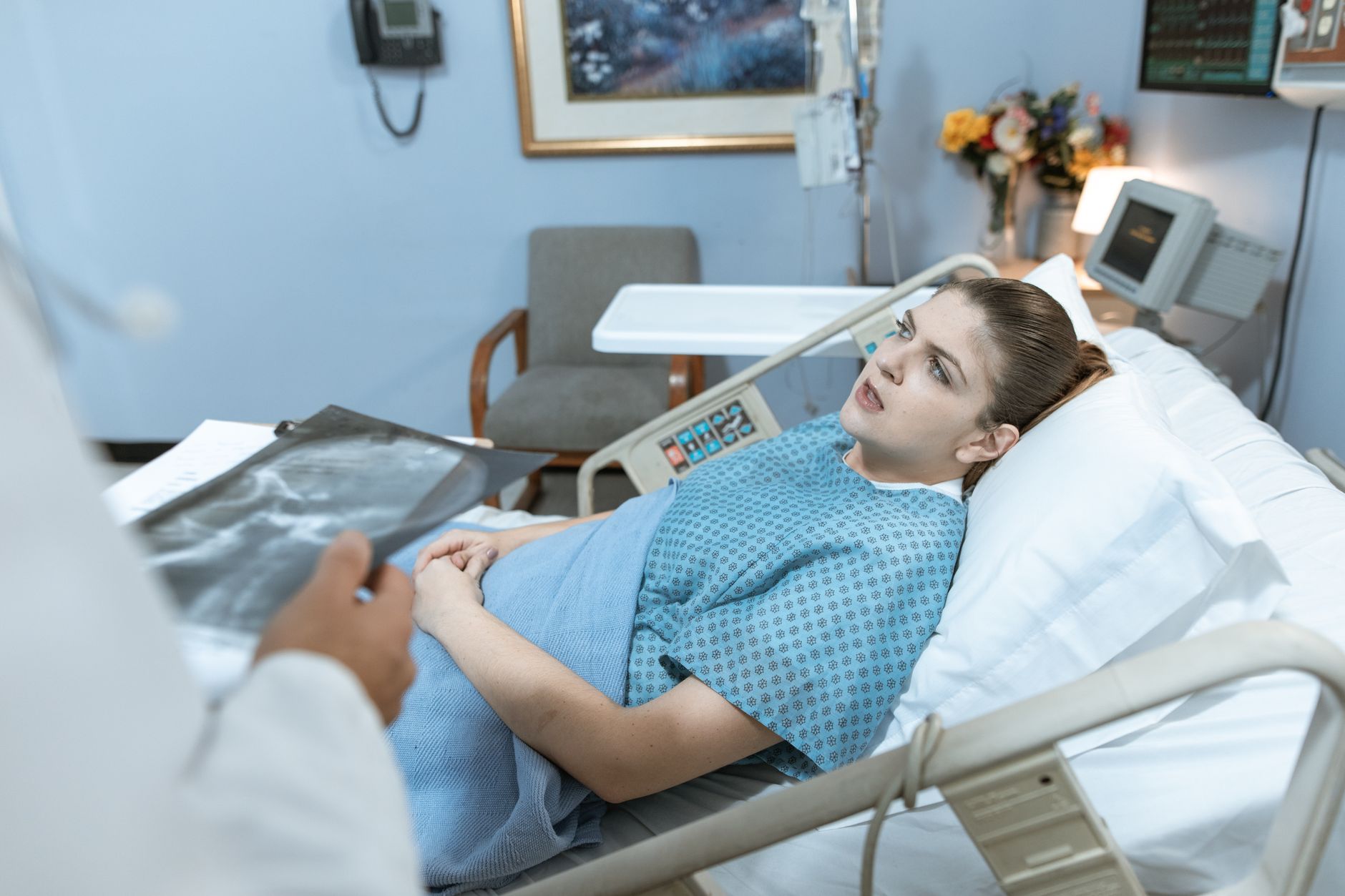
A well-designed pain management plan offers tangible benefits: you can breathe deeply, move early, and participate in rehabilitation without being overwhelmed by pain. This reduces the risk of complications like pneumonia or blood clots and shortens hospital stays. Many patients report that effective pain control significantly improves their overall experience and satisfaction with the procedure.
Moreover, personalized plans that include non-opioid techniques reduce the likelihood of nausea, constipation, and dependence, making your recovery smoother. Turkish hospitals often provide a written pain management plan in your language, so you know what to expect each day.
For medical tourists, the combination of advanced protocols and attentive nursing care means you can focus on healing rather than struggling with pain. The confidence that your discomfort is being managed professionally allows you to relax and recover faster.
What to Expect During Your Hospital Stay
From the moment you arrive, you'll be assessed for pain and your plan will be initiated. Expect regular check-ins from nurses, who will ask you to rate your pain and adjust medications accordingly. You'll be encouraged to use a pain diary if you wish, and your coordinator will check in daily to ensure everything is on track.
Before discharge, you'll receive a take-home pain management plan, including prescriptions and instructions on when to seek help. Follow-up appointments can be arranged with your surgeon or a pain specialist, often via telemedicine if you return home.
Remember: effective pain communication is a partnership. Don't hesitate to speak up—your comfort is a priority.
Thinking about treatment in Turkey?
Send us a question about this site or about the information published on it. This is a publisher's mailbox, not a medical service and not a route to a particular provider — for clinical questions, contact your own doctor.