

Why Choose Turkey for Inpatient Rehabilitation?
Turkey has emerged as a leading destination for medical tourism, not only for surgical procedures but also for comprehensive rehabilitation. Turkish hospitals offer state-of-the-art rehabilitation wards staffed by multidisciplinary teams of physiatrists, physiotherapists, nurses, and psychologists. These facilities are designed to provide a healing environment that promotes recovery and independence.
International patients are increasingly choosing Turkey for inpatient rehabilitation due to the high standards of care, affordability, and the opportunity to combine recovery with a pleasant stay in a culturally rich country. The Turkish Ministry of Health closely monitors accredited hospitals, ensuring that international patients receive quality care that meets global standards.
Moreover, many hospitals have dedicated international patient departments that assist with travel arrangements, translation services, and personalized care plans, making the rehabilitation journey smooth and stress-free.
Structure of Rehabilitation Programmes
Inpatient rehabilitation programmes in Turkish hospitals are typically structured around individualized care plans developed after a thorough assessment by a multidisciplinary team. The team includes a physiatrist (a doctor specializing in rehabilitation), physiotherapists, occupational therapists, speech therapists (for neurological cases), rehabilitation nurses, and sometimes a dietitian and psychologist.
The programme usually begins with a comprehensive evaluation of the patient's medical history, functional status, and goals. Based on this, a customized schedule is created that includes daily physiotherapy sessions, often twice a day, along with other therapies as needed. The length of stay varies depending on the condition and progress, ranging from a few weeks to several months.
Each week, the team holds meetings to review the patient's progress and adjust the treatment plan accordingly. Patients and their families are kept informed through regular updates and are encouraged to participate in goal-setting.
A Day in the Life: Therapy Sessions and Daily Routine
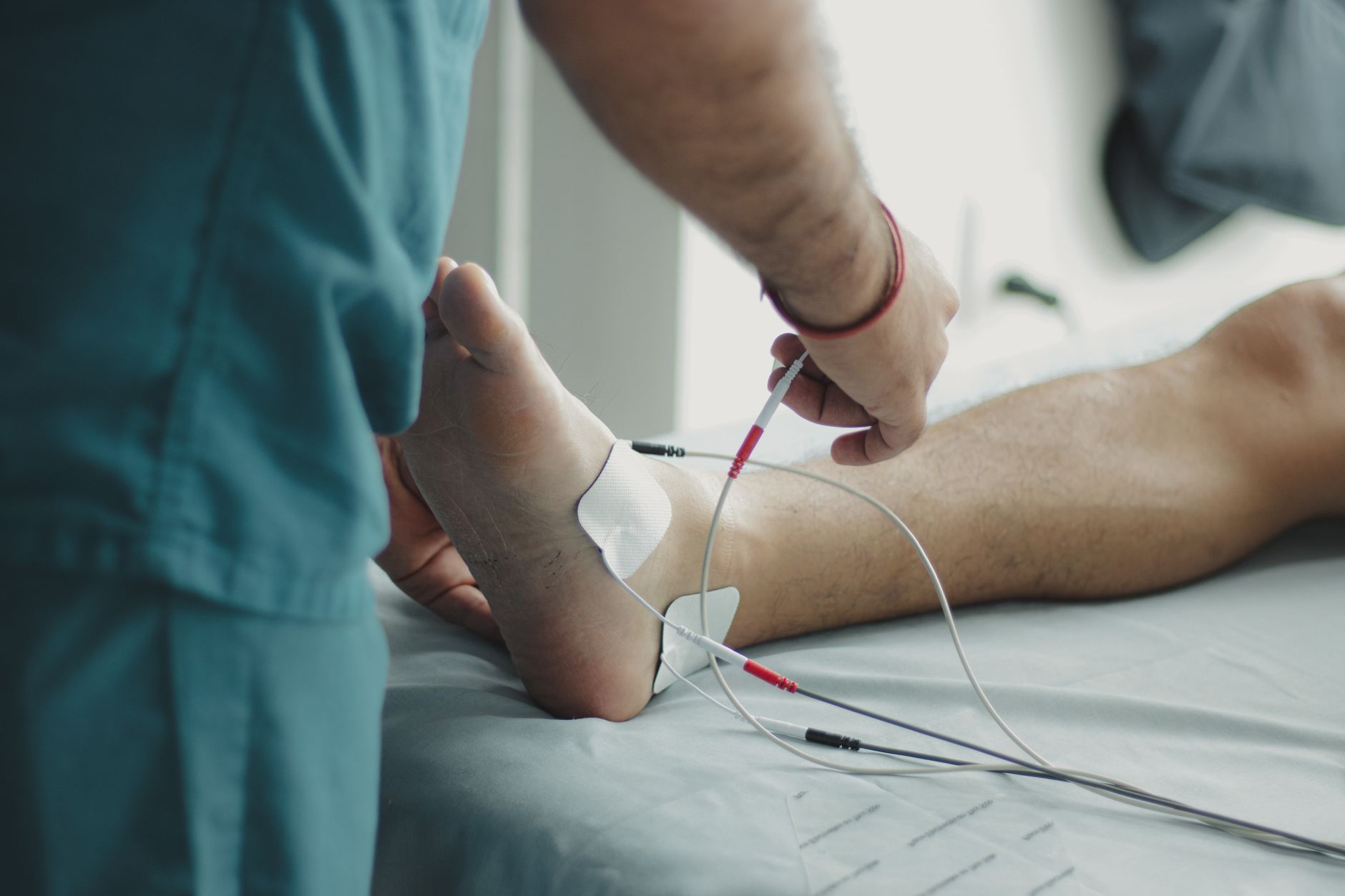
A typical day in a Turkish rehabilitation ward starts early with a nursing check-up, including vital signs and medication administration. After breakfast, patients engage in their first physiotherapy session, which may focus on mobility training, strength exercises, or gait training using specialized equipment.
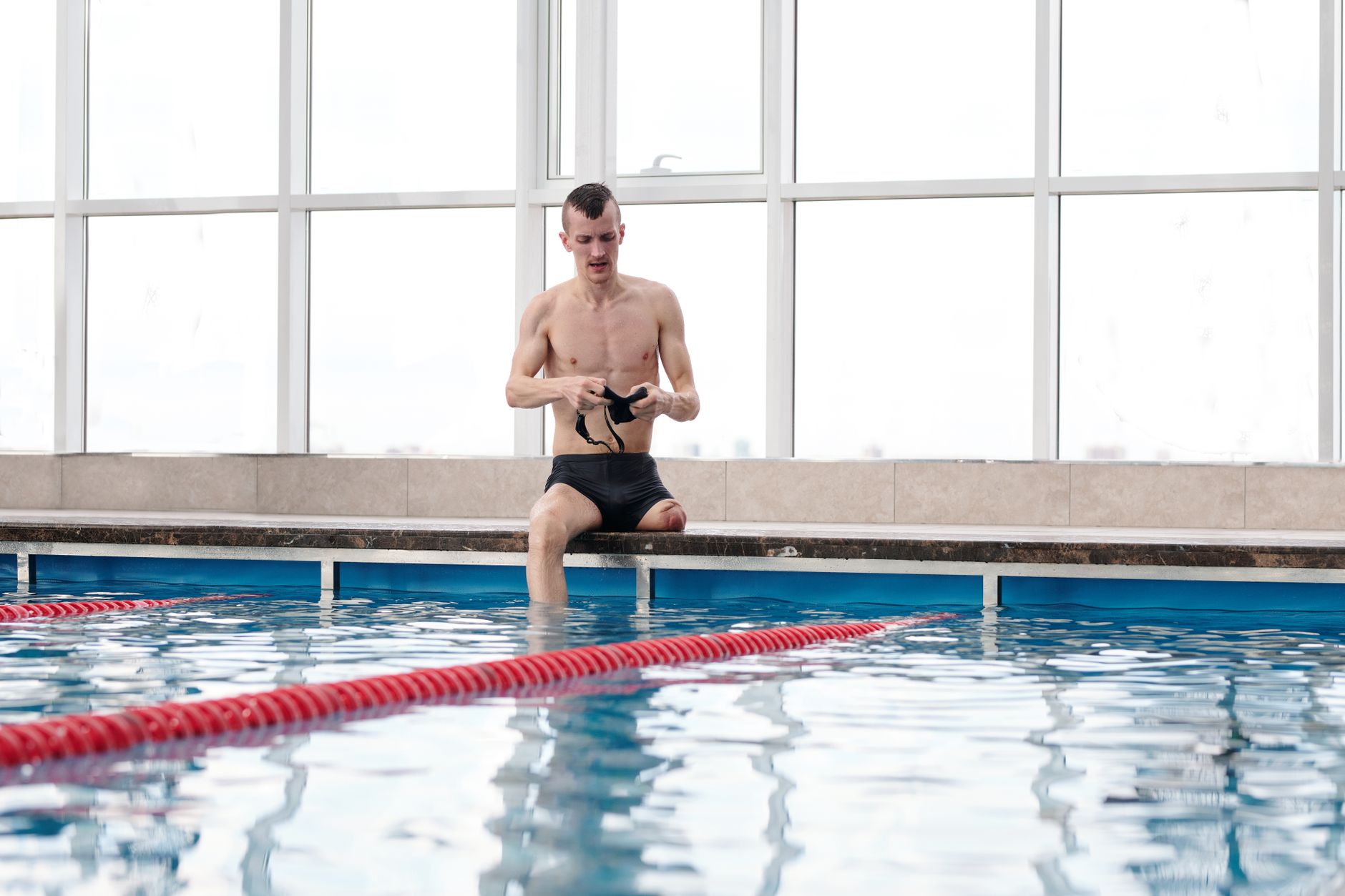
Hydrotherapy sessions are often a highlight, utilizing warm water pools to reduce pain and facilitate movement. These sessions are supervised by trained therapists and can be particularly beneficial for orthopaedic patients. Occupational therapy helps patients regain skills for daily living, such as dressing, eating, and personal care.
Lunch is followed by a rest period, after which patients may have another physiotherapy session or other therapies like speech therapy or psychological support. The day usually ends with group activities or recreational therapy, promoting social interaction and motivation.
Therapies Offered: Physiotherapy, Hydrotherapy, and More
Turkish rehabilitation wards offer a wide range of therapies tailored to individual needs. Physiotherapy is the cornerstone, employing techniques such as manual therapy, exercise therapy, and electrotherapy. Hydrotherapy is conducted in specially designed pools with warm water, which helps relieve muscle tension and allows for low-impact exercises.
For neurological patients, such as those recovering from stroke or spinal cord injury, therapy may include neurodevelopmental techniques, constraint-induced movement therapy, and robotic-assisted gait training. Occupational therapy focuses on improving fine motor skills and adapting the home environment for safety.
Additional services may include speech and language therapy, respiratory therapy, and pain management. Psychological support is also integral, helping patients cope with the emotional challenges of recovery.
Monitoring Progress and Reporting
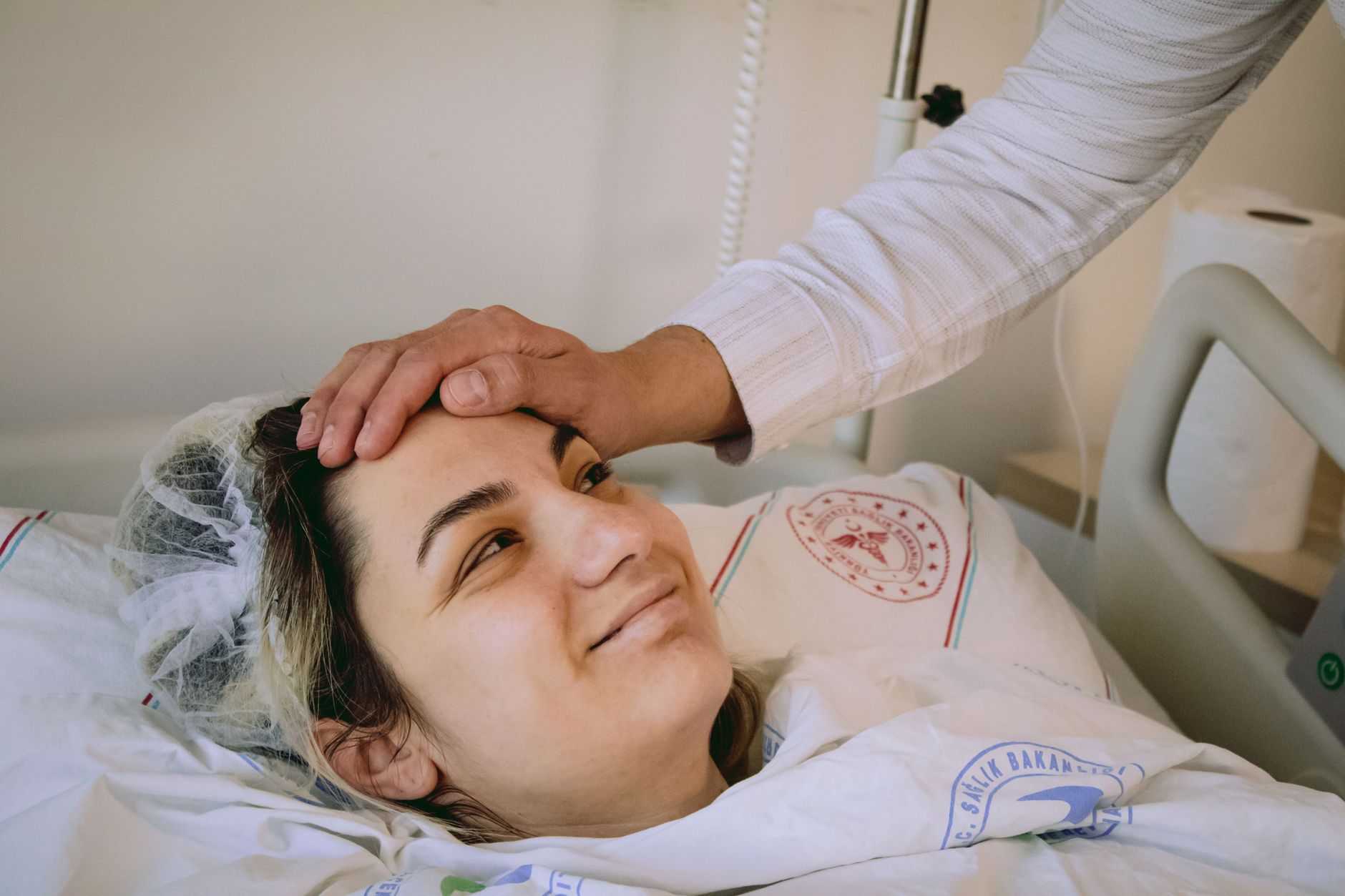
Progress is meticulously tracked using standardized assessment tools and functional outcome measures. The team regularly evaluates improvements in mobility, strength, balance, and activities of daily living. These assessments are documented and shared with the patient and family during periodic reviews.
At the end of the rehabilitation stay, patients receive a comprehensive discharge report detailing their progress, ongoing needs, and recommendations for continued therapy at home or in a local facility. This report is provided in multiple languages upon request and is essential for continuity of care.
Many hospitals also offer follow-up consultations via telemedicine, ensuring that patients receive support even after returning to their home country.
The Healing Environment: Comfort and Support
Turkish hospitals understand that a positive environment aids recovery. Rehabilitation wards are designed to be bright, spacious, and welcoming, with private rooms equipped with modern amenities. Family members are encouraged to stay involved, and accommodation can often be arranged nearby.
The nursing staff is trained to provide compassionate care, assisting with mobility, hygiene, and emotional support. Cultural and dietary preferences are respected, with meals tailored to individual needs. Many hospitals have multilingual staff and offer translation services to ensure clear communication.
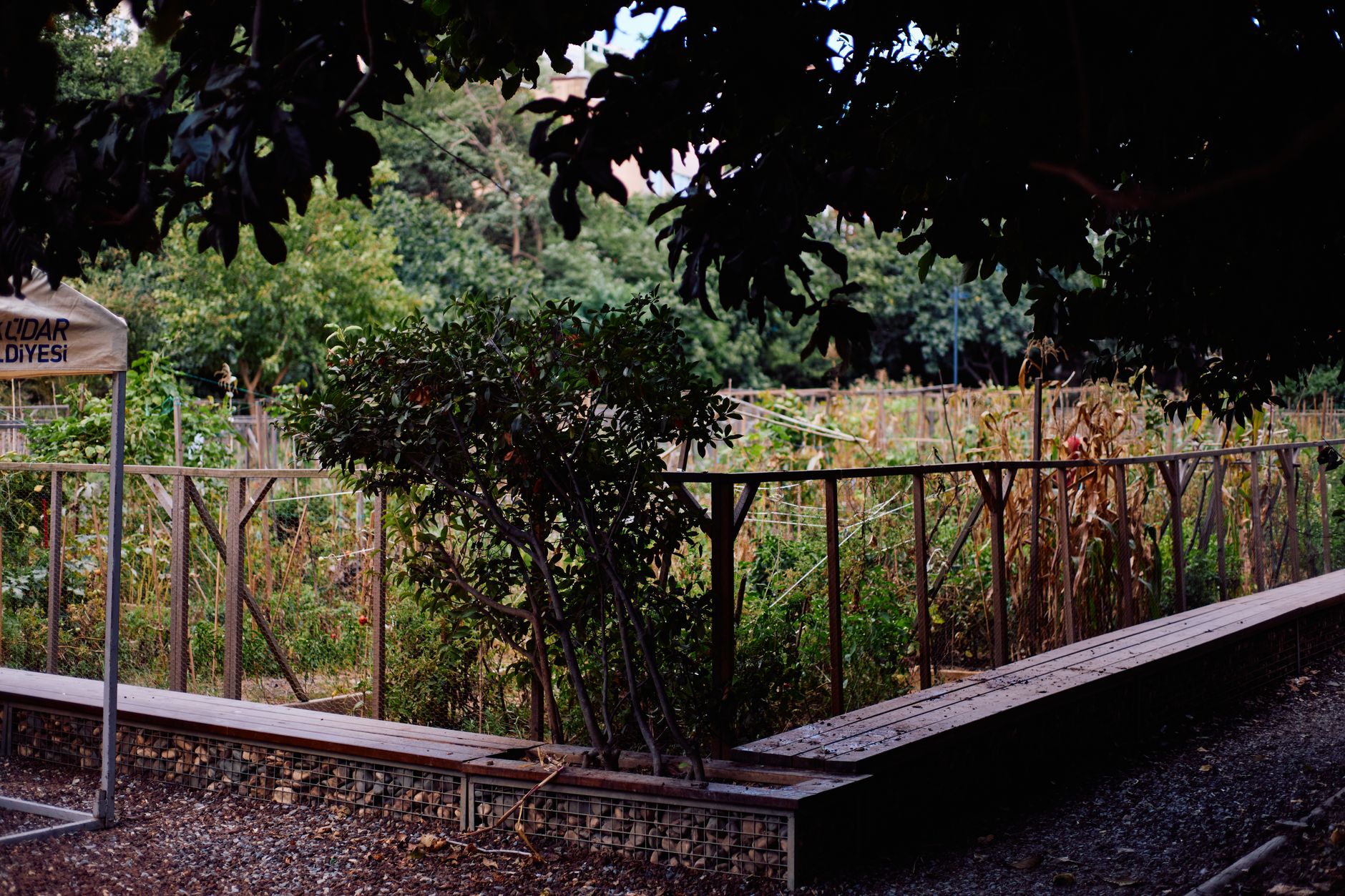
Patients often have access to landscaped gardens or terraces where they can relax and enjoy fresh air, contributing to a sense of well-being and motivation.
Planning Your Rehabilitation Stay: Practical Tips
When planning a rehabilitation stay in Turkey, it is advisable to research hospitals accredited by international organizations such as JCI or TEMOS. Consider the expertise of the rehabilitation team and the availability of specialized equipment. It's also important to discuss the expected duration and cost of the programme upfront.
Ensure you have all necessary medical records translated into Turkish or English, as required. Check visa requirements and travel insurance coverage. Many hospitals provide assistance with visa invitation letters and airport transfers.
Finally, prepare mentally for an intensive rehabilitation process. Set realistic goals and maintain a positive attitude. With Turkey's blend of expert care and warm hospitality, your recovery journey can be both effective and uplifting.
Thinking about treatment in Turkey?
Send us a question about this site or about the information published on it. This is a publisher's mailbox, not a medical service and not a route to a particular provider — for clinical questions, contact your own doctor.