
The Unsung Experts Behind Every Smooth Treatment
When you walk into a Turkish hospital for treatment, your eyes may be drawn to the gleaming equipment, the modern architecture, or the reassuring smile of your surgeon. But behind every comfortable infusion, every painless blood draw, and every safely delivered medication stands a team of specialist nurses whose skill is quietly extraordinary. In Turkey's leading hospitals, vascular access and IV care teams have become a hallmark of clinical excellence.
These nurses are not just general staff. They are highly trained professionals who dedicate their careers to mastering the delicate art and science of accessing the bloodstream. They understand that a patient's veins are a precious resource—especially during complex treatments, long hospital stays, or chronic conditions. Their expertise means fewer needle sticks, less bruising, and a far more comfortable experience for international patients.
For medical travelers, this matters deeply. The anxiety of unfamiliar surroundings and language barriers is often compounded by the fear of needles and IV lines. Knowing that a dedicated team is watching over your vascular health can transform that anxiety into confidence. This guide shines a light on the quiet heroes of your treatment and explains why their presence is a sign of deep clinical professionalism in Turkish healthcare.
What Is a Vascular Access Team?
A vascular access team (VAT) is a specialized group of nurses and clinicians who focus exclusively on obtaining and maintaining reliable access to a patient's veins. In many Turkish hospitals, these teams are available around the clock, ready to assist when a standard IV line is difficult to place or when a patient requires a more advanced device such as a PICC line, midline catheter, or central venous catheter.
The team's responsibilities go far beyond simply inserting a needle. They assess each patient's vein health, review medical history, and choose the most appropriate device for the treatment. They also monitor the line daily for signs of infection, blockage, or dislodgement, and they educate patients on how to protect their line at home if they are discharged with one.
What sets Turkish vascular access teams apart is their proactive approach. Rather than waiting for a crisis, they are often called early to evaluate patients with difficult veins. This preventive mindset reduces complications and ensures that treatment schedules are never delayed because of avoidable access issues.
Education and Certification: The Making of a Turkish IV Specialist
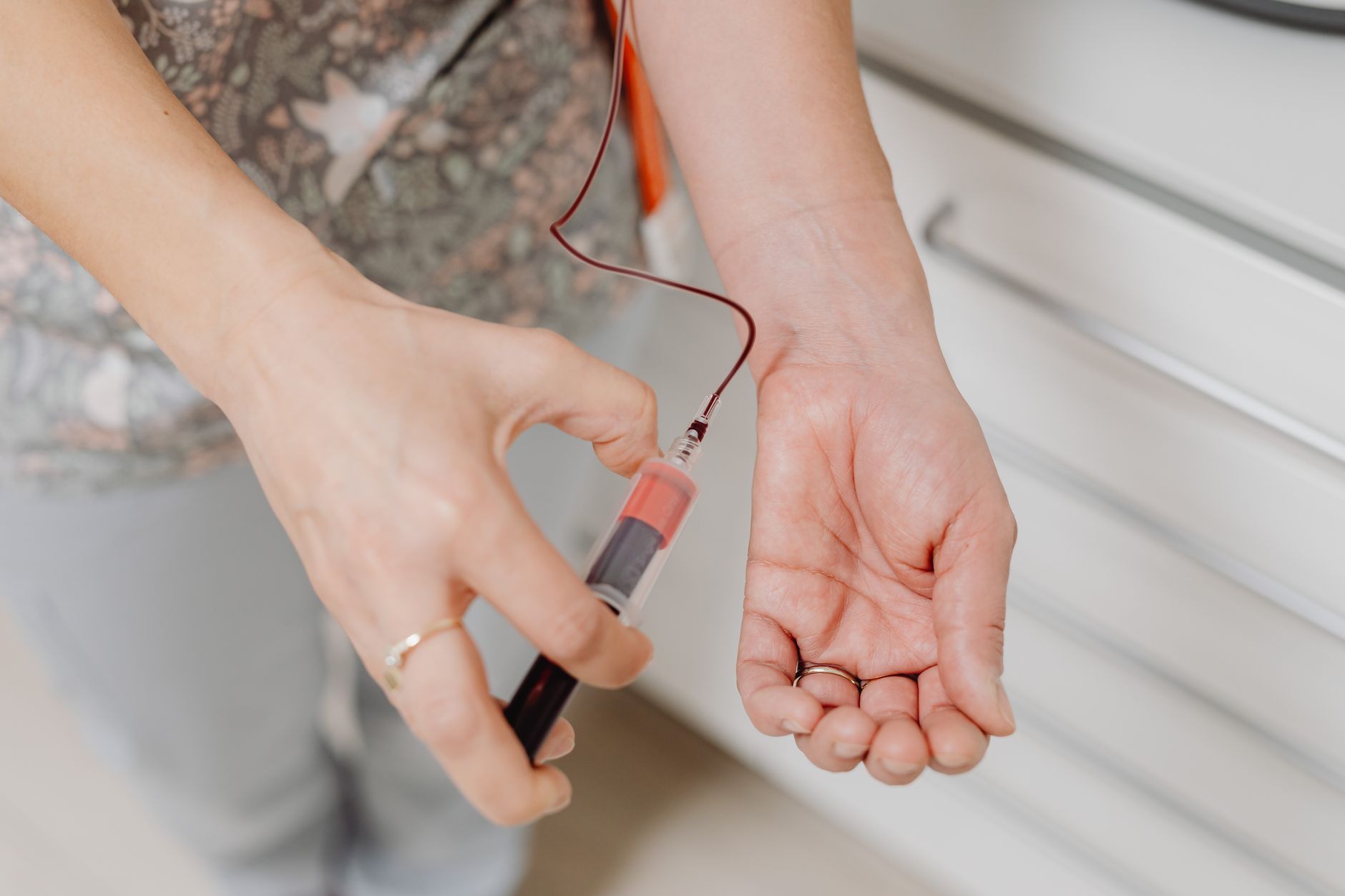
Becoming a vascular access specialist in Turkey requires rigorous training. After completing nursing school, these nurses pursue advanced certification programs that combine classroom theory with supervised clinical practice. Many earn international credentials, such as the Vascular Access Certification (VA-BC) or equivalent European certifications, demonstrating a commitment to global best practices.
Turkish hospitals frequently invest in continuous education for their IV teams. Simulation labs allow nurses to practice ultrasound-guided insertions on sophisticated mannequins before working with patients. Regular workshops cover new catheter technologies, infection control protocols, and evidence-based guidelines from organizations like the Infusion Nurses Society (INS).
Language skills are also part of the training. Many specialists speak English and other languages, enabling clear communication with international patients. They explain each step of the procedure, answer questions, and ensure that patients feel informed and respected. This blend of technical mastery and compassionate communication is what makes Turkish vascular access nurses so effective.
Patient Benefits: Fewer Needles, Better Comfort, Safer Care
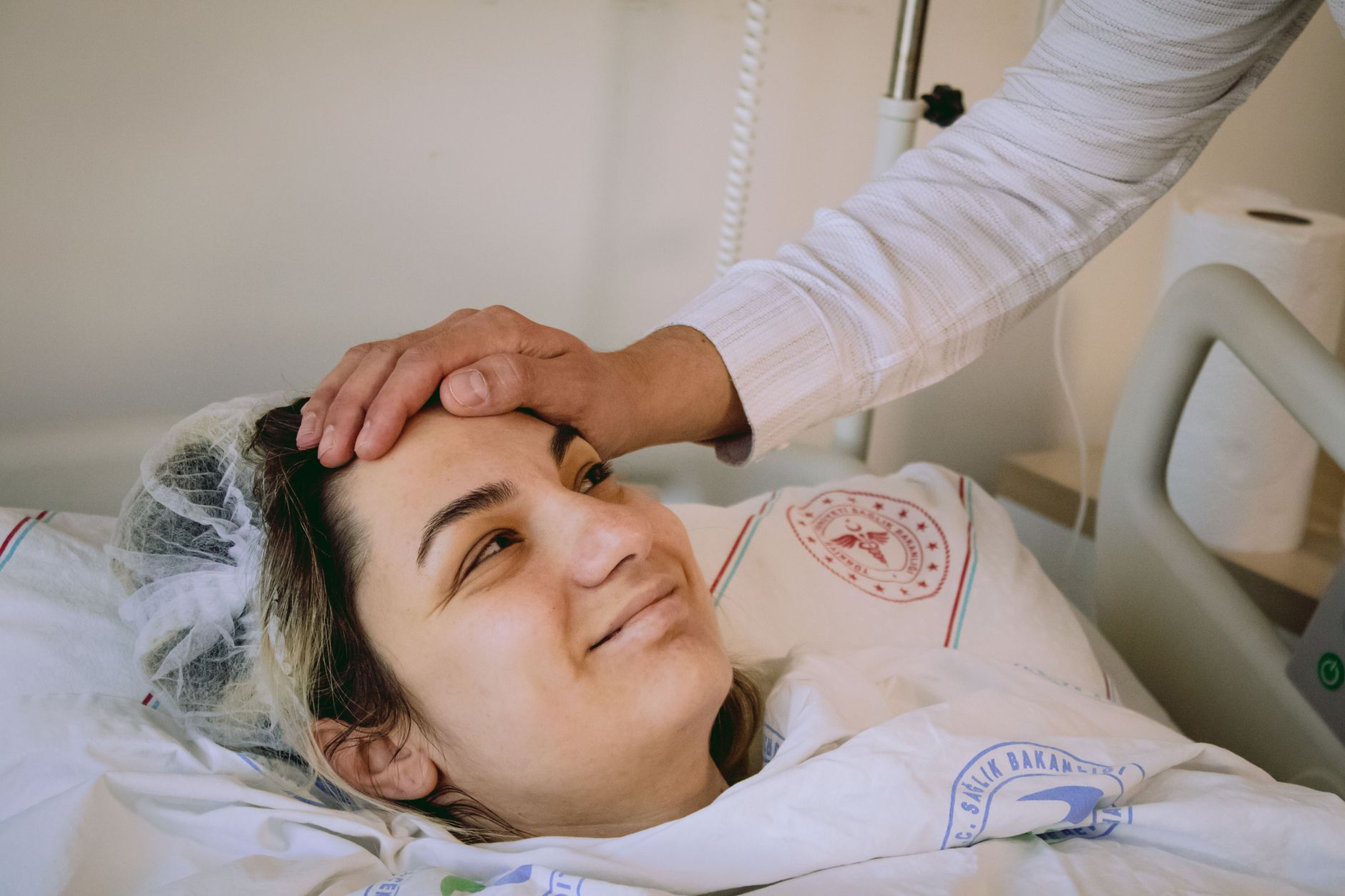
The most immediate benefit of a vascular access team is a dramatic reduction in needle sticks. For patients with difficult veins—whether due to age, illness, dehydration, or a history of chemotherapy—multiple failed attempts can be painful and traumatic. Turkish specialists use advanced tools like ultrasound guidance and near-infrared vein finders to locate veins accurately on the first try.
Beyond comfort, this precision improves safety. Every unnecessary puncture increases the risk of infection, hematoma, and vein damage. By getting it right the first time, the team preserves the patient's veins for future treatments. This is especially important for cancer patients or those requiring long-term intravenous therapies.
Furthermore, specialized teams significantly lower the rate of bloodstream infections associated with central lines. They follow strict sterile protocols, use chlorhexidine-based antiseptics, and employ catheter-securement devices that reduce movement and microbial migration. Studies worldwide show that dedicated vascular access teams reduce complications by up to 50%, and Turkish hospitals proudly contribute to this evidence base.
For medical tourists, these benefits translate into a smoother recovery, less discomfort, and greater peace of mind. You can focus on healing rather than worrying about your next IV.
Advanced Technologies and Techniques Used in Turkish Hospitals
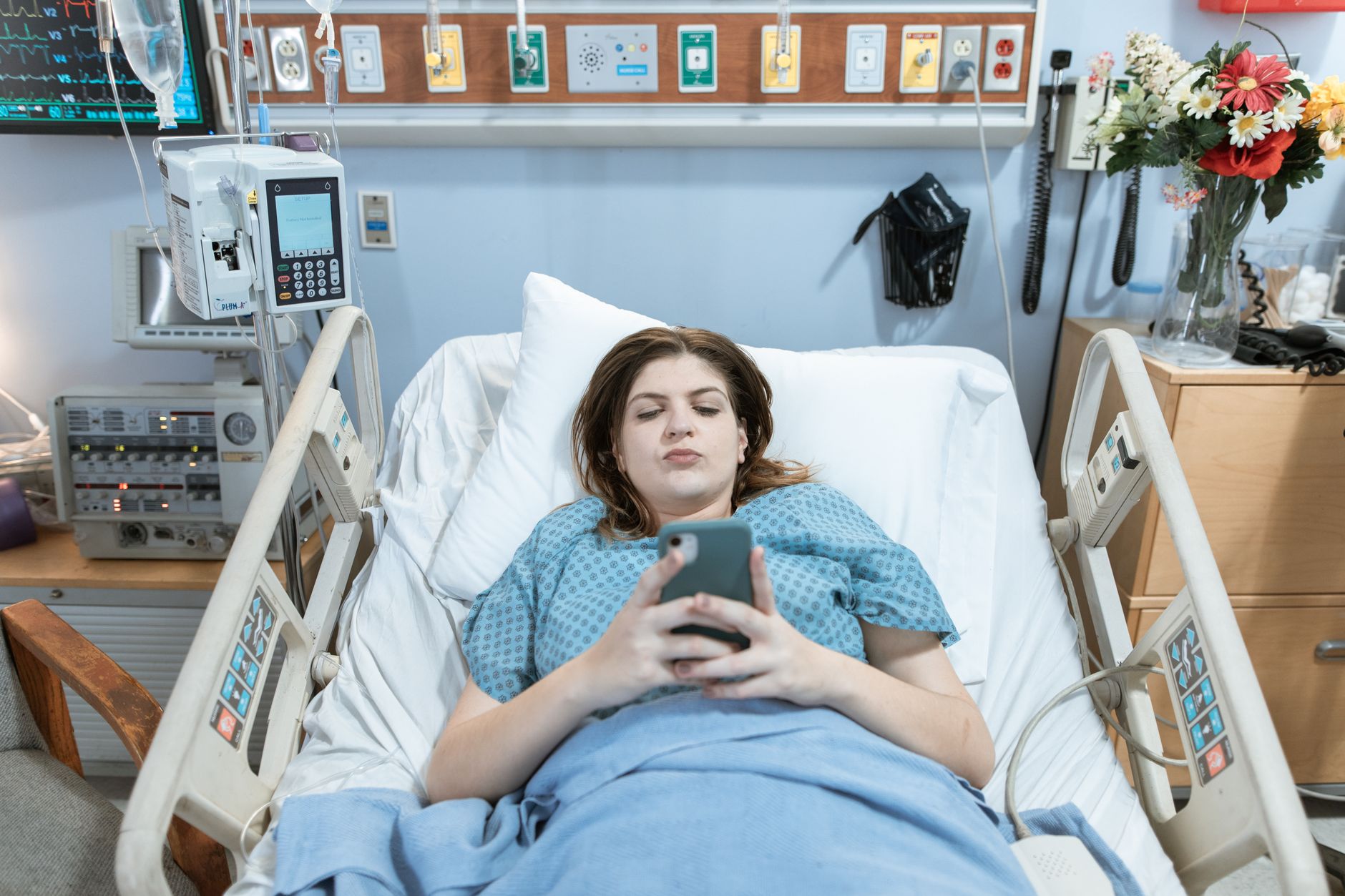
Turkish hospitals are equipped with state-of-the-art vascular access technology. Ultrasound machines with high-frequency linear probes are standard in many wards, allowing nurses to visualize veins deep beneath the skin. This is particularly valuable for patients with obesity, edema, or previous vessel damage.
Another innovation is the use of midline catheters and PICC lines for medium- to long-term therapies. These devices are inserted in the upper arm and can remain in place for weeks or months, eliminating the need for repeated peripheral sticks. Turkish vascular access nurses are experts in placing these lines with minimal discomfort, often using a modified Seldinger technique and micro-introducer kits.
For patients requiring frequent blood draws, the team may recommend a port-a-cath or an implanted port. These fully implantable devices sit under the skin and provide reliable access for years. The nurses not only insert and maintain these ports but also teach patients how to live comfortably with them.
In addition, many Turkish hospitals have adopted electronic health records that flag patients with difficult IV access, ensuring that the vascular access team is automatically consulted. This integrated approach reflects a healthcare system that values efficiency and patient-centered care.
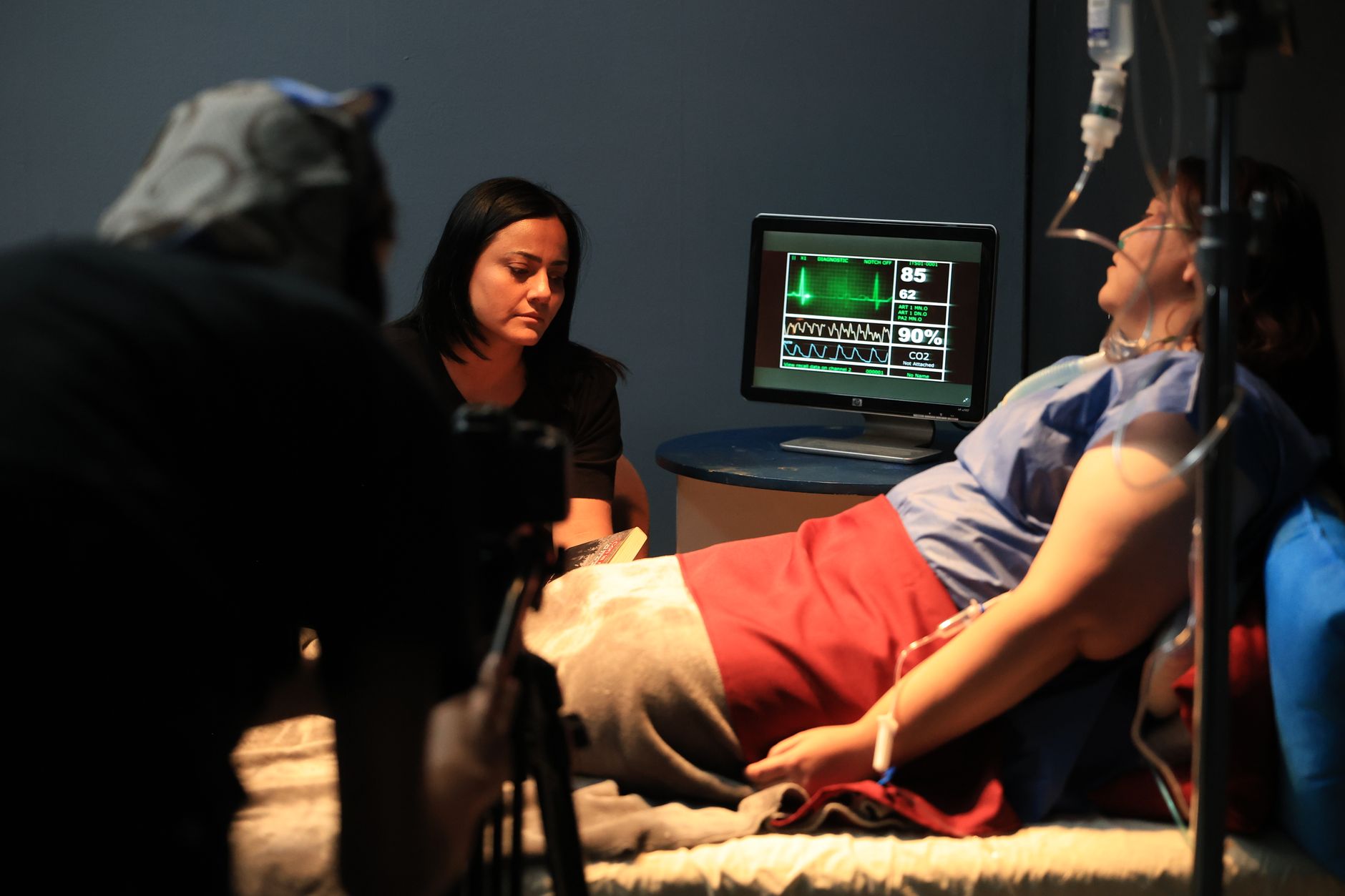
The Quiet Heroism of Daily Practice
The work of vascular access nurses is often invisible to patients and families. They arrive early in the morning to assess lines before rounds, they respond to urgent calls when an IV infiltrates, and they stay late to troubleshoot a stubborn catheter. Their calm demeanor and precise movements mask the complexity of what they do.
Consider a typical day: a nurse might start with a premature infant in the NICU, whose veins are thinner than a thread, then move to an elderly chemotherapy patient whose veins are fragile and scarred. Later, they might assist in the operating room, placing a central line for a cardiac surgery patient. Each case demands a different skill set, yet the same steady hands and focused mind.
Turkish vascular access nurses also serve as educators and mentors. They train general ward nurses in basic IV insertion and maintenance, raising the standard of care across the hospital. They conduct research, publish in journals, and present at conferences. Their quiet dedication elevates the entire nursing profession in Turkey.
For international patients, interacting with these specialists is often a highlight of their stay. Many recall the gentle reassurance, the flawless technique, and the genuine kindness. It is this human touch that transforms a clinical procedure into a moment of trust.
What This Means for Medical Travelers to Turkey
If you are considering treatment in Turkey, the presence of a dedicated vascular access team should be high on your list of quality indicators. It signals a hospital that invests in patient safety, comfort, and clinical excellence. It also means that you are less likely to experience the stress of multiple needle attempts or IV complications.
When researching hospitals, look for accreditation from JCI, ISO, or the Turkish Ministry of Health's international health tourism authorization. Ask whether the hospital has a vascular access team and how it is staffed. Many top hospitals in Istanbul, Ankara, and Izmir proudly highlight their IV therapy teams on their websites.
Upon arrival, do not hesitate to share your concerns about needles or past difficult experiences. The team will listen and adapt. They may use a topical anesthetic, a smaller gauge needle, or ultrasound guidance to ensure your comfort. Your feedback helps them tailor care to your needs.
Ultimately, the quiet heroes of Turkish hospitals are a testament to the country's commitment to world-class healthcare. They may not seek the spotlight, but their impact on your treatment journey is profound. From the first gentle touch to the final removal of your line, they are with you—protecting your veins, your comfort, and your safety.
Conclusion: Celebrating Excellence in Every Vein
Turkish hospitals have earned a reputation for combining advanced medicine with warm hospitality. The vascular access and IV care teams embody this fusion perfectly. They are highly skilled, deeply compassionate, and relentlessly dedicated to doing the small things right. For medical tourists, their presence is a quiet promise: you will be cared for with precision and kindness.
So the next time you see a nurse adjusting an IV line, take a moment to appreciate the expertise behind that simple action. In Turkey, that nurse is likely part of an elite team whose training and technology rival the best in the world. They are the quiet heroes of your treatment, and they deserve our admiration.
Thinking about treatment in Turkey?
Share your contact details and a verified doctor will follow up with a plan built around you — free, no obligation.