

Why Language Support Is a Cornerstone of Turkish Medical Tourism
Türkiye has become one of the world's most trusted destinations for medical tourism, not only because of advanced technology and skilled specialists, but because of a genuine culture of hospitality. At the heart of that culture is communication. Turkish hospitals that serve international patients understand that clear, accurate language support is not a luxury — it is a patient safety requirement. When you travel abroad for surgery, fertility treatment, dental work, or a complex diagnosis, understanding every instruction, every risk, and every follow-up step is essential.
This is why Türkiye's leading medical-tourism hospitals — particularly those in Istanbul, Ankara, and Antalya — provide multilingual interpreters in Arabic, English, German, Russian, French, and many other languages, often as standard for international patients. These are not ad-hoc arrangements. They are embedded services, with trained medical interpreters who understand terminology, consent, and the emotional weight of a health decision made far from home.
In this guide, we explain how interpretation works in Turkish healthcare, how to request it for consultations, consent forms, and discharge instructions, and how companion-focused support keeps family members informed and reassured. This is a story of patient-centred care that goes beyond translation — it is about being heard, understood, and respected.
Multilingual Interpreting as a Standard, Not an Extra
Many international hospitals in Türkiye employ full-time interpreters and translators who are assigned to international patient departments. When you contact a hospital through its international office, you are typically connected with a coordinator who speaks your language and remains your point of contact throughout your journey. These coordinators arrange appointments, explain pricing, and ensure that your medical team receives accurate information.
Arabic, English, German, Russian, and French are the most commonly available languages, reflecting the main source markets for Turkish medical tourism. However, leading hospitals also have access to interpreters for Spanish, Italian, Persian, Azerbaijani, Dutch, Romanian, Bulgarian, and other languages. Some facilities use a network of on-call interpreters to cover less common languages, and a few use remote interpretation via video or phone when an in-person interpreter is not immediately available.
Critically, these interpreters are trained in medical terminology. They are not simply bilingual staff pulled from other departments. They understand the difference between a “stent” and a “stint,” between “benign” and “malignant,” and they know how to convey nuance and uncertainty without altering the message. This level of professionalism is a key reason why patients from Europe, the Middle East, and Central Asia return to Türkiye year after year.

How to Request Interpretation for Consultations
Requesting an interpreter should be straightforward. When you first contact a hospital — by email, WhatsApp, or through an online form — state your preferred language clearly. Most international patient departments will then assign a coordinator who speaks that language and will confirm whether an interpreter will be present for your consultations, either in person or by phone.
Before your appointment, prepare a list of questions and concerns. Share this list with your coordinator in advance so the interpreter can review any specialised vocabulary. During the consultation, the interpreter will interpret everything the doctor says and everything you say. You should feel free to ask for clarification at any time. If something is unclear, say: “Please ask the doctor to explain that again in simpler terms.” A good medical interpreter will welcome this and will ensure the doctor slows down or rephrases.
It is also helpful to ask whether the interpreter will be present for the entire consultation or only part of it. In some hospitals, the interpreter stays with you from admission to discharge; in others, they are available on request. If you have a preference, make it known. Leading hospitals will accommodate reasonable requests because they know that communication is central to trust.
For remote consultations — increasingly common for second opinions — hospitals often provide video interpretation or a three-way call with an interpreter. This allows you to speak directly with a specialist before travelling, so you can make an informed decision about whether to proceed.

Consent Forms: Understanding Every Word Before You Sign
Informed consent is a legal and ethical cornerstone of medicine. In Türkiye, as in most countries, you must understand the procedure, its risks, benefits, and alternatives before you sign a consent form. Hospitals that treat international patients therefore provide translated consent forms and, where needed, an interpreter to walk you through each section.
Translated forms are valuable, but they are not always enough. Medical language can be complex, and a written translation may not capture every nuance. That is why best-practice hospitals pair translated documents with a live interpreter who can answer your questions. The interpreter will read through the form with you, explain each clause, and confirm that you understand. You should never feel rushed. If you need more time, ask for it.
Some hospitals also offer a “teach-back” method: after explaining the procedure, the interpreter asks you to repeat it in your own words. This confirms that the message has been understood, not just delivered. It is a simple but powerful way to reduce misunderstandings and improve safety.
If you are signing on behalf of someone else — for example, a parent or an adult child — the hospital will explain the legal requirements and may require additional documentation. Interpreters are often involved in these discussions to ensure that all parties understand their rights and responsibilities.
Discharge Instructions: Clear Guidance for Recovery
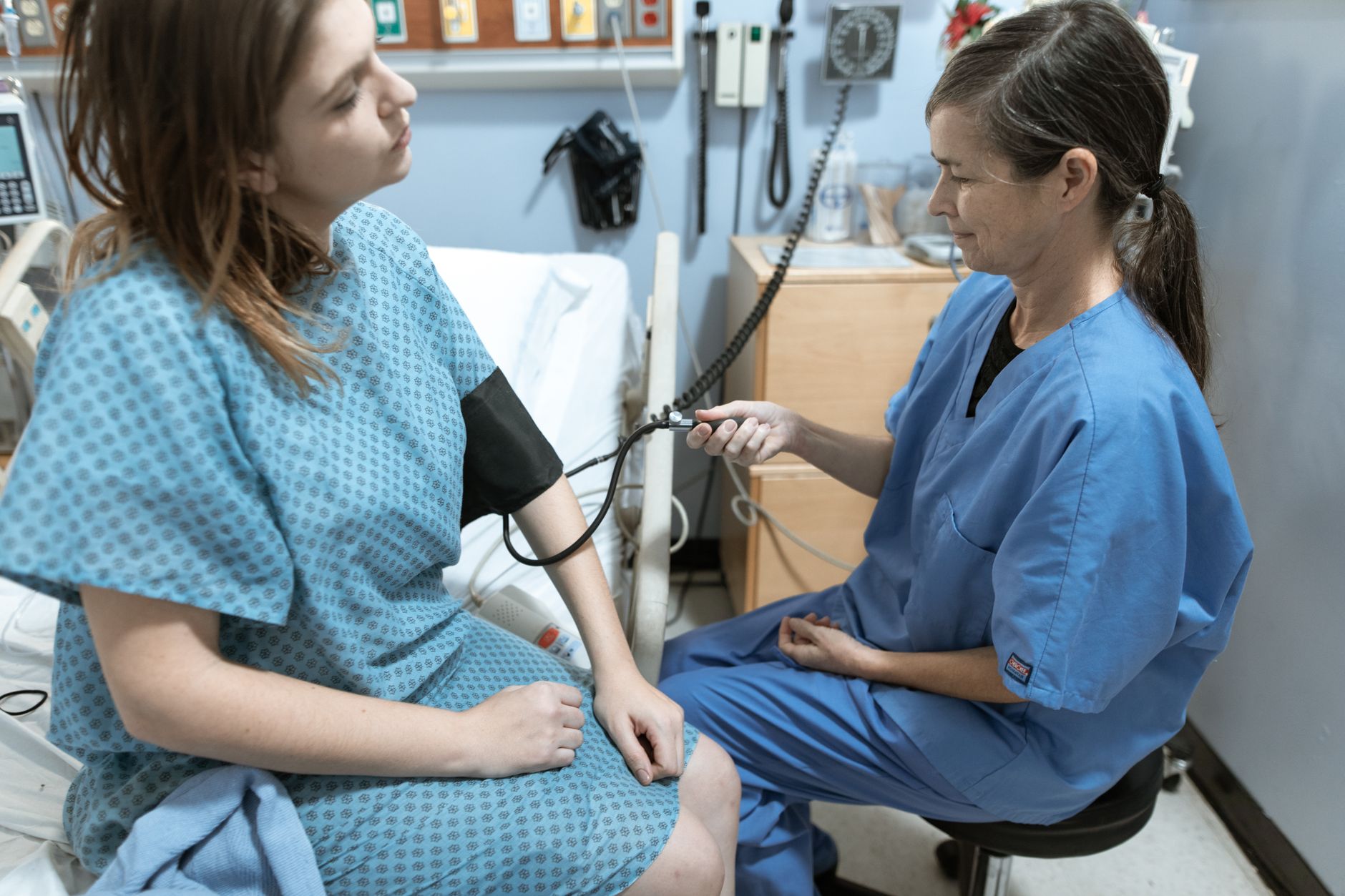
Discharge is a critical moment. You may be feeling tired, anxious to go home, or overwhelmed by information. The last thing you need is confusion about medication, wound care, diet, or follow-up appointments. Turkish hospitals with international patient services provide discharge instructions in your language, both verbally and in writing, and often follow up by phone or email after you return home.
An interpreter will typically sit with you during discharge, going through each instruction step by step. They will explain how to take medications, what side effects to watch for, when to seek urgent care, and how to contact the hospital if you have questions. You will receive a written discharge summary in your language, which you can share with your local doctor.
If you are travelling with a companion, the interpreter can include them in the discharge conversation. This is especially helpful for patients who may be drowsy after anaesthesia or who simply want a family member to help remember details. Companions can ask questions, take notes, and serve as a second set of ears.
Many hospitals also offer telemedicine follow-ups with interpretation, so you can speak with your surgeon or specialist after you return home. This continuity of care is a hallmark of Türkiye's patient-centred approach.
Companion-Focused Support: Keeping Family Informed
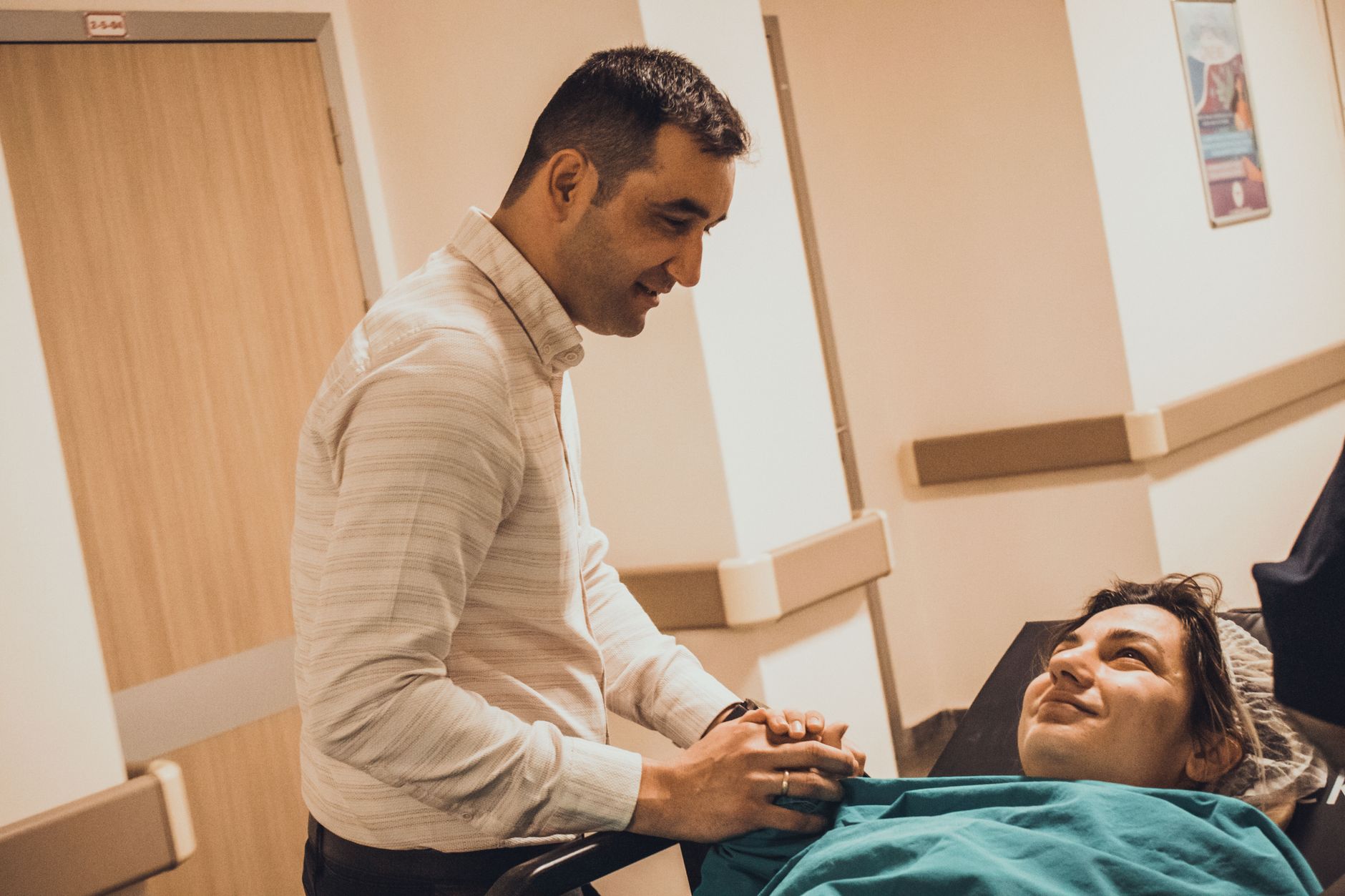
Medical travel affects not only the patient but also the family. Turkish hospitals recognise that companions — spouses, parents, adult children, or friends — play a vital role in recovery. That is why interpretation services often extend to companions, ensuring they understand the diagnosis, treatment plan, and what to expect during recovery.
Companion-focused support can include separate briefings with the medical team, translated educational materials, and access to the same interpreter who assists the patient. This keeps everyone aligned and reduces the anxiety that comes from incomplete information. It also allows companions to ask questions they might not want to raise in front of the patient, such as questions about prognosis or long-term care.
In many hospitals, international patient coordinators also help with practical matters: accommodation, transport, SIM cards, and local SIM cards, so companions can focus on supporting the patient rather than navigating logistics. This holistic approach reflects the Turkish tradition of misafirperverlik — hospitality — which treats guests as family.
For paediatric patients, interpreters often work with child-life specialists to explain procedures in age-appropriate language. For elderly patients, interpreters may speak more slowly and check understanding more frequently. The goal is always the same: to make sure no one feels lost or forgotten.
What to Do If You Need an Interpreter: A Step-by-Step Checklist
To make the most of interpretation services, follow these steps:
- Ask early: When you first contact the hospital, state your language and whether you need an interpreter for consultations, consent, and discharge.
- Confirm the arrangement: Ask who will interpret, whether they are medically trained, and whether they will be present in person or remotely.
- Prepare your questions: Write down your concerns and share them with your coordinator before the appointment.
- Speak directly to the doctor: Look at the doctor, not the interpreter, and speak in the first person. The interpreter will convey your words accurately.
- Ask for clarification: If you do not understand, say so. Ask for simpler language or a written summary.
- Include your companion: Invite your companion to join discussions, especially during discharge and follow-up planning.
- Keep documents: Collect translated consent forms, discharge summaries, and contact information for follow-up.
By following these steps, you can communicate with confidence and focus on what matters most: your health and recovery.
The Reassurance of Being Understood
Language support in Turkish healthcare is more than a service — it is an expression of respect. When a hospital provides an interpreter in your native language, it says: we see you, we hear you, and we are committed to your safety and comfort. This is the culture that has made Türkiye a global leader in medical tourism.
Patients who travel for care often describe feeling vulnerable. A familiar language can be a lifeline. It transforms a foreign hospital into a place where you can ask questions, express fears, and make informed decisions. It allows you to be a partner in your care, not just a recipient.
As you plan your medical journey to Türkiye, ask about language support. Expect it. Leading hospitals provide it as standard, and they do so with warmth and professionalism. That is the reassurance that comes from genuine patient-centred care — and it is one of the many reasons why international patients choose Türkiye with confidence.
Thinking about treatment in Turkey?
Send us a question about this site or about the information published on it. This is a publisher's mailbox, not a medical service and not a route to a particular provider — for clinical questions, contact your own doctor.