
Why Türkiye Leads in Vascular and Aesthetic Phlebology Care
Türkiye has quietly become one of the world's most respected destinations for vascular medicine, and varicose vein treatment sits at the heart of that reputation. Turkish clinics combine European clinical standards with advanced technology, and many physicians have trained or practised abroad, bringing international protocols home. Patients from Europe, the Gulf, and North America increasingly choose Istanbul not only for the procedure itself but for the entire experience — from diagnosis to a comfortable recovery in a city that knows how to welcome visitors.
Aesthetic phlebology, the branch that treats both the medical and cosmetic aspects of vein disease, has flourished here. Clinics specialise in everything from tiny spider veins to complex venous insufficiency, using minimally invasive techniques that leave little more than a tiny puncture mark. Because these procedures are performed in fully equipped day-surgery centres, most patients walk in and walk out the same day, with no general anaesthesia and no overnight hospital stay.
What truly sets Turkish vascular clinics apart is the combination of expertise and hospitality. Appointments are often available within days, waiting lists are short, and the cost is typically 50–70% lower than in Western Europe or the United States — without compromising on equipment, sterilisation, or aftercare. For a medical traveller, that translates into less time off work, more affordable treatment, and a genuinely pleasant trip.
Understanding Modern Vein Treatment: Endovenous Laser and Beyond
Gone are the days when varicose veins meant painful stripping surgery and weeks of downtime. Today's Turkish clinics rely on endovenous laser ablation (EVLA), a technique that uses a thin fibre to deliver precise laser energy inside the vein. The vein gently closes, blood is rerouted to healthy vessels, and the treated vein is gradually absorbed by the body. The procedure takes 30–60 minutes for a single leg, and patients walk out of the clinic unaided.
Complementary techniques are often combined in a single session. Radiofrequency ablation (RFA) offers similar results with controlled heat. Ultrasound-guided foam sclerotherapy is used for smaller veins and tortuous branches, while microsclerotherapy tackles spider veins with ultra-fine needles. For larger, bulging veins, phlebectomy — tiny incisions that remove the vein through a 2–3 mm opening — may be added. Because these approaches are minimally invasive, there is no need for stitches, and scarring is virtually invisible.
Turkish vascular surgeons are also skilled in treating chronic venous insufficiency, venous ulcers, and deep vein thrombosis prevention. Diagnostic ultrasound is performed on-site, often on the same day as your consultation, so a personalised treatment plan can be created immediately. Many clinics use 3D vein mapping and digital imaging to plan the most effective and aesthetic outcome.
Importantly, all procedures are performed under local anaesthesia with optional light sedation. You remain awake and comfortable, able to communicate with the team. The anaesthetic is delivered as a tumescent solution, which numbs the area and reduces bruising, so post-procedure discomfort is minimal.
Walk-In, Walk-Out: What Your Treatment Day Looks Like
Your day typically begins with a thorough consultation and duplex ultrasound scan. The vascular specialist reviews your medical history, assesses your veins, and explains exactly which technique will be used and why. You will see the images on screen and can ask questions freely — English-speaking staff are standard in Istanbul's medical tourism clinics.
Once you consent, you change into a comfortable gown. The treatment area is cleaned and local anaesthesia is administered. The procedure itself is surprisingly quick: most patients are surprised at how little they feel. You might sense a slight warmth or a mild tugging sensation, but pain is rare. The team monitors you throughout, and you can watch a film or listen to music if you prefer.
After the procedure, you are fitted with a compression stocking, which you will wear for a few days to support healthy circulation and reduce swelling. You are then encouraged to walk — in fact, walking immediately is part of the recovery protocol. Many patients stop for a coffee or a light meal on the way back to their hotel. There is no need for a hospital bed, no drains, and no grogginess from general anaesthesia.
Before you leave, you receive a written aftercare plan, a direct phone number for the clinic, and a follow-up appointment — usually within 48–72 hours — to check your healing. If you are flying home soon after, the clinic will advise on flight timing and compression. Most people are cleared to fly within 2–3 days for short-haul and 5–7 days for long-haul, depending on the extent of treatment.
Recovery in Istanbul: A Gentle Few Days in a Beautiful City
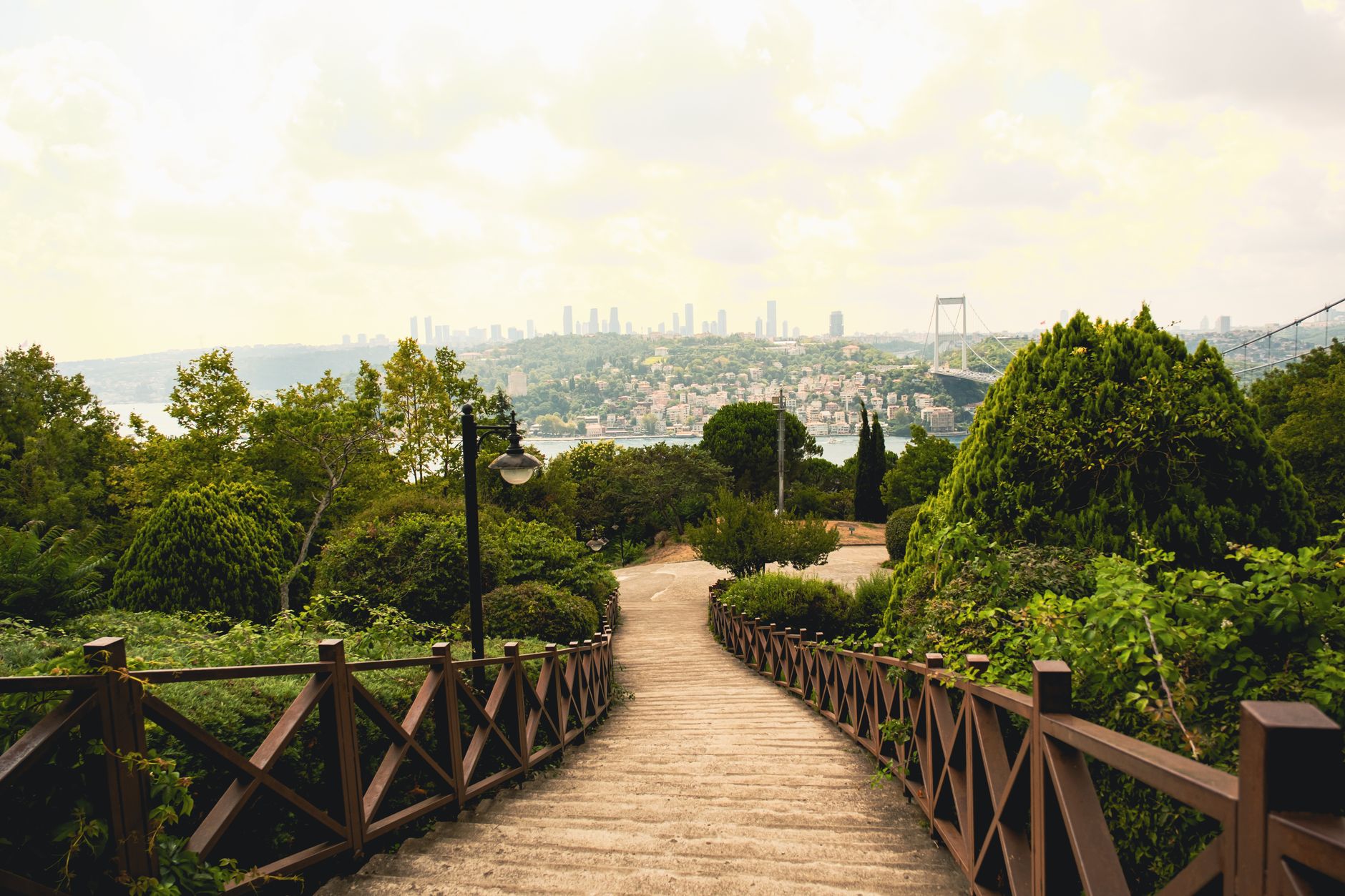
One of the most appealing aspects of vein treatment in Türkiye is that recovery can be combined with a relaxed mini-holiday. Because the procedure is so gentle, you are mobile right away. Istanbul's mild climate, walkable neighbourhoods, and excellent hotels make it easy to enjoy a few slow days while your body heals. Think of it as a wellness retreat with a medical purpose.
Your clinic will recommend gentle walking — 20–30 minutes several times a day — which is actually beneficial for circulation. This means you can stroll along the Bosphorus, wander through the gardens of Topkapı Palace, or take a short, seated boat tour. Avoid heavy lifting, standing still for long periods, and strenuous exercise for about a week, but light sightseeing is perfectly fine. Many patients report that the walking helped them feel normal faster.
Istanbul is also a paradise for comfortable dining. You can enjoy fresh Mediterranean cuisine, herbal teas, and plenty of water — all of which support recovery. Turkish hospitals and clinics often partner with nearby hotels to offer medical-tourism packages that include transfers, accommodation, and a nurse check-in. Some clinics even provide a companion to accompany you on a gentle city walk if you are travelling alone.
If you have more time, a few days in Izmir or Antalya can be a lovely extension. Both cities have reputable vascular clinics and a slower pace, with sea air and sunshine that make recovery feel like a holiday. Just be sure to keep your compression stockings on and follow your doctor's advice about sun exposure and swimming — usually a short pause of 1–2 weeks for pools and sea.
Why Patients Choose Turkish Clinics: Expertise, Technology, and Value
Turkish vascular clinics invest heavily in the latest equipment. You will find the same laser platforms, radiofrequency generators, and ultrasound systems used in top European hospitals, often updated more frequently because competition is strong. Clinics are accredited by the Turkish Ministry of Health and many hold international quality certificates. Sterilisation protocols are rigorous, and single-use instruments are the norm.
Surgeons are highly specialised. Rather than general surgeons performing occasional vein procedures, you will meet physicians who treat venous disease every day. Many are members of international societies such as the European Venous Forum or the American Venous Forum, and they attend global conferences to stay at the forefront of technique. This depth of focus translates into better outcomes and fewer complications.
Cost is a significant factor, but it is not the only one. A comprehensive treatment package in Istanbul — including consultation, ultrasound, the procedure, compression garments, and follow-up — often costs less than the consultation alone in some countries. Patients frequently use the savings to upgrade their flights, stay in a nicer hotel, or extend their trip. Transparency is key: reputable clinics provide a written quote before you travel, with no hidden fees.
Finally, the patient experience is designed for travellers. From airport pickup to multilingual staff to quick appointment scheduling, Turkish clinics have refined medical tourism into a smooth, supportive service. You are not just a case number; you are a guest whose comfort matters.
Planning Your Trip: Practical Steps for a Smooth Experience
Start by researching clinics and checking reviews from international patients. Look for board-certified vascular surgeons, clear before-and-after photos, and detailed descriptions of the techniques offered. Contact two or three clinics with your medical history and ask for a preliminary assessment. Most will request photos of your legs and a recent ultrasound report, if available, and can provide a provisional plan and quote by email.
Once you choose a clinic, coordinate your dates. A typical stay for vein treatment is 3–5 days: day one for consultation and diagnostics, day two for the procedure, day three for a follow-up check, and then you are free to explore or fly home. If you are treating both legs or have more extensive disease, allow an extra day or two. Book accommodation near the clinic to minimise travel on treatment day.
Prepare for your trip by wearing loose clothing, bringing comfortable flat shoes, and packing your compression stockings if you already own them (the clinic will provide new ones if needed). Stay hydrated before and after the procedure, and avoid alcohol for a few days. If you take blood-thinning medication, inform the clinic well in advance so they can advise you on management.
After you return home, keep in touch with your clinic. Most offer online follow-ups via video call, and they will send your medical report to your local doctor if you wish. Long-term results are excellent: over 95% of treated veins remain closed after five years when patients follow aftercare advice. With modern techniques and Türkiye's expert care, you can say goodbye to varicose veins and hello to comfortable, confident legs — all while enjoying a memorable trip.
Thinking about treatment in Turkey?
Share your contact details and a verified doctor will follow up with a plan built around you — free, no obligation.