

Why Türkiye for Burn Treatment and Reconstructive Surgery?
Türkiye has emerged as a leading destination for burn treatment and reconstructive surgery, combining highly specialised medical teams with state-of-the-art technology and a patient-centred approach. The country's burn units are equipped to handle the most complex cases, from extensive thermal injuries to electrical and chemical burns, offering comprehensive care that spans acute treatment, reconstructive surgery, and rehabilitation. Turkish clinics are known for their compassionate, staged care, ensuring that each patient's journey is carefully planned and executed.
What sets Türkiye apart is the integration of advanced medical techniques with a deep understanding of the psychological and emotional needs of burn survivors. Multidisciplinary teams, including plastic surgeons, burn specialists, nurses, physiotherapists, and psychologists, work together to provide holistic care. The use of cutting-edge technologies such as laser therapy, skin substitutes, and microsurgery further enhances outcomes, making Türkiye a preferred choice for patients seeking high-quality, affordable care.
Moreover, Türkiye's geographic location bridges Europe and Asia, making it easily accessible from many parts of the world. The country's modern healthcare infrastructure, coupled with a warm hospitality culture, ensures that international patients feel welcomed and supported throughout their treatment journey. Whether you are seeking acute burn care or complex reconstructive procedures, Türkiye's specialised centres offer a blend of expertise, innovation, and empathy that is hard to match.
Understanding Burn Injuries: Types, Severity, and Treatment Approaches
Burn injuries vary widely in cause and severity, and understanding these differences is crucial for effective treatment. Thermal burns, caused by flames, hot liquids, or contact with hot objects, are the most common. Chemical burns result from contact with acids, alkalis, or other corrosive substances, while electrical burns occur when electrical current passes through the body. Each type requires specific management strategies, and Turkish burn centres are adept at tailoring treatment to the individual case.
Severity is classified by the depth of tissue damage and the total body surface area (TBSA) affected. Superficial burns (first-degree) involve only the epidermis and typically heal on their own. Partial-thickness burns (second-degree) affect the epidermis and part of the dermis, often requiring specialised dressings or surgery. Full-thickness burns (third-degree) destroy the entire dermis and require skin grafting. Fourth-degree burns extend into underlying tissues, such as muscle or bone, and demand complex reconstructive procedures.
In Türkiye, burn treatment begins with a thorough assessment to determine the type and severity of the injury, followed by a personalised treatment plan. This may include fluid resuscitation, wound care, infection control, and pain management in the acute phase. For deeper burns, early excision and grafting are performed to promote healing and reduce scarring. Reconstructive surgery may be needed later to address functional and aesthetic concerns, and Turkish surgeons are skilled in a range of techniques, from skin grafts to advanced flap procedures.
How Treatment Plans Are Sequenced: From Acute Care to Reconstruction
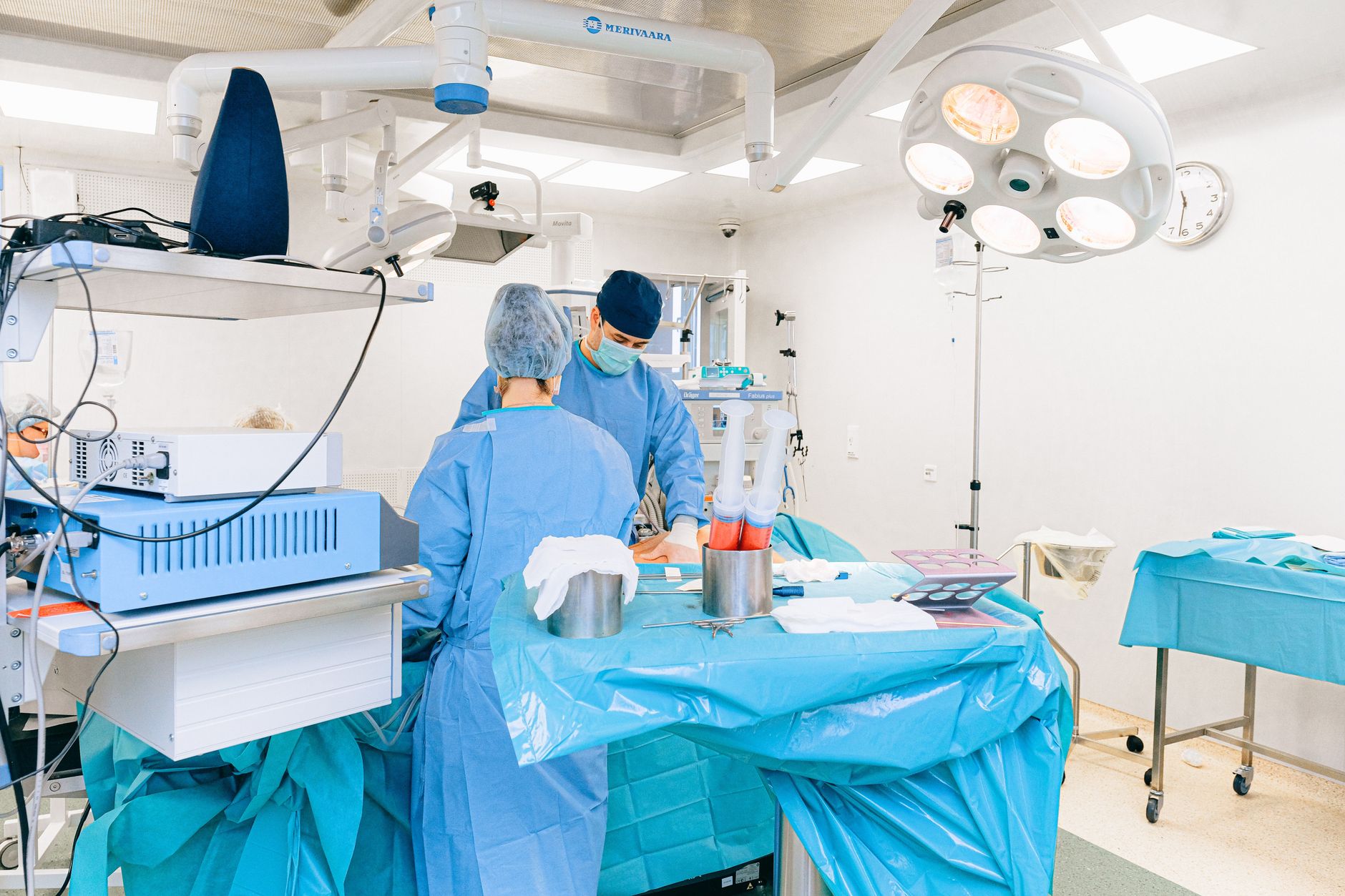
In Türkiye's burn centres, treatment is delivered in carefully sequenced stages to optimise outcomes and patient comfort. The journey typically begins with the acute phase, where the focus is on stabilising the patient, preventing infection, and promoting wound healing. This phase may involve surgical debridement, temporary wound coverage with biological or synthetic dressings, and meticulous wound care. The team continuously monitors progress and adjusts the plan as needed.
Once the wound bed is ready, reconstructive surgery is planned. This often involves skin grafting, where healthy skin is taken from a donor site on the patient's body and transplanted to the burn wound. For more complex defects, especially those involving joints, tendons, or bones, flap surgery may be employed. Flaps involve transferring tissue with its blood supply to the damaged area, and Turkish microsurgeons are highly experienced in these procedures. The timing of surgery is critical and is determined by the patient's overall health and the condition of the wound.
After reconstruction, the focus shifts to rehabilitation and scar management. This staged approach ensures that each step builds upon the previous one, leading to better functional and cosmetic results. Turkish clinics emphasise clear communication with patients and their families, explaining each stage and setting realistic expectations. The entire process may take weeks to months, depending on the severity of the burns, and the team remains dedicated throughout.
Dressing and Skin-Graft Follow-Up: What to Expect
Proper wound care and follow-up are essential for successful burn treatment and skin graft survival. After surgery, the graft site is carefully monitored for signs of infection, graft take, and healing. Turkish burn centres use advanced dressing materials that promote a moist wound environment, reduce pain, and facilitate healing. These may include antimicrobial dressings, foam dressings, and biological skin substitutes. Patients receive detailed instructions on how to care for the grafts at home, including cleaning, moisturising, and protecting the area from sun exposure.
Follow-up appointments are scheduled regularly to assess graft integration and address any complications. During these visits, the medical team may perform minor debridement, change dressings, and provide scar management therapies. Scar management is a crucial component of follow-up and may involve silicone gel sheets, pressure garments, massage, and laser therapy. Turkish clinics often provide comprehensive scar care programmes tailored to each patient's needs, helping to minimise hypertrophic scarring and contractures.
For international patients, Turkish clinics offer structured follow-up plans that can be coordinated with local healthcare providers. Before returning home, patients receive a detailed care plan, including instructions for wound care, medication schedules, and when to seek medical attention. Many clinics also offer telemedicine consultations for remote follow-up, ensuring continuity of care even after the patient has left Türkiye.
Rehabilitation and Coordination: Preparing for the Journey Home
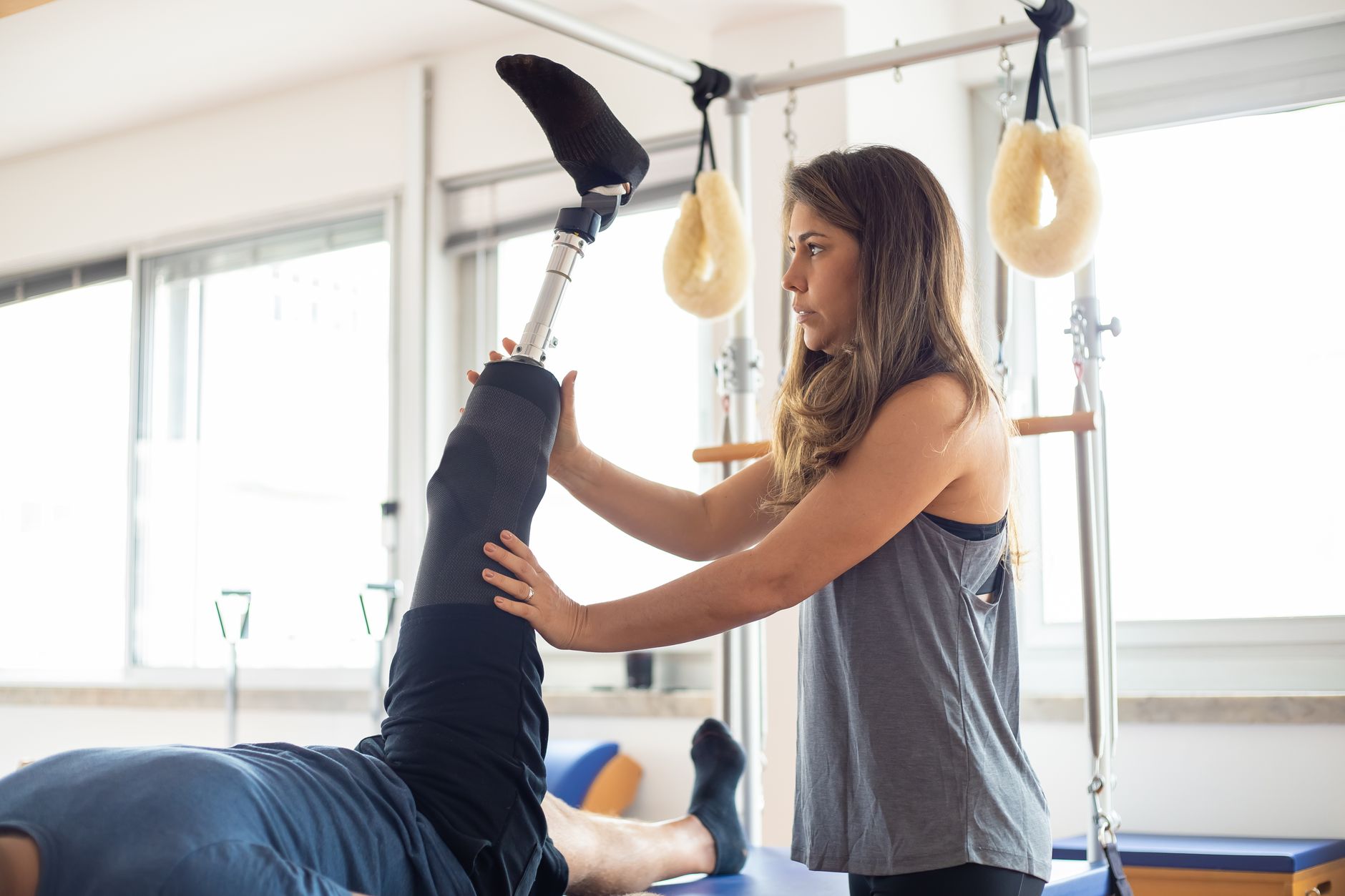
Rehabilitation is a cornerstone of recovery after severe burns, and Turkish centres place a strong emphasis on early mobilisation and functional restoration. Physiotherapy and occupational therapy are initiated as soon as the patient is stable, focusing on maintaining joint mobility, muscle strength, and independence in daily activities. These therapies are integrated into the overall treatment plan and are tailored to the patient's specific needs and goals.
Psychological support is also a vital part of rehabilitation. Burn survivors often face emotional challenges, including body image issues, anxiety, and depression. Turkish clinics provide access to psychologists and psychiatrists who offer counselling and support groups, helping patients cope with the psychological impact of their injuries. This holistic approach ensures that patients are not only physically healed but also emotionally resilient.
Before the journey home, the rehabilitation team works closely with the patient and family to develop a home exercise programme and arrange for ongoing therapy. They may liaise with local physiotherapists to ensure a smooth transition. The clinic's international patient department assists with travel arrangements, medical reports, and prescriptions, making the departure process as seamless as possible. Patients leave with a clear roadmap for continued recovery and the confidence that they have a support system in place.
Choosing the Right Centre in Türkiye: What to Look For
When selecting a burn treatment and reconstructive centre in Türkiye, consider factors such as the centre's accreditation, the experience of its surgeons, and the range of services offered. Look for facilities with dedicated burn units and a multidisciplinary team that includes plastic surgeons, burn care specialists, and rehabilitation experts. Accredited hospitals, such as those with JCI certification, demonstrate a commitment to high standards of care and patient safety.
It's also important to evaluate the centre's experience with complex cases similar to yours. Request information about success rates, before-and-after photos, and patient testimonials. A reputable centre will be transparent and provide detailed information about the treatment process, expected outcomes, and potential risks. Communication is key, so ensure that the staff can communicate in your language or provide professional interpretation services.
Finally, consider the overall support provided to international patients. This includes assistance with visas, accommodation, airport transfers, and aftercare planning. A well-organised international patient department can greatly enhance your experience and peace of mind. By choosing a centre that prioritises patient education and shared decision-making, you can embark on your treatment journey with confidence, knowing that you are in capable hands.
Türkiye's burn centres combine advanced medical technology with compassionate, staged care, offering hope and healing to patients from around the world.
Thinking about treatment in Turkey?
Send us a question about this site or about the information published on it. This is a publisher's mailbox, not a medical service and not a route to a particular provider — for clinical questions, contact your own doctor.