

Why Türkiye Is a Global Hub for Advanced Medical Care
Türkiye has rapidly become one of the world's most dynamic destinations for advanced medical treatment. With a network of JCI-accredited hospitals, internationally recognized university medical centers, and a government-backed push for medical innovation, the country offers patients from around the globe access to therapies that may still be years away in their home countries.
At the heart of this ecosystem are institutions like Acıbadem Healthcare Group, Memorial Şişli Hospital, Koç University Hospital, and Hacettepe University Hospitals. These facilities combine state-of-the-art technology with a deep commitment to clinical research, participating in multinational trials and offering advanced treatment protocols for oncology, cardiology, neurology, orthopedics, and rare diseases.
For international patients, Türkiye represents more than just affordable, high-quality care — it is a gateway to innovative options. From CAR-T cell therapy for blood cancers to robotic surgery for complex tumors, Turkish hospitals are often early adopters of treatments that are not yet widely available elsewhere. This guide explains how you can explore these possibilities through a coordinating clinic and what to expect when seeking clinical trial or advanced treatment eligibility.
The Role of University and JCI-Accredited Hospitals in Clinical Research
Türkiye's leading hospitals are not only treatment centers — they are active participants in the global research community. University hospitals such as Istanbul University's Çapa Medical Faculty and Ankara University's İbni Sina Hospital have long histories of conducting clinical trials, often in collaboration with international pharmaceutical companies and research networks like the European Organisation for Research and Treatment of Cancer (EORTC).
JCI-accredited private hospitals, including Acıbadem Maslak and Memorial Şişli, have dedicated research departments that manage phase I to phase IV trials. These hospitals adhere to Good Clinical Practice (GCP) guidelines and provide rigorous ethical oversight, ensuring patient safety while advancing medical knowledge. Their participation in trials means patients may access investigational drugs, novel biologics, or cutting-edge devices before they receive marketing approval.
Moreover, many of these institutions are part of Türkiye's Health Ministry's “Health Transformation Program,” which encourages foreign patient enrollment in research studies. This collaboration between public universities and private accredited hospitals creates a unique environment where international patients can benefit from the latest scientific breakthroughs.

Advanced Therapies Available in Türkiye Today
Türkiye excels in several advanced treatment areas that are often not yet accessible in many other countries. In oncology, for example, Turkish hospitals offer targeted immunotherapies, personalized cancer vaccines, and CAR-T cell therapy for certain lymphomas and leukemias. These treatments are typically available only in select centers worldwide, making Türkiye a compelling option for patients seeking alternatives after standard therapies fail.
In cardiology, Turkish centers are pioneers in transcatheter aortic valve implantation (TAVI) and minimally invasive heart surgeries. Neurology patients can access advanced deep brain stimulation (DBS) for Parkinson's disease and experimental stem cell therapies for spinal cord injuries through strictly regulated clinical trials. Orthopedic patients benefit from robotic-assisted joint replacements and 3D-printed implants, often unavailable or unaffordable elsewhere.
Additionally, Türkiye is a leader in organ transplantation, particularly liver and kidney transplants from living donors, with survival rates comparable to top Western centers. For rare genetic disorders, university hospitals offer enzyme replacement therapies and gene therapy trials, providing hope where few options exist.
How International Patients Can Ask About Trial or Advanced Treatment Eligibility
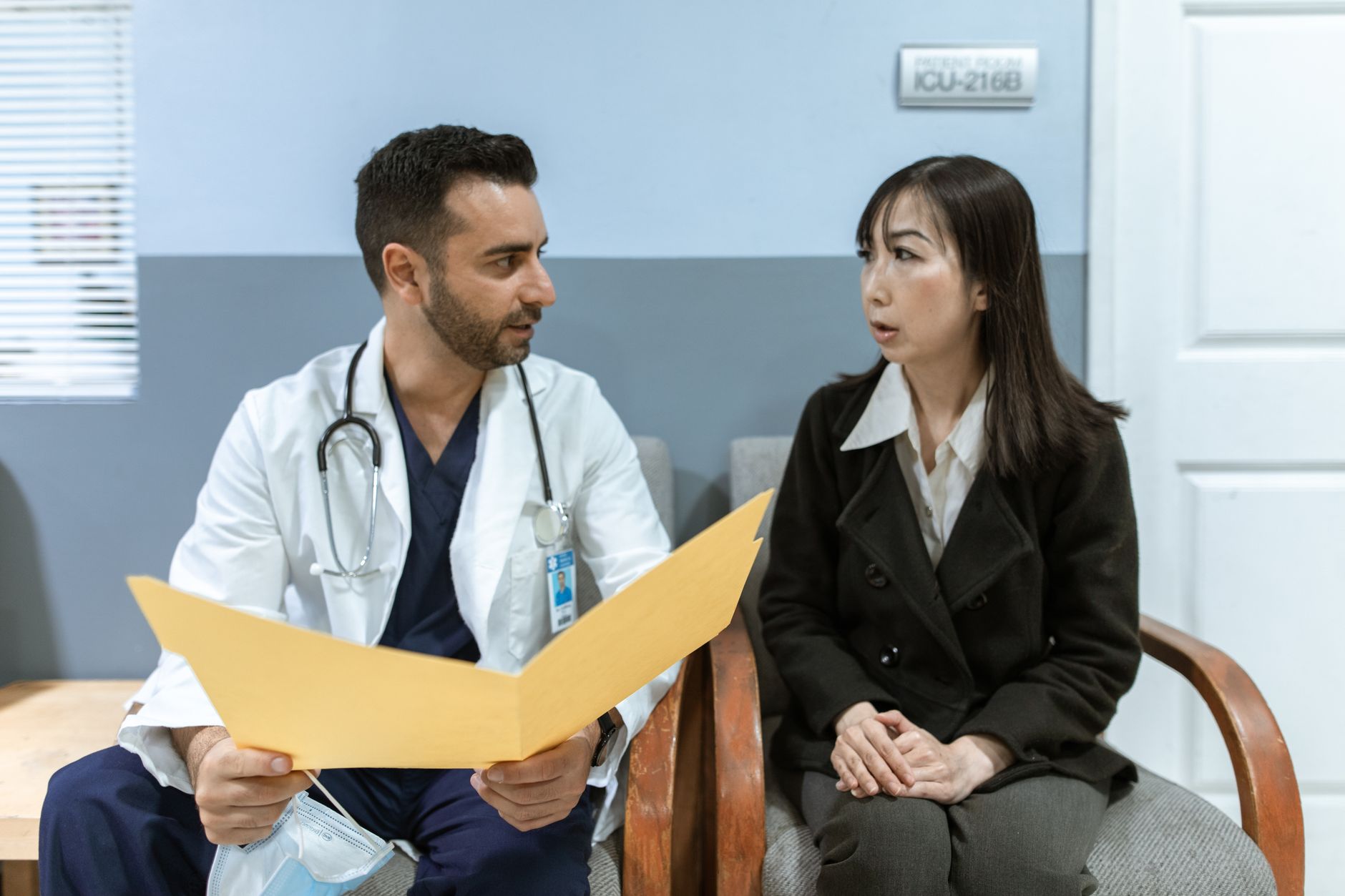
The first step for any international patient is to contact a reputable coordinating clinic or the international patient office of a Turkish hospital. These coordinators act as your liaison, helping you navigate the system and determine whether you qualify for a clinical trial or an advanced therapy not yet available in your home country.
When you inquire, be prepared to provide a comprehensive medical history, including diagnosis, previous treatments, imaging reports, and lab results. The coordinating clinic will review your case with a multidisciplinary team of specialists. If a suitable trial or advanced treatment exists, they will explain the eligibility criteria, potential risks, and benefits. They can also clarify whether the treatment is offered as part of a research study or as a standard (but advanced) clinical service.
It's important to ask specific questions: Is the treatment approved by the Turkish Medicines and Medical Devices Agency (TİTCK)? What phase is the trial? What are the costs, and does insurance or sponsorship cover them? How will follow-up care be managed after you return home? A transparent coordinator will provide written information and connect you with the principal investigator or treating physician for a teleconsultation.
Navigating the Process: From Inquiry to Treatment
Once you express interest, the coordinating clinic will guide you through a structured process. Typically, this begins with a telemedicine consultation where you discuss your case with a Turkish specialist. They may request additional tests or second opinions. If you appear eligible for a trial, the research team will conduct a formal screening, which may involve travel to Türkiye for in-person assessments.
After enrollment, you'll receive a detailed schedule of visits, treatments, and follow-ups. Turkish hospitals are known for their efficiency; many patients complete their initial evaluation and begin treatment within weeks. Language support is widely available, with interpreters in Arabic, English, Russian, and other languages. Accommodation and travel logistics are often handled by the coordinating clinic, easing the burden on patients and families.
It's crucial to maintain open communication with your home physician. Turkish doctors will share records and collaborate on your care plan, ensuring continuity after you return. Many hospitals also offer remote monitoring and telehealth follow-ups, so you're never alone in your journey.
Ethical and Regulatory Safeguards You Can Trust
Türkiye has a robust regulatory framework for clinical research. All trials must be approved by the Ministry of Health and the relevant institutional review board (IRB). Patients' rights are protected by law, including the right to informed consent, privacy, and the ability to withdraw at any time without affecting their standard care.
JCI accreditation further ensures that hospitals meet international standards for patient safety and quality. University hospitals adhere to the Declaration of Helsinki and other international ethical guidelines. This means that when you participate in a trial or receive an advanced therapy in Türkiye, you can be confident that your safety and dignity are paramount.
Additionally, many Turkish hospitals have ethics committees specifically for international patients, addressing cultural and linguistic sensitivities. They provide clear documentation in your language and ensure you fully understand the implications of the treatment.
Why Türkiye Should Be on Your Shortlist
Türkiye's combination of world-class medical infrastructure, active research participation, and patient-centered care makes it a standout choice for those seeking advanced treatments or clinical trial enrollment. The country's strategic location, with direct flights from Europe, Asia, and the Middle East, adds to its accessibility. Cost savings — often 50-70% lower than in the US or Western Europe — do not come at the expense of quality; many Turkish hospitals are equipped with the latest robotic surgery systems, linear accelerators, and molecular labs.
Furthermore, the Turkish government offers incentives for medical tourism, including fast-track visa procedures for patients and companions. The warm hospitality and rich cultural heritage make the healing journey more comfortable. Whether you're exploring a cutting-edge cancer therapy or a innovative neurological procedure, Türkiye's medical community is ready to welcome you with open arms and open minds.
As medical science advances, Türkiye remains at the forefront, constantly integrating new discoveries into clinical practice. For international patients, this means not just hope, but a tangible path to innovative care. By asking the right questions and partnering with a trusted coordinating clinic, you can unlock options that may not be available at home — and take a proactive step toward your health.
Thinking about treatment in Turkey?
Share your contact details and a verified doctor will follow up with a plan built around you — free, no obligation.