

Why Türkiye Leads in Day-Case Surgery
Türkiye has built one of the most efficient elective healthcare networks in the wider region, and much of that efficiency is concentrated in modern day-case surgery centres. These are purpose-built facilities where planned procedures are completed in a single visit, with patients resting and recovering in a monitored recovery area before returning to their hotel the same day. For international patients, this model is quietly transformative: it removes the cost and disruption of an overnight hospital stay while keeping clinical oversight firmly in place.
The growth of day-case care reflects both investment and policy. Turkish health authorities have encouraged outpatient surgical models for procedures where evidence supports them, and private groups have responded with centres that pair advanced operating theatres and imaging with streamlined admission and discharge pathways. Many of these facilities hold international accreditation or work to comparable safety standards, and staff in major cities frequently speak English, Arabic, Russian and German alongside Turkish.
For medical travellers, the appeal is practical. A procedure that might require two or three nights in a hospital at home can often be handled with a morning admission, a few hours of observation and a return to a comfortable hotel by evening. That shorter footprint lowers the total cost of the trip, reduces exposure to hospital-acquired infections and lets patients recover in calmer surroundings — provided the right follow-up and accommodation arrangements are in place.
This guide explains which treatments commonly suit day-case care in Türkiye, how Turkish clinical teams monitor patients after discharge, and exactly what to arrange at your hotel so that comfort never comes at the expense of safety.
Procedures That Commonly Suit Day-Case Care
Day-case surgery is appropriate when a procedure is predictable, of moderate duration, carries low risk of significant bleeding or complications, and allows the patient to walk, drink and manage pain with oral medication within a few hours. Turkish centres apply these criteria carefully, and it is important to understand that suitability is decided case by case after consultation, imaging and blood tests — not simply chosen by the patient.
Cataract and Ophthalmic Procedures
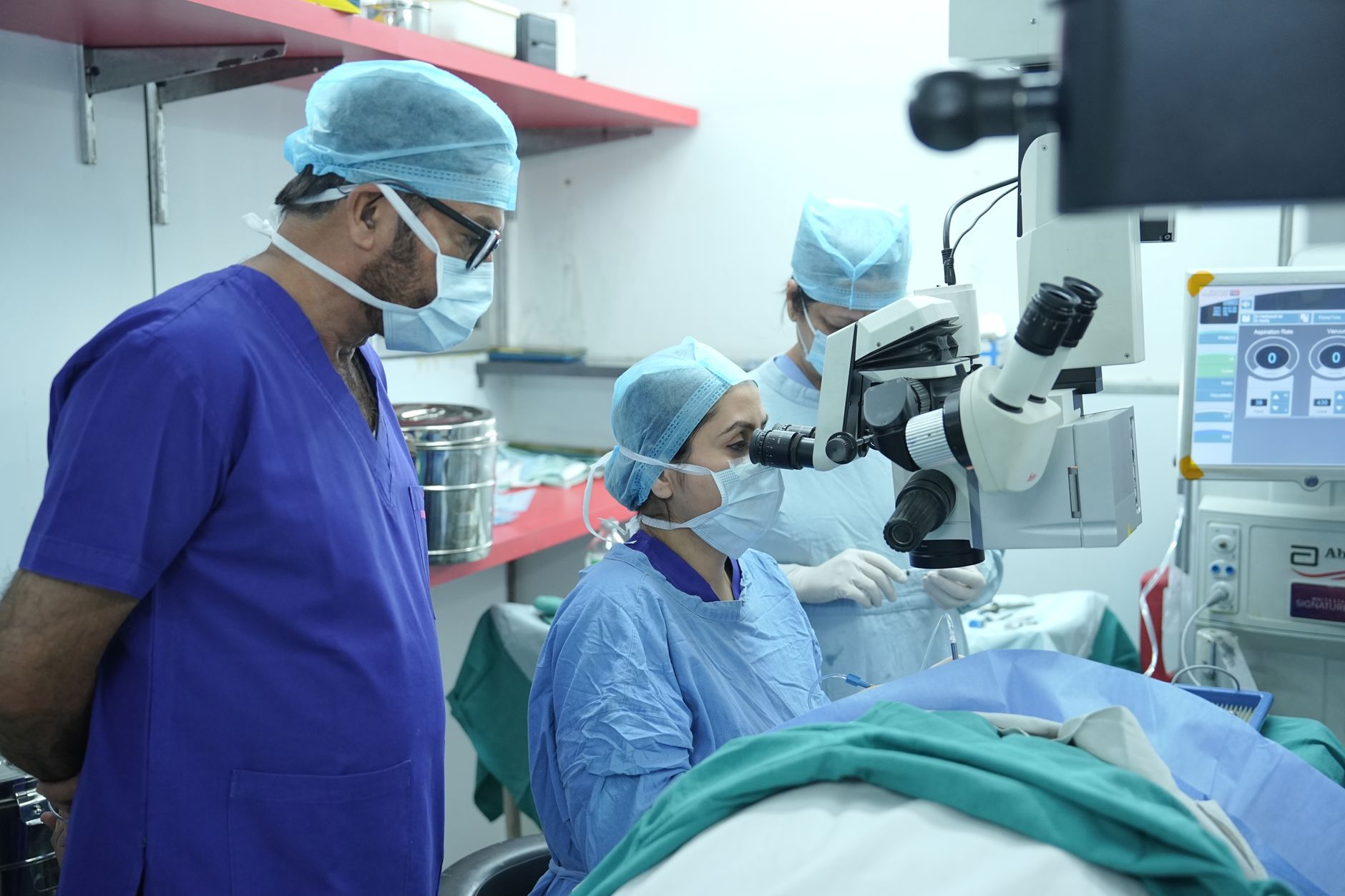
Cataract surgery is one of the most established day-case treatments worldwide, and Turkish ophthalmology clinics perform it in high volumes. Most patients arrive in the morning, receive topical anaesthesia, undergo phacoemulsification with a lens implant in under half an hour, rest briefly and leave with a protective shield and eye drops. Follow-up checks are usually scheduled for the next day and again before departure.
Cosmetic and Reconstructive Procedures
Rhinoplasty, eyelid surgery, otoplasty, liposuction, breast augmentation and many facial procedures are frequently performed as day cases in Türkiye, though some surgeons prefer an overnight observation for combined or longer operations. Hair transplantation, a flagship Turkish service, is almost always an outpatient procedure, with the patient returning to the hotel the same day after a session that may last several hours.
Gastroenterology and Endoscopy
Diagnostic and therapeutic endoscopy, colonoscopy with polyp removal, and many gastroscopy procedures fit the day-case model neatly. Patients are sedated, monitored in recovery and discharged once alert and tolerating fluids — an attractive option for travellers combining a check-up with a short stay in Istanbul or İzmir.
Orthopaedic and General Procedures
Arthroscopy of the knee or shoulder, carpal tunnel release, hernia repair under local or regional anaesthesia, varicose vein treatments and minor hand surgery are regularly handled as day cases. Turkish centres typically pair these with physiotherapy instructions and a scheduled review, so patients can begin gentle rehabilitation at their hotel.
Dental and Oral Surgery
Implant placement, wisdom tooth extraction under sedation, and full-mouth rehabilitation are commonly completed on an outpatient basis, often across a series of appointments. Dental clinics in Istanbul and Antalya are well organised around the international patient's itinerary.
Procedures that generally do not suit day-case care include major joint replacement, complex cardiac or abdominal surgery, and lengthy combined aesthetic operations. Reputable Turkish centres will recommend an inpatient stay when it is clinically indicated, and patients should view that recommendation as a sign of good practice rather than inconvenience.
How Turkish Teams Monitor You After Discharge
The day-case model only works because of robust post-discharge surveillance, and Turkish centres have refined this into a structured routine. Before leaving the facility, every patient receives a written discharge summary in English or their preferred language, listing the procedure performed, medications, wound-care instructions, warning signs and emergency contact numbers. A responsible adult — often a companion, interpreter or clinic driver — must accompany the patient out of the building.
Most centres schedule a mandatory follow-up appointment within twenty-four to seventy-two hours. For surgical patients this often includes a wound check and dressing change; for ophthalmic patients, a pressure and vision check; for dental patients, a review of healing. These appointments are built into the treatment package and are not an optional extra, and clinics will usually confirm attendance by phone the evening before.
Between visits, digital follow-up has become standard. Many Turkish clinics operate a WhatsApp or dedicated messaging line staffed during working hours, where patients can send photographs of a wound, describe symptoms or ask about medication. Some groups provide a patient portal with appointments and prescriptions, and international departments frequently assign a coordinator who acts as a single point of contact for the whole stay.
Escalation pathways are equally important. Centres maintain a twenty-four-hour telephone line for urgent concerns, keep a documented list of nearby hospitals with which they have referral arrangements, and instruct patients to attend an emergency department directly for red-flag symptoms such as uncontrolled bleeding, fever above thirty-eight degrees Celsius, chest pain or breathlessness. Patients should save these numbers, keep their discharge summary on them, and ensure their hotel reception also has the clinic contact details.
What to Arrange at Your Hotel
Accommodation is part of the clinical pathway in day-case care, and the right hotel can make recovery smoother and safer. When booking, tell the hotel that you are arriving for a medical procedure and ask about their experience with medical guests. Ideally choose a property within a short, low-stress transfer of the clinic — ideally under twenty minutes by car — so that a follow-up appointment or an unforeseen return visit is quick and inexpensive.
Practical questions to ask include whether the room has a lift or ground-floor access, whether a refrigerator is available for medications that need cooling, and whether the hotel can provide extra pillows, a firm mattress or a reclining chair for patients who must sleep elevated after facial or eye surgery. Confirm that the room is quiet and away from nightlife or construction noise, and request a late check-out or a day room on discharge day if your flight leaves in the evening.
Meal arrangements deserve attention too. Ask whether the hotel offers room service or a nearby restaurant that can supply soft, low-salt or easily digested food depending on your procedure, and whether staff can help with hydration reminders. For patients with limited mobility, confirm step-free access to the room, bathroom grab rails or a shower chair if needed, and assistance with luggage.
Finally, discuss practicalities with reception on arrival: provide the clinic's emergency number, ask them to note your follow-up appointments, and confirm how to reach a pharmacy and the nearest hospital. Many Istanbul and İzmir hotels accustomed to medical guests will happily coordinate taxis, translate basic instructions and check on you after discharge, turning the hotel into a genuine extension of your care team.
Planning Your Stay: A Practical Timeline
A well-organised day-case trip usually follows a predictable rhythm. On arrival, plan at least one day for pre-operative consultation, imaging and blood tests, and treat the day before surgery as a rest day with no alcohol and a light evening meal as instructed. Most centres ask patients to fast from midnight, and the clinic will confirm the admission time by message the previous afternoon.
On the day of surgery, arrive with your passport, insurance documents and a companion. Expect to spend several hours at the centre in total: admission and anaesthetic review, the procedure itself, and a monitored recovery period. Discharge typically occurs once you can walk steadily, tolerate fluids and manage pain orally, and the team is satisfied with wound and vital-sign checks. Do not plan travel or sightseeing for the rest of the day.
The following days should be kept deliberately light. Attend your scheduled follow-up, keep wounds dry as directed, take medications exactly as prescribed and avoid strenuous activity, swimming and saunas until cleared. Build in a final review before departure — often the day before your flight — so any concerns can be addressed while you are still in the country. Clinics generally advise a minimum stay of three to seven days after day-case surgery, depending on the procedure.
Before flying home, obtain a fit-to-fly note if your airline or insurer requires one, collect copies of your medical records and imaging, and confirm how results and any further prescriptions will be shared with your doctor at home. Travel insurance that explicitly covers planned treatment and its complications is strongly recommended. With these steps in place, Türkiye's day-case model delivers exactly what it promises: efficient, carefully supervised care that lets you recover comfortably at your hotel.
Thinking about treatment in Turkey?
Send us a question about this site or about the information published on it. This is a publisher's mailbox, not a medical service and not a route to a particular provider — for clinical questions, contact your own doctor.