

Why Türkiye Leads the World in Full-Arch Dental Restoration
If you have been told you need a full-arch restoration — whether All-on-4, All-on-6, or a complete fixed implant bridge — you are facing one of the most significant dental investments of your life. In the past, that meant months of appointments, multiple surgeries, and a price tag that could rival a small car. Today, a growing number of international patients are choosing Türkiye, and Istanbul in particular, to complete the entire journey in a fraction of the time and cost.
Türkiye has become a global hub for advanced implant dentistry because it combines three powerful advantages: highly experienced surgical teams, world-class digital planning technology, and a cost structure that makes premium materials accessible. Clinics in Istanbul treat thousands of full-arch cases every year, and many of them work exclusively with international patients. That volume matters — it means the surgeons you meet are not occasional implantologists, but specialists who place full arches weekly.
This guide walks you through the real timeline of a full-arch restoration in Türkiye: what happens on your first visit, why you must heal before the final teeth are fitted, what the second visit involves, and how to manage aftercare once you are back home. By the end, you will know exactly how many trips are required and how to plan work and family life around them.
Understanding All-on-4 and Full-Arch Implants
All-on-4 is a technique where an entire arch of teeth is supported by four strategically angled implants. The angle of the rear implants allows the surgeon to anchor into denser bone, often avoiding the need for bone grafting. All-on-6 uses six implants for additional stability. In both cases, the result is a fixed, full-arch prosthesis that looks and functions like natural teeth — you do not remove it at night, and you chew with normal force.
Full-arch restoration differs from a single implant because it replaces the entire dental arch and the roots that support it. The implants fuse with your jawbone through a process called osseointegration. That biological process cannot be rushed. It is the reason treatment is typically split into two visits: one to place the implants and provide a temporary bridge, and a second — after healing — to fit the permanent prosthesis.
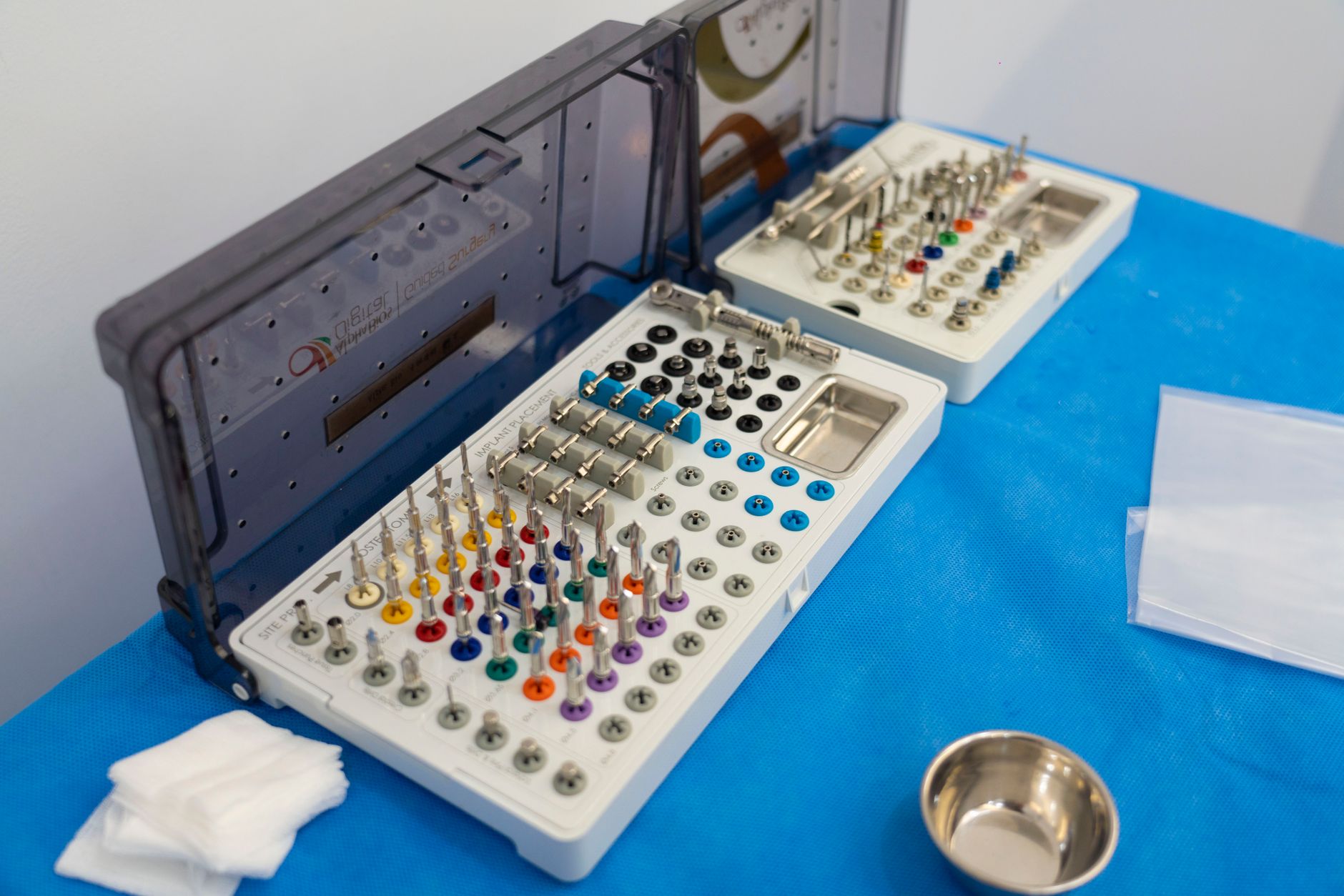
Modern Turkish clinics use digital workflows that make this process far more predictable than it was a decade ago. CBCT scans, intraoral scanners, and 3D-printed surgical guides allow the surgeon to plan implant positions to the millimeter before you even sit in the chair. This precision reduces surgical time, minimizes trauma, and improves the fit of the final teeth.
Step 1: The First Visit — Diagnosis, Surgery, and Temporary Teeth
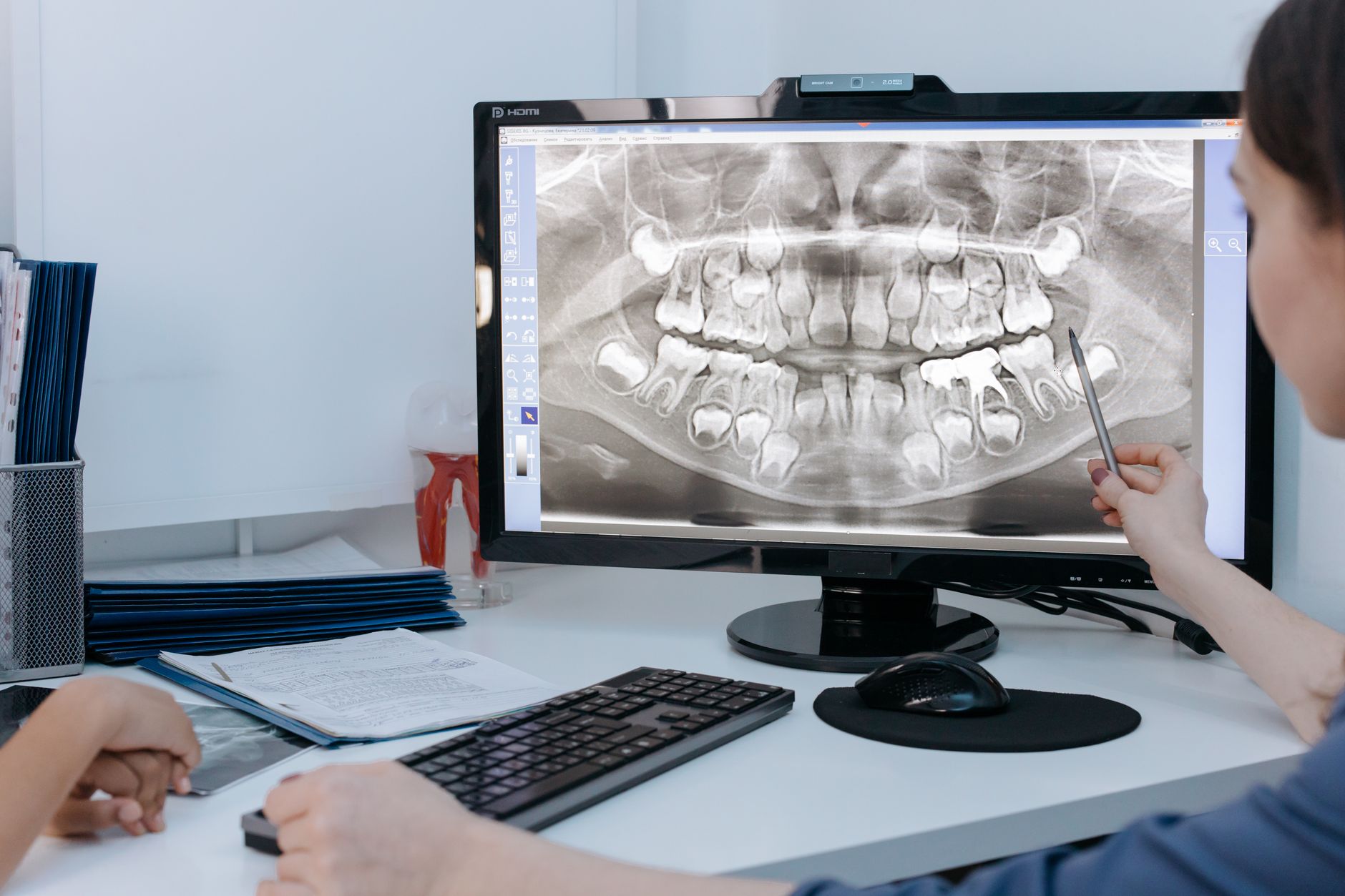
Your first trip to Istanbul usually lasts between 5 and 10 days, depending on the clinic and the complexity of your case. It begins with a comprehensive diagnostic appointment. You will have a CBCT scan, clinical photos, and a full oral examination. The surgeon reviews your bone volume, gum health, and bite, then confirms whether All-on-4, All-on-6, or another approach is right for you.
If you are a candidate, surgery is often scheduled within a day or two of your arrival. The procedure itself is usually performed under local anesthesia, with sedation options available for anxious patients. In most cases, all implants for one or both arches are placed in a single session lasting 2 to 4 hours. Immediately afterward, the clinic fits a temporary fixed bridge — sometimes called a provisional prosthesis — so you leave with functional teeth the same day or within a few days.
The temporary teeth are not the final result. They are designed to protect the healing implants, allow you to eat soft foods, and give you a preview of your new smile. You should expect some swelling, minor bruising, and a soft-food diet for the first week or two. Most patients feel comfortable enough to explore Istanbul lightly after 3 to 4 days, though strenuous activity should wait.
Before you fly home, the clinic will give you detailed aftercare instructions, prescriptions, and a healing timeline. You will also schedule your second visit, typically 4 to 6 months later, once osseointegration is complete.
Step 2: The Healing Period — What Happens Between Visits
The healing period is the most important phase of your full-arch journey, and it happens largely at home. During these 4 to 6 months, your jawbone gradually fuses with the implant surfaces. You will eat with your temporary bridge, but you must avoid hard, crunchy, or sticky foods that could stress the implants. Think soft proteins, cooked vegetables, pasta, and soups.
Good oral hygiene is critical. Your clinic will show you how to clean around the temporary prosthesis using special brushes, interdental aids, and a mild antibacterial rinse. Smoking dramatically increases the risk of implant failure and should be stopped before surgery and throughout healing. If you have diabetes or other conditions that affect healing, your Turkish surgeon will coordinate with your local doctor to monitor progress.
During this period, you may have a teleconsultation or send photos to your clinic for a check-in. Some patients also visit a local dentist for a professional cleaning, though this should only be done with guidance from your implant team. The temporary bridge may feel slightly different as healing progresses, but it should remain stable and comfortable. If you notice looseness, pain, or swelling, contact your clinic immediately.
Step 3: The Second Visit — Fitting Your Permanent Teeth
Your second trip to Istanbul is shorter, usually 7 to 10 days, and focuses on the final prosthesis. The clinic will take new scans and impressions to ensure the permanent bridge fits your healed gums and implants precisely. In many modern practices, this is done digitally with an intraoral scanner, which is faster and more comfortable than traditional impression trays.
The permanent prosthesis is typically made from high-quality materials such as zirconia or premium acrylic with a titanium framework. Zirconia offers exceptional strength, stain resistance, and a natural translucent appearance. Because the implants are now fully integrated, the final bridge can be torqued into place and adjusted for a balanced bite.
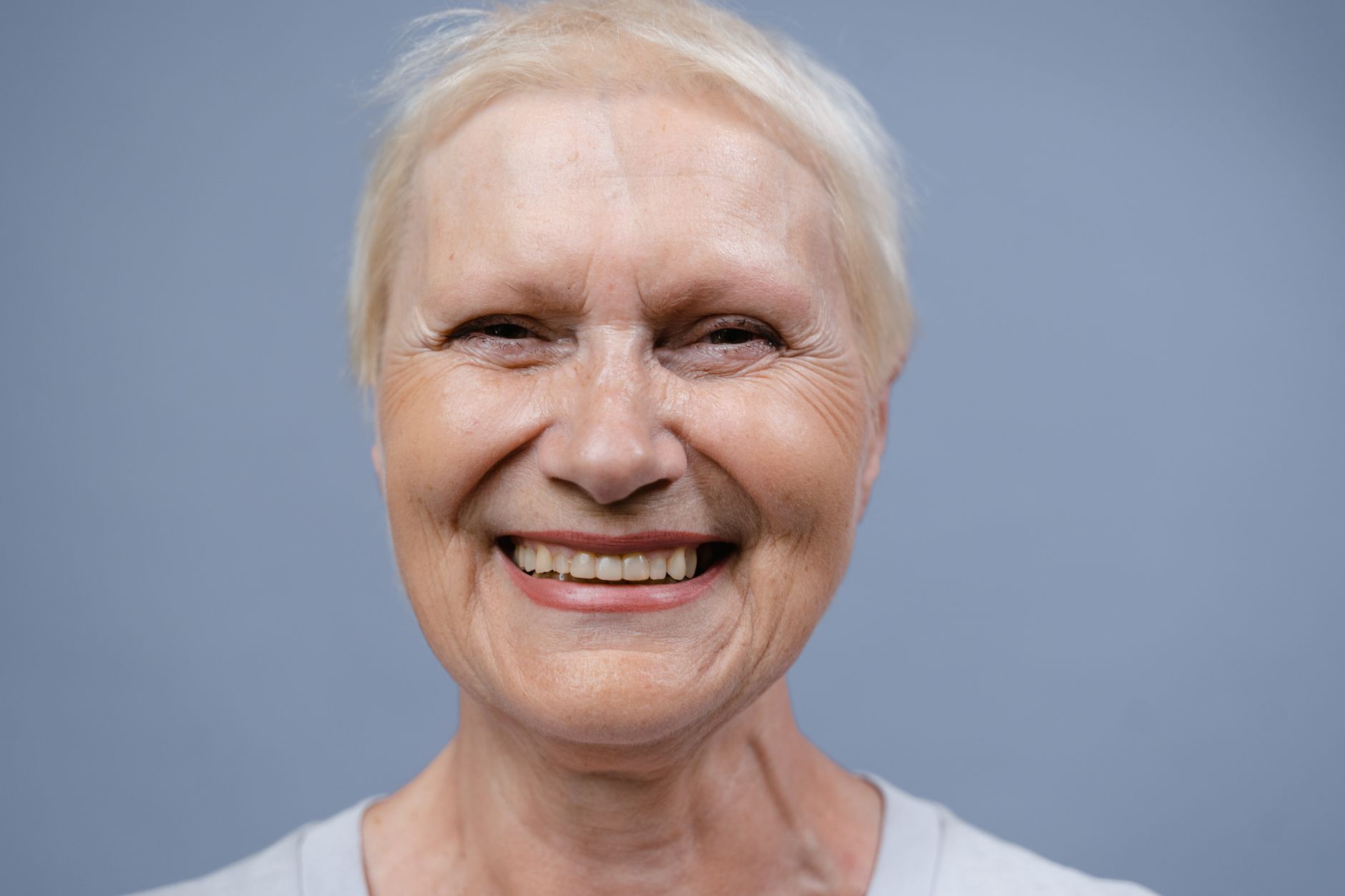
You will leave the clinic with a fixed, full-arch smile that you can brush, chew with, and show off confidently. Most patients need only minor adjustments during this visit. Before you fly home, you will receive a final care plan, a warranty or guarantee document, and instructions for any future maintenance.
Step 4: Aftercare Back Home — Protecting Your Investment
Once you return home, your full-arch restoration enters its long-term phase. With proper care, quality implants and prostheses can last 15 to 20 years or more. The key is consistency: brush twice daily with a soft-bristled brush, clean around the implant bases with interdental brushes or a water flosser, and attend professional maintenance appointments every 6 to 12 months.
Your local dentist can handle routine cleanings, but major adjustments or repairs should ideally be coordinated with your Turkish clinic. Most reputable clinics provide a warranty covering implant fixtures and sometimes the prosthesis itself, valid as long as you follow the maintenance schedule. Keep your treatment records, implant brand details, and warranty documents in a safe place — your local dentist will need them.
Watch for warning signs: persistent pain, swelling, bleeding gums, a loose prosthesis, or a bad taste around an implant. These can indicate peri-implantitis, an infection that, if caught early, is treatable. Many Turkish clinics offer remote follow-up via photos or video calls, and some have partner dentists in other countries. Do not ignore small problems — early intervention protects both your health and your investment.
How Many Trips Are Needed and How to Plan Work and Family Life
For a standard All-on-4 or full-arch restoration, you should plan for two trips to Türkiye. The first trip lasts 5 to 10 days for surgery and temporary teeth. The second trip, 4 to 6 months later, lasts 7 to 10 days for the permanent prosthesis. In some complex cases — such as those requiring bone grafting or sinus lifts — an additional visit may be needed, and the timeline can extend to 8 or 9 months.
When planning time off work, think in terms of two separate blocks rather than one long absence. For the first visit, most patients need about 10 days away: a day or two for diagnostics, surgery the next day, and 5 to 7 days of initial recovery before flying home. The second visit is less physically demanding and can often be scheduled around a long weekend or a short break. If you have a desk job, you can usually return to work within a week of each trip; physically demanding jobs may require 2 to 3 weeks off after surgery.
Family life requires some preparation, especially during the healing months. Stock up on soft foods, arrange help with young children for the first week after surgery, and set reminders for hygiene routines. Many patients find it helpful to tell their employer about the second trip well in advance, since it falls months after the first and can be planned strategically.
Finally, budget for more than just the treatment. Include flights, accommodation, travel insurance, meals, and any local follow-up costs. Even with these added expenses, the total cost of a full-arch restoration in Istanbul is often 50% to 70% less than in the United States, Canada, or Western Europe — while using the same premium implant brands and materials.
Why Istanbul Medical Tourism Makes the Difference
Choosing Türkiye for full-arch restoration is not just about saving money. It is about accessing a mature ecosystem built around international patients. Istanbul clinics offer multilingual coordinators, airport transfers, hotel partnerships, and streamlined scheduling that compresses what would be months of fragmented care at home into two well-organized trips. The digital planning, surgical precision, and material quality available in the best Turkish clinics match or exceed what you would find in many Western practices.
The cost advantage comes from lower operating costs, favorable exchange rates, and high patient volume — not from cutting corners. Reputable clinics use FDA-approved or CE-marked implants and prostheses from brands you can verify. They provide written treatment plans, warranties, and transparent pricing. Your job is to choose a clinic with verified credentials, real patient reviews, and a clear aftercare policy.
If you are ready to explore full-arch restoration in Türkiye, start by requesting a free consultation with a trusted clinic. Send your panoramic X-ray or CBCT scan, discuss your goals, and get a personalized plan with a timeline and all-inclusive quote. With the right preparation, you can transform your smile in two focused trips — and enjoy the results for decades to come.
Thinking about treatment in Turkey?
Share your contact details and a verified doctor will follow up with a plan built around you — free, no obligation.