

Why Jaw Joint Disorders Deserve Specialist Care
Temporomandibular joint disorders (TMD), often described simply as TMJ pain, affect millions of people worldwide. The symptoms are familiar to anyone who has lived with them: a dull ache in front of the ear, clicking or popping when opening the mouth, headaches that radiate into the temple, difficulty chewing, and sometimes a jaw that locks or deviates to one side. What makes TMD so frustrating is that it is rarely a single, isolated problem. It sits at the intersection of dentistry, neurology, orthopaedics, and ear, nose, and throat (ENT) medicine.
For international patients, finding a clinician who understands that intersection can be difficult. Many general dentists can manage mild muscle pain, but complex cases, such as internal derangement of the joint disc, degenerative changes, or skeletal discrepancies that overload the joint, require a team. In Türkiye, and particularly in Istanbul, oral and maxillofacial surgeons, prosthodontists, orthodontists, and ENT specialists routinely work together under one roof. This coordinated approach is one of the reasons patients travel to Türkiye for jaw joint treatment.
This guide explains what TMJ disorders are, how Turkish clinics diagnose them, which treatments are available, and what a international patient can expect from consultation to recovery. It is written to help you ask better questions and make a confident decision about your care.
Understanding TMJ Disorders: More Than Just a Clicking Jaw
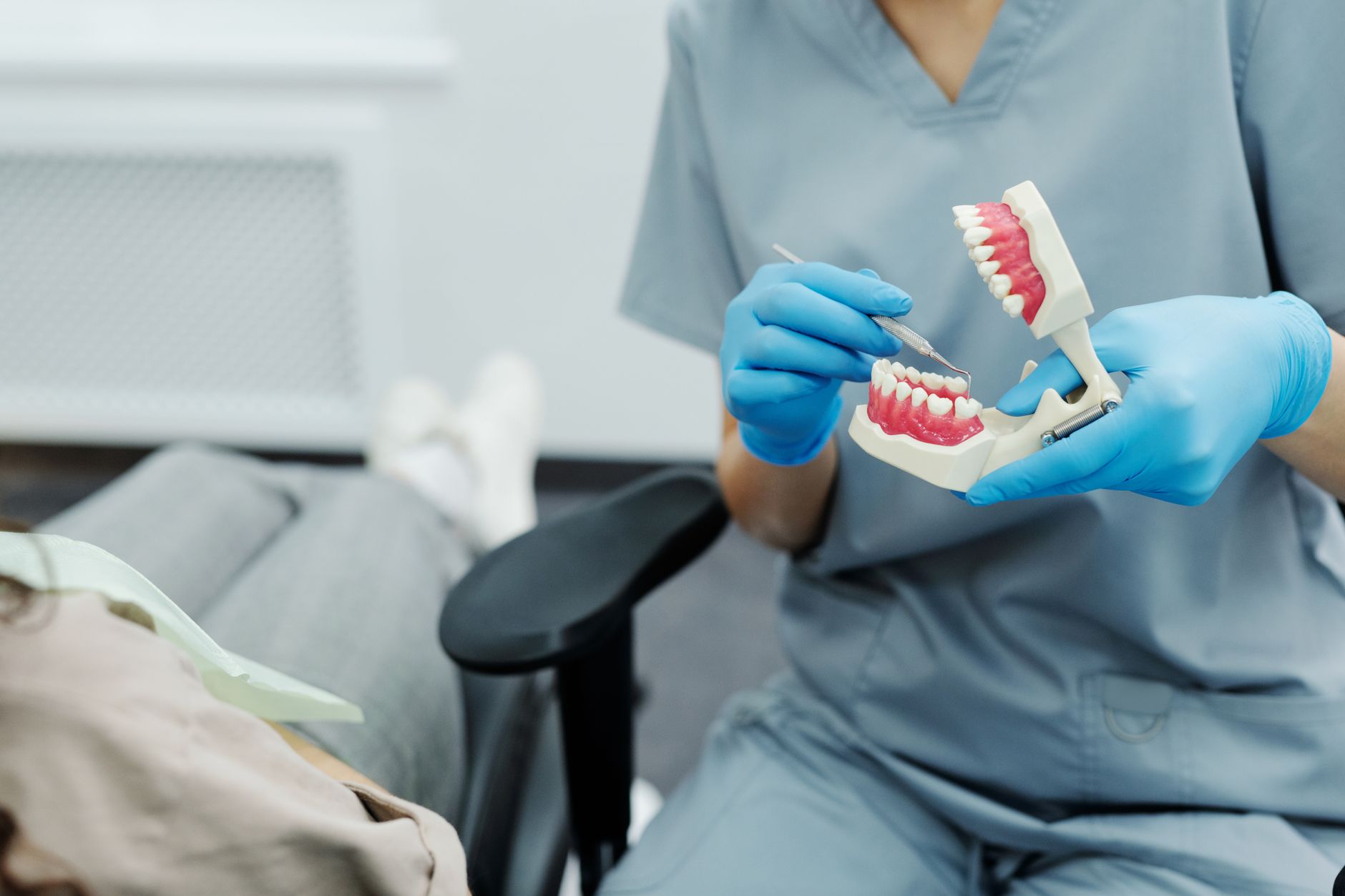
The temporomandibular joint connects the lower jaw (mandible) to the skull just in front of each ear. It is one of the most complex joints in the human body, capable of both rotation and sliding movement, cushioned by a small fibrocartilaginous disc, and driven by some of the strongest muscles in the head and neck. When any part of this system is disrupted, the result can be pain, dysfunction, or both.
Clinicians generally group TMJ disorders into three broad categories. Myofascial pain involves the muscles that control jaw movement and is the most common form, often linked to clenching, grinding (bruxism), stress, or poor posture. Internal derangement describes a problem with the disc itself, such as anterior disc displacement with or without reduction, which produces clicking or locking. Degenerative joint disease, including osteoarthritis or inflammatory arthritis, causes structural changes to the joint surfaces and can produce crepitus, stiffness, and chronic pain.
Many patients have a mixture of these categories. That is why a single injection or a generic night guard is rarely enough. Effective treatment depends on an accurate diagnosis, and accurate diagnosis depends on proper imaging and a thorough clinical examination.
The Diagnostic Advantage: Advanced Imaging in Turkish Clinics
Turkish dental and maxillofacial clinics have invested heavily in diagnostic technology, and this is one of the clearest advantages for patients with jaw joint disorders. A proper TMJ workup typically begins with a detailed history and clinical examination, including measurement of maximum mouth opening, palpation of the joint and masticatory muscles, assessment of joint sounds, and evaluation of the bite and facial symmetry.
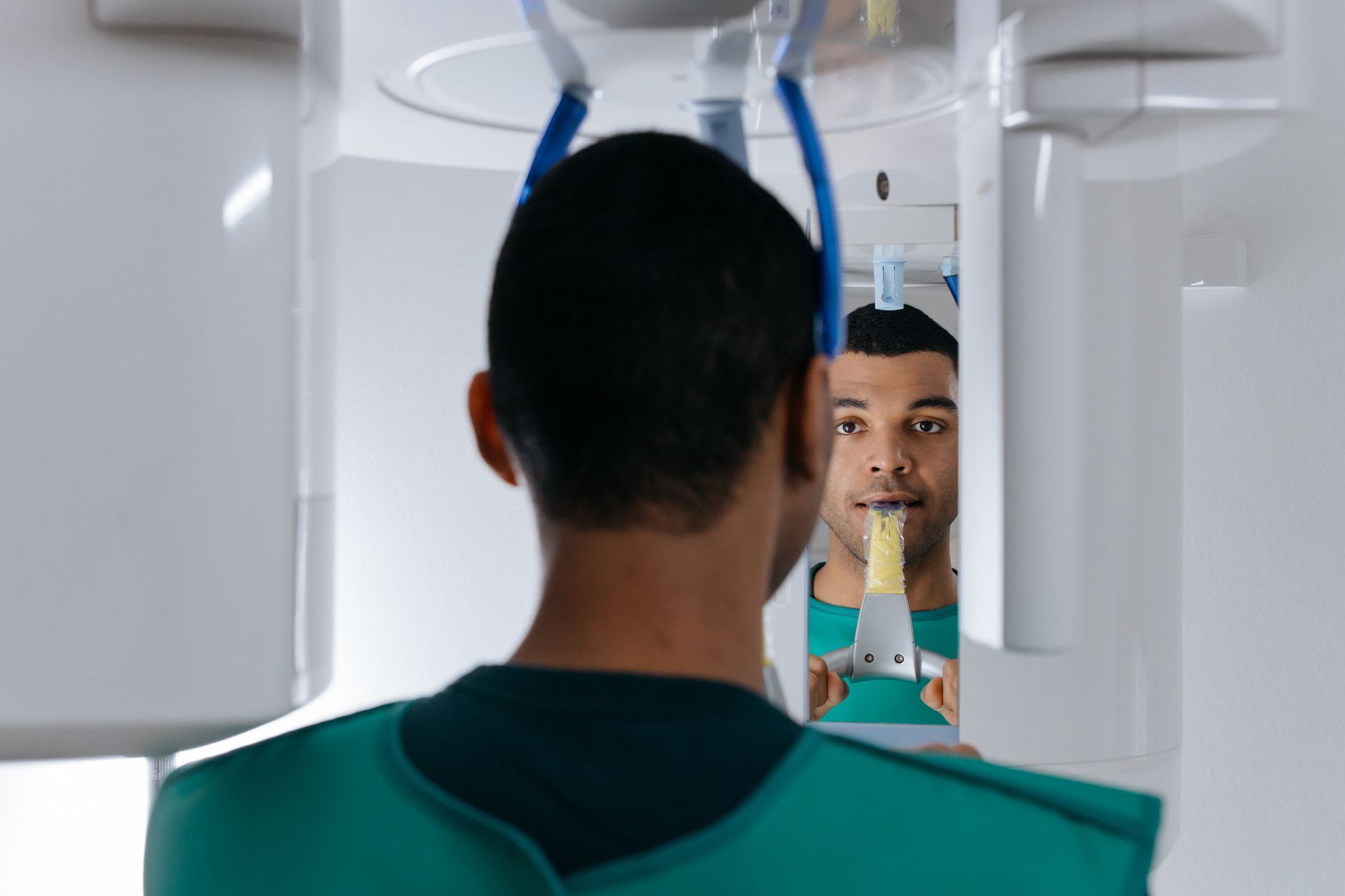
Imaging then confirms what the examination suggests. Cone beam computed tomography (CBCT) provides high-resolution, low-dose three-dimensional images of the condyles, fossae, and joint spaces, revealing erosions, flattening, osteophytes, or fractures that a plain X-ray would miss. Magnetic resonance imaging (MRI) remains the widely used standard for evaluating the disc, showing its position, mobility, and any signs of inflammation or effusion. Some Istanbul clinics also use ultrasound for dynamic, real-time assessment of joint movement and electromyography (EMG) or jaw-tracking devices to quantify muscle activity and mandibular motion.
What matters most is not simply owning the equipment but knowing how to interpret it. Turkish maxillofacial radiologists and surgeons routinely read these studies together, correlate them with the clinical picture, and use them to decide whether a patient needs conservative therapy, a minimally invasive procedure, or surgery. For patients who have been told "your scans look normal" elsewhere, this level of diagnostic depth can be the turning point.
Coordinated Dental–ENT Collaboration: Treating the Whole Patient
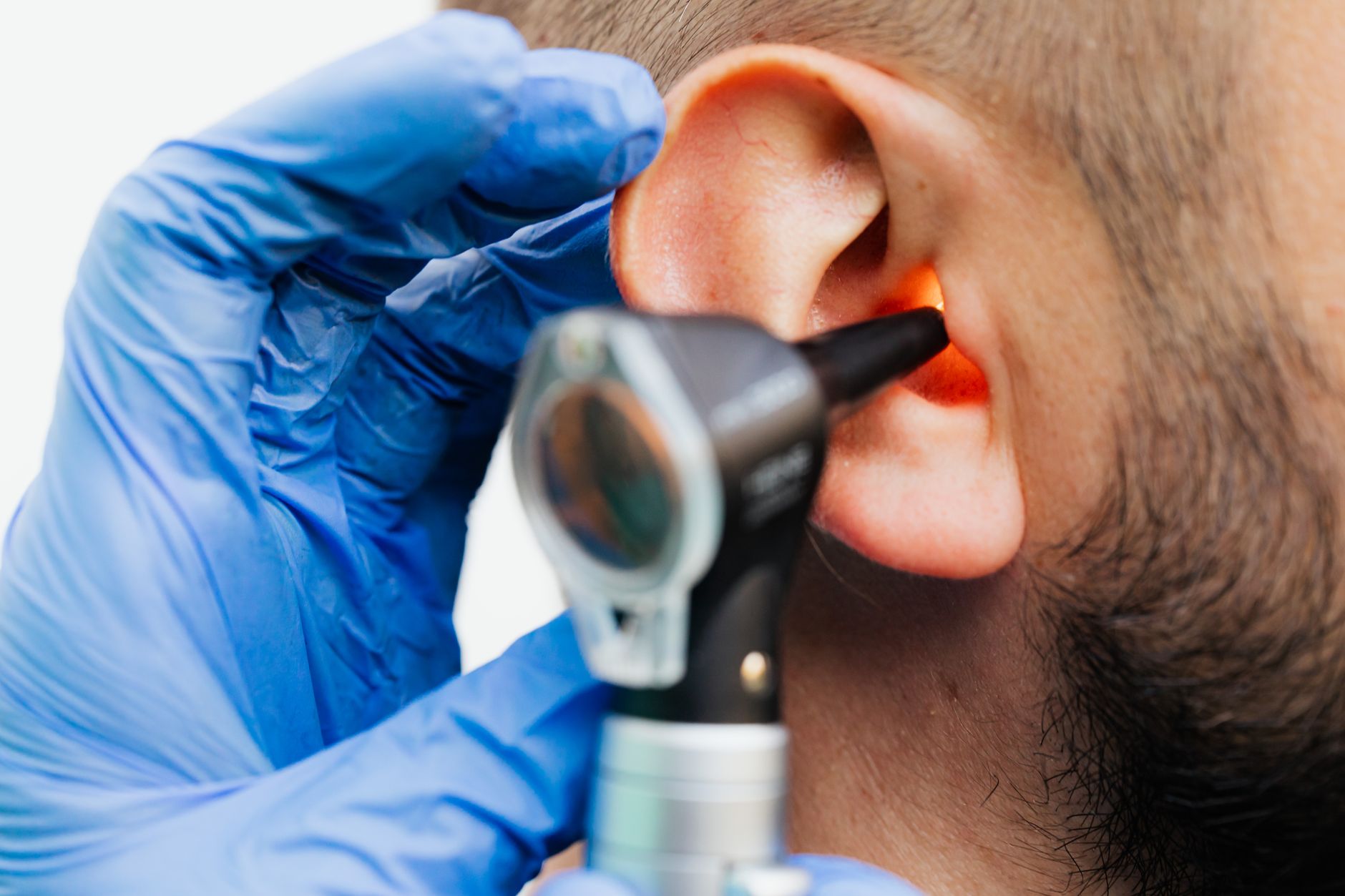
Jaw pain rarely respects specialty boundaries. Ear pain, sinus pressure, tinnitus, nasal obstruction, and sleep-disordered breathing can all accompany or mimic TMJ disorders. In many healthcare systems, a patient is referred from dentist to ENT to neurologist and back again, repeating their story at every visit. In Türkiye's modern clinics, that fragmentation is largely avoided.
Oral and maxillofacial surgeons work alongside ENT specialists to distinguish joint pathology from ear disease, sinusitis, or neuralgia. When a patient presents with unilateral facial pain, for example, the ENT team can rule out otologic causes while the dental team evaluates the joint and occlusion. Orthodontists assess whether a malocclusion is contributing to joint overload, and physiotherapists trained in craniomandibular rehabilitation address muscle guarding and posture. Sleep physicians may be involved when nocturnal bruxism or obstructive sleep apnoea is suspected.
This multidisciplinary model is not a marketing slogan in Türkiye; it reflects the structure of major hospital-based dental faculties and private maxillofacial centres in Istanbul, Ankara, and Izmir. International patient coordinators schedule combined consultations so that you can see several specialists during a single trip, and reports are shared digitally between departments. The result is a coherent treatment plan rather than a patchwork of opinions.
For patients with complex TMJ pain, the value of Türkiye's clinics lies as much in their teamwork as in their technology: dentists, surgeons, and ENT specialists reviewing the same scans and agreeing on one plan.
Splint Therapy: The First Line of Conservative Treatment
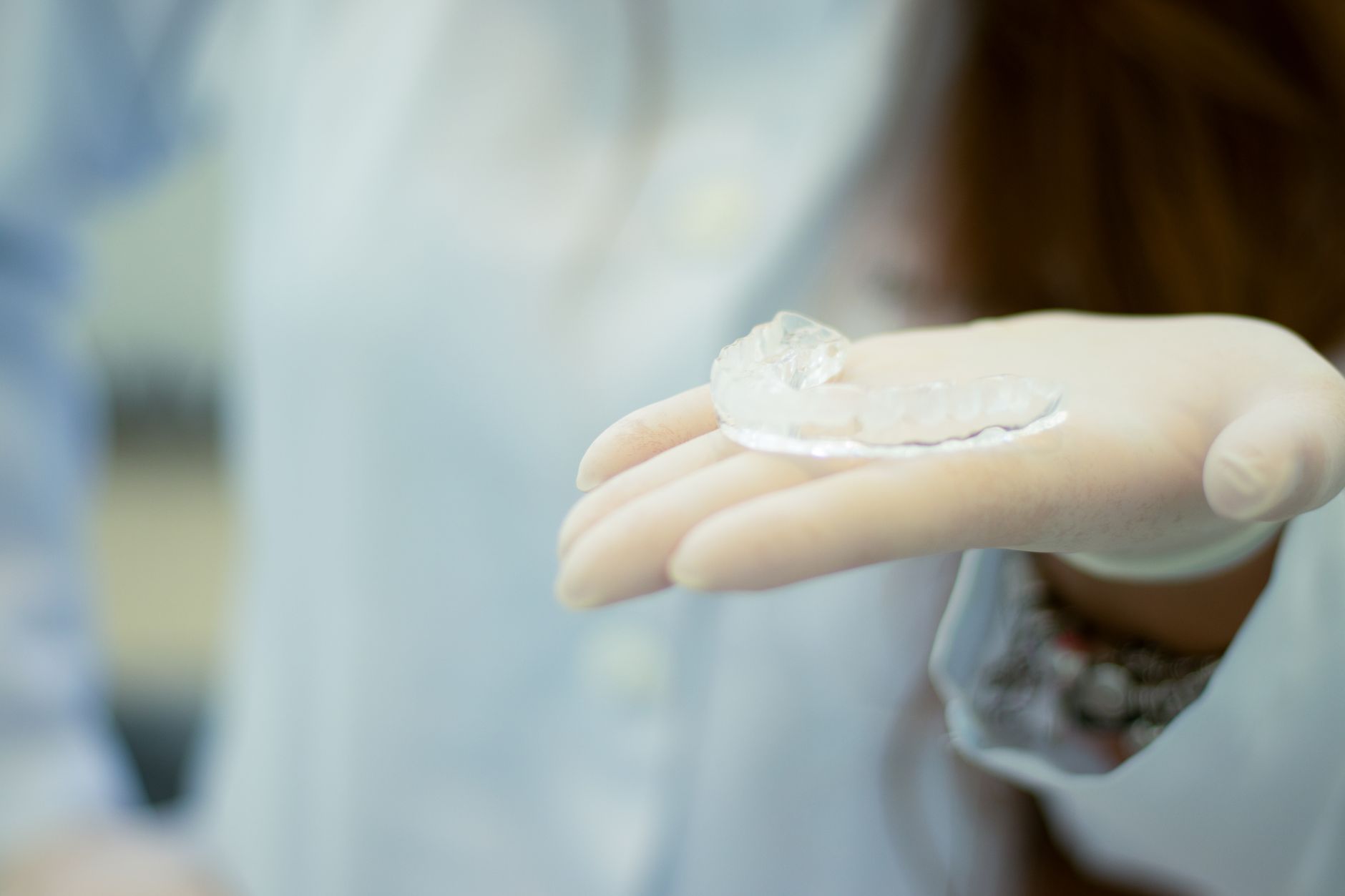
For most patients with myofascial pain or mild internal derangement, the foundation of treatment is conservative and reversible. Occlusal splint therapy is central to this approach. A splint is a custom-made removable appliance, usually worn at night and sometimes during the day, that creates a stable, harmonious contact between the upper and lower teeth.
There are several types of splints, and choosing the right one matters. A stabilisation splint is flat and provides a balanced bite, reducing muscle hyperactivity and protecting the joint from parafunctional forces. A repositioning splint guides the mandible into a more favourable position, which can be helpful when the disc is displaced. Anterior bite planes are sometimes used to disengage posterior teeth and reduce compressive loading. In Turkish clinics, splints are designed digitally from intraoral scans and fabricated with precision milling or 3D printing, which improves fit and comfort compared with older laboratory methods.
Splint therapy is not a quick fix, and reputable Turkish specialists are honest about this. It typically takes weeks to months to see meaningful improvement, and it works best when combined with other measures: soft-food diets during flare-ups, jaw exercises, heat or cold therapy, stress management, and physiotherapy. Patients are usually reviewed regularly, and the splint is adjusted as symptoms evolve. For many people, this conservative phase is enough to break the cycle of pain without any invasive procedure.
Arthrocentesis and Minimally Invasive Joint Procedures
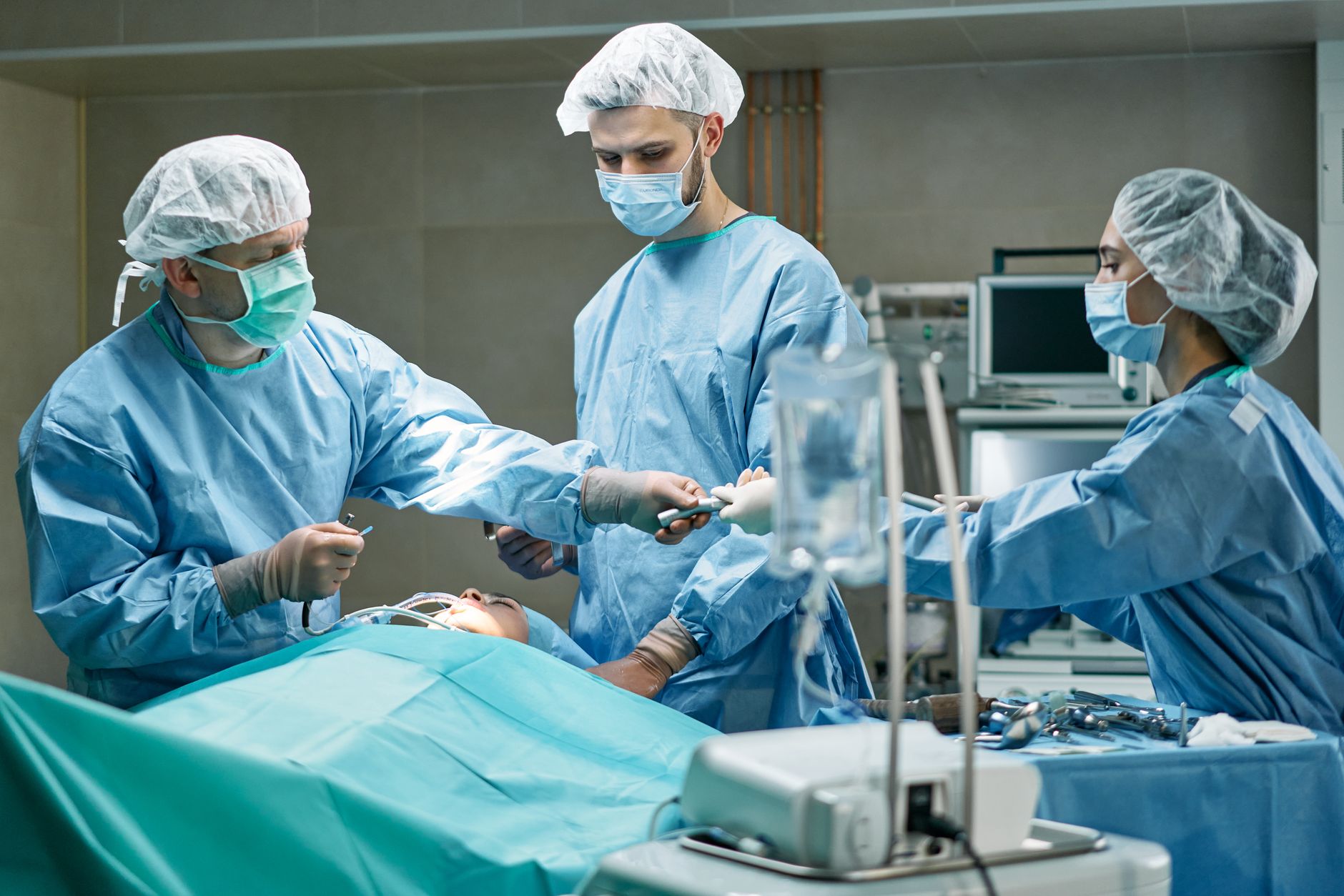
When conservative therapy does not control symptoms, or when the jaw is locked or severely restricted, Turkish maxillofacial surgeons can offer minimally invasive options. Arthrocentesis is a short procedure in which the joint is washed with sterile saline, often with the addition of a corticosteroid or hyaluronic acid. It removes inflammatory mediators, improves joint lubrication, and can produce rapid relief of pain and improved mouth opening, particularly in acute closed-lock cases.
Arthrocentesis is typically performed under local anaesthesia or light sedation, takes around 15 to 30 minutes, and requires no surgical incision. Patients usually go home the same day and begin gentle mobilisation exercises almost immediately. In experienced hands, it is a low-risk procedure with a good evidence base for reducing pain and restoring function in selected patients.
For more complex internal derangement, surgeons may perform arthroscopic surgery, using a tiny camera and instruments inserted through small punctures to lavage the joint, release adhesions, or reposition the disc. Open joint surgery, including disc repair, discectomy, or condylar procedures, is reserved for severe cases and is performed by teams experienced in orthognathic and reconstructive techniques. The key point for patients is that Turkish clinics offer a full spectrum of care, so treatment can be stepped up gradually rather than jumping straight to major surgery.
Orthognathic Expertise: Correcting the Bite That Overloads the Joint
Some TMJ problems are driven by skeletal imbalance. A receding chin, an asymmetric jaw, an open bite, or a severe overjet can place abnormal stress on the joints and muscles. In these cases, splints and injections may relieve symptoms temporarily, but the underlying mechanical problem remains. This is where orthognathic surgery becomes relevant.
Orthognathic surgery repositions the upper jaw, lower jaw, or chin to create a balanced facial skeleton and a stable bite. Turkish maxillofacial surgeons perform these procedures in fully equipped hospitals, often in collaboration with orthodontists who prepare the teeth treatment progress surgery. Modern planning uses 3D virtual surgical simulation, allowing the team to model the movement, prepare patient-specific cutting guides, and even 3D-print splints for precise intraoperative positioning.
For patients with both jaw joint disorders and skeletal discrepancies, orthognathic correction can be transformative. It improves chewing, speech, breathing, and facial appearance, and it reduces the abnormal loading that contributes to joint pain. Recovery is more involved than for arthrocentesis, typically requiring a soft diet for several weeks and a staged return to normal function, but Turkish clinics provide structured follow-up, nutritional guidance, and physiotherapy to support healing. Because these procedures are planned and executed by experienced teams, international patients can have confidence that their case is being managed with genuine specialist depth.
What International Patients Can Expect: Planning, Costs, and Aftercare
Planning a jaw joint treatment trip to Türkiye begins with a remote consultation. Most clinics ask for a panoramic X-ray, CBCT or MRI if available, photographs of your bite and face, and a description of your symptoms. A maxillofacial surgeon or TMD specialist then reviews the records and proposes a diagnostic and treatment plan, often with an estimate of how long you should stay.
Cost is a common motivation for travel, and Türkiye remains significantly more affordable than Western Europe or North America for advanced dental and maxillofacial care. However, patients should compare like with like: a quotation should specify the type of splint, whether imaging is included, the anaesthesia and facility fees for any procedure, and the number of follow-up visits. Reputable clinics provide written treatment plans and do not pressure patients into unnecessary surgery.
Aftercare is essential. Before returning home, ask for a clear summary of your diagnosis, the treatment performed, medications, exercises, and warning signs that require attention. Request copies of your imaging and reports, ideally in English, so your local dentist or physician can continue your care. Many Turkish clinics offer virtual follow-up appointments, which makes it easier to stay on track once you are back home.
Türkiye has become a destination for complex dental concerns not only because of price, but because its clinicians handle TMJ disorders with patience, diagnostic rigour, and genuine multidisciplinary depth. For patients who have struggled with jaw pain for years, that combination can be exactly what is needed to restore comfortable, pain-free function.
Thinking about treatment in Turkey?
Send us a question about this site or about the information published on it. This is a publisher's mailbox, not a medical service and not a route to a particular provider — for clinical questions, contact your own doctor.