

Türkiye: A Rising Star in ENT Care for International Patients
Türkiye has become a global destination for ear, nose and throat (ENT) surgery — and for good reason. The country's accredited hospitals combine advanced endoscopic technology, highly experienced surgeons and a famously warm nursing culture. For international patients, the result is world-class care with some of the shortest waiting lists in Europe and beyond.
Whether you are considering endoscopic sinus surgery for chronic sinusitis, a tonsillectomy for yourself or your child, or a cochlear implant for hearing loss, Türkiye's ENT departments offer a seamless path from first consultation to long-term follow-up. English-speaking coordinators, transparent pricing and rapid scheduling make the journey surprisingly straightforward.
In this guide, we walk you through what to expect at each stage — consultation, day surgery and aftercare — and explain why so many patients rate Turkish ENT centres among the best in the world.
Why Türkiye Excels in Endoscopic Sinus Surgery
Chronic sinusitis affects millions worldwide, and when medication fails, endoscopic sinus surgery (ESS) can be life-changing. Türkiye's leading ENT clinics perform thousands of these procedures each year using high-definition endoscopes, image-guided navigation and microdebriders that allow precise removal of diseased tissue with minimal trauma.
The advantages are clear: less bleeding, faster recovery and better long-term outcomes. Turkish surgeons are also pioneers in balloon sinuplasty, a minimally invasive technique that dilates sinus openings without removing bone. Many patients return to normal activities within a week.
What truly sets Türkiye apart, however, is the speed of access. While patients in some countries wait months for a specialist consultation, in Türkiye you can often be evaluated within days and scheduled for surgery the following week. For those suffering from relentless facial pain, congestion and fatigue, that speed is priceless.
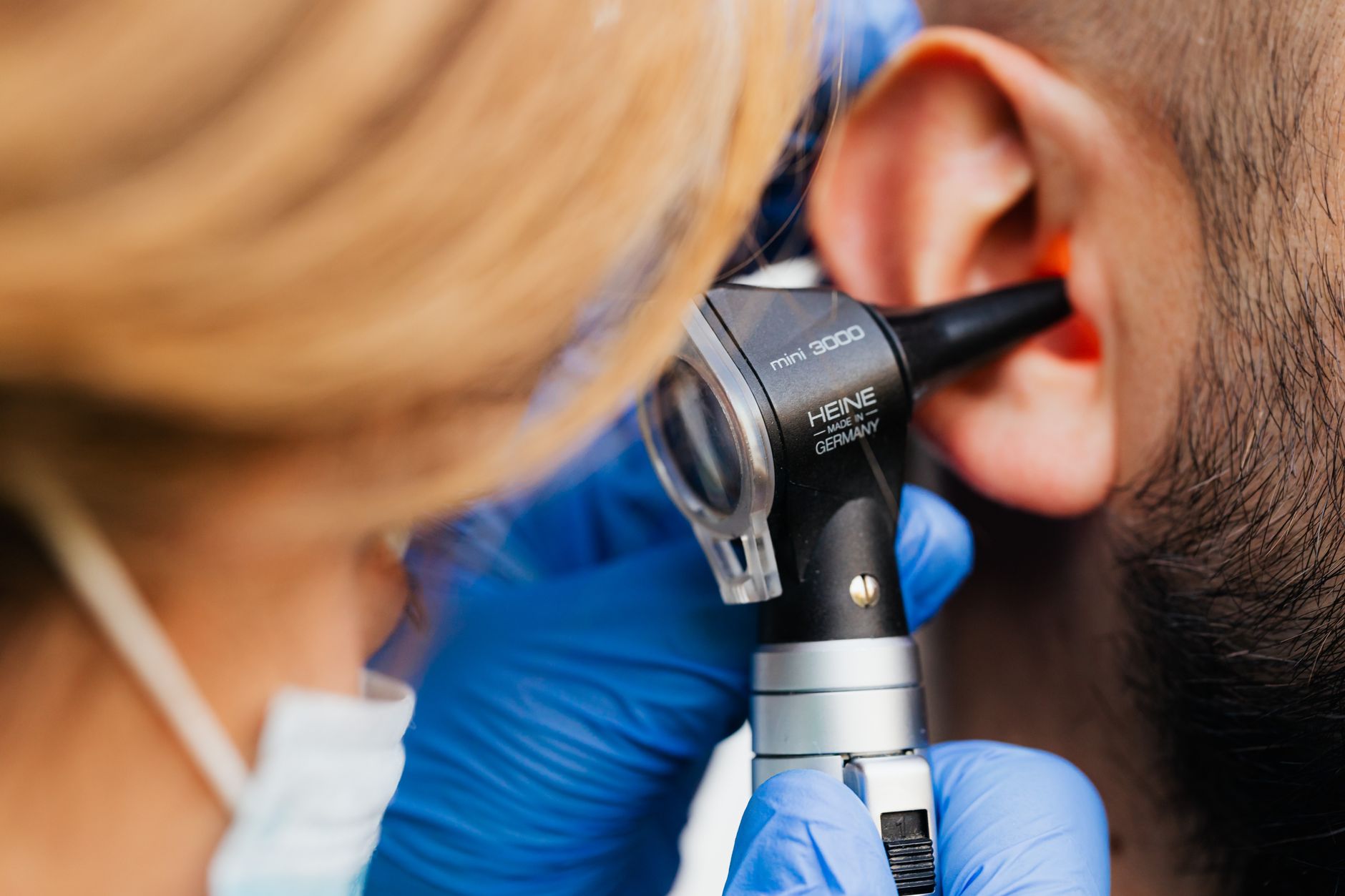
Cochlear Implants: Restoring Hearing with Cutting-Edge Technology
For adults and children with severe-to-profound hearing loss, cochlear implants can open up a world of sound. Türkiye's accredited centres are among the most experienced in Europe and the Middle East, having performed thousands of implantations with devices from all major manufacturers.
The process begins with a comprehensive audiological evaluation, including audiometry, speech perception tests and imaging. If an implant is recommended, surgery is typically performed under general anaesthesia and takes two to three hours. The device is placed under the skin behind the ear, with electrodes threaded into the cochlea. Most patients go home the next day.
Activation occurs two to four weeks later, followed by a tailored rehabilitation programme. Turkish audiology teams are known for their patience and expertise, especially with paediatric patients. Children who receive implants early can develop speech and language skills on par with their hearing peers — a testament to the quality of care available.

Paediatric ENT Care: Gentle, Specialised and Family-Centred
When it comes to children, ENT issues like recurrent tonsillitis, enlarged adenoids, glue ear and congenital hearing loss require a delicate touch. Türkiye's paediatric ENT departments are designed with families in mind: child-friendly wards, play areas and nursing staff trained in paediatric psychology.
Tonsillectomy and adenoidectomy are among the most common procedures. Turkish surgeons use modern techniques such as coblation or radiofrequency ablation, which reduce pain and recovery time compared to traditional methods. Most children are discharged the same day or after one night's observation.
For complex cases — airway problems, vascular anomalies or cochlear implantation in infants — multidisciplinary teams collaborate closely. Parents receive clear explanations at every step, and translators are available for international families. The emphasis is always on safety, comfort and a positive experience for the child.
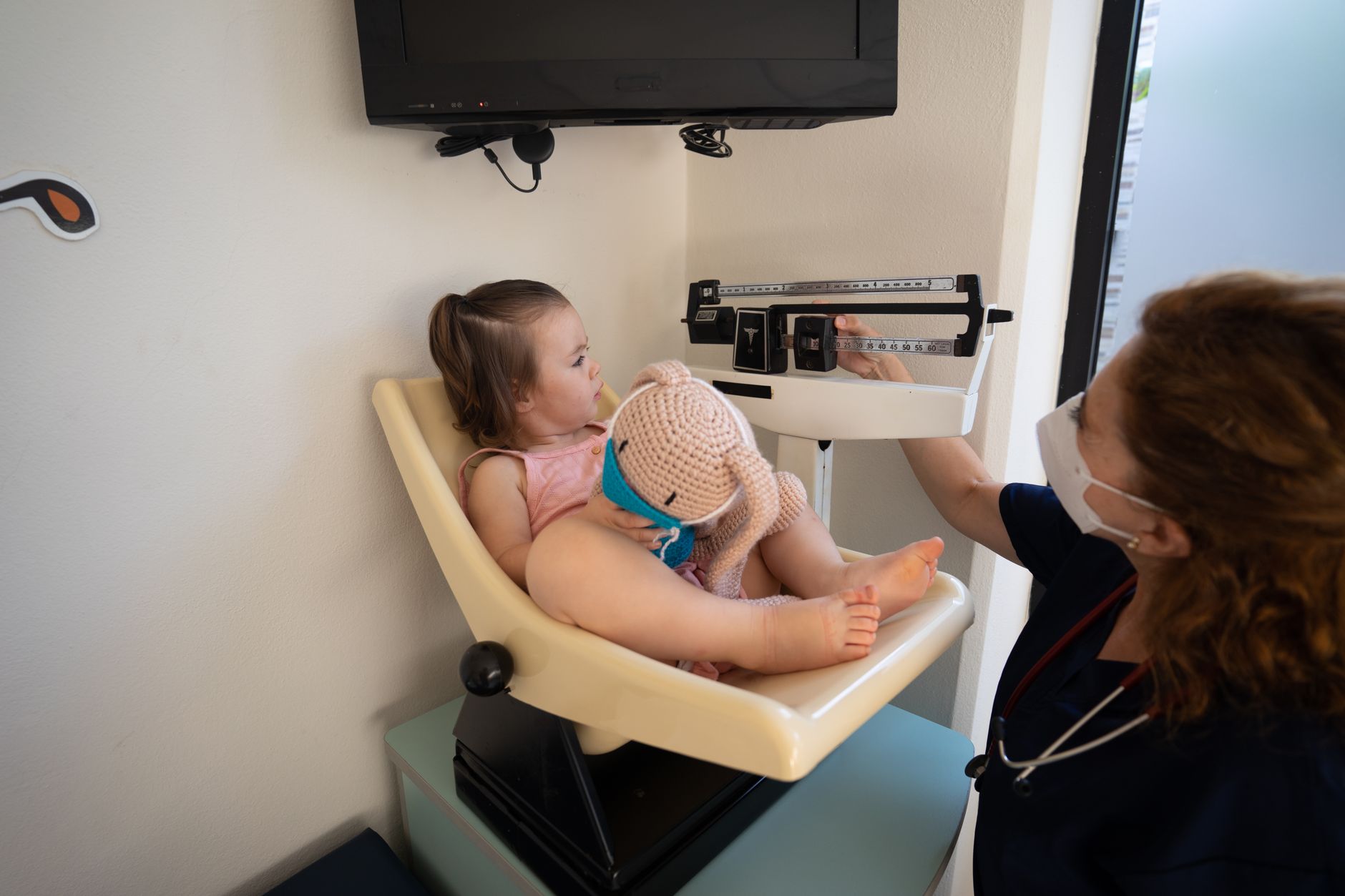
Your Patient Journey: Consultation, Day Surgery and Follow-Up
Planning a medical trip can feel daunting, but Türkiye's accredited hospitals have streamlined the process for international patients. Here is how it typically unfolds.
1. Initial Consultation (Remote or In-Person): You begin by sharing your medical records — imaging, audiology reports, previous notes — with the hospital's international department. A video consultation with the ENT specialist is arranged, often within 48 hours. You receive a diagnosis, treatment plan and a detailed cost estimate. No hidden fees.
2. Arrival and Preoperative Assessment: Upon arrival in Istanbul, Ankara or Izmir, you are met by a coordinator who helps with check-in and translation. A day of preoperative tests (blood work, ECG, anaesthesia review) ensures you are fit for surgery. You also meet your surgeon and anaesthesiologist to ask any remaining questions.
3. Day Surgery or Short Stay: Many ENT procedures — sinus surgery, tonsillectomy, even cochlear implantation — are performed as day surgery or with a single overnight stay. You recover in a private room with attentive nursing care. Turkish nurses are renowned for their warmth and vigilance; they monitor you closely, manage pain proactively and make sure you are comfortable.
4. Follow-Up and Return Home: Before discharge, you receive a written aftercare plan, prescriptions and contact details for your surgeon. A telemedicine follow-up is scheduled for one to two weeks later. If you stay in Türkiye longer, in-person visits are arranged. Your home doctor receives a full report to ensure continuity of care.
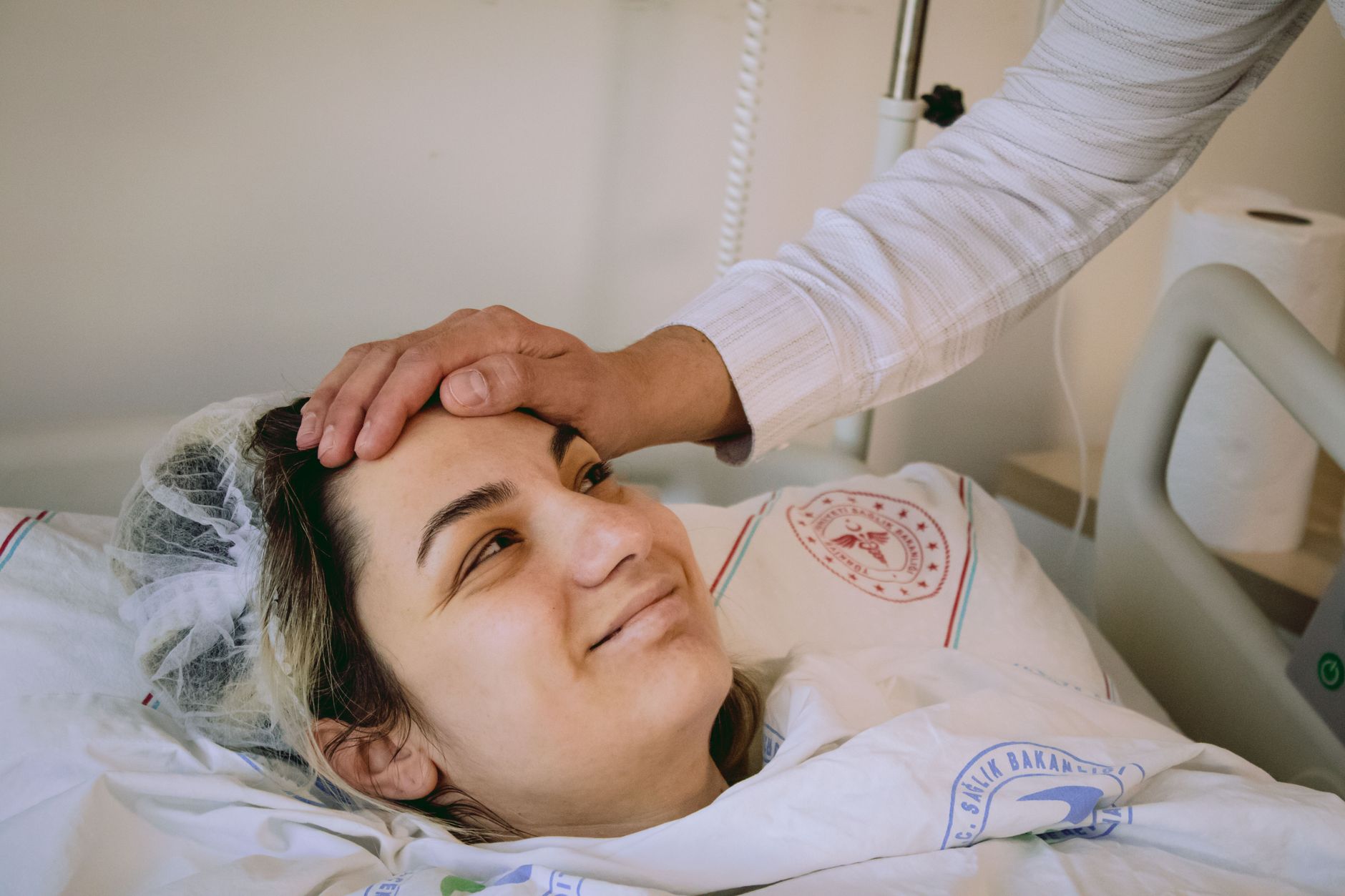
Advanced Technology Meets Compassionate Nursing
What makes Türkiye's ENT care truly exceptional is the combination of high-tech infrastructure and human touch. Operating theatres are equipped with the latest navigation systems, microscopes and endoscopes. Intensive care units meet international standards. Yet technology alone does not heal — it is the nurses who make the difference.
Turkish nursing care is often described as both professional and deeply caring. Nurses are trained to anticipate patient needs, from pain management to emotional support. For international patients, many speak English or have access to interpreters. Families are welcomed and kept informed.
This blend of advanced medicine and genuine hospitality creates an environment where healing happens faster. Patients consistently report feeling safe, respected and well looked after — a key reason why Türkiye attracts so many medical travellers.
Practical Tips for a Smooth Medical Trip
Documentation: Ensure you have a valid passport, visa (if required) and all medical records translated into Turkish or English. Most hospitals provide translation services.
Best Time to Travel: Spring (April–May) and autumn (September–October) offer mild weather and easier scheduling. Summer is busier but still manageable.
Accommodation: Many hospitals have partnerships with nearby hotels offering discounted rates for patients and companions. Ask your coordinator for recommendations.
Insurance and Payments: Check with your insurance provider about coverage abroad. Most Turkish hospitals accept international credit cards and bank transfers; payment plans may be available.
Aftercare: Follow your surgeon's instructions carefully. Avoid strenuous activity, keep follow-up appointments and do not hesitate to contact your medical team with any concerns.
Türkiye's ENT departments are not just treating conditions — they are restoring hearing, breathing and quality of life, one patient at a time. With short waiting lists, accredited facilities and a culture of care, the journey is as reassuring as the outcome.
Thinking about treatment in Turkey?
Send us a question about this site or about the information published on it. This is a publisher's mailbox, not a medical service and not a route to a particular provider — for clinical questions, contact your own doctor.