

Why Türkiye Takes Health Tourism Authorisation Seriously
Türkiye has become one of the world's leading destinations for medical travel, welcoming hundreds of thousands of international patients each year for procedures ranging from hair transplants to heart surgery. That growth is not accidental. It is built on a deliberate, government-led framework designed to ensure that every clinic treating foreign patients meets clear, enforceable standards.
At the centre of that framework is the Ministry of Health's Health Tourism Authorisation Certificate (Sağlık Turizmi Yetki Belgesi). This is not a marketing badge or a voluntary association membership. It is an official authorisation issued by the Turkish Republic's Ministry of Health, and it signals that a facility has been inspected and approved to provide healthcare services to international patients.
For anyone considering treatment in Istanbul, Ankara, Izmir or Antalya, understanding this authorisation system is one of the most practical steps you can take to protect yourself. It tells you, at a glance, whether a clinic has met the government's requirements for facilities, staffing, hygiene, patient rights and international patient services.
What the Authorisation Certificate Actually Requires
The Ministry of Health does not hand out health tourism authorisation lightly. To obtain and maintain the certificate, a healthcare facility must satisfy a detailed set of criteria covering both clinical quality and the specific needs of international patients.
- Licensed medical staff: All physicians, surgeons, nurses and anaesthetists must hold valid Turkish medical licences and be registered with the relevant professional bodies. Specialists must have recognised board certification in their field.
- Accredited facilities: Operating theatres, intensive care units, sterilisation departments and recovery rooms must meet national hospital standards. Many authorised clinics also hold international accreditations such as JCI (Joint Commission International) or ISO certifications.
- Sterilisation and infection control: Documented protocols for instrument sterilisation, single-use materials, waste disposal and infection prevention are mandatory and subject to inspection.
- Emergency preparedness: Authorised facilities must have emergency response plans, resuscitation equipment, blood supply arrangements and transfer agreements with full hospitals where needed.
- International patient services: This includes multilingual coordinators, translated consent forms, clear pricing, airport transfer arrangements, and a formal complaints and follow-up mechanism.
- Insurance and liability: Facilities must carry professional liability insurance and comply with patient rights regulations.
These requirements are not static. The Ministry updates them periodically and conducts inspections, meaning authorisation is a living commitment rather than a one-time achievement.
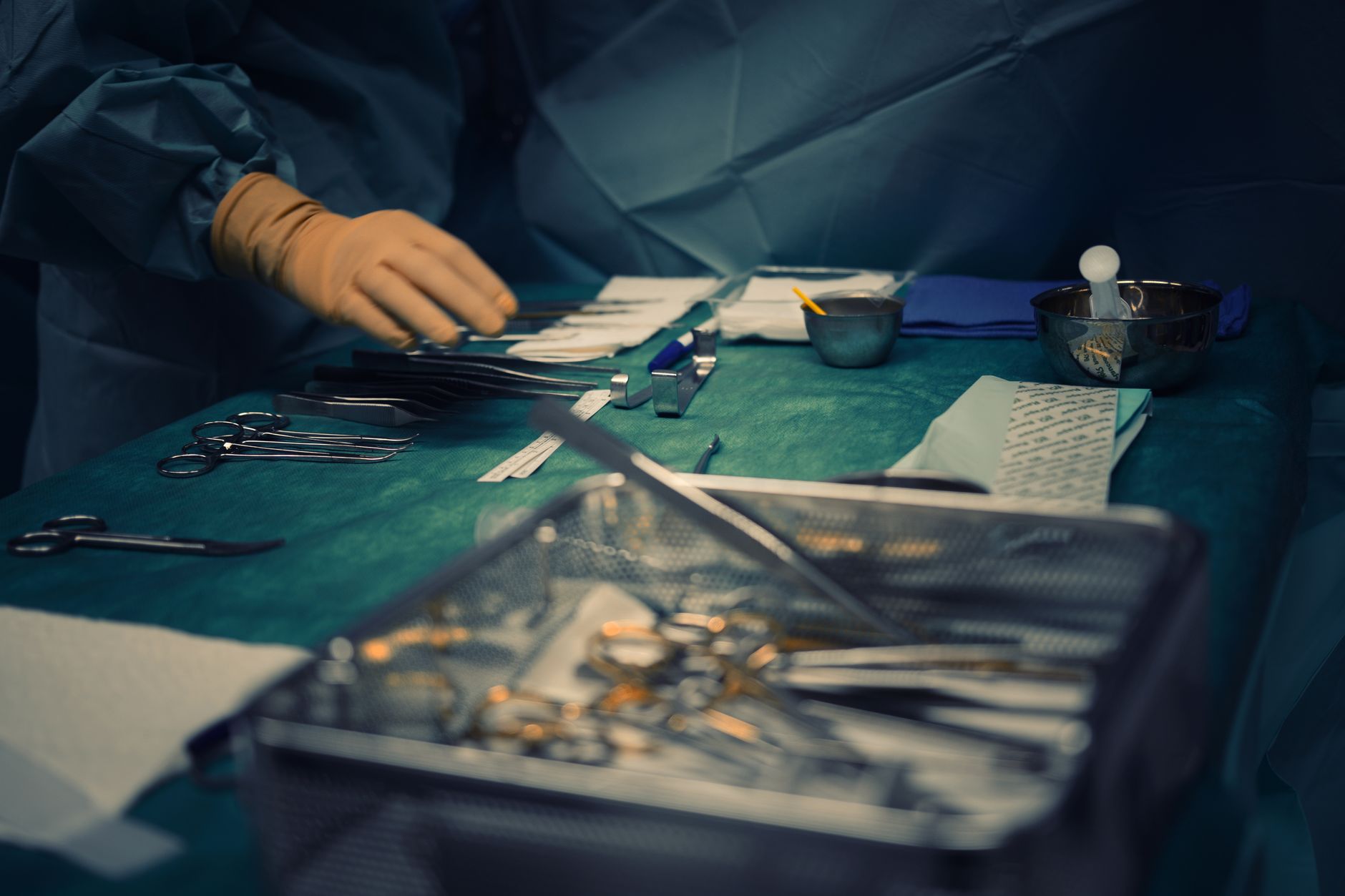
Sterile Facilities: The Foundation of Safe Surgery
When you undergo any surgical procedure abroad, the environment in which it is performed is as important as the surgeon's skill. Authorised clinics in Türkiye are required to maintain sterile environments that meet the same standards demanded of Turkish public and private hospitals treating local patients.
This means operating theatres with controlled air filtration, positive pressure systems to keep contaminants out, and rigorous protocols for sterilising every instrument that touches you. Single-use needles, syringes, blades and sutures are standard. Sterilisation departments are subject to validation testing, and staff are trained in infection control.
For procedures such as hair transplants, dental implants or cosmetic surgery — where thousands of tiny instruments and grafts are involved — these protocols are critical. An authorised clinic can demonstrate its sterilisation records and infection rates, and it will happily do so when asked. That transparency is one of the practical benefits of the authorisation system: it gives you a documented basis for asking the right questions.
"Sterility is not a marketing claim — it is a measurable, inspectable standard. Authorisation makes that standard verifiable."
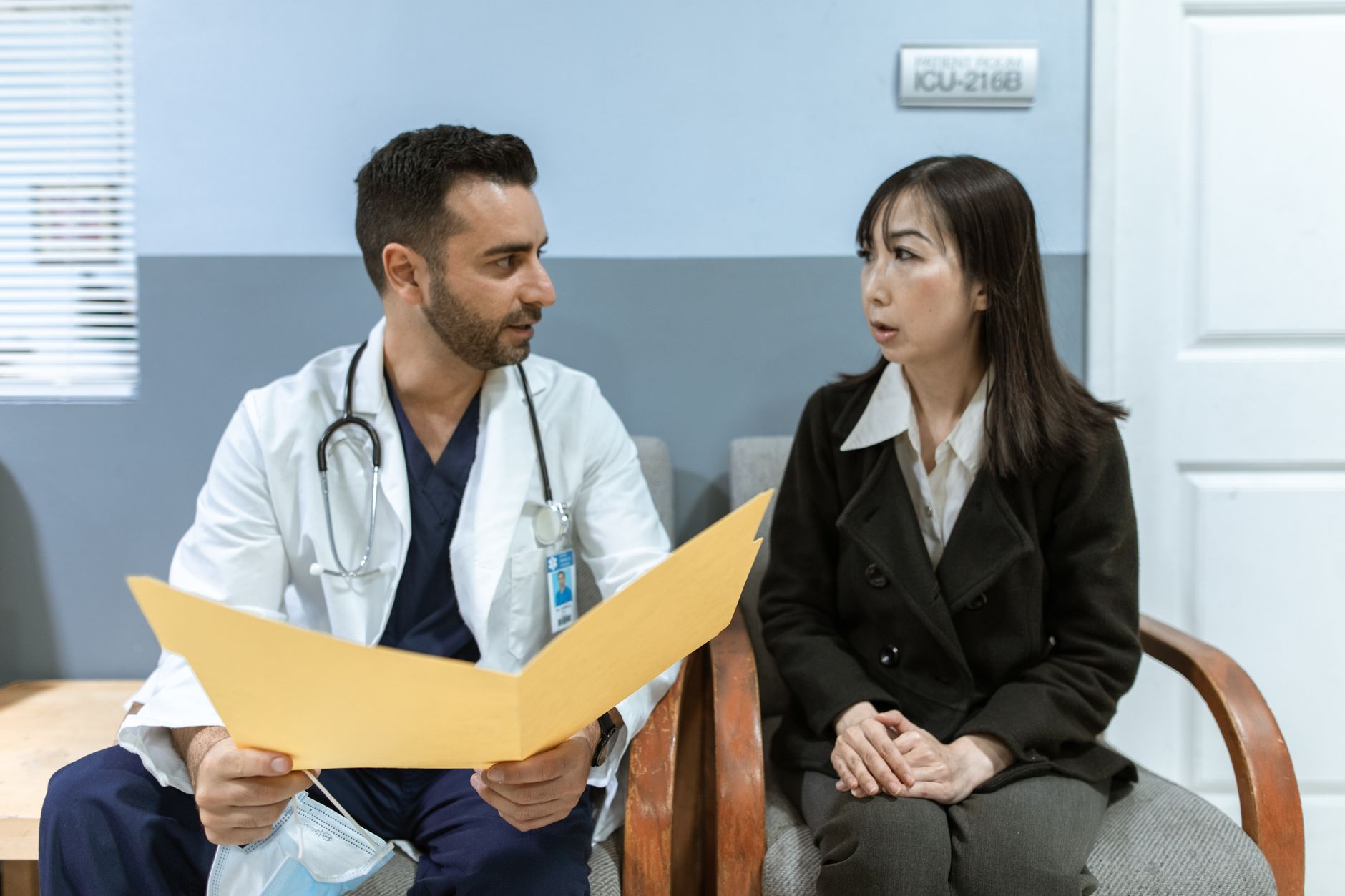
Qualified Staff: Verified Credentials You Can Check
One of the greatest anxieties for medical travellers is not knowing whether the person performing their procedure is genuinely qualified. In Türkiye's authorised system, that concern is substantially reduced because credentials are verified at multiple levels.
Physicians must be graduates of recognised medical schools, hold a valid licence from the Ministry of Health, and complete residency training in their specialty. Surgeons performing procedures such as rhinoplasty, liposuction or organ transplants must hold the appropriate specialty title. The Ministry maintains registries that allow patients — or their coordinators — to verify a doctor's licence status.
Authorised clinics are also required to employ qualified nursing staff in adequate numbers, and to have anaesthesia coverage by certified anaesthesiologists for surgical procedures. In facilities offering intensive care, staff must have specific critical care training and equipment must meet national ICU standards.
This layered verification means that when you choose an authorised clinic, you are not relying solely on a website's claims. You are relying on a government-issued authorisation that was granted only after those claims were checked.
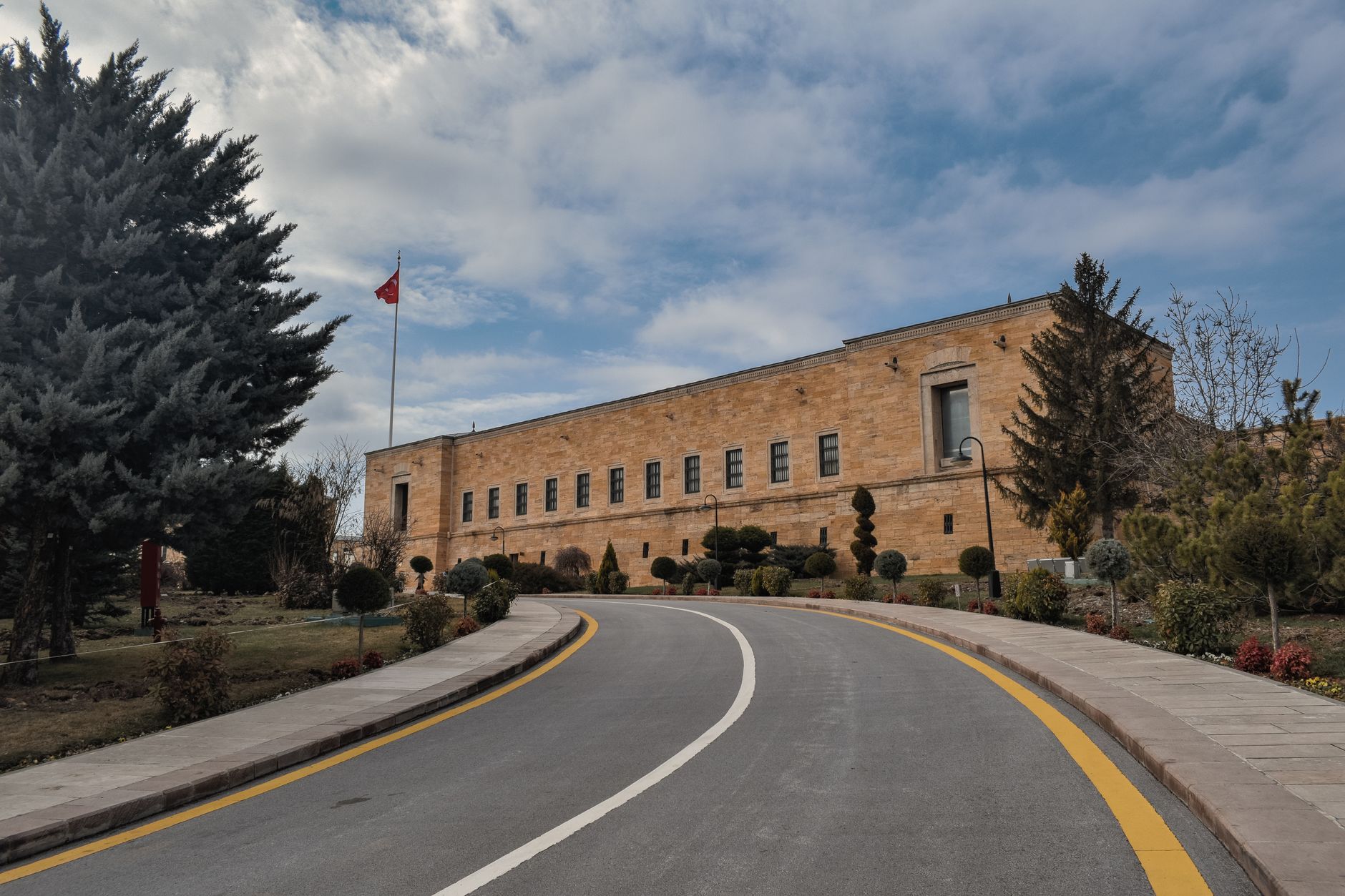
How Authorisation Adds Reassurance for International Patients
Healthcare systems differ from country to country, and patients travelling abroad often face language barriers, unfamiliar regulations and uncertainty about legal recourse. Türkiye's health tourism authorisation framework directly addresses these concerns.
Authorised facilities must provide interpretation services in the patient's language and ensure that consent forms and treatment plans are explained clearly before any procedure. They must offer transparent written quotations and avoid hidden costs. They are also required to have a system for handling complaints and complications, including follow-up care after you return home.
Perhaps most importantly, authorisation establishes accountability. If a facility fails to meet standards, the Ministry can suspend or revoke its certificate, effectively removing its ability to legally treat international patients. This creates a strong incentive for clinics to maintain quality and resolve patient issues promptly.
For patients, this means choosing an authorised clinic is not just about prestige — it is about having a regulator behind you. If something goes wrong, there is a formal body that oversees the facility and a documented framework within which disputes can be addressed.
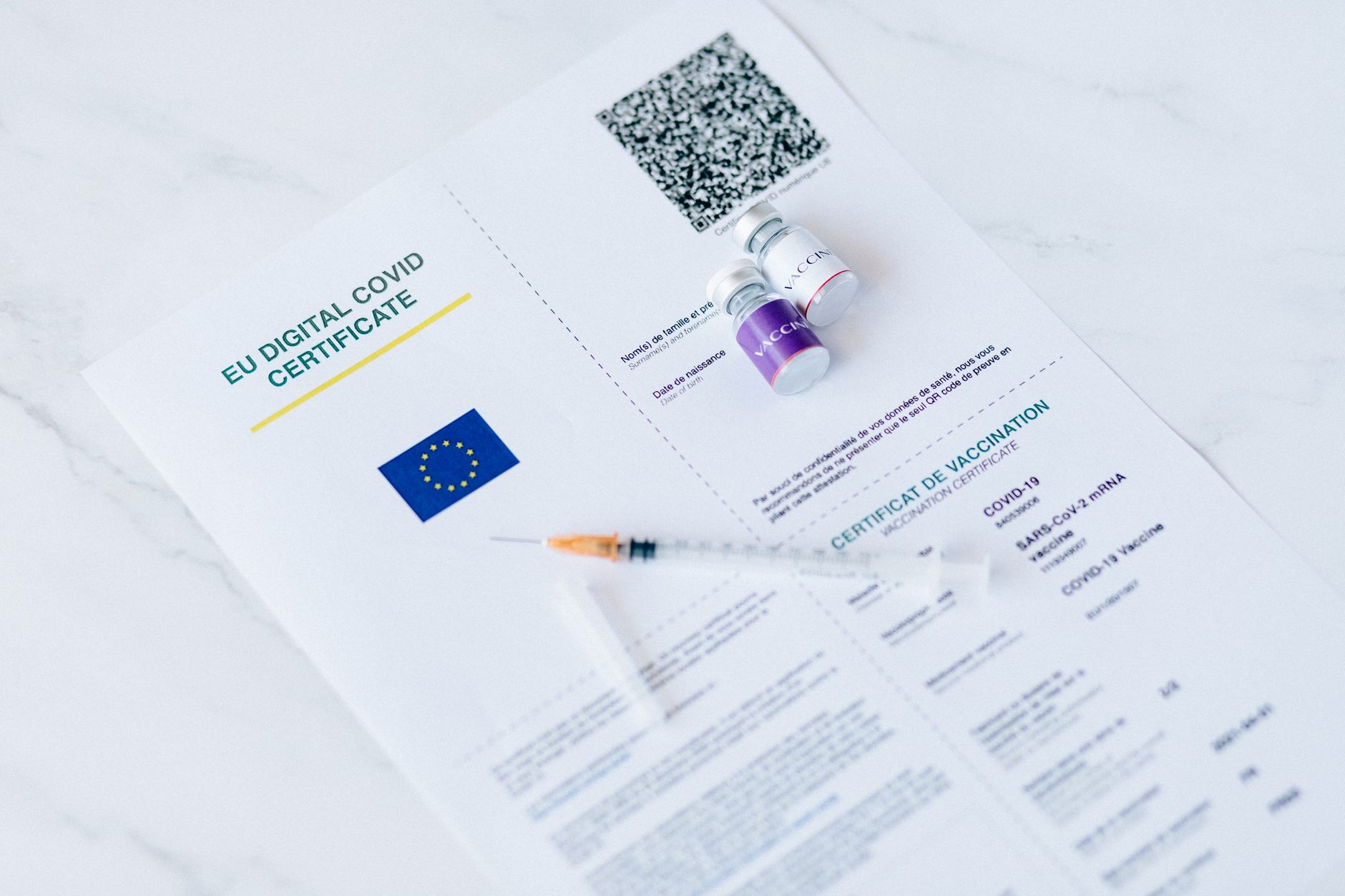
How to Verify a Clinic's Authorisation Before You Book
Verifying authorisation is straightforward and should be a standard part of your decision-making process. Here is how to do it:
- Ask the clinic directly for its Health Tourism Authorisation Certificate number and issuing date. Legitimate clinics display this information openly.
- Check the Ministry of Health's list. The Turkish Ministry of Health publishes a list of authorised health tourism facilities on its official website. Cross-reference the clinic's name and certificate number there.
- Look for international accreditation as an additional layer. JCI, TEMOS or ISO certifications complement — but do not replace — Turkish authorisation.
- Request the surgeon's licence details and, if you wish, verify them through the Ministry's physician registry.
- Ask about sterilisation and emergency protocols in writing. Authorised clinics should be able to provide this information without hesitation.
If a clinic cannot or will not provide its authorisation details, treat that as a serious red flag. No reputable facility in Türkiye's regulated system has anything to hide.
The Bigger Picture: A Regulated Framework You Can Trust
Türkiye's health tourism authorisation system is part of a broader national strategy to position the country as a safe, high-quality medical destination. It is supported by legislation, ministry inspections, and collaboration between public hospitals, private clinics and universities.
This regulatory environment benefits patients in several ways. It raises the overall standard of care, because clinics must compete not only on price and marketing but on verified quality. It reduces the risk of rogue operators, because unlicensed facilities can be shut down. And it gives international patients a clear, official marker of legitimacy that is recognised across borders.
When you choose an authorised clinic in Istanbul or elsewhere in Türkiye, you are choosing a facility that has voluntarily submitted to government oversight and met documented standards for sterility, staffing, safety and patient care. That is not just reassurance — it is the foundation of a safe medical journey.
Medical travel will always involve some element of trust. Türkiye's authorisation system exists to make that trust evidence-based. Before you book, verify the certificate, ask the hard questions, and let the official framework work for you.
Thinking about treatment in Turkey?
Share your contact details and a verified doctor will follow up with a plan built around you — free, no obligation.