
Why Türkiye Is the Smart Choice for Remote Workers Seeking Treatment
For digital nomads and remote workers, the freedom to work from anywhere comes with a quiet challenge: what happens when you need medical treatment? Taking weeks off to return home can mean lost income, disrupted projects, and unnecessary stress. Türkiye is changing that equation. With its blend of modern healthcare, affordable long-stay living, and a culture that welcomes international visitors, Türkiye has become a leading destination for remote professionals who want to combine treatment with uninterrupted work.
The numbers tell a compelling story. Türkiye welcomes hundreds of thousands of health tourists each year, and cities like Istanbul, Antalya, and Izmir are home to internationally accredited hospitals equipped with the latest technology. At the same time, the cost of living—especially outside the most touristic neighborhoods—remains remarkably reasonable, making it feasible to stay for weeks or even months while you recover and keep working.
But what truly sets Türkiye apart is the infrastructure for remote work. Fast internet is widely available, co-working spaces are multiplying, and serviced apartments cater to long-term guests with all the comforts of home. Whether you need a routine procedure, dental work, or a more complex treatment, you can plan your medical journey around your work schedule—not the other way around.
In this guide, we'll show you how to navigate Türkiye's health tourism ecosystem as a digital nomad. From visa options and recovery-friendly accommodations to practical tips on managing your workload and follow-up care, you'll discover why Türkiye is the ideal blend of modern healthcare and quality of life.
Visa Options for Long-Stay Health Travelers
One of the first questions remote workers ask is: how long can I stay? Türkiye offers several visa pathways that support extended medical stays. Many nationalities can enter visa-free for up to 90 days within a 180-day period, which is often enough for a procedure plus recovery. For longer stays, a short-term residence permit (ikamet) is the standard route. It allows you to remain in the country for up to one year, with the possibility of renewal.
While the residence permit is not specifically a "medical visa," health treatment is a recognized reason for application. You'll typically need to show proof of accommodation, health insurance, and sufficient financial means. For digital nomads, a new alternative is the Digital Nomad Visa, recently introduced to attract remote workers. It requires proof of remote employment and a minimum income, and it grants a longer stay with the right to work remotely for foreign clients.
Regardless of the visa type, it's wise to consult the nearest Turkish consulate or a local immigration expert to confirm the latest requirements. Policies can change, and having a professional guide you through the paperwork saves time and uncertainty.
Once you have your visa sorted, you can focus on the more important matters: your health and your work. The Turkish government has streamlined processes for health tourists, and many hospitals have international patient departments that can provide invitation letters or support documentation for your visa application.
Affordable Serviced Apartments and Recovery-Friendly Stays
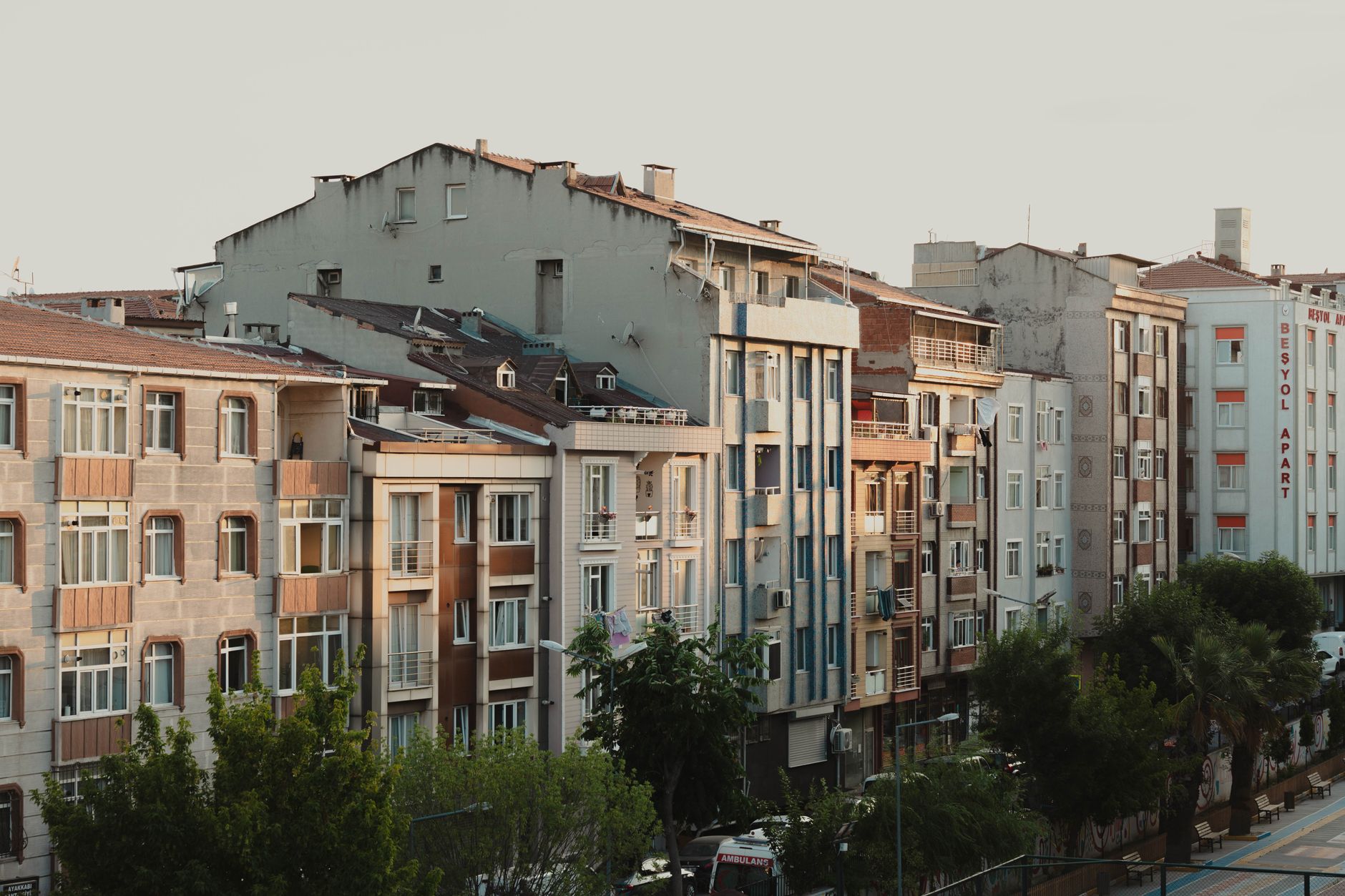
Where you stay during treatment matters. You need a space that is comfortable, quiet, and equipped for both recovery and work. Türkiye excels here. Serviced apartments—particularly in Istanbul's Şişli, Beşiktaş, and Kadıköy districts, or along the Antalya coast—offer the perfect balance of hotel-like amenities and apartment independence.
These apartments typically include a fully equipped kitchen, washing machine, high-speed Wi-Fi, and regular cleaning. Many also have on-site gyms, pools, and 24/7 security. For someone recovering from surgery, having a kitchen to prepare healthy meals and a separate living area to set up a laptop is invaluable. Prices are surprisingly affordable: a modern one-bedroom serviced apartment in a good neighborhood might cost €500–€900 per month, far less than a comparable stay in Western Europe or North America.
When choosing your accommodation, prioritize these factors: proximity to your clinic (ideally within a 15-minute drive), elevator access if you have mobility restrictions, and a reliable internet connection for video calls. Many serviced apartments cater specifically to medical tourists and can arrange airport transfers, grocery delivery, and even nursing care if needed.
Beyond the apartment itself, consider the neighborhood. You'll want easy access to pharmacies, supermarkets, and green spaces for gentle walks. Areas like Nişantaşı in Istanbul offer upscale shopping and cafes, while Antalya's Konyaaltı district provides a relaxed seaside atmosphere perfect for recovery.
"I had a dental implant procedure in Istanbul and worked remotely the entire time. My serviced apartment had better Wi-Fi than my flat back home, and I was able to attend all my meetings without a hitch." — Mark, remote software engineer
Finding World-Class Clinics That Understand Remote Workers
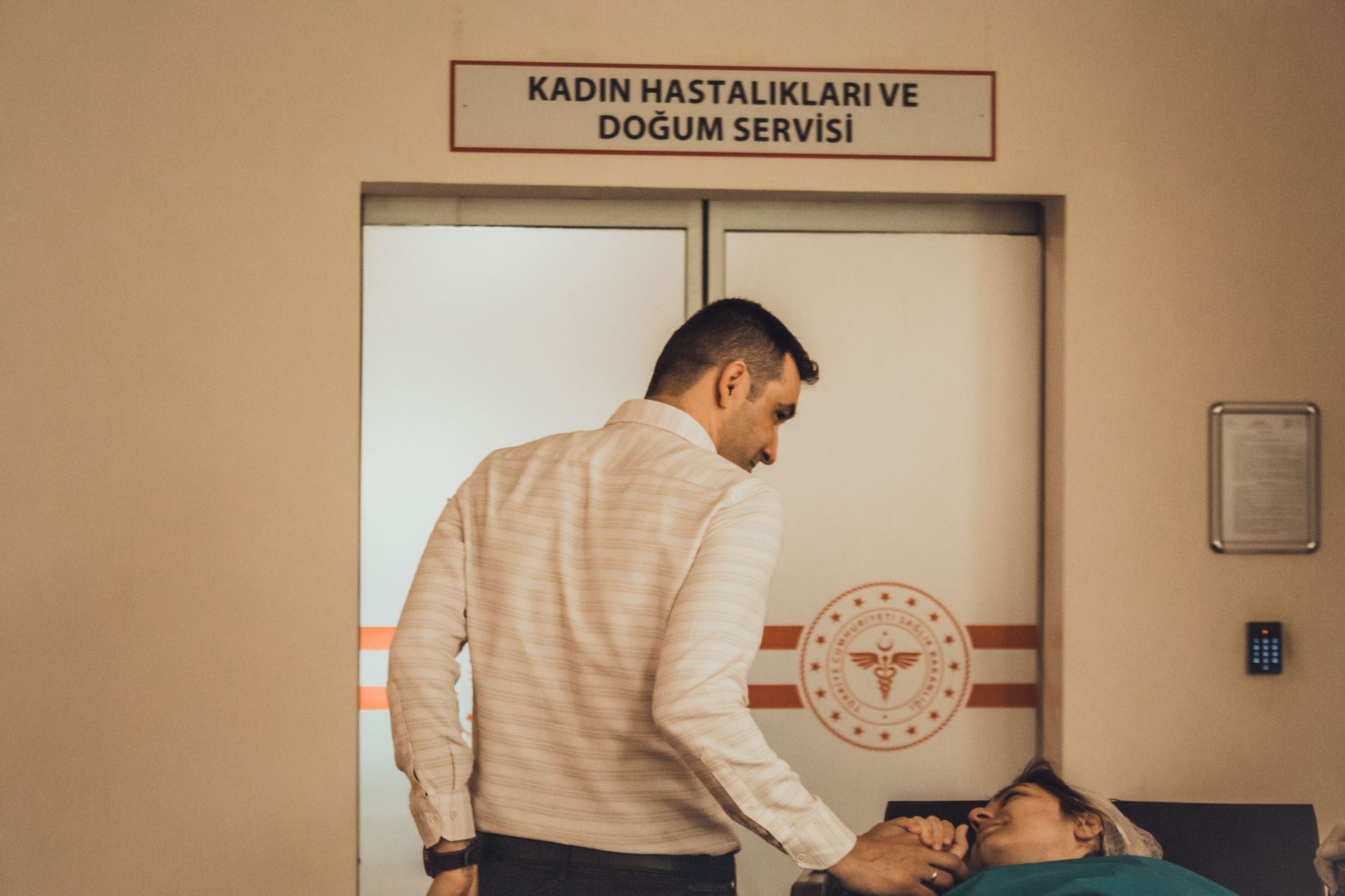
Türkiye's healthcare system is a mix of public and private hospitals, with the private sector leading in international patient services. Many private hospitals hold Joint Commission International (JCI) accreditation, meaning they meet rigorous global standards for safety and quality. These hospitals often have dedicated international patient departments with multilingual staff, including English, Arabic, Russian, and German speakers.
For remote workers, the key is to find a clinic that offers flexibility. Ask about appointment scheduling outside typical working hours, telemedicine follow-ups, and the possibility of coordinating treatment plans around your project deadlines. Some clinics even provide private workspaces or quiet lounges where you can wait between tests and answer emails.
When researching clinics, look for transparency in pricing and a clear treatment plan. Reputable hospitals will provide a detailed quote before you commit, including consultations, procedures, medications, and follow-up visits. They should also be upfront about recovery timelines so you can plan your work commitments accordingly.
Do not overlook smaller specialized clinics for dental work, hair transplants, or aesthetic procedures. These often offer more personalized care and competitive prices, and many are accustomed to accommodating digital nomads who need to stay connected. Always check reviews on independent platforms and ask for before-and-after photos or patient testimonials.
Balancing Treatment and Work: Practical Planning Tips
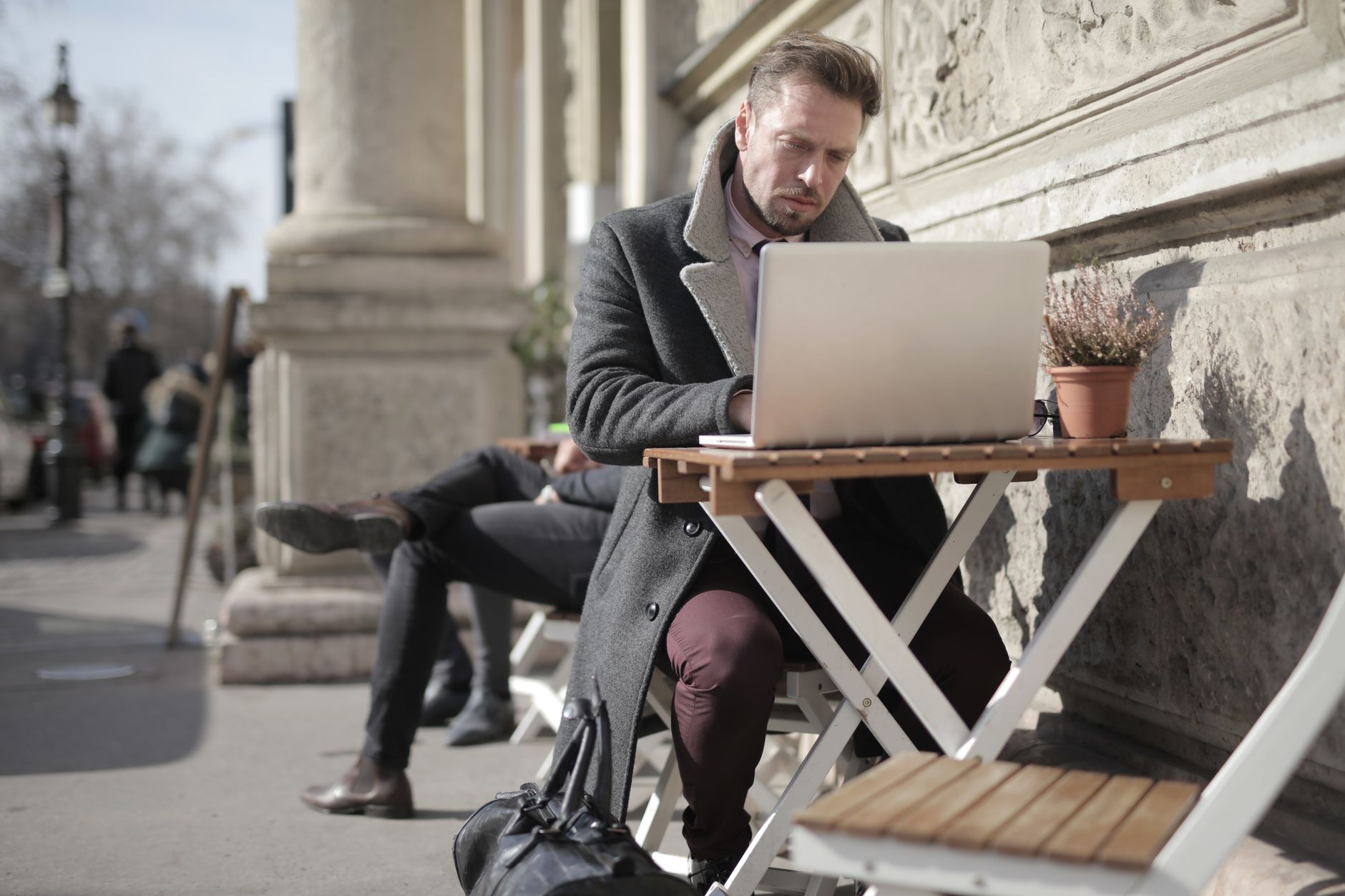
Combining medical treatment with remote work requires careful planning. Start by mapping out your treatment timeline: consultations, procedure date, and expected recovery milestones. Then, block your calendar accordingly. For example, if you're having a procedure that requires sedation, you'll need at least a day off from work, and possibly more depending on your reaction.
Communicate with your employer or clients early. Most will appreciate the heads-up and may offer flexibility. If you're a freelancer, consider adjusting your project deadlines or outsourcing tasks during the most intense recovery days. The goal is to reduce pressure so you can heal properly without jeopardizing your professional reputation.
Set up a comfortable recovery workspace in your apartment. A laptop stand, ergonomic chair, and noise-cancelling headphones can make a big difference. Ensure you have a backup internet solution, such as a local SIM card with data, in case your primary connection fails. Also, stock up on easy-to-prepare meals and snacks to avoid unnecessary outings.
Finally, listen to your body. It's tempting to push through, but recovery is not the time to overdo it. Schedule short work sessions with frequent breaks, and don't hesitate to delegate or postpone non-urgent tasks. Your health is the priority—everything else can wait.
Wi-Fi-Friendly Recovery: Staying Connected Without Compromising Healing
For digital nomads, a reliable internet connection is non-negotiable. Fortunately, Türkiye boasts some of the fastest internet speeds in the region, especially in major cities. Fiber-optic connections are common in serviced apartments, and mobile data is affordable and fast. A 4.5G SIM card with a generous data package costs just a few euros per month.
To create a Wi-Fi-friendly recovery environment, choose accommodation with a dedicated workspace and a strong signal in the bedroom and living area. Test the connection before booking—many hosts will happily run a speed test for you. If you need extra stability, consider a portable MiFi device or a backup mobile hotspot.
Ergonomics matter during recovery. Avoid working from bed for extended periods; instead, set up a comfortable chair with back support. Take regular breaks to stretch and walk around, which also aids circulation and healing. If your treatment involves eye surgery or other sensitivities, adjust screen brightness and use blue-light filters.
Don't forget the importance of rest. While staying connected is important, your body needs downtime to recover. Schedule your most demanding tasks for when you feel most energetic, and allow yourself to log off guilt-free. A balanced approach will help you heal faster and return to full productivity sooner.
Flexible Follow-Up Care and Telemedicine Options
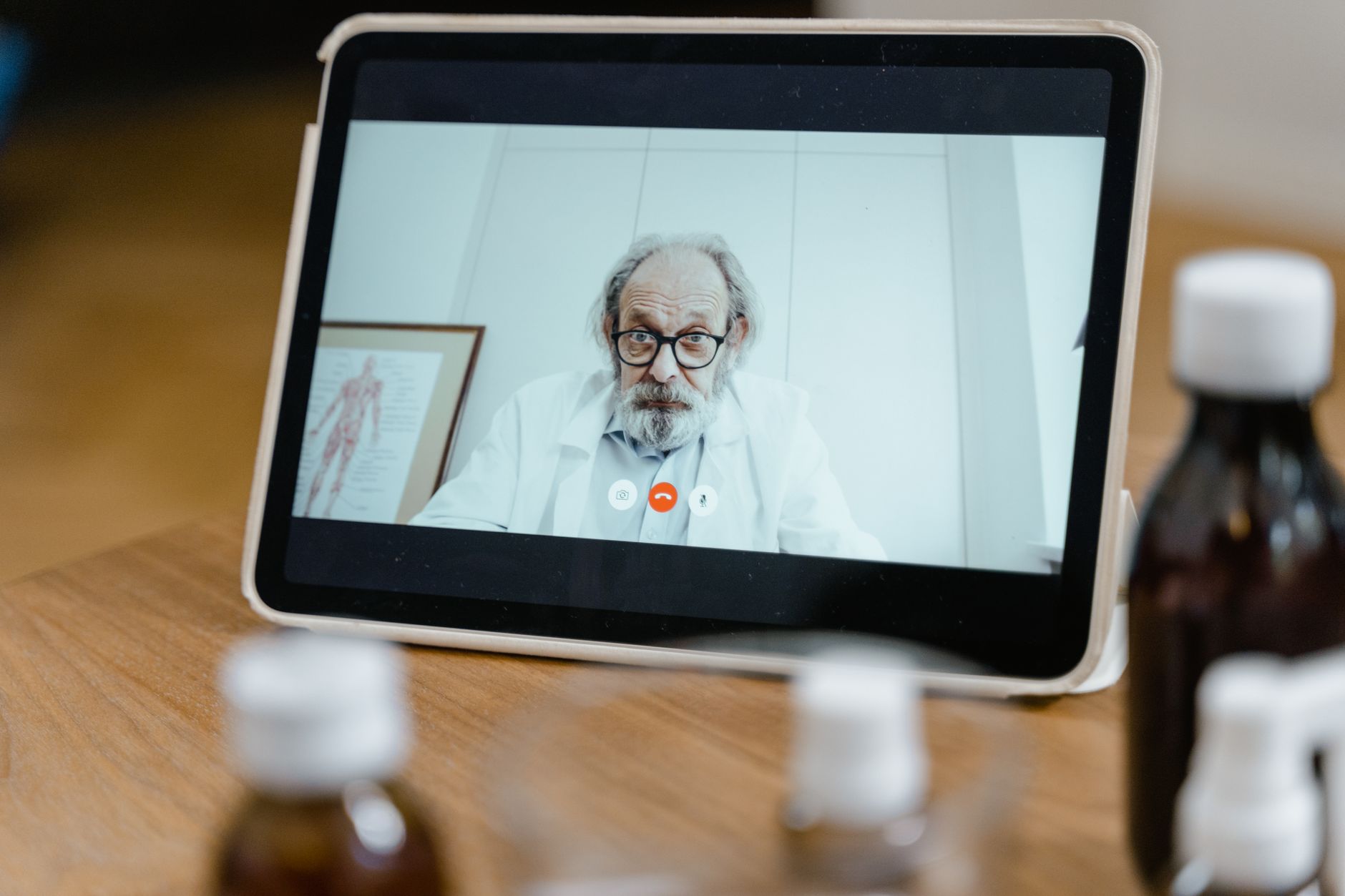
One concern for medical travelers is follow-up care after returning home. Türkiye's leading hospitals are well-versed in this and often provide telemedicine consultations for post-operative check-ins. You can schedule video calls with your surgeon or specialist, share photos of your healing progress, and receive prescriptions or advice remotely.
Before you leave Türkiye, ask for a detailed medical report and discharge summary in English. This documentation will be invaluable for your local doctor. Also, clarify who to contact in case of emergencies and how to reach them. Some clinics offer a dedicated patient coordinator who remains available via WhatsApp or email for several months after your procedure.
If your treatment requires physical therapy or regular monitoring, consider extending your stay in Türkiye to complete the initial phase. Many physiotherapy centers offer package deals for international patients, and you can continue working remotely while attending sessions. This approach ensures continuity of care and often yields better outcomes.
For chronic conditions or ongoing treatments, Türkiye's private hospitals can provide comprehensive programs that combine medical care with lifestyle support. You might find that staying a bit longer allows you to fully integrate recovery with your work rhythm, turning a medical necessity into a productive and restorative period.
Embracing the Turkish Quality of Life During Your Stay
Recovery doesn't have to be a monotonous waiting game. Türkiye offers a rich quality of life that can make your medical stay unexpectedly enjoyable. Between appointments and work sessions, you can explore historic neighborhoods, savor healthy Mediterranean cuisine, and enjoy the warm hospitality of the Turkish people.
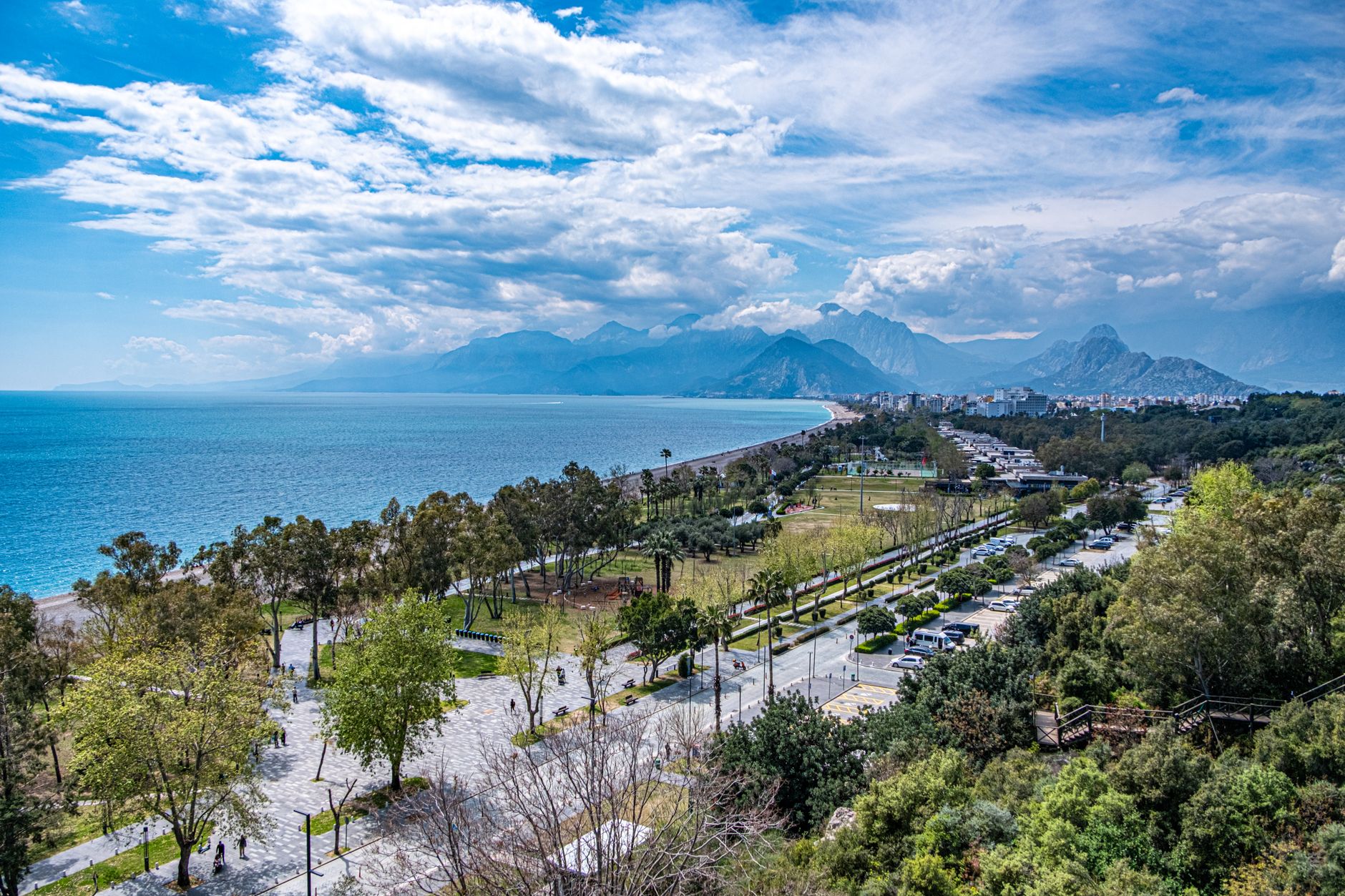
In Istanbul, take a gentle stroll through Yıldız Park or along the Bosphorus. In Antalya, the seaside promenades are perfect for light exercise. Turkish cuisine, with its emphasis on fresh vegetables, olive oil, and grilled fish, is both delicious and conducive to healing. Don't miss the chance to try a traditional Turkish breakfast—a spread of cheeses, olives, tomatoes, and eggs that will fuel your day.
Many digital nomads find that the change of scenery boosts their creativity and productivity. The blend of ancient history and modern amenities creates an inspiring backdrop for work. Whether you're answering emails from a cafe overlooking the Galata Tower or taking a conference call from your apartment balcony, you'll feel that life doesn't stop for treatment—it simply continues in a new, enriching way.
Ultimately, Türkiye's health tourism for digital nomads is about more than just medical care. It's about maintaining your income, your independence, and your quality of life while addressing your health needs. With thoughtful planning and the right resources, you can turn a medical trip into a chapter of personal and professional growth.
So if you're a remote worker facing a procedure, consider Türkiye. Here, world-class clinics, affordable long-stay living, and a vibrant culture come together to support your health and your career. Your recovery can be a time of productivity and peace—all you need is a good Wi-Fi connection and a bit of Turkish hospitality.
Thinking about treatment in Turkey?
Share your contact details and a verified doctor will follow up with a plan built around you — free, no obligation.