

Why Türkiye Has Become a Global Destination for Hearing Care
Türkiye has quietly become one of the world's most trusted destinations for hearing aid fitting and audiological rehabilitation. Each year, thousands of international patients travel to Istanbul, Ankara, Izmir, and Antalya not only for cosmetic surgery or dental work, but increasingly for sophisticated hearing solutions that would cost two to three times more in Western Europe or North America. The combination of modern clinical infrastructure, internationally trained audiologists, and genuinely warm patient care has created a reputation that spreads largely by word of mouth.
What sets Turkish audiology apart is not merely price. It is the speed and personalization of the service. A visiting patient can typically be assessed, fitted, and trained on a new hearing device within a single week, a timeline that is nearly impossible to achieve in many public healthcare systems abroad. Clinics in Istanbul routinely reserve same-week appointments for international guests, coordinate interpreter support, and design fitting schedules around travel dates rather than bureaucratic queues.
Equally important is the technology on offer. Turkish clinics work directly with the world's leading hearing aid manufacturers, including premium device families from Denmark, Switzerland, and Germany, and they fit the same current-generation models available in London, Toronto, or Sydney. Patients are not receiving older or regional versions; they receive the same devices, programmed by audiologists who often hold European or American certification.
For many patients, the deciding factor is not the discount but the sense that someone is finally listening to their specific hearing problem rather than processing them through a system.
The Team Approach: How Audiologists and ENT Specialists Work Together
In Türkiye, hearing care is rarely delivered in isolation. Most reputable clinics operate as integrated ear, nose, and throat (ENT) and audiology centers, where the patient's journey begins with a physician and continues with a dedicated audiologist. This collaborative model is one of the strongest arguments for choosing a Turkish clinic, because it ensures that a hearing aid is never fitted before the underlying medical cause of hearing loss has been properly investigated.
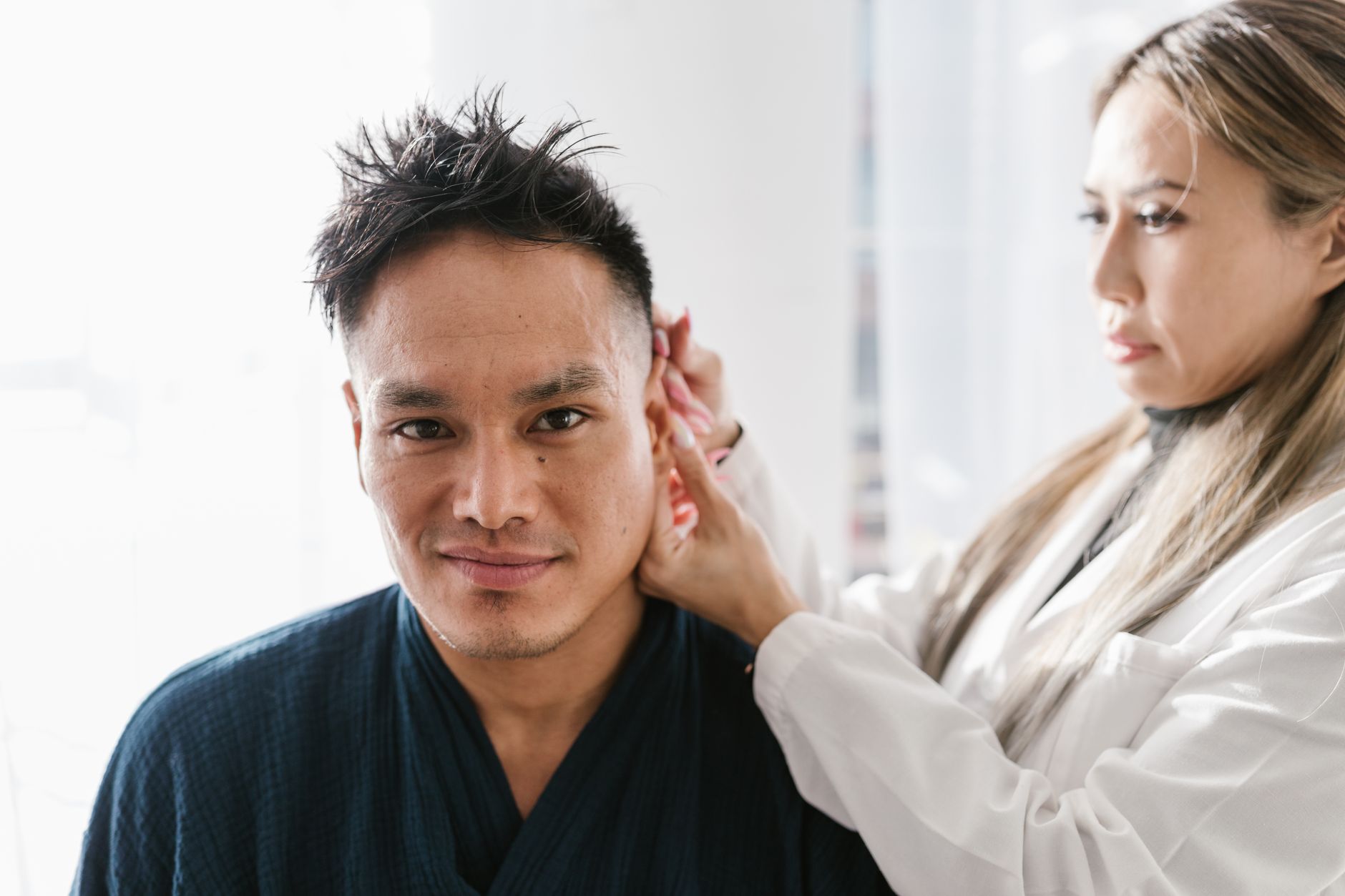
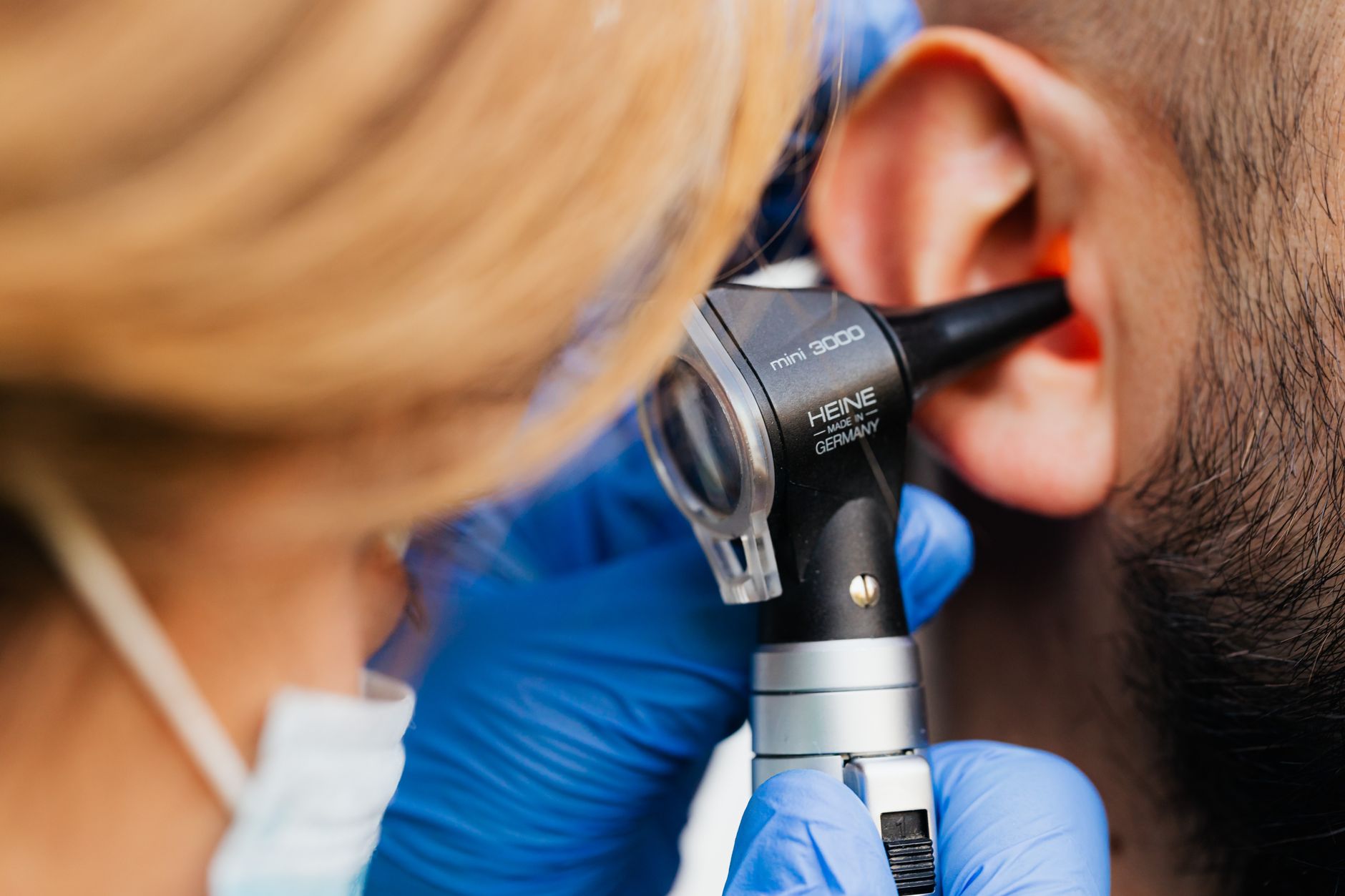
The process typically starts with an ENT specialist who reviews the patient's history, performs otoscopy and, when indicated, endoscopic examination of the ear canal and eardrum. The ENT physician screens for conditions that a hearing aid alone cannot solve: cerumen impaction, middle-ear fluid, perforated eardrum, cholesteatoma, otosclerosis, or sudden sensorineural hearing loss that may still respond to medical treatment. If a medical or surgical issue is found, the ENT team addresses it first, sometimes the same day.
Only after medical clearance does the audiologist take the lead. The audiologist conducts pure-tone audiometry, speech audiometry, impedance testing, and where relevant otoacoustic emissions testing. Together, the ENT specialist and audiologist interpret the results as a team, discussing whether the hearing loss is conductive, sensorineural, or mixed, and whether it is stable or progressive. This shared decision-making means the recommended hearing aid is matched to the actual diagnosis, not just to a sales target.
For visiting patients, this integrated structure offers a significant practical advantage: ENT consultation, audiological assessment, and device fitting can all happen under one roof within days. There is no need to shuttle between a hospital, a private practice, and a retail hearing aid shop. The same team that diagnoses the problem also solves it, and that continuity builds trust quickly, even when the patient is far from home.
The Assessment Experience: What Visiting Patients Can Expect
The first appointment at a Turkish audiology clinic usually lasts between 60 and 90 minutes, considerably longer than the rushed screenings many patients experience elsewhere. The audiologist begins with a detailed case history covering noise exposure, family history, medications, tinnitus, vertigo, and the specific listening situations that matter most to the patient, whether that is family dinners, business meetings, or religious services.
Testing itself is conducted in sound-treated booths using calibrated equipment that meets international standards. Results are explained visually, with audiograms shared in printed or digital form so the patient understands exactly what is happening across the frequency range. For patients travelling from countries where audiology appointments are brief, this depth of explanation is often the first surprise, and the first relief.
Because the patient may be fitted the same week, the clinic also takes time to discuss realistic expectations. Audiologists know that a hearing aid is not a cure but a tool, and they are candid about adjustment periods, background noise challenges, and the importance of consistent wear. For first-time users, this honesty prevents disappointment; for experienced users upgrading from older devices, it focuses the conversation on which features, such as rechargeability, Bluetooth streaming, or advanced noise reduction, will genuinely improve daily life.
If the patient wears an existing device from home, the Turkish team will evaluate its performance and programming before recommending anything new. Upgrading is offered only when it is clinically justified, not simply because a newer model exists. This consultative rather than transactional approach is a recurring theme in Türkiye's best hearing clinics.
Premium Device Fitting: Technology Tailored to Individual Ears
Fitting in Türkiye generally means real-ear measurement, a step that distinguishes high-quality clinics from ordinary retail outlets. Using probe microphone technology, the audiologist measures the actual sound delivered in the patient's ear canal and adjusts the device to prescriptive targets such as NAL-NL2 or DSL. This objective verification is far more accurate than relying on software defaults or the patient's subjective nod of approval.
Turkish clinics fit the full spectrum of form factors: behind-the-ear, receiver-in-canal, completely-in-canal, and rechargeable models with lithium-ion batteries. For patients with severe or profound loss, powerful behind-the-ear devices and bimodal or cochlear implant candidacy evaluations are available. Paediatric fittings, bone-anchored solutions, and devices for single-sided deafness are also part of the repertoire in larger centres.
Personalization goes beyond the device. Custom earmolds are often produced in-house or by local laboratories, meaning a visiting patient can be measured one day and receive a precisely fitted mold within 48 hours. In countries where laboratory work is outsourced internationally, this turnaround is a luxury; in Istanbul, it is routine. The result is a fit that is acoustically correct and physically comfortable, reducing feedback, soreness, and the temptation to leave the device in a drawer.
Programming sessions are deliberately unhurried. The audiologist walks the patient through volume control, program switching, smartphone apps, and Bluetooth pairing with phones and televisions. Real-world listening trials may be conducted in the clinic's waiting area or on a nearby street, letting the patient hear the device in genuine noise rather than a silent test booth. Only when both audiologist and patient are satisfied does the fitting conclude, and even then, follow-up tuning sessions are included in the package.

Remote Follow-Up and Support After You Return Home
One of the most common worries for medical travellers is what happens after they fly home. Turkish audiology clinics have addressed this directly with structured remote follow-up programmes. Most premium hearing aids fitted in Türkiye support teleaudiology, allowing the audiologist to adjust gain, programs, and noise settings remotely through a smartphone app and a secure internet connection. A patient in Berlin, Dubai, or Toronto can sit in their living room while their Istanbul-based audiologist fine-tunes the device in real time.
Where remote adjustment is not technically possible, clinics offer scheduled video consultations to troubleshoot issues, coach the patient through basic maintenance, and determine whether a local audiologist needs to be involved. Many Turkish clinics maintain partnerships with hearing care providers abroad, so if a physical repair or earmold remake is required, the patient can be referred to a trusted colleague rather than starting from scratch.
Documentation is prepared with international use in mind. Patients leave with a complete audiogram, fitting verification data, device model and serial numbers, warranty information, and programming details, all translated into English or another requested language. This record allows any audiologist anywhere in the world to understand exactly how the device was configured and to continue care without repeating tests unnecessarily.
Warranties and loss-and-damage policies are typically international, and manufacturers' service networks often cover the device in the patient's home country. Clinics also provide direct contact channels, usually WhatsApp or email, with defined response times for urgent concerns. This aftercare structure transforms a week-long medical trip into an ongoing clinical relationship that spans borders and time zones.

Türkiye as a Leader in Combining Technology with Attentive Service
Türkiye's emergence as a hearing care hub reflects a broader national investment in healthcare tourism infrastructure. Istanbul alone hosts internationally accredited hospitals and dedicated audiology centres, many located near major hotels and served by direct flights from more than 100 countries. Visa procedures for medical travel are streamlined, and many clinics assist with airport transfers, accommodation, and translation, effectively managing the logistics that can make medical travel stressful.
The service culture is a decisive factor. Turkish hospitality is not a marketing slogan but a lived practice: patients are offered tea during appointments, families are welcomed into consultations, and appointments run on time without feeling rushed. Audiologists frequently speak English, Arabic, German, or Russian, and clinics employ coordinators whose sole job is to guide international patients through each step.
Cost remains attractive without compromising quality. A comprehensive assessment, premium bilateral hearing aids, custom molds, multiple tuning sessions, and extended aftercare often cost substantially less than a device-only purchase in many Western markets. Patients are advised to request itemized quotes and confirm what is included, but the general pattern is transparent pricing with no hidden add-ons.
Above all, Türkiye offers something increasingly rare in global hearing care: time. Time to test thoroughly, time to fit precisely, time to explain, and time to follow up across borders. For patients who have lived with unaddressed hearing loss or unsatisfactory devices, that combination of advanced technology and genuine attentiveness is precisely what makes the journey worthwhile.
Thinking about treatment in Turkey?
Share your contact details and a verified doctor will follow up with a plan built around you — free, no obligation.