
Why Türkiye for Heart-Rhythm Diagnostics?
Türkiye has become a leading destination for international patients seeking fast, high-quality cardiac care. Hospitals in Istanbul, Ankara, Izmir, and Antalya combine advanced diagnostic technology with English-speaking cardiologists and efficient scheduling. For visitors with palpitations, unexplained fainting, or a suspected arrhythmia, Türkiye offers something invaluable: speed without compromise.
Unlike many healthcare systems where a Holter monitor may take weeks or months to arrange, Turkish hospitals can often fit you in within days. This makes Türkiye an ideal choice for travelers who need a thorough evaluation but cannot wait long for answers. The country's cardiology clinics are equipped with modern Holter systems, event recorders, and electrophysiology (EP) labs, staffed by specialists trained in Europe and the United States.
Whether you are already in Türkiye for business, combining a holiday with a health check, or flying in specifically for cardiac assessment, the process is streamlined and patient-friendly. This guide explains what Holter monitoring and arrhythmia diagnostics involve, how to arrange them, what to expect, and why Türkiye's hospital-based approach delivers real value for international visitors.
Understanding Holter Monitoring and Arrhythmia Diagnostics
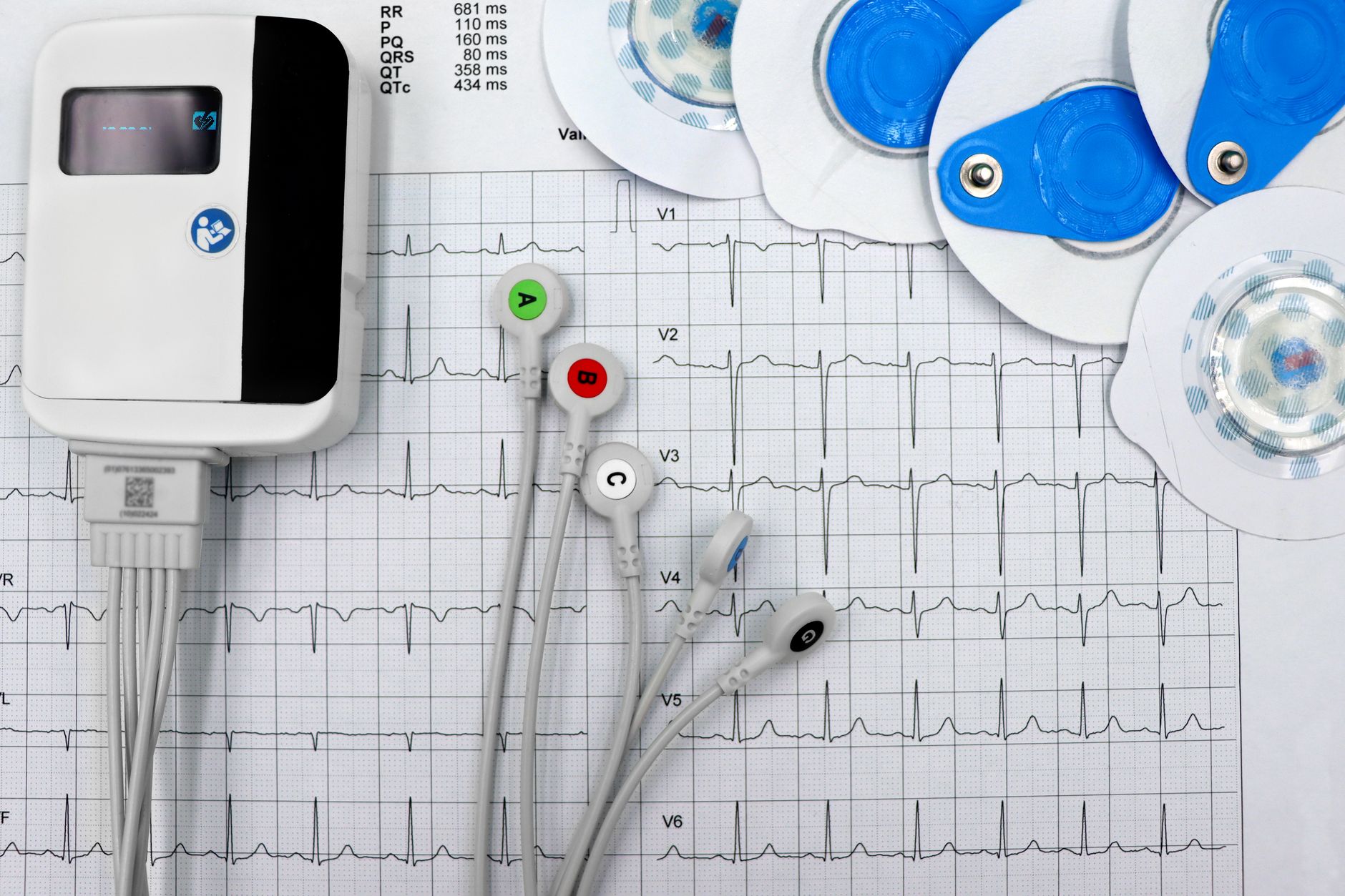
A Holter monitor is a small, portable device that continuously records your heart's electrical activity for 24 to 72 hours (sometimes longer). You wear it on a belt or shoulder strap while going about your normal routine. Unlike a standard ECG that captures only a few seconds, a Holter monitor catches intermittent arrhythmias — irregular heartbeats that come and go — which are often missed during a brief clinic visit.
Event monitors are similar but worn for weeks or months; you press a button when you feel symptoms, and the device saves those moments. Some modern event recorders are implantable and can be monitored remotely. For many patients, a Holter monitor is the first step. If it doesn't capture the problem, your cardiologist may recommend an event recorder or, in some cases, an electrophysiology study (EPS) to map the heart's electrical pathways directly.
Arrhythmia diagnostics also include echocardiography (ultrasound of the heart), stress testing, and blood tests to rule out thyroid or electrolyte imbalances. In Türkiye, these tests are typically done in the same hospital visit or within a day or two, allowing for a comprehensive picture quickly. The goal is to identify the type of arrhythmia — such as atrial fibrillation, supraventricular tachycardia, or bradycardia — and determine the best treatment, whether medication, lifestyle changes, or catheter ablation.
Why Türkiye's Hospitals Excel in Cardiac Diagnostics
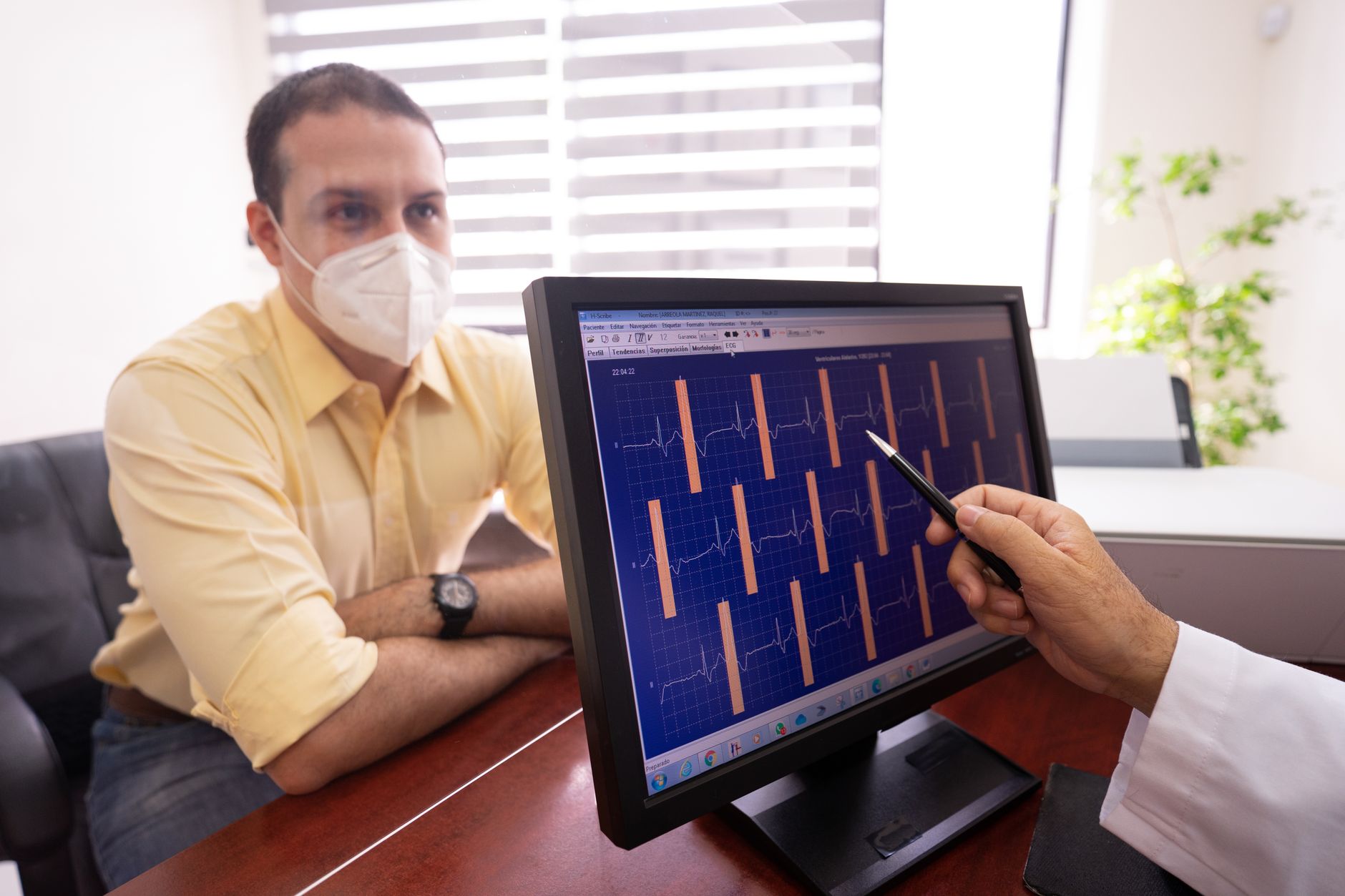
Turkish hospitals, especially those with international patient departments, invest heavily in cardiology. Many are accredited by JCI (Joint Commission International) and have dedicated arrhythmia clinics. The cardiologists are often electrophysiologists with subspecialty training, proficient in reading Holter data and performing EP studies. Equipment is current: 12-lead Holter systems, wireless event monitors, and 3D electroanatomical mapping systems for ablation.
The comfort factor matters too. Modern private hospitals in Istanbul offer private rooms, multilingual staff, and appointment times that respect your schedule. You won't spend hours in a crowded waiting room; instead, you'll have a coordinated experience with clear communication. For international visitors, this reduces stress and makes the diagnostic process feel manageable, even when you're far from home.
Cost is another advantage. Even without insurance, a Holter monitor and cardiology consultation in Türkiye often cost a fraction of what you'd pay in the US or Western Europe. Many hospitals provide transparent packages that include the device, analysis, and a follow-up consultation. This combination of expertise, technology, and affordability is why patients from Europe, the Middle East, and beyond choose Türkiye for heart care.
How to Arrange Holter Monitoring as an International Visitor
The first step is to contact a hospital's international patient department. Most major Turkish hospitals have English-speaking coordinators who can review your medical history, suggest appropriate tests, and provide a cost estimate. You can usually send your records via email and schedule a teleconsultation with a cardiologist before you travel. This pre-trip planning ensures your in-person visit is focused and efficient.
When you arrive, you'll have a consultation with a cardiologist who will listen to your symptoms and decide whether Holter monitoring is appropriate. If so, a technician will fit the device — a quick, painless process. You'll be asked to keep a diary of symptoms and activities. After 24 to 72 hours, you return the device, and the data is analyzed. Results are typically ready within 24 to 48 hours, and you'll discuss them with your cardiologist in person or via a follow-up video call.
For those who need event monitoring or an EP study, the hospital will schedule accordingly. If you're in Türkiye for a short time, let the coordinator know your travel dates; they can often compress the timeline. Some hospitals even offer same-day Holter fitting and next-day results, making it feasible to complete the core evaluation in just two or three days.

What to Expect During Your Visit
On the day of your appointment, bring your passport, any prior ECG or Holter reports, a list of medications, and your insurance details if applicable. You'll be greeted by an international patient coordinator who will guide you through registration. The cardiology consultation typically lasts 30 to 45 minutes, during which you can ask questions freely. Turkish cardiologists are known for their thoroughness and willingness to explain findings in plain language.
If a Holter monitor is fitted, you'll receive instructions on keeping the device dry and avoiding magnetic fields. You can continue most normal activities, including walking and working, but avoid strenuous exercise or showering. The device is lightweight and discreet. Most patients forget they're wearing it after a few hours. You'll also be given a diary to note symptoms like palpitations, dizziness, or chest discomfort.
When you return the monitor, the data is downloaded and analyzed by a cardiologist. You'll receive a detailed report, often with a rhythm strip and interpretation. If further tests are needed, they can be arranged immediately. The entire process is designed to be smooth and respectful of your time, so you can enjoy the rest of your stay in Türkiye or return home with a clear diagnosis.
Beyond Holter: Advanced Arrhythmia Care in Türkiye
If Holter monitoring reveals a significant arrhythmia, Türkiye's hospitals are equipped to handle it. Electrophysiology studies can pinpoint the source of the abnormal rhythm, and catheter ablation can often cure conditions like SVT or atrial flutter. For atrial fibrillation, advanced treatments such as cryoablation or radiofrequency ablation are available. These procedures are performed by experienced electrophysiologists in modern EP labs.
For patients who need a pacemaker or implantable cardioverter-defibrillator (ICD), Turkish hospitals offer the latest devices and remote monitoring. Follow-up care can be coordinated with your home cardiologist, and the hospital will provide all necessary documentation in English. If you require medication adjustments, the cardiologist will explain the plan clearly and ensure you have prescriptions you can fill at home.
The continuity of care is a priority. Many Turkish hospitals offer telemedicine follow-ups, so you don't have to travel back for routine checks. They also provide detailed reports that you can share with your local doctor. This makes Türkiye not just a place for a one-time diagnosis, but a partner in your long-term heart health. For international visitors, that peace of mind is invaluable.
Practical Tips for a Smooth Medical Trip
Plan your trip with buffer days. While diagnostics can be fast, allow at least 3–5 days in Türkiye for consultations, the monitoring period, and results. Choose a hospital near your accommodation to minimize travel stress. Istanbul's private hospitals in districts like Şişli, Beşiktaş, and Ataşehir are well-accustomed to international patients and offer easy access to hotels and translators.
Check whether your insurance covers treatment abroad; some policies reimburse international care, but you may need pre-authorization. Even without insurance, costs are transparent and often lower than expected. Carry a copy of your medical records in English, and consider getting a Turkish SIM card for easy communication. Most hospitals accept credit cards and can provide invoices for reimbursement.
Don't forget to enjoy your surroundings. Türkiye offers a rich cultural experience, from Istanbul's historic sites to the beautiful coastline. Many patients combine their medical visit with a short recovery holiday. After your Holter monitor is removed, you can safely explore, knowing that your heart has been thoroughly evaluated by skilled professionals. With its blend of advanced medicine and warm hospitality, Türkiye is a smart choice for arrhythmia diagnostics.
Thinking about treatment in Turkey?
Share your contact details and a verified doctor will follow up with a plan built around you — free, no obligation.