

Why Admission Day Feels Calmer Than You Expect
For many international patients, the most surprising part of treatment in Türkiye is not the surgery or the procedure itself, but how relaxed admission day feels. Turkish hospitals that serve medical travellers have turned welcoming patients into a finely tuned routine. From the moment you step through the door, a multilingual patient coordinator is usually waiting for you, often with your name on a clipboard and a smile that says we do this every day. Instead of a maze of counters and confusing forms, you are guided from one step to the next by someone whose job is to make the process feel simple.
This is not accidental. Hospitals in Istanbul, Ankara, Antalya and Izmir have built their international patient departments around the expectations of people travelling from abroad. Staff are trained to anticipate the questions that come with being far from home: Where do I leave my passport? Who speaks my language? What happens if my insurer needs to be called? When can my family see me? Admission day is designed to answer these questions before you have to ask them.
Even so, preparation helps. Knowing in advance which documents to bring, which forms you will sign, how consent conversations work and what your room will be like means you can walk in relaxed and focus on the reason you came. This guide walks you through admission day step by step, so nothing on the paperwork feels like a surprise.
The Documents to Bring (and the Copies to Keep)
The single most useful thing you can do before admission day is assemble a document folder. Turkish hospitals generally ask international patients for a passport valid for at least six months, the hospital's own pre-admission or appointment confirmation, and any referral letter or medical report from your doctor at home. If you have recent imaging, lab results or a list of current medications, bring those too, ideally translated into English or Turkish. A printed set plus digital copies on your phone is the safest combination.
Insurance matters deserve special attention. If you are using travel insurance or an international health policy, bring your policy number, the insurer's emergency contact line and any pre-authorisation letter the insurer has issued. Turkish international patient departments are used to coordinating with foreign insurers, but the process moves faster when you can hand over a clear, complete document. If you are paying privately, bring the payment method agreed in your quote, and ask in advance whether the hospital prefers bank transfer, card or cash for the deposit.
Keep a small folder with you that contains:
- Passport and, if applicable, visa or e-visa printout
- Hospital appointment confirmation and pre-admission forms
- Insurance card, policy details and pre-authorisation letter
- Referral letters, medical reports and recent test results
- A written list of medications, allergies and past surgeries
- Emergency contact details for family and your insurer
- Payment method agreed in your treatment quote
One practical tip: keep the originals with you and let the hospital photocopy what it needs. You will want your passport back in your own hands, and good hospitals will return it quickly after registration.

Registration and the ID Checks That Keep You Safe
Admission usually begins at the international patient desk rather than the general reception. A coordinator will confirm your identity, match your name to your file and verify that the details on your passport align with your booking. This is a safety step, not a bureaucratic hurdle. Correct identification ensures the right patient receives the right treatment, and it is the moment when any spelling differences or date-of-birth discrepancies should be corrected.
During registration you will be asked to confirm contact details, an emergency contact and your preferred language. If you are travelling with a companion, tell the coordinator who they are and what role they will play, whether that is decision-making support, translation or simply being nearby. Many hospitals issue a visitor badge or note your companion's name in the file, which makes it easier for them to move around the ward later.
You may also be asked about your insurance at this stage. The coordinator will note whether treatment is covered, partially covered or self-paid, and will explain what documentation the hospital will provide for reimbursement. Ask for a clear explanation of what is included in your package, such as consultations, tests, the procedure, medication and follow-up, so there are no surprises when the bill arrives.

The Paperwork You Will Sign, Explained Simply
Admission day involves a handful of forms, and understanding them takes the anxiety out of signing. Most Turkish hospitals provide international patient versions in English and often in other languages, and your coordinator should walk you through each one. The main documents typically include a patient registration form, a consent form for treatment, a financial agreement or cost estimate, a data protection and privacy notice, and specific consents for anaesthesia, blood transfusion or imaging where relevant.
The registration form collects your personal and medical details. The financial agreement sets out the expected cost, what is included and how payment will be handled. The privacy notice explains how your health data is stored and shared, which matters if your insurer or home doctor will need records. Procedure-specific consents explain the purpose of a test or operation, its benefits, risks and alternatives.
You are never obliged to sign immediately. A good coordinator will give you time, answer questions and, if needed, arrange for the doctor to return and explain something again. If a form is only in Turkish and you do not read Turkish, ask for a translated version or an interpreter before signing. Signing a document you do not understand helps no one, and Turkish clinical teams respect patients who ask.
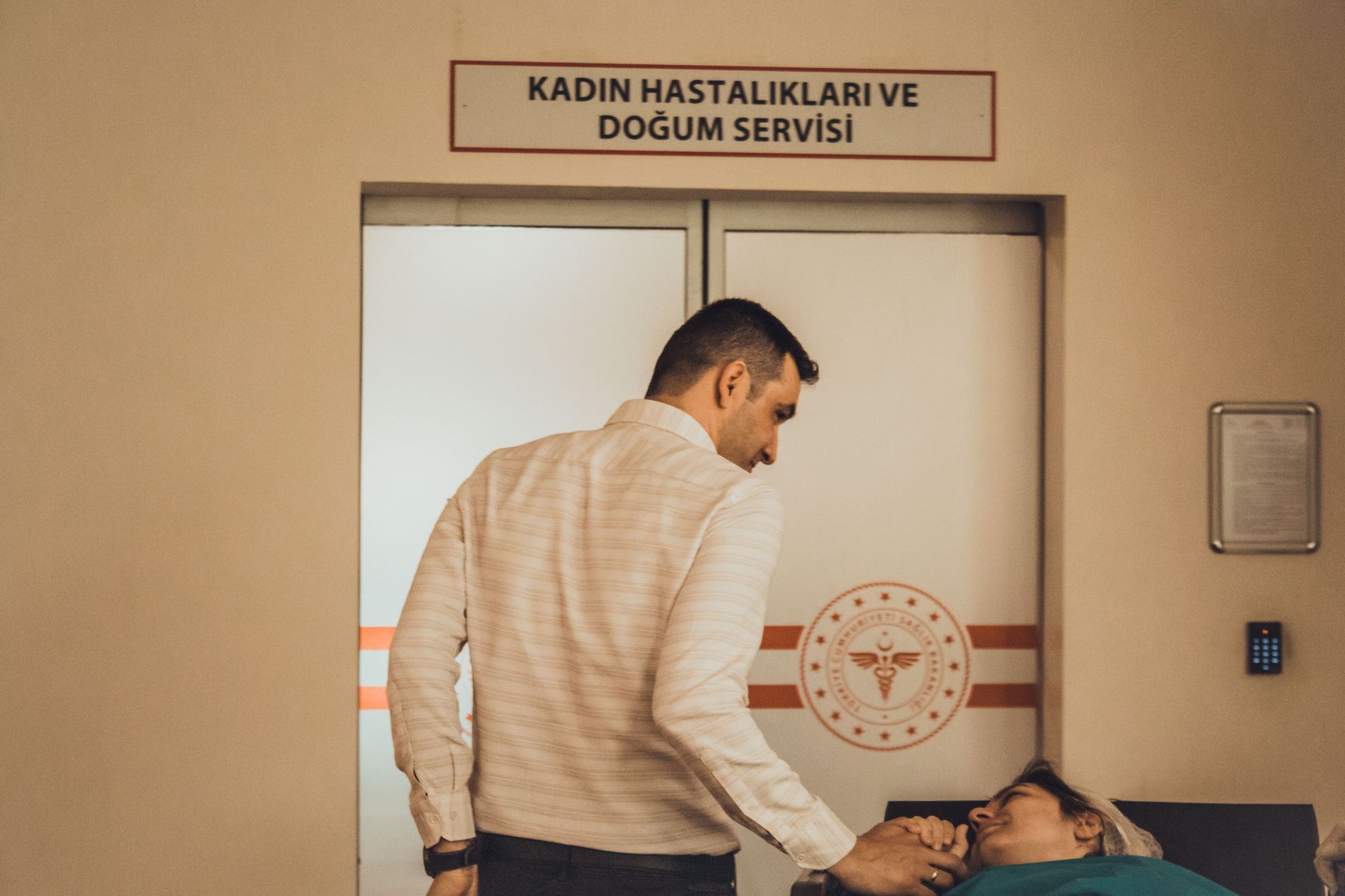
Consent Conversations with Interpreters Present
Consent is the heart of admission day. Turkish hospitals take informed consent seriously, and for international patients this means a conversation, not just a signature. The doctor or a member of the clinical team will explain the diagnosis, the proposed treatment, what will happen during the procedure, the expected recovery and the main risks. An interpreter, either in person or by phone or video, is usually present so that nothing is lost in translation.
Good interpreters in Turkish hospitals do more than translate words. They are trained to convey medical meaning accurately, to flag when a patient seems uncertain and to make sure questions are answered rather than smoothed over. If you have a family member who speaks Turkish, you can ask for them to be present as support, but hospitals generally prefer a professional interpreter for the formal consent discussion so that the record is clear and impartial.
Use the conversation well. Ask what the alternatives are, what happens if you decide not to proceed, how pain will be managed and who to contact after discharge. It is entirely acceptable to say, I would like to think about this and speak with the doctor again tomorrow. Turkish teams are accustomed to patients who want to be fully informed, and a calm, thorough consent conversation is a sign of a professional hospital, not a delay.
Feeling informed is part of feeling safe. If any part of the explanation is unclear, say so. The interpreter and the doctor are there to make sure you understand, not merely to obtain a signature.
Pre-Admission Tests and Meeting Your Care Team
After registration, many patients complete a short round of pre-admission tests such as blood work, an ECG or imaging. These are usually quick and well organised, with a coordinator escorting you between departments so you are not left searching for the right floor. Results feed directly into your file and help the clinical team confirm that you are fit for the planned procedure.
This is also when you meet the people who will care for you: the surgeon or specialist, the anaesthetist, and the nursing team on your ward. Introductions may feel brief, but they are a chance to raise last-minute questions, confirm medication allergies and mention anything that worries you. If you have mobility needs, dietary requirements or religious or cultural preferences, admission day is the right time to tell the nursing staff so they can accommodate you.
Your companion should be introduced to the ward team as well. Ask about visiting hours, whether someone can stay overnight, where the cafeteria and prayer room are, and how to reach the ward by phone. Small practical details like these make the hospital feel less foreign and help your family support you confidently.
Settling Into Your Room and the First Evening
Turkish private hospitals are known for comfortable patient rooms, and international patients are often pleasantly surprised by the standard. Many rooms are single or twin occupancy with a private bathroom, television, Wi-Fi and a sofa or chair for a companion. Some hospitals offer upgraded suites, and it is worth confirming what your package includes so you know what to expect. The room is usually prepared before you arrive, with clean linen and a welcome folder explaining meals, ward routines and emergency contacts.
Once you are settled, a nurse will check your vital signs, confirm your identity again and explain the plan for the next day, including when you should stop eating or drinking if a procedure is scheduled. Meals are typically served at set times, and hospitals can usually accommodate dietary needs if you mention them early. Use the first evening to unpack, charge your phone, share the ward contact number with family and rest.
Admission day ends quietly, and that is the point. The forms are signed, the questions have been answered and the team knows who you are. By the time you switch off the light, the unfamiliar hospital has become a place with familiar faces, and you can focus on the recovery ahead rather than the paperwork behind you.
Thinking about treatment in Turkey?
Send us a question about this site or about the information published on it. This is a publisher's mailbox, not a medical service and not a route to a particular provider — for clinical questions, contact your own doctor.