

Why Sleep Apnoea Deserves a Dental Solution
Obstructive sleep apnoea (OSA) is far more than loud snoring. It is a serious condition in which the upper airway repeatedly collapses during sleep, causing breathing to stop for brief moments, dozens or even hundreds of times a night. Left untreated, OSA is linked to high blood pressure, heart rhythm problems, stroke risk, daytime fatigue, and a noticeable decline in quality of life. For many people, the standard solution — a CPAP machine — works well, but a significant number simply cannot tolerate the mask, the noise, or the feeling of positive pressure all night.
This is where dental sleep medicine has become a genuine game-changer. Mandibular advancement devices (MADs) are custom-made oral appliances that gently hold the lower jaw and tongue forward, keeping the airway open while you sleep. They look a little like a sports mouthguard or a retainer, but they are precision-engineered to your bite and your breathing anatomy. For mild to moderate OSA, and for many patients who cannot adapt to CPAP, these appliances can be a life-changing alternative.
Türkiye has emerged as a global leader in combining this dental expertise with hospital-grade sleep diagnostics. Instead of treating the mouth and the sleep study as separate worlds, leading Turkish clinics bring dentists, sleep physicians, and technicians together under one roof. For international patients, that integration translates into something remarkably convenient: consultation, sleep testing, appliance fitting, and follow-up can all happen during a single, well-organised trip.
The Turkish Model: Dental Expertise Meets Sleep Diagnostics
In many countries, getting an oral appliance involves a fragmented journey: your family doctor refers you to a sleep clinic, the sleep clinic sends you for a sleep study, then a dentist who may never speak to the sleep physician makes the appliance. In Türkiye's hospital-based dental sleep medicine programmes, this chain is compressed into a single coordinated team. The sleep physician confirms your diagnosis and severity, while the dental sleep specialist designs an appliance based on your airway imaging, jaw range of motion, and dental health — all in constant communication.
The clinical backbone is the sleep study itself. Turkish hospitals offer both attended polysomnography in a comfortable sleep laboratory and home sleep apnoea testing (HSAT) with portable devices. If you already have a diagnosis from home, your records can be reviewed remotely before you travel. If you need testing, it can often be arranged within the first days of your visit, so the results inform your appliance design immediately rather than weeks later.
What sets the Turkish model apart is the depth of dental integration. Many programmes include orthodontists, prosthodontists, and oral and maxillofacial specialists, so patients with complex dental work, missing teeth, or jaw problems are not turned away. The appliance is not a generic device pulled from a shelf; it is a bespoke medical device titrated to your specific airway collapse pattern. This interdisciplinary approach — hospital sleep labs working hand-in-hand with advanced dental laboratories — is exactly why Türkiye has become a magnet for international patients seeking oral appliance therapy.
Good dental sleep medicine is not just about a mouthguard. It is about measuring the airway, protecting the teeth and jaw, and confirming that the appliance actually works.
Custom Oral Appliances: The Science Behind the Craft
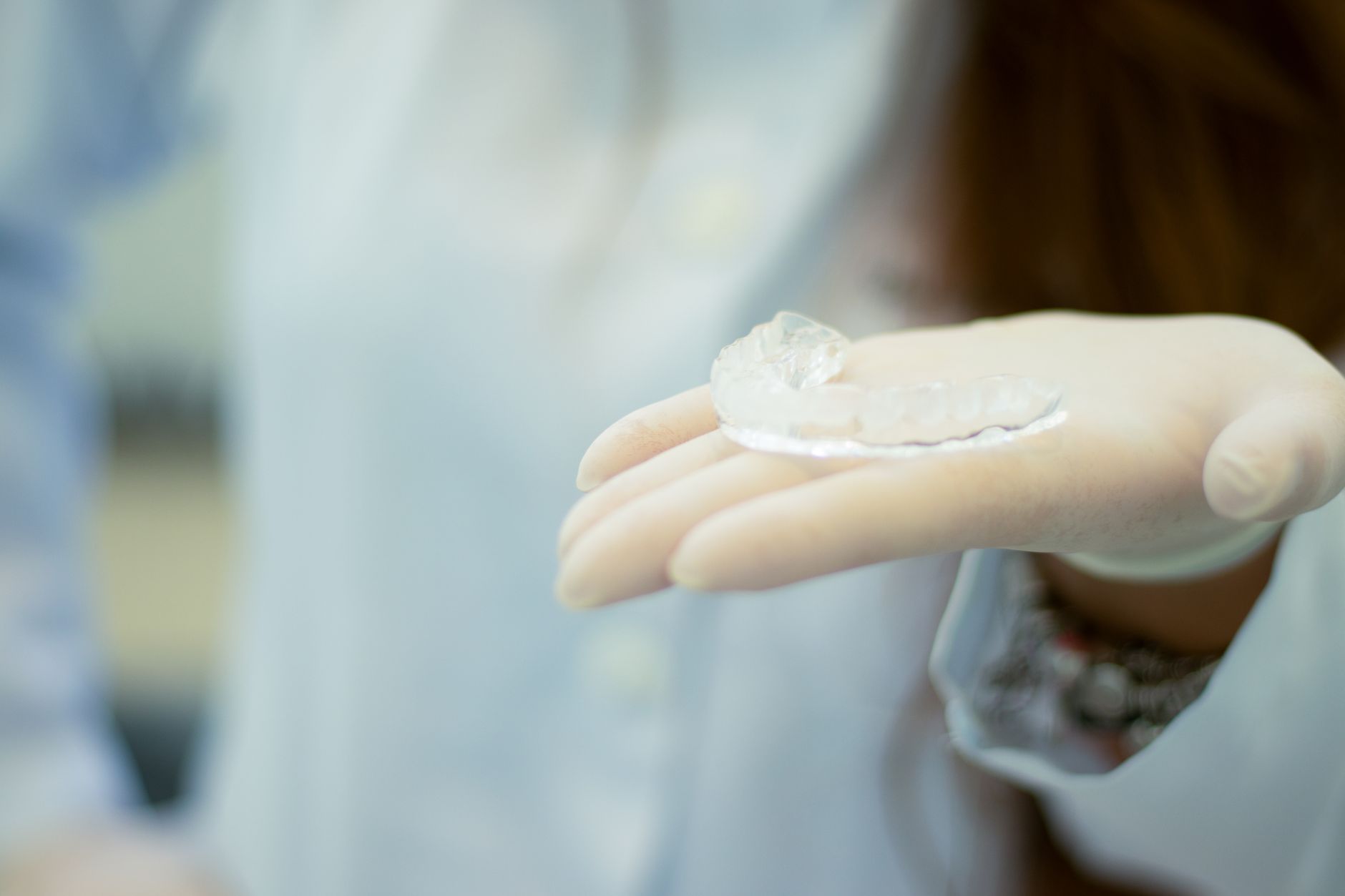
A mandibular advancement device works by repositioning the lower jaw forward during sleep, which pulls the tongue away from the back of the throat and stabilises the soft palate. The amount of advancement is not guesswork; it is calculated and then slowly titrated. Turkish dental sleep specialists typically begin with about 60–70% of the patient's maximum comfortable protrusion and adjust from there, using follow-up sleep testing or home monitoring to confirm effectiveness.
The materials matter too. Modern Turkish laboratories use biocompatible acrylics, flexible thermoplastics, and 3D-printed resins that are durable, lightweight, and gentle on the gums. Many appliances feature adjustable screws or interchangeable advancement straps, allowing the patient — or the clinician during a remote follow-up — to fine-tune the position over time. Some clinics also offer combination therapy, pairing the oral appliance with positional therapy or nasal treatments for patients whose apnoea is worse on their back or who have significant nasal obstruction.
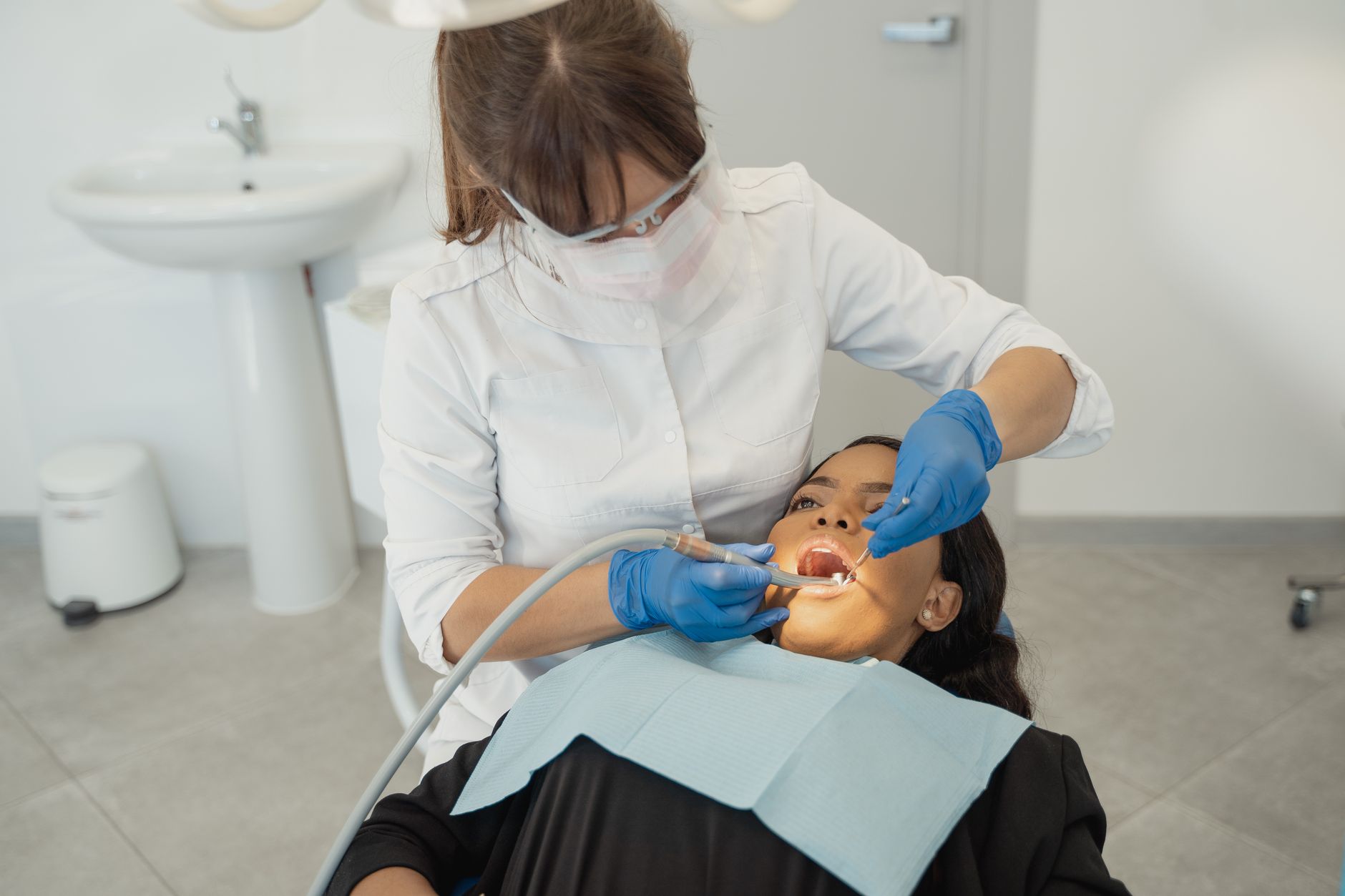
Critically, the appliance is not made in isolation. Turkish teams assess your temporomandibular joint (TMJ), bite, gum health, and tooth stability before fabrication. If you grind your teeth, need a night guard, or have crowns and implants, the design is adapted accordingly. This level of dental craftsmanship is where Türkiye's reputation truly shines — the same clinical precision used in cosmetic dentistry and implantology is applied to sleep appliances, ensuring comfort, durability, and safety.
One Trip, Complete Care: Consultation, Testing and Fitting
For international patients, the biggest practical hurdle is usually time. Frequent flights, multiple appointments, and long waiting lists make treatment feel exhausting. Türkiye's hospital-based programmes are designed to eliminate that friction. A typical itinerary can be structured so that your initial consultation, sleep testing, dental scans, and appliance fitting all occur during a single visit, usually spanning five to ten days depending on whether a sleep study is needed.
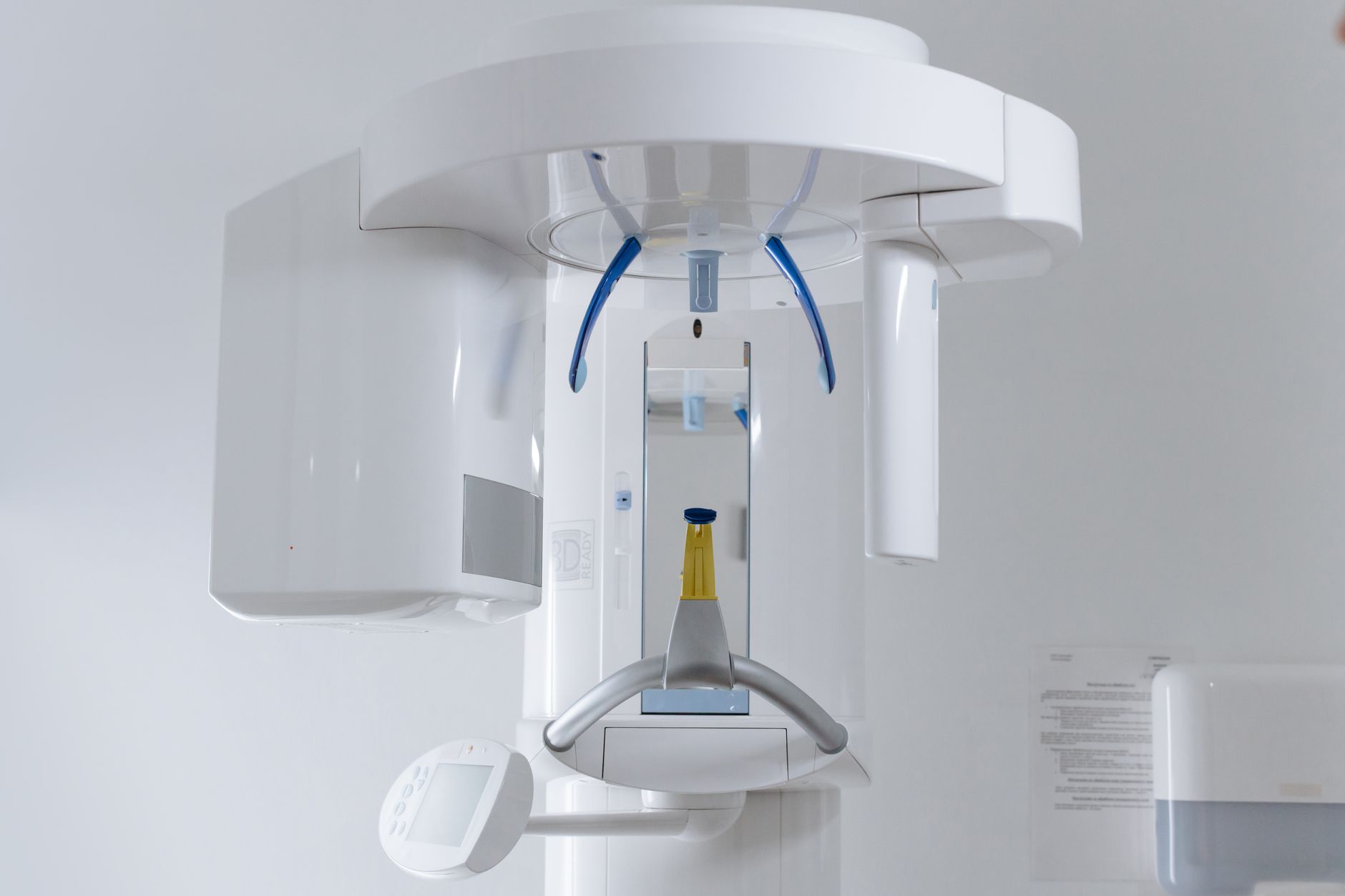
Here is how a typical journey unfolds. On arrival, you meet your sleep physician and dental sleep specialist, often on the same day. They review your medical history, perform a focused airway and dental examination, and decide whether a sleep study is required. If it is, testing can begin that evening in a hospital sleep laboratory or at your hotel with a portable home testing device. While the sleep data is being analysed, the dental team takes digital impressions, 3D scans, and bite records. The appliance is then designed, milled or printed in an on-site laboratory, and fitted — often within 48 to 72 hours.
Before you fly home, you will have a fitting appointment where the appliance is checked for comfort, retention, and jaw position. You will also receive clear instructions on wear time, cleaning, and titration. For many patients, a follow-up sleep study or home monitoring night is arranged before departure to confirm that the device is reducing your apnoea-hypopnoea index (AHI). The entire process is intentionally streamlined so you can return home with a working appliance, not a to-do list.
The convenience extends to logistics as well. Istanbul's major hospitals are close to international airports, and many clinics offer multilingual patient coordinators who arrange airport transfers, accommodation, and interpreter services. You are not navigating a foreign healthcare system alone; you are guided through it step by step.
Remote Follow-Up: Care That Travels With You
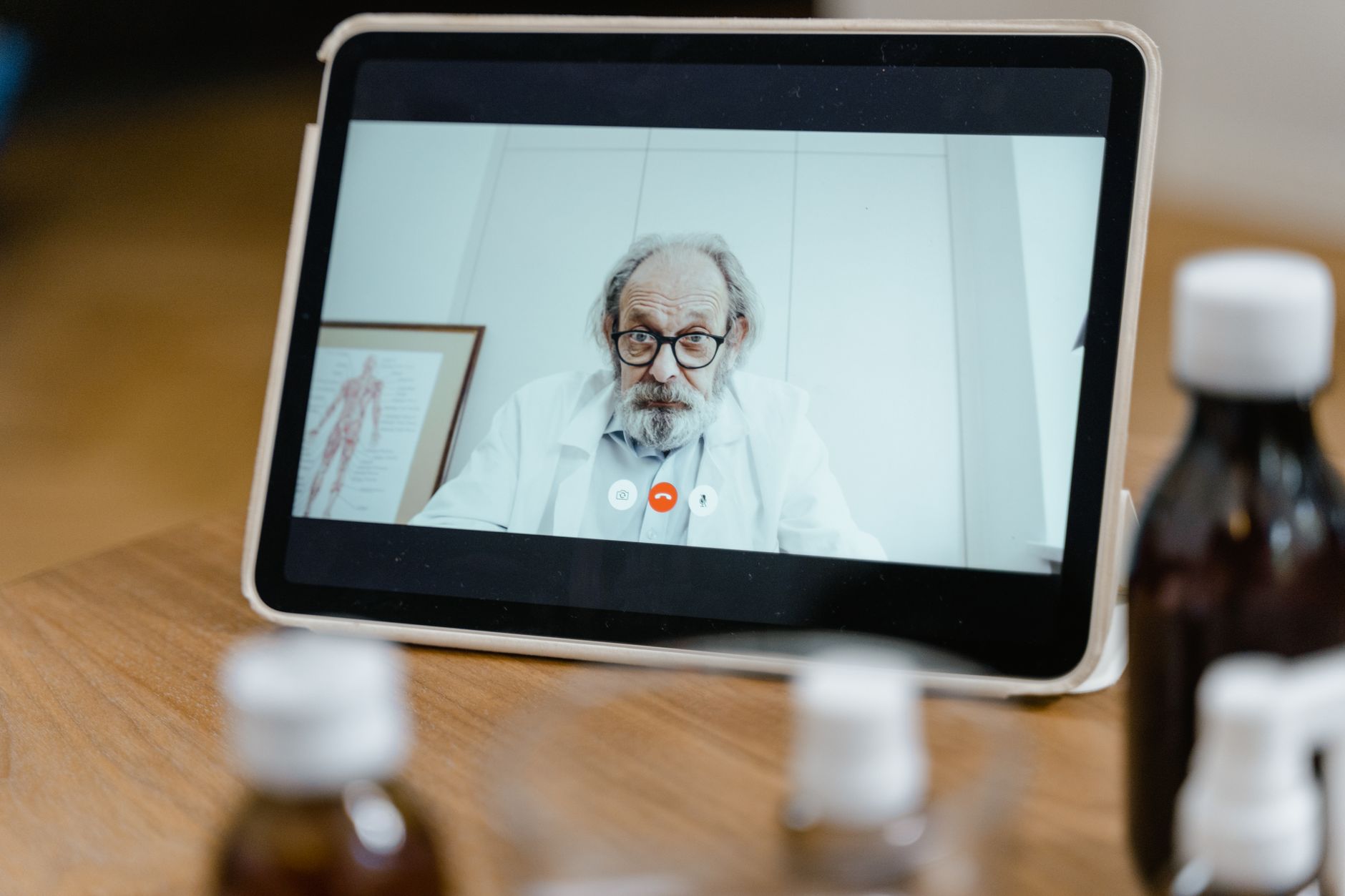
Your treatment does not end when you board your flight. One of the most reassuring aspects of Türkiye's dental sleep medicine programmes is the structured remote follow-up. After you return home, your Turkish clinical team remains available via secure video calls, email, or messaging apps. They check how you are sleeping, whether the appliance feels comfortable, and whether you or your partner notice improvements in snoring or breathing pauses.
Titration — the gradual advancement of the jaw — is often the key to success, and it can be managed remotely. Your clinician may ask you to turn the adjustment screw or change the strap setting at defined intervals, then report back. If a follow-up sleep study is needed, it can be done at home with a portable device, and the results can be shared digitally with your Turkish team. This means you get expert oversight without repeatedly travelling abroad.
Long-term maintenance is also handled thoughtfully. Oral appliances typically need to be replaced or repaired every few years, and your Turkish clinic keeps your digital records, scans, and appliance design on file. If a replacement is needed, a new device can be fabricated from your existing digital model and shipped to you — no need to start from scratch or return for multiple visits. This continuity of care is what turns a one-time medical trip into a lasting clinical relationship.
Why International Patients Choose Türkiye
Türkiye has become one of the world's most trusted destinations for medical travel, and dental sleep medicine is a natural extension of that reputation. The country combines internationally accredited hospitals, highly trained specialists, advanced digital dentistry, and a genuine culture of hospitality. For sleep apnoea patients specifically, the appeal is the integrated model: you are not bouncing between unrelated providers, but receiving coordinated care from a team that treats your airway, your bite, and your sleep as one connected system.
Cost is another important factor, though it should never be the only one. Treatment packages in Türkiye are frequently significantly more affordable than equivalent private care in North America, Western Europe, or Australia — often including consultation, sleep testing, the custom appliance, and follow-up. Importantly, lower cost does not mean lower quality; many Turkish clinics use the same 3D printing, milling, and sleep diagnostic technology found in top-tier international centres.
Equally valuable is the speed. Waiting lists for sleep studies and oral appliance therapy can stretch for months in some countries. In Türkiye, appointments are often available within days, and the entire process can be completed in a single trip. Add in the chance to recover in a beautiful, welcoming city like Istanbul — with its cuisine, history, and hospitality — and the experience becomes far less stressful than a typical medical journey.
Preparing for Your Visit: Practical Steps
Preparation makes the single-trip model work smoothly. Start by gathering your medical records: any previous sleep study reports, CPAP usage data, medication lists, and dental X-rays or records. If you have a recent diagnosis, send it ahead so the clinical team can plan your itinerary. If you have not been tested, ask whether a home sleep apnoea test can be arranged for your first night.
Dental readiness is equally important. Let the clinic know about crowns, implants, gum disease, missing teeth, or TMJ issues in advance. These details influence appliance design and may require a little extra time. It is also wise to bring a partner or travel companion who can report on your snoring and breathing during sleep — their observations are genuinely useful clinical data.
Finally, think about timing. Plan for at least a week in Türkiye if a sleep study and fitting are required, and keep the first day or two flexible for testing. Ask about language support, airport transfers, and what happens if the appliance needs adjustment before you fly home. A well-prepared patient gets the most out of Türkiye's integrated care model — and leaves with a custom appliance designed to help them breathe, sleep, and live better.
Sleep apnoea is treatable, and you do not have to choose between dental care and sleep medicine. In Türkiye, they come together — conveniently, expertly, and with follow-up that continues long after you return home.
Thinking about treatment in Turkey?
Share your contact details and a verified doctor will follow up with a plan built around you — free, no obligation.