

Why Türkiye Is a Global Hub for Digestive Health
Türkiye has become one of the world's most trusted destinations for medical travelers seeking prompt, high-quality digestive care. Hospitals in Istanbul, Ankara, Izmir, and Antalya combine JCI accreditation, cutting-edge endoscopic technology, and a culture of hospitality that makes international patients feel genuinely cared for. For anyone struggling with persistent bloating, acid reflux, abdominal pain, unexplained weight loss, or chronic bowel changes, Türkiye offers something invaluable: answers, quickly.
Unlike many Western systems where a simple diagnostic endoscopy can take weeks or months to schedule, Turkish hospitals are built for efficiency. Many clinics provide same-week appointments, and some even offer next-day endoscopy or colonoscopy for international visitors. This speed is not achieved by cutting corners—it is the result of streamlined hospital workflows, high procedure volumes, and dedicated international patient departments that coordinate every step.
Whether you are a tourist who suddenly needs medical attention or a planned medical traveler comparing options, understanding how Türkiye's gastroenterology services work will help you make confident, informed decisions. This guide walks you through the entire journey—from initial consultation to procedure day and follow-up.
Advanced Endoscopy and Colonoscopy: Technology That Sees More
Turkish hospitals invest heavily in the latest endoscopic platforms. You will find high-definition (HD) and even 4K video endoscopes, narrow-band imaging (NBI), blue-light imaging, and chromoendoscopy—techniques that enhance the visibility of subtle lesions, early cancers, and inflammatory changes. For colonoscopy, many centers use magnification endoscopy and carbon dioxide insufflation, which significantly reduces post-procedure bloating and discomfort.
Capsule endoscopy is widely available for examining the small intestine, a notoriously difficult area to reach with traditional scopes. For patients with suspected Crohn's disease, obscure GI bleeding, or small bowel tumors, this pill-sized camera can provide critical diagnostic information without sedation or recovery time.
Endoscopic ultrasound (EUS) is another advanced service offered at major Turkish hospitals. EUS allows gastroenterologists to evaluate the pancreas, bile ducts, and submucosal lesions with remarkable precision, and to take fine-needle biopsies if needed. Combined with ERCP (endoscopic retrograde cholangiopancreatography), these services mean that even complex pancreaticobiliary conditions can be diagnosed and often treated in a single session.
What does this mean for you? It means fewer repeat procedures, faster diagnoses, and a higher likelihood that your doctor will find the root cause of your symptoms the first time.

Sedation Options Designed for Comfort and Safety
One of the biggest concerns patients have about endoscopy or colonoscopy is discomfort. Turkish hospitals take this seriously by offering a full spectrum of sedation choices tailored to your health status and preferences. The most common option is conscious sedation using midazolam and fentanyl or propofol, administered by an anesthesiologist or a trained sedation nurse. You will be relaxed, drowsy, and likely remember very little of the procedure.
For those who want to be fully asleep, deep sedation or general anesthesia is available at most large hospitals, especially for longer or more complex cases. This is particularly reassuring for patients with anxiety or a low pain threshold. Pediatric patients, elderly individuals, and those with significant comorbidities are evaluated carefully to choose the safest approach.
If you prefer to remain awake, some centers offer unsedated or minimal sedation options, often using throat sprays for upper endoscopy. However, for colonoscopy, sedation is strongly recommended for comfort and to allow the doctor to examine thoroughly without causing distress.
Before your procedure, an anesthesiologist will review your medical history, allergies, and medications. You will be monitored throughout with pulse oximetry, blood pressure cuffs, and ECG. Recovery areas are staffed by nurses who ensure you wake up safely and comfortably.
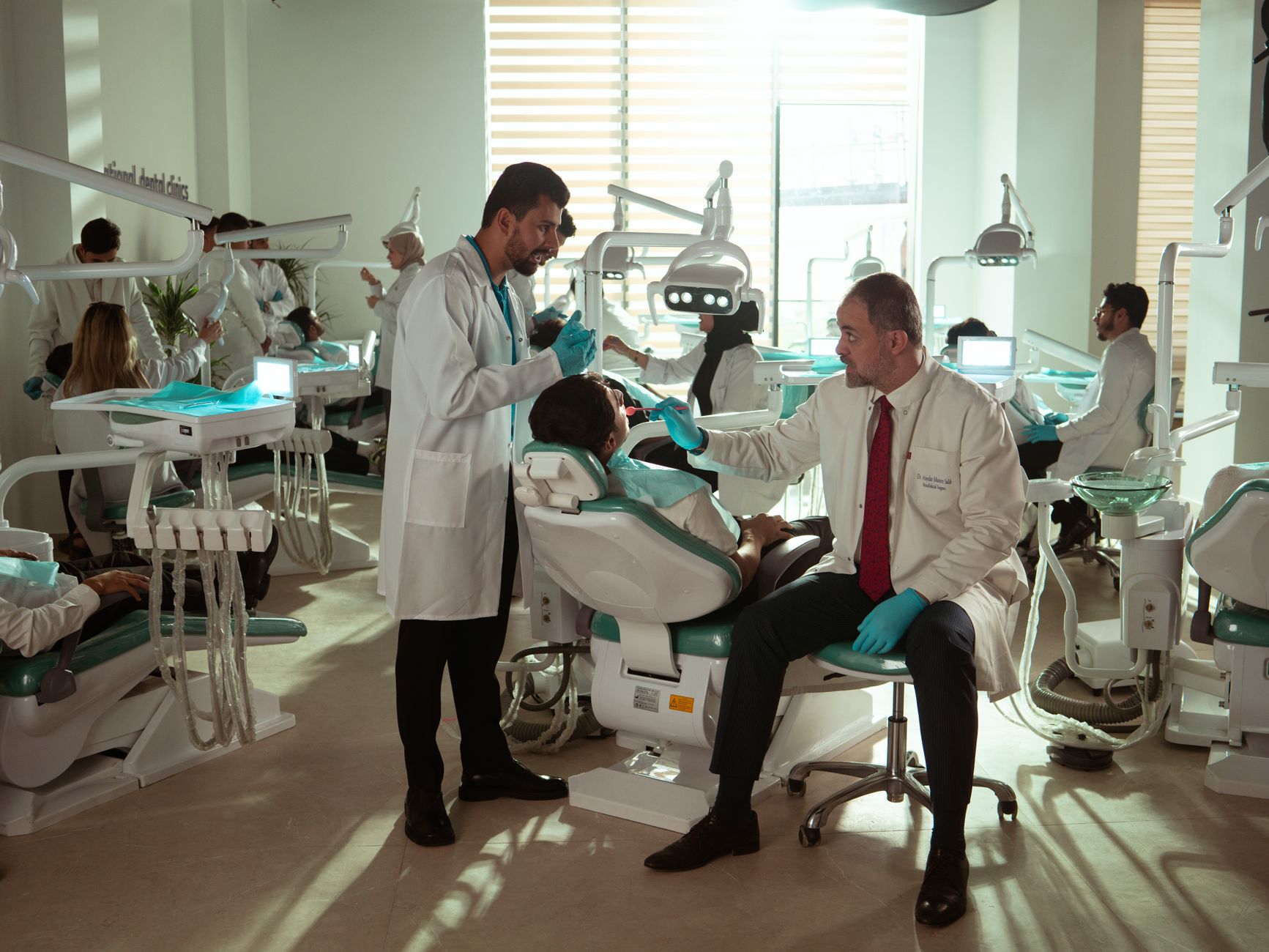
The Patient Journey: From First Contact to Diagnosis
Your experience typically begins online or through a referral. Most Turkish hospitals have dedicated international patient departments with English-speaking coordinators. You can share your medical records, symptoms, and prior test results via secure email or WhatsApp. A gastroenterologist will review them and often schedule a video consultation within 24–48 hours.
Once you arrive in Türkiye, the coordination becomes even smoother. A patient coordinator meets you at the hospital or even at the airport in some cases. Pre-procedure tests—such as blood work, ECG, and sometimes abdominal ultrasound—are done efficiently, often on the same day as your consultation. If you need a colonoscopy, you will receive clear instructions for bowel preparation, including a diet plan and laxative schedule, with translations in your language.
On procedure day, you are admitted to a modern endoscopy suite. The nursing staff explains each step, checks your IV, and ensures your comfort. The procedure itself usually takes 15–30 minutes for a diagnostic endoscopy or colonoscopy, though it may take longer if polyps are removed or biopsies are taken. Afterward, you rest in a recovery area with monitoring and light refreshments.
Results are typically available quickly. For simple findings, your gastroenterologist may speak with you within an hour. Biopsy results, if needed, are usually ready in 2–5 days. Many hospitals provide a written report and images on a USB drive or via a secure online portal—ideal for sharing with your doctor back home.
Why Turkish Gastroenterologists Are Worth Trusting
Turkish gastroenterologists are highly trained, often completing fellowships in Europe or the United States and participating in international research. Many are members of prestigious societies such as the American Society for Gastrointestinal Endoscopy (ASGE) and the European Society of Gastrointestinal Endoscopy (ESGE). They perform thousands of procedures annually, which translates into refined technique and diagnostic accuracy.
Beyond technical skill, these specialists are known for their thorough, patient-centered approach. They take time to explain findings, discuss treatment options, and answer questions—something that medical travelers consistently praise. Language barriers are minimized because major hospitals employ medical interpreters who accompany you to consultations and procedures.
The collaborative culture in Turkish hospitals is another advantage. Gastroenterologists work closely with radiologists, pathologists, surgeons, and oncologists. If your endoscopy reveals a condition requiring multidisciplinary care, you can often see all relevant specialists within days, not months. This integrated model is especially valuable for complex cases like suspected gastrointestinal cancer or inflammatory bowel disease.
Coordinated Care and Logistics for International Patients
Turkish hospitals excel at making medical travel logistically simple. International patient departments assist with visa invitation letters, airport transfers, hotel bookings, and even city tours for accompanying family members. Many hospitals have contracts with nearby hotels offering discounted rates, and some provide shuttle services between the hotel and hospital.
Cost transparency is another hallmark. You will receive a detailed quote before you commit, covering consultation, procedure, sedation, biopsies, and follow-up. There are no hidden fees, and you can pay by credit card, bank transfer, or cash. For procedures like endoscopy or colonoscopy, Türkiye is often 50–70% more affordable than in the US or Western Europe—without compromising quality.
After your procedure, your coordinator remains available for any questions. If you need medication prescriptions, they can be arranged. If you require follow-up tests or a second opinion, the hospital can facilitate that too. This end-to-end coordination is why so many patients return to Türkiye for their digestive health needs.
Practical Tips for a Smooth Experience
- Share your medical history early – Send all relevant records, medication lists, and allergies before your trip.
- Ask about sedation – Discuss your preference and any past reactions to anesthesia with the anesthesiologist.
- Follow prep instructions precisely – Proper bowel preparation is critical for a successful colonoscopy.
- Plan for a companion – If you are sedated, you will need someone to accompany you back to your hotel.
- Check your insurance – Some international policies reimburse treatment abroad; ask for itemized bills.
- Allow extra days – While procedures are quick, build in a buffer for consultations and results.
With these tips and a trusted hospital, your medical journey to Türkiye can be both healing and surprisingly pleasant. The combination of advanced technology, skilled gastroenterologists, and warm hospitality makes Türkiye a top choice for anyone seeking fast, comfortable digestive care.
Thinking about treatment in Turkey?
Send us a question about this site or about the information published on it. This is a publisher's mailbox, not a medical service and not a route to a particular provider — for clinical questions, contact your own doctor.