

Why Pre-Surgery Nutrition Matters in Medical Tourism
When you travel to Türkiye for surgery, your body faces two challenges at once: the physical stress of the operation and the adjustment to a new environment. Proper nutrition before surgery is not a luxury—it is a clinical necessity. Studies show that well-nourished patients experience fewer complications, shorter hospital stays, and faster wound healing. Turkish hospitals have embraced this evidence, making nutritionist-led pre-surgery meal plans a standard part of the medical tourism package.
Unlike generic diet advice, these plans are personalised. Your assigned dietitian considers your medical history, the type of surgery, your cultural food preferences, and even your travel schedule. The goal is simple: arrive at the operating table in the best possible nutritional shape.
For international patients, this personalised approach removes guesswork. You do not need to navigate Turkish grocery stores or decipher local menus alone. The hospital team provides clear, practical guidance that fits your lifestyle and tastes.
How Turkish Hospitals Personalise Meal Plans for Different Cuisines
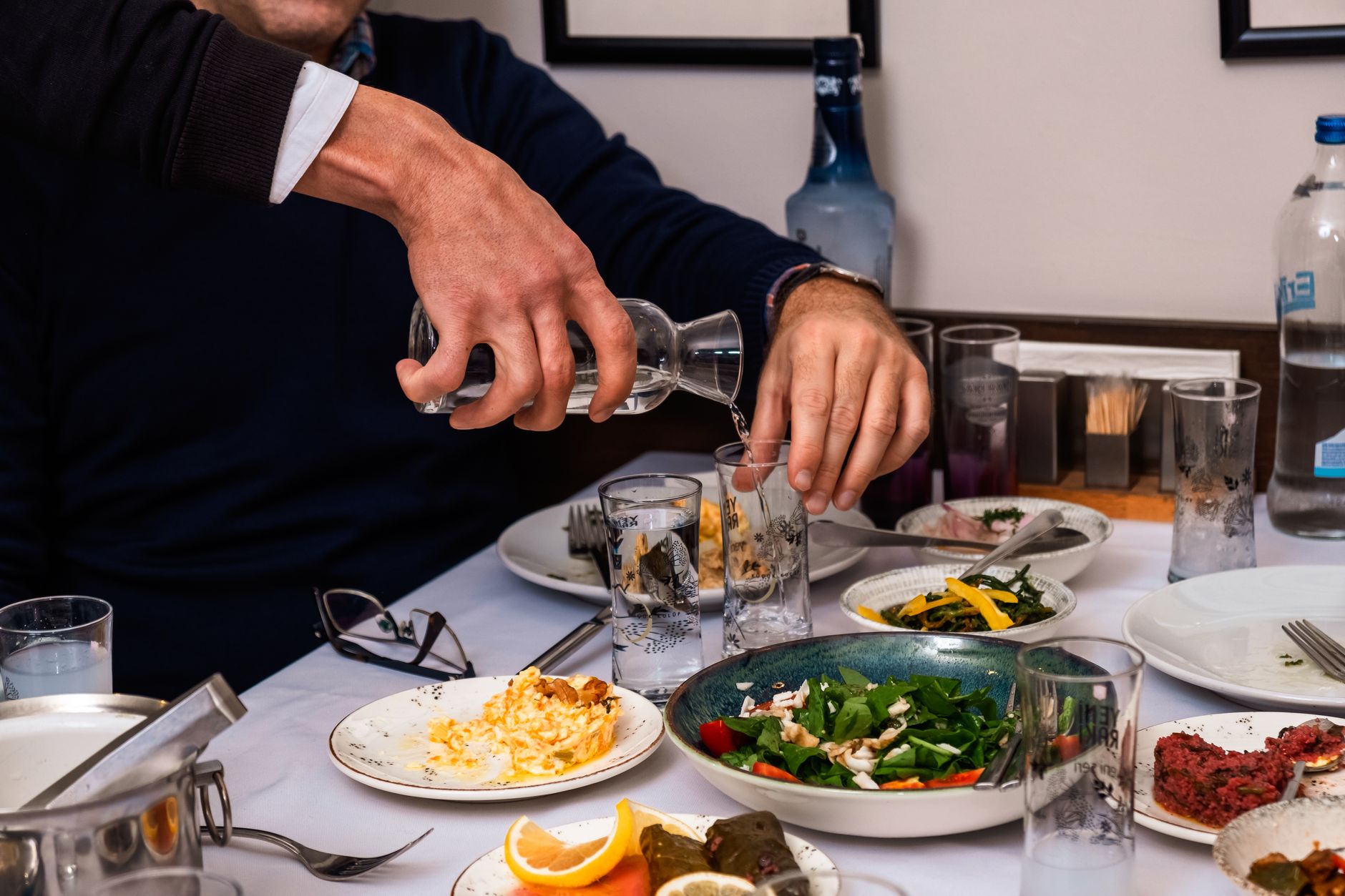
Turkish hospitals serve a diverse international patient population, from Europe and the Middle East to Africa and Asia. Recognising that food is deeply cultural, dietitians adapt meal plans to include familiar flavours while meeting clinical targets. For example, a patient from the Middle East might receive a plan featuring hummus, grilled vegetables, and lean lamb, while a patient from Southeast Asia could enjoy steamed fish with ginger and bok choy. The core nutrients—protein, vitamins, and minerals—remain consistent, but the delivery is culturally comfortable.
This personalisation extends to meal timing. Some patients prefer three larger meals; others do better with smaller, frequent meals. Dietitians also account for religious dietary laws, such as halal or kosher, and for vegetarian or vegan preferences. The hospital kitchen and nearby partner restaurants often collaborate to prepare these custom meals.
International patient coordinators typically arrange a pre-admission consultation with the dietitian, either in person or via video call. During this session, you discuss your typical daily diet, allergies, and any food aversions. The dietitian then designs a plan that you can follow before travelling and during your first days in Türkiye.
Tailoring Plans to Health Conditions: Diabetes, Heart Disease, and More
Pre-surgery nutrition is never one-size-fits-all. Turkish dietitians are skilled at modifying meal plans for chronic conditions. If you have diabetes, your plan will focus on low-glycemic carbohydrates, consistent carbohydrate distribution, and adequate protein to support healing without spiking blood sugar. For heart patients, the emphasis shifts to low-sodium, low-saturated-fat choices rich in omega-3 fatty acids and fibre.
Patients with kidney disease require careful protein and electrolyte management, while those with gastrointestinal issues may need soft, low-fibre foods before surgery. In all cases, the dietitian works closely with your surgeon and anaesthesiologist to ensure the plan aligns with surgical protocols, such as fasting requirements.
Turkish hospitals often use advanced body composition analysis to assess your nutritional status. This helps identify deficiencies—such as low iron, vitamin D, or albumin—that could impair recovery. The dietitian then prescribes targeted supplements or food-based strategies to correct them before surgery.
What a Typical Pre-Surgery Meal Plan Looks Like
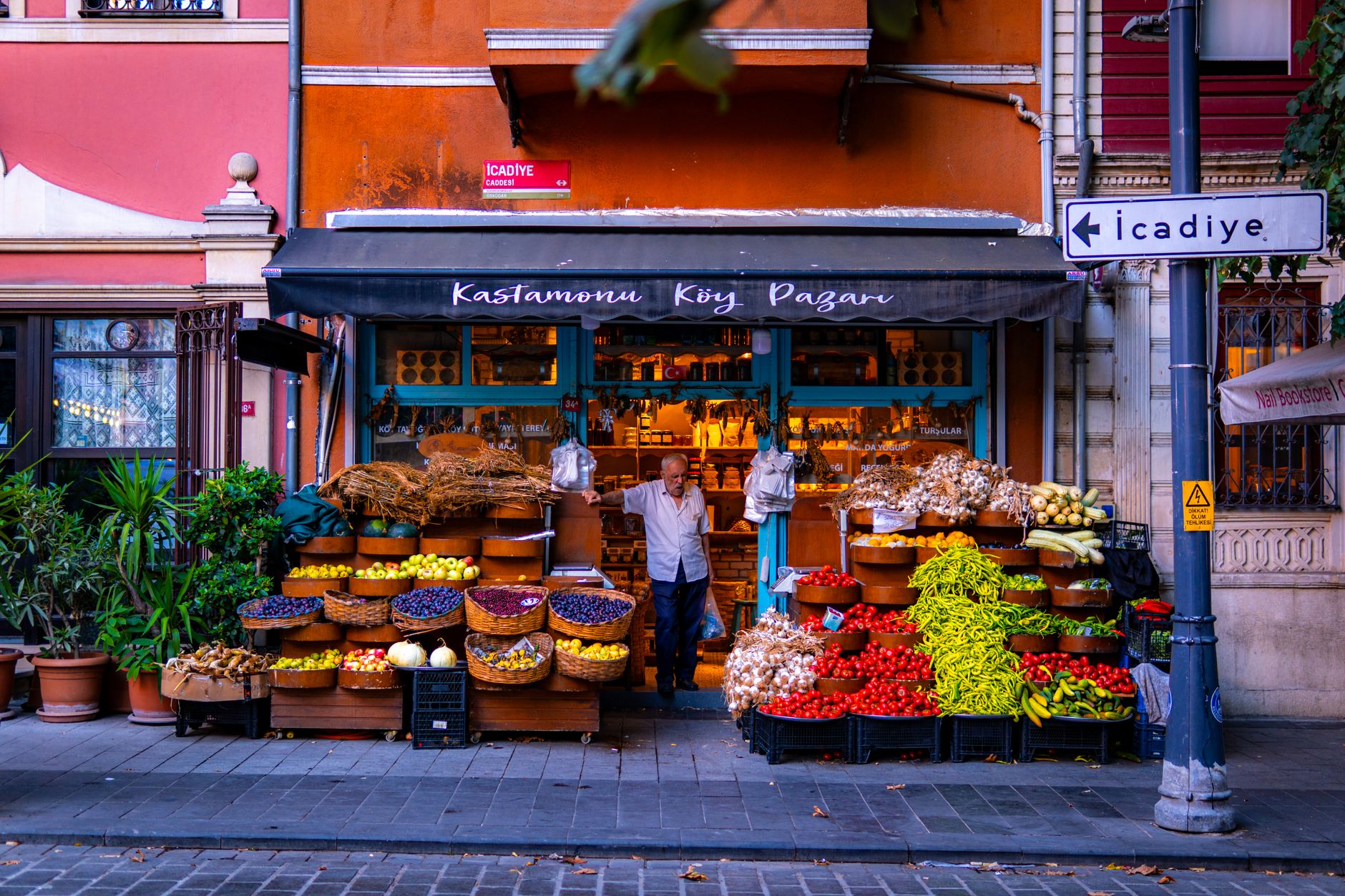
While every plan is unique, a typical day might start with a protein-rich breakfast: eggs, Greek yogurt, and whole-grain bread, plus fresh fruit. Lunch could be grilled chicken or fish with quinoa or bulgur, roasted vegetables, and olive oil. Dinner might feature lentil soup, a small portion of lean meat or legumes, and a colourful salad. Snacks include nuts, cheese, or fruit to maintain energy.
Hydration is crucial. Dietitians recommend 2–3 litres of water daily, unless fluid restriction is medically necessary. They also advise limiting caffeine and avoiding alcohol, which can interfere with anaesthesia and healing.
For patients who arrive in Istanbul or Ankara a week before surgery, the hospital may offer grocery shopping assistance or partner with local restaurants to deliver compliant meals. This practical support reduces stress and ensures you stick to the plan.
Practical Tips for International Patients
Start your pre-surgery nutrition plan before you leave home. Ask your hospital's international office for a pre-travel consultation with a dietitian. If you have special dietary needs, communicate them early—Turkish hospitals are accustomed to accommodating diverse requirements.
Pack a few familiar, non-perishable snacks from home, such as protein bars or herbal teas, to bridge the gap during travel. Once in Türkiye, use the hospital's translation services if language is a barrier. Most dietitians speak English, but having key phrases in Turkish can help when dining out.
Keep a simple food diary. This helps your dietitian track your intake and make real-time adjustments. Remember, the goal is not perfection but consistency. Small, positive steps add up to better surgical outcomes.
Beyond Surgery: Nutrition for a Smooth Recovery
The pre-surgery plan seamlessly transitions into post-operative nutrition. After surgery, your needs change: you may require more protein, vitamin C, and zinc for wound healing. Turkish hospitals continue dietitian support during your recovery, adjusting meals as your appetite returns.
Many clinics offer follow-up video consultations after you return home, ensuring you maintain good nutrition during the crucial first weeks of recovery. This continuity of care is a hallmark of Türkiye's patient-centred approach.
By choosing a hospital with nutritionist-led meal plans, you invest in your body's ability to heal. It is a practical, positive boost that complements excellent surgical care—making your medical journey to Türkiye both safer and more comfortable.
Thinking about treatment in Turkey?
Share your contact details and a verified doctor will follow up with a plan built around you — free, no obligation.