
Why Türkiye for Pulmonary Rehabilitation?
Türkiye has emerged as a leading destination for medical travellers seeking high-quality, affordable pulmonary rehabilitation. Hospitals in Istanbul, Ankara, and Izmir combine advanced respiratory diagnostics with structured exercise programmes supervised by pulmonologists, physiotherapists, and respiratory nurses. For patients recovering from lung surgery—whether lobectomy, segmentectomy, or lung volume reduction—or living with chronic conditions such as COPD, asthma, bronchiectasis, or interstitial lung disease, these programmes offer a clear path to regaining breathing capacity and confidence.
What sets Türkiye apart is the integration of modern breathing-assessment technology, including body plethysmography, diffusion capacity testing, cardiopulmonary exercise testing (CPET), and six-minute walk tests. These tools allow the team to tailor a rehabilitation plan precisely to your current condition, not a generic template. International patient departments coordinate everything from airport transfers to translator services, making the experience smooth and reassuring. Many hospitals are JCI-accredited, and their rehabilitation units follow evidence-based protocols aligned with international guidelines.
Travellers often find that the combination of clinical excellence and warm hospitality reduces the anxiety that can accompany lung surgery or a chronic diagnosis. The focus is not just on physical recovery but on rebuilding trust in your own body. As one respiratory physiotherapist in Istanbul puts it, “Our goal is for every patient to leave knowing how to breathe better, move more, and live fuller.”
Who Benefits from Hospital-Based Pulmonary Rehabilitation?
Pulmonary rehabilitation is appropriate for a wide range of patients. If you have recently undergone lung resection, you may experience reduced lung capacity, shortness of breath, and fatigue. A supervised programme helps you strengthen respiratory muscles, clear secretions, and gradually increase endurance. For those with chronic obstructive pulmonary disease (COPD), rehabilitation reduces breathlessness, improves exercise tolerance, and lowers the risk of hospital readmission. People with interstitial lung disease, pulmonary hypertension, or pre- or post-transplant conditions also benefit.
International patients often arrive with concerns about whether they can safely exercise. In Türkiye, every participant undergoes a thorough pre-participation assessment. This includes spirometry, arterial blood gas analysis if needed, and a symptom-limited exercise test. The rehabilitation team then designs an individualised plan that may include aerobic training on treadmills or stationary bikes, resistance exercises for limbs and respiratory muscles, breathing techniques such as pursed-lip and diaphragmatic breathing, and airway clearance methods. Education on nutrition, medication adherence, and energy conservation is woven into the programme.
Family members are encouraged to attend sessions, learning how to support their loved one at home. This inclusive approach helps patients feel less isolated and more motivated. Whether you are 40 or 80, whether your goal is to climb stairs without stopping or simply to walk to the market, the team meets you where you are and helps you progress safely.
Assessment and Starting Rehabilitation in a Single Visit
One of the most attractive features of Türkiye's pulmonary rehabilitation programmes is the ability to complete assessment and begin rehabilitation during a single trip. Typically, you will have a virtual consultation before travel, where you share medical records and discuss goals. Upon arrival, you attend a comprehensive evaluation day. This includes a detailed history, physical examination, lung function tests, and a functional exercise assessment. If you have had recent lung surgery, the team reviews your surgical notes and imaging.
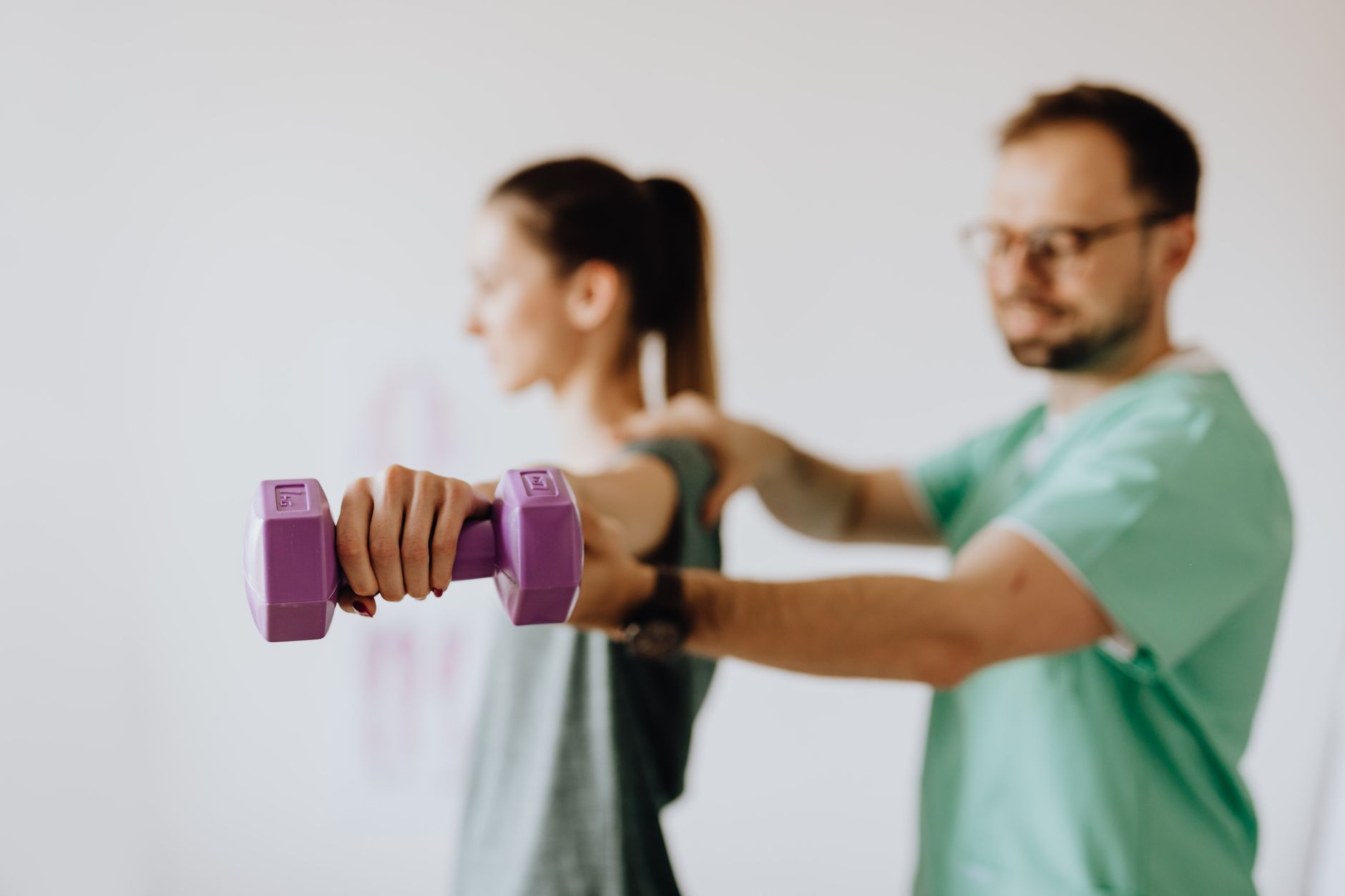
Based on the results, you meet with the rehabilitation team the same day or the next morning to review your personalised plan. You can start supervised exercise sessions immediately, often within 24 to 48 hours of arrival. A typical inpatient or day-hospital programme runs for two to four weeks, with sessions five to six days a week. Each session lasts 60 to 90 minutes and combines aerobic, strength, and breathing exercises, with continuous monitoring of oxygen saturation, heart rate, and symptoms.
This intensive start gives you a solid foundation and the confidence that you are exercising safely. You will also receive education on self-management, including how to use a pulse oximeter, when to use rescue inhalers, and how to pace activities. Before you return home, the team prepares a detailed discharge summary and a home exercise prescription. This seamless transition ensures that the momentum you gained in Türkiye continues after you leave.
Modern Breathing-Assessment Technology and Supervised Exercise
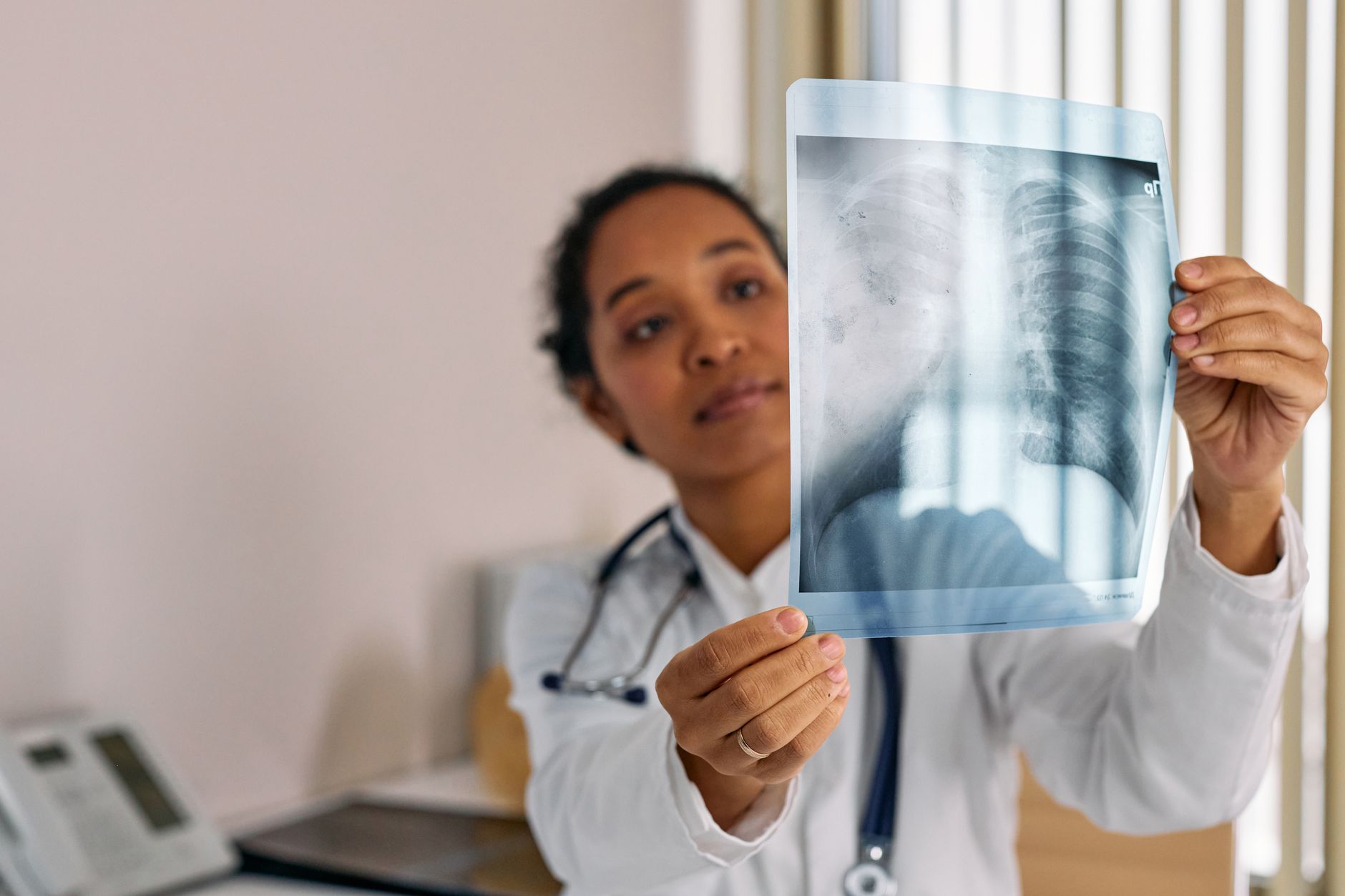
Türkiye's leading hospitals invest in state-of-the-art respiratory assessment technology. Body plethysmography measures lung volumes precisely, while diffusion capacity testing assesses how well oxygen moves from your lungs into your blood. Cardiopulmonary exercise testing (CPET) provides a comprehensive picture of your heart, lungs, and muscles working together, helping to identify the exact causes of exercise limitation. Six-minute walk tests and incremental shuttle walk tests are used to track functional progress objectively.
During supervised exercise, you may use devices such as inspiratory muscle trainers, which strengthen the diaphragm and other breathing muscles. Pulse oximeters and telemetry monitors ensure that your oxygen levels and heart rhythm remain safe. If you need supplemental oxygen during exercise, it is provided and adjusted as your tolerance improves. The physiotherapists are skilled at modifying exercises for people with arthritis, neuropathy, or other comorbidities, so no one is left out.
Group sessions are common and create a supportive atmosphere. Patients encourage one another, sharing tips and celebrating milestones. The psychological benefit of exercising with peers who understand breathlessness is immense. Many participants report that for the first time in years, they feel hopeful and in control. The combination of technology and human connection is what makes Türkiye's programmes so effective.
Telerehabilitation: Continuing Your Progress at Home
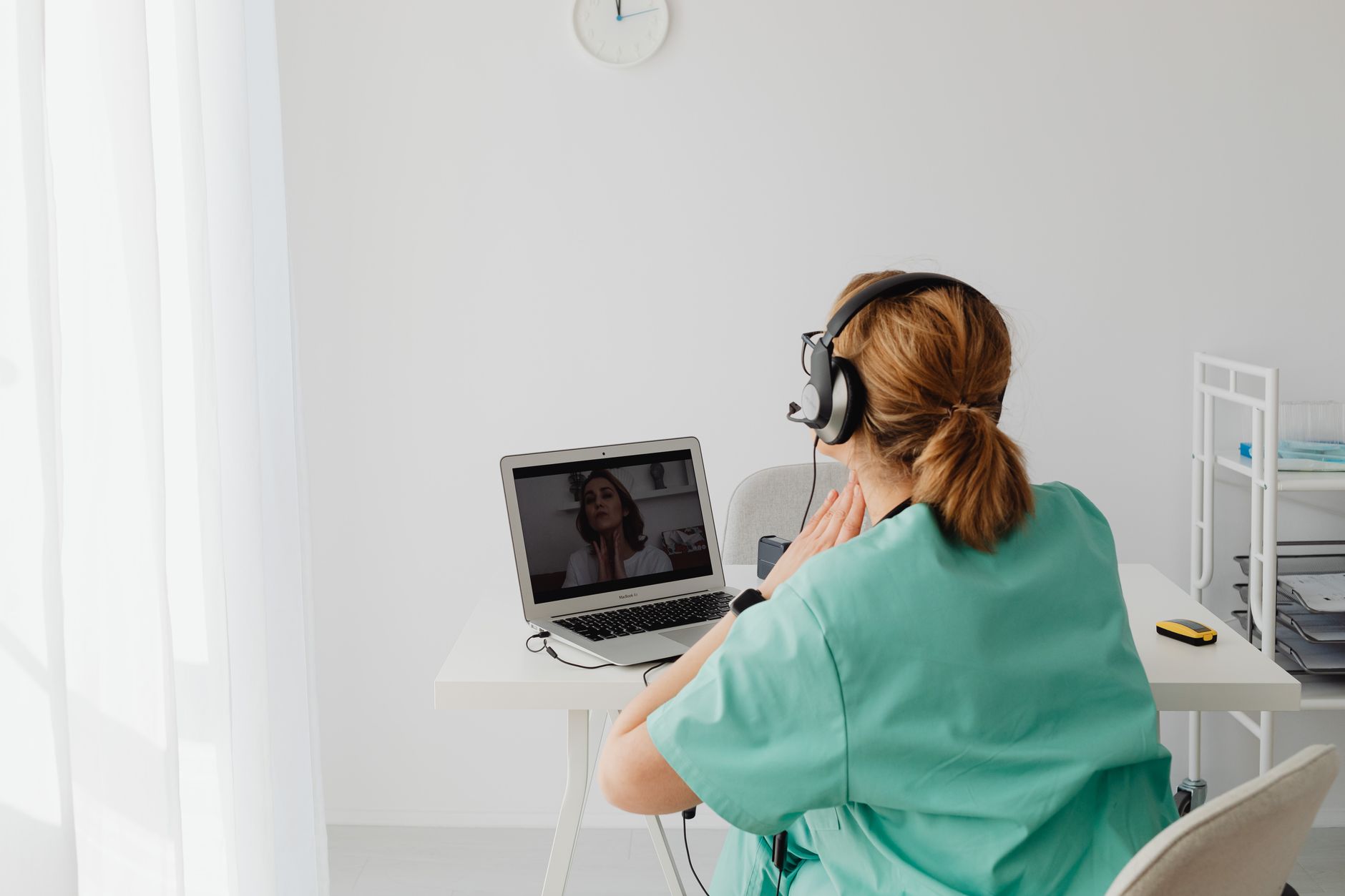
After your on-site programme, you can continue rehabilitation through telerehabilitation. Turkish hospitals offer secure video sessions with your physiotherapist, who guides you through exercises, reviews your home spirometry or oximetry data, and adjusts your plan. You may receive a portable pulse oximeter or a simple home spirometer to track your progress. Regular check-ins, often weekly or biweekly, help maintain motivation and address any setbacks.
Telerehabilitation is especially valuable for international patients who cannot stay for months. It bridges the gap between intensive hospital-based rehabilitation and independent living. Your therapist can demonstrate new exercises, correct your technique, and provide education on managing flare-ups. If you experience a respiratory infection or a decline in your condition, the team can advise you promptly, potentially preventing a hospital admission.
Many patients find that telerehabilitation gives them the confidence to travel, socialise, and resume hobbies they had given up. The knowledge that a specialist is just a video call away reduces anxiety. Over time, the frequency of sessions can be tapered as you become more independent, but the door remains open for booster sessions if needed.

What to Expect During Your Stay in Türkiye
Your journey typically begins with a remote medical review. The hospital's international patient department will ask for your medical records, imaging, and a list of medications. They may schedule a video call with a pulmonologist to discuss your history and goals. Once you are accepted, they provide a detailed itinerary, cost estimate, and guidance on visa and travel. Many hospitals offer packages that include accommodation, transfers, and translation services.
On arrival, you are met at the airport and taken to your hotel or the hospital's guest accommodation. The next days are filled with assessments, exercise sessions, and education. You will have access to a dietitian, psychologist, and respiratory nurse as needed. The hospital environment is modern and comfortable, with private rooms and facilities for family members. Istanbul's hospitals are particularly popular, and you can combine your rehabilitation with cultural exploration on rest days—visiting the Bosphorus, Topkapı Palace, or the Grand Bazaar.
Costs vary depending on the hospital and programme length, but pulmonary rehabilitation in Türkiye is generally 50–70% less expensive than in Western Europe or North America. Importantly, quality is not compromised; many hospitals are accredited by JCI or ISO. Patients often comment on the cleanliness, punctuality, and warmth of the staff. The experience is designed to be healing in every sense.
Regaining Confidence and Breathing Capacity
The ultimate goal of pulmonary rehabilitation is not just better lung function numbers, but a better life. Patients who complete a programme in Türkiye often report that they can do more with less breathlessness. They sleep better, have more energy, and feel less depressed. The structured exercise and education empower them to take charge of their health. The confidence gained is priceless.
Many international patients return home with a renewed sense of possibility. They have learned that breathlessness does not have to dictate their lives. With ongoing telerehabilitation and a solid home programme, they continue to improve. The team's encouragement and expertise leave a lasting impact. As one patient from the UK shared, “I arrived afraid to walk across a room. I left able to walk in the park with my grandchildren. Türkiye gave me my life back.”
If you are considering pulmonary rehabilitation after lung surgery or for a chronic lung condition, Türkiye offers a world-class, compassionate, and affordable option. The combination of advanced assessment, supervised exercise, and telerehabilitation follow-up makes it a compelling choice. Start by contacting a reputable hospital's international department, share your story, and take the first step toward breathing easier and living fuller.
Thinking about treatment in Turkey?
Share your contact details and a verified doctor will follow up with a plan built around you — free, no obligation.