

Why Pre-Operative Lung Health Matters for Surgical Patients
Undergoing surgery is a significant event, and for patients who smoke, the risks can be notably higher. Smoking affects nearly every system in the body, but its impact on the lungs and circulation is particularly relevant before an operation. In Türkiye, many hospitals have recognised this and developed dedicated pre-operative smoking cessation and lung health programmes specifically designed for international patients. These services are not about judgment; they are about support. The goal is simple: help you enter surgery in the best possible condition to reduce complications and speed up recovery.
When you smoke, your airways produce more mucus, your lungs' natural cleaning mechanisms slow down, and your blood carries less oxygen. This can lead to breathing difficulties during and after anaesthesia, a higher chance of lung infections like pneumonia, and slower wound healing. By addressing these issues before surgery, Turkish clinics aim to make your procedure safer and your recovery smoother. Many patients find that the structured support they receive also helps them quit smoking for good, an unexpected bonus that improves long-term health.
This guide explores how Turkish hospitals integrate smoking cessation and respiratory optimisation into their pre-operative care. It covers the assessments involved, the support you can expect, and how these programmes reflect Türkiye's thorough approach to patient preparation. If you are considering medical treatment in Türkiye and you smoke, understanding these services can help you make informed decisions and feel more confident about your journey.
What Are Hospital-Based Smoking Cessation and Lung Health Programmes?
Hospital-based smoking cessation programmes in Türkiye are comprehensive, structured services offered as part of the pre-operative pathway. They are typically led by a multidisciplinary team that may include pulmonologists, anaesthesiologists, nurses, and respiratory therapists. The programmes combine medical assessment, personalised counselling, and sometimes pharmacological support to help patients reduce or stop smoking before surgery. They also include lung function testing and breathing exercises to optimise respiratory health.
Unlike generic advice to "quit smoking," these programmes are tailored to the surgical context. The team considers your surgery type, your smoking history, and your overall health. They set realistic goals, which might mean complete cessation or a significant reduction in the weeks leading up to your operation. The emphasis is on harm reduction and preparedness, not perfection. Many hospitals offer these services in multiple languages, recognising the unique needs of international patients.
The lung health component goes beyond smoking. It may involve diagnosing and treating underlying conditions like asthma or chronic obstructive pulmonary disease (COPD), teaching breathing techniques, and providing chest physiotherapy. All of this is designed to strengthen your respiratory system so it can better handle the stress of surgery and anaesthesia.

The Pre-Operative Respiratory Assessment: What to Expect
When you arrive at a Turkish hospital for pre-operative evaluation, one of the first steps in the lung health programme is a thorough respiratory assessment. This usually begins with a detailed medical history, including your smoking habits, any respiratory symptoms (such as cough, wheezing, or shortness of breath), and previous lung conditions. Be honest about your smoking; the team is there to help, not to criticise. This information allows them to create a personalised plan for you.
Next, you will likely undergo pulmonary function tests (PFTs). These are simple, usually comfortable breathing tests that measure how well your lungs work. You will be asked to breathe into a device called a spirometer, which records how much air you can inhale and exhale and how quickly. The results help doctors assess your lung capacity and identify any obstruction or restriction. For smokers, these tests can reveal early signs of lung damage that may not yet cause symptoms.
In some cases, additional tests such as a chest X-ray or blood gas analysis may be ordered. If you have a history of respiratory issues, the pulmonologist may also perform a more detailed evaluation. The findings from these assessments are shared with your surgical and anaesthesia teams, who use them to tailor your anaesthetic plan and minimise risks. You will also receive an explanation of the results in a way that you can understand, often with the help of an interpreter if needed.

Structured Support to Help You Stop Smoking Before Surgery
Quitting smoking is challenging, especially when you are also preparing for surgery. Turkish hospitals understand this and offer structured, non-judgmental support to help you succeed. The first step is usually a one-on-one counselling session with a trained nurse or cessation specialist. They will discuss your smoking history, triggers, and previous quit attempts. Together, you will set a quit date, ideally at least four weeks before your surgery, as this is when the benefits for surgical outcomes are most pronounced.
Behavioural support is a cornerstone of these programmes. You may receive advice on coping strategies, stress management, and avoiding situations that make you want to smoke. Some hospitals offer group sessions (in person or online) where patients share experiences and encouragement. For international patients, these sessions can often be arranged in English, Arabic, Russian, or other languages. The aim is to create a supportive environment where you feel empowered rather than pressured.
Pharmacological support may also be offered. This can include nicotine replacement therapy (NRT) such as patches, gum, or lozenges, or prescription medications like varenicline or bupropion. These are prescribed by a doctor after assessing your suitability. In Türkiye, these medications are widely available. The hospital team will monitor your progress and adjust the plan as needed. Importantly, if you are unable to quit completely, reducing your cigarette intake still provides benefits, and the team will support you in that goal as well.
Many patients find that the structured nature of the programme makes quitting easier than they expected. The combination of medical support, counselling, and a clear reason—your surgery—can be a powerful motivator. Even if you have tried and failed before, the pre-operative setting offers a fresh opportunity with a team behind you.
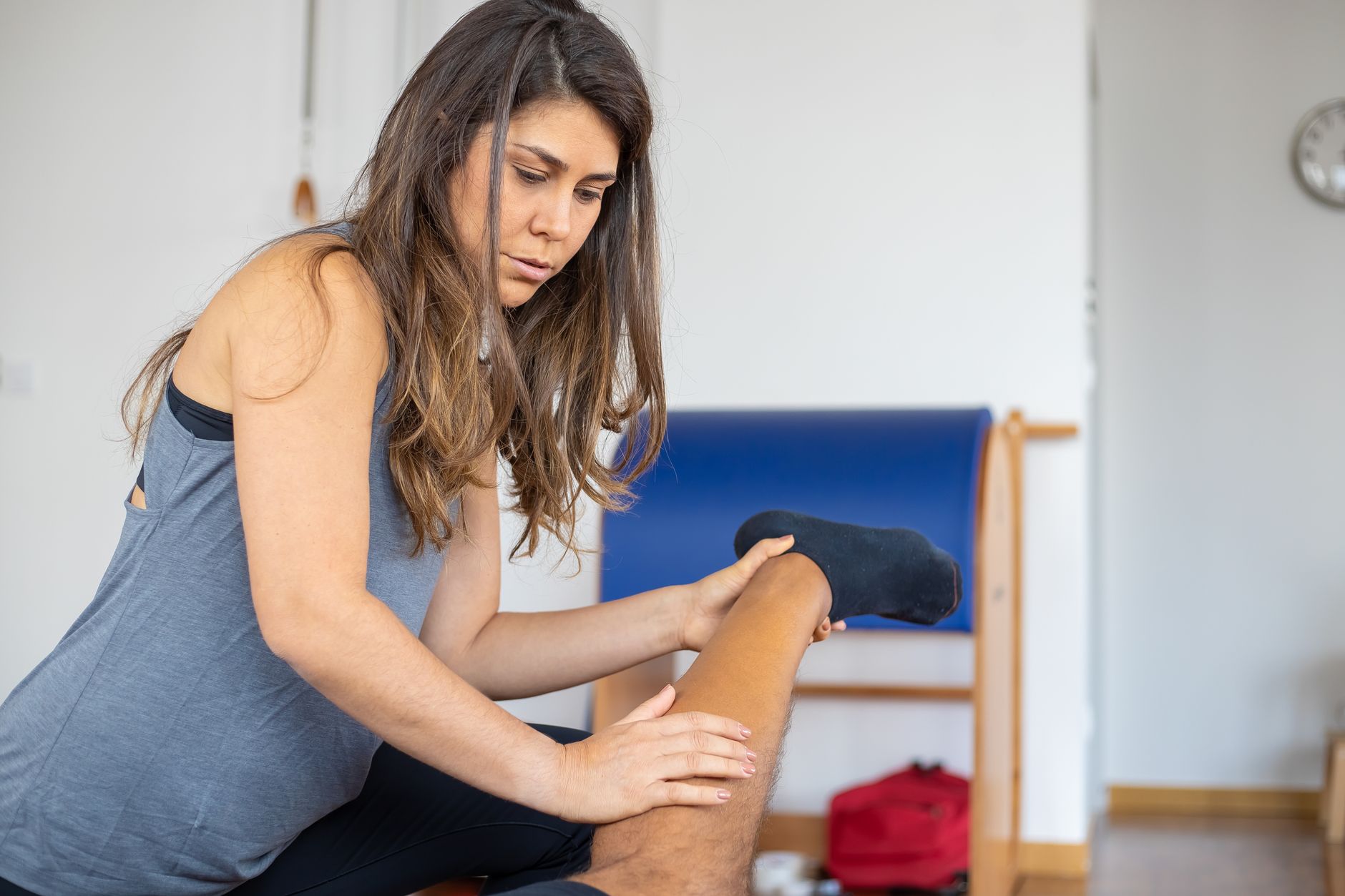
Respiratory Optimisation: Breathing Exercises and Physiotherapy
Beyond smoking cessation, Turkish lung health programmes focus on actively improving your respiratory function. This often includes teaching you specific breathing exercises that you can practice before surgery. One common technique is incentive spirometry, where you breathe in slowly and deeply through a device that provides visual feedback. This helps keep your lungs expanded and prevents collapse of small air sacs, a common post-operative complication.
You may also learn pursed-lip breathing and diaphragmatic breathing, which can improve oxygen exchange and reduce breathlessness. A respiratory physiotherapist will guide you through these exercises and ensure you are doing them correctly. They will also teach you how to cough effectively to clear secretions, which is crucial after surgery when anaesthesia and pain can make coughing difficult. These techniques are not just for smokers; they benefit all patients, but they are especially important for those with a history of smoking or lung disease.
In some cases, chest physiotherapy may be recommended. This can involve techniques to loosen and clear mucus from the airways, such as postural drainage or percussion. If you have a chronic lung condition, the team will work with you to optimise your inhaler technique and ensure your condition is well-controlled before surgery. The overall goal is to get your lungs into the best possible shape so that you can breathe easily during recovery and reduce the risk of complications like pneumonia.
How These Programmes Reflect Türkiye's Patient Preparation Standards
Türkiye has become a established destination for medical tourism, known for its advanced technology, skilled surgeons, and comprehensive patient care. The inclusion of smoking cessation and lung health programmes in the pre-operative pathway is a clear example of the country's thorough approach to patient preparation. Hospitals here do not just focus on the surgery itself; they look at the whole patient and take steps to optimise every aspect of health before, during, and after the procedure.
This holistic approach is embedded in the accreditation and quality standards of many Turkish hospitals. Facilities that cater to international patients often hold JCI (Joint Commission International) accreditation or similar, which requires strict protocols for patient assessment and risk management. Pre-operative smoking cessation and respiratory optimisation are part of these protocols, ensuring that every patient receives individualised care. The availability of multilingual staff and patient coordinators further ensures that international patients can fully participate in these programmes without language barriers.
Moreover, Turkish hospitals invest in well-equipped pulmonary function laboratories and respiratory therapy departments. The equipment is modern, and the staff are highly trained. This infrastructure allows for accurate assessments and effective interventions. For patients, this means peace of mind: you know that your lung health is being taken seriously and that measures are in place to minimise risks. It is this attention to detail that has earned Türkiye a reputation for excellence in medical care.
Benefits for International Patients: Safer Surgery, Faster Recovery
Participating in a smoking cessation and lung health programme before surgery offers tangible benefits. Studies show that quitting smoking even a few weeks before an operation can significantly reduce the risk of post-operative complications. For example, it lowers the chance of wound infections, respiratory infections, and cardiovascular events. It also improves wound healing and reduces the length of hospital stay. For international patients, who may be far from home, a smooth recovery is especially important.
Faster recovery means you can return to your normal activities sooner and enjoy the results of your surgery without prolonged downtime. It also reduces the overall cost of your medical trip by minimising the need for extended hospital care or additional treatments. Beyond the immediate surgical benefits, the support you receive can help you quit smoking permanently, leading to long-term health improvements such as reduced risk of heart disease, stroke, and cancer.
Many international patients report that the cessation programme was a highlight of their medical journey. They appreciate the compassionate, non-judgmental approach and the sense of partnership with their healthcare team. Even those who were initially hesitant about quitting found the structured support invaluable. The programme empowers you to take an active role in your health, which can be a transformative experience.
Choosing a Hospital with Comprehensive Lung Health Support
If you are considering surgery in Türkiye and you smoke, look for hospitals that offer dedicated pre-operative smoking cessation and lung health services. Most major medical tourism hospitals in Istanbul, Ankara, Izmir, and Antalya provide these programmes, but it is worth confirming the details. Ask about the scope of the programme: Does it include pulmonary function testing? Is counselling available in your language? Are medications like NRT or varenicline provided? Are there respiratory physiotherapy sessions?
Your medical tourism facilitator or the hospital's international patient department can help you understand what is available. Do not be shy about discussing your smoking habits; the more information you provide, the better the team can tailor your care. Some hospitals may even offer these services as part of a package for international patients, so inquire about costs and inclusions. Transparency is key to a smooth experience.
It is also important to consider the timing of your trip. Ideally, you should start the cessation programme several weeks before your surgery date. This may mean arriving earlier in Türkiye or beginning the programme remotely with online consultations. Many hospitals are flexible and can accommodate your schedule. The sooner you start, the more time your lungs have to heal and strengthen.
Conclusion: A Supportive Step Toward Better Surgical Outcomes
Türkiye's hospital-based smoking cessation and lung health programmes are a testament to the country's commitment to patient safety and holistic care. They offer international patients a structured, compassionate way to reduce surgical risks and improve recovery. Whether you are able to quit completely or simply cut down, the support you receive can make a meaningful difference. By choosing a hospital that prioritises pre-operative respiratory optimisation, you are taking a proactive step toward a healthier outcome.
If you are planning medical treatment in Türkiye, consider discussing these services with your chosen hospital. The team is there to help you every step of the way, from your first consultation to your post-operative recovery. With the right preparation, you can face your surgery with confidence, knowing that your lung health is in good hands.
Thinking about treatment in Turkey?
Send us a question about this site or about the information published on it. This is a publisher's mailbox, not a medical service and not a route to a particular provider — for clinical questions, contact your own doctor.