

Why Türkiye Excels in Advanced Wound Care and Hyperbaric Oxygen Therapy
Türkiye has quietly become a global leader in post-surgical recovery, particularly for patients facing complex wound healing challenges. The country's investment in modern healthcare infrastructure, combined with a deep tradition of medical excellence, has created a network of specialised wound-care and hyperbaric centres that rival—and often surpass—those in Europe and North America. For international patients recovering from extensive surgeries such as reconstructive procedures, diabetic foot interventions, or post-oncological resections, these centres offer a lifeline.
Hyperbaric oxygen therapy (HBOT) involves breathing pure oxygen in a pressurised chamber, which dramatically increases oxygen delivery to tissues. This accelerates angiogenesis, reduces inflammation, and combats infection—critical factors in wound healing. Türkiye's clinics pair HBOT with advanced dressings, negative pressure wound therapy, and biological skin substitutes, creating a comprehensive recovery ecosystem.
What sets Türkiye apart is the integration of these services with medical tourism infrastructure. International patient departments coordinate everything from airport transfers to translation, ensuring that wound-care protocols continue seamlessly after you return home. The result: faster, cleaner recovery with fewer complications.
Who Is a Candidate for Hyperbaric and Advanced Wound Care?
Candidacy for HBOT and advanced wound care depends on your surgical history and current wound status. You may be an ideal candidate if you have a wound that is failing to heal despite standard care, such as a surgical incision that has dehisced, a flap or graft with compromised perfusion, or an infection that is resistant to antibiotics. Patients with diabetes, peripheral vascular disease, or a history of radiation therapy are at higher risk for poor wound healing and often benefit most.
Common surgical scenarios that lead to specialised wound care include abdominoplasty, breast reconstruction, orthopedic implants, and cardiac bypass—especially in patients with comorbidities. In Türkiye, wound-care specialists conduct a thorough assessment that includes wound cultures, imaging, and vascular studies to determine the optimal protocol. HBOT is typically recommended when tissue hypoxia is documented or when the wound has shown no improvement after four weeks of standard therapy.
Contraindications for HBOT are relatively few but important: untreated pneumothorax, certain chemotherapy agents, and severe claustrophobia. Your Turkish clinic will review your full medical history to ensure safety. For most international patients, the benefits far outweigh the risks, and the centres are adept at managing complex cases.
What to Expect: Session Schedules and Protocols
A typical HBOT session lasts 60 to 120 minutes, during which you lie in a clear acrylic chamber while the pressure is gradually increased to 2.0–2.5 atmospheres. You can watch a movie, listen to music, or simply relax. Most patients undergo one session per day, five to six days a week, for a total of 20 to 40 sessions. The exact number depends on wound severity and response.
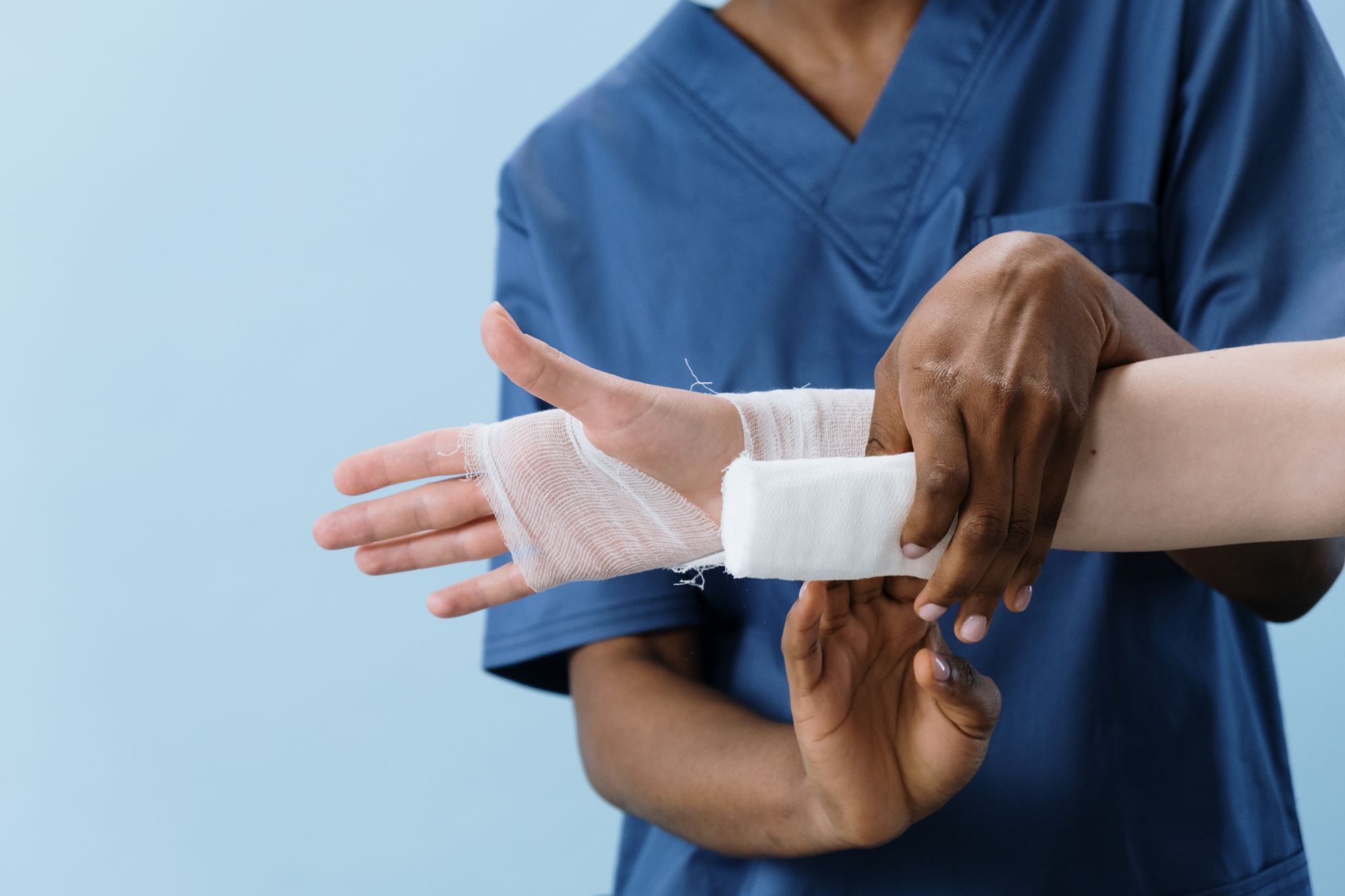
Advanced wound care may include debridement, application of growth factor gels, or negative pressure wound therapy (NPWT). These are often performed on alternating schedules with HBOT. For example, you might have HBOT in the morning and a dressing change with NPWT in the afternoon. Türkiye's centres are designed for efficiency, with dedicated wound-care nurses who monitor progress daily.
International patients often stay for two to four weeks to complete an intensive phase, then continue some therapies at home with telemedicine support. Turkish clinics provide detailed discharge plans and can liaise with your local healthcare provider to ensure continuity. This structured schedule is key to Türkiye's impressive healing rates.

How Turkish Clinics Integrate Wound Care into Your Surgical Recovery Plan
In Türkiye, wound care is not an afterthought—it is woven into the surgical journey from the start. Preoperative assessments identify risk factors such as malnutrition or smoking, and patients receive optimisation strategies. After surgery, a multidisciplinary team including surgeons, wound-care specialists, and hyperbaric physicians collaborates on a personalised recovery plan.
For international patients, this integration extends to logistical support. Your patient coordinator schedules all appointments, arranges transportation, and provides translated medical documents. Many clinics offer on-site accommodation or partner hotels with nursing services. This holistic approach reduces stress and allows you to focus on healing.
The recovery plan may also include nutritional counselling, physiotherapy, and pain management. Hyperbaric therapy is timed to complement surgical follow-ups, and adjustments are made based on weekly wound measurements and photos. This dynamic protocol ensures that if a wound is not improving, interventions are escalated promptly.
Why Türkiye's Centres Are Underappreciated Gems
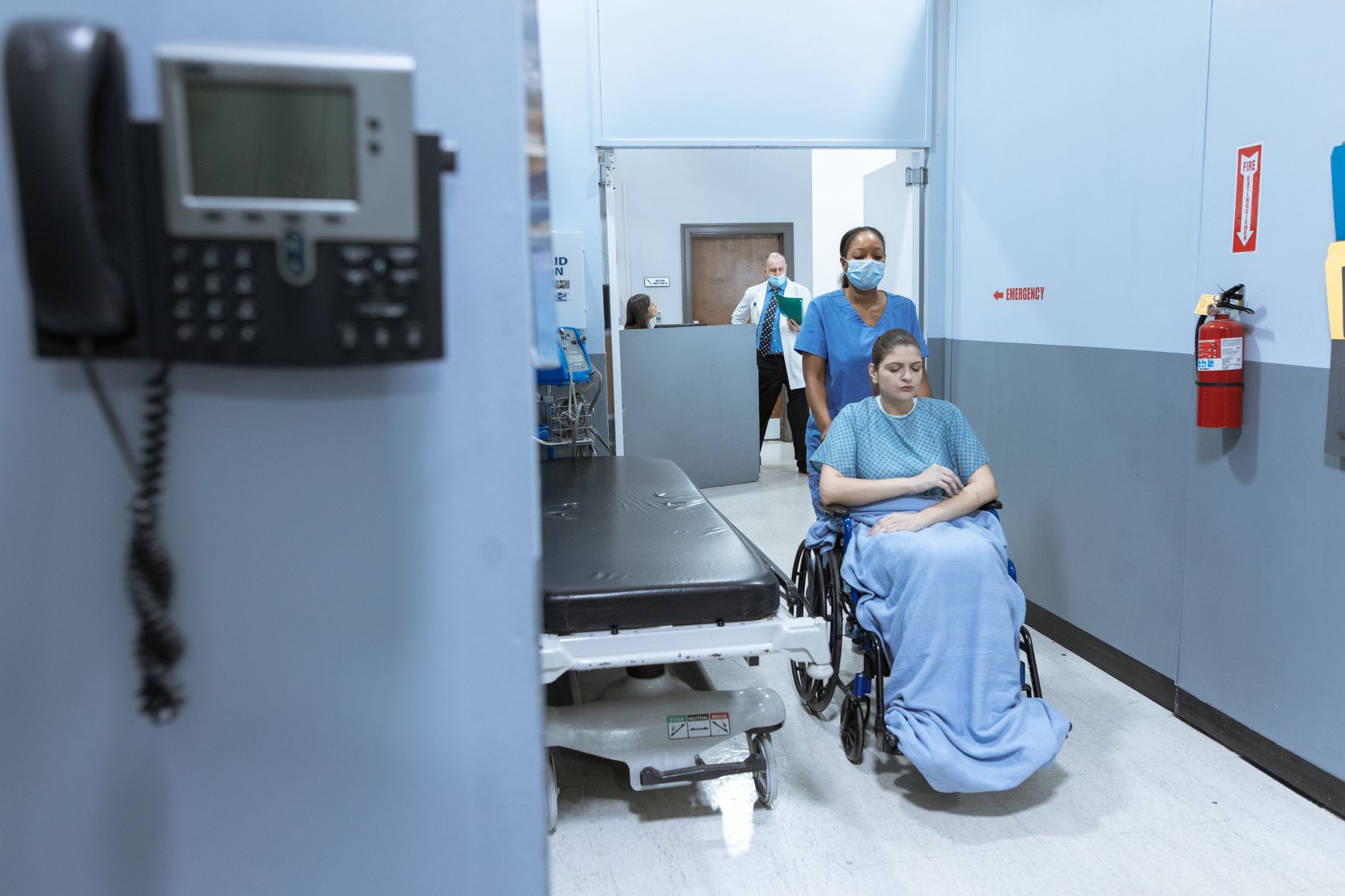
While Türkiye is renowned for hair transplants and cosmetic surgery, its hyperbaric and wound-care centres remain relatively unknown to international patients. This is surprising, given that many of these facilities are accredited by the Joint Commission International (JCI) and staffed by physicians trained in Europe and the US. The cost of a full HBOT course in Türkiye is often 50–70% less than in Western countries, without compromising quality.
Moreover, Turkish culture places a high value on hospitality, and this translates into compassionate care. Nurses often go above and beyond, and the doctor-patient relationship is warm and communicative. For patients recovering from complex surgery, this emotional support is invaluable.
Another underappreciated aspect is the speed of access. In many countries, waiting for HBOT can take weeks or months. In Türkiye, treatment can often begin within days of your arrival, which is critical for wound healing. This agility makes Türkiye a top choice for urgent post-surgical wound complications.
Practical Tips for International Patients
Before travelling, gather all relevant medical records, including operative notes, wound cultures, and imaging. Your Turkish clinic will review these to provide a preliminary treatment plan and cost estimate. Ensure your passport is valid for at least six months beyond your stay, and check visa requirements—many nationalities can obtain an e-Visa online.
Upon arrival, you will have a consultation with a wound-care specialist. Be prepared to discuss your goals and any concerns. During treatment, stay hydrated and eat a protein-rich diet to support healing. Avoid smoking and alcohol, as they impair wound repair. Most clinics offer halal, kosher, or vegetarian meals upon request.
After returning home, keep in touch with your Turkish clinic via email or video calls. They can provide progress reviews and adjust your local care plan. Many patients report that the combination of advanced therapy and genuine care made their recovery smoother and faster than they expected.
In conclusion, Türkiye's hyperbaric and advanced wound-care centres represent a hidden advantage for anyone facing a challenging recovery. With expert teams, modern facilities, and patient-centered service, you can look forward to cleaner, quicker healing—and a return to life sooner.
Thinking about treatment in Turkey?
Share your contact details and a verified doctor will follow up with a plan built around you — free, no obligation.