

Türkiye: A Global Leader in Liver Transplantation
Türkiye has emerged as one of the world's foremost destinations for liver transplantation, with a remarkable story of clinical excellence, high volumes and outstanding survival outcomes. Since the first successful liver transplant in the country in the late 1980s, Turkish transplant centres have performed thousands of procedures, and today several hospitals in Istanbul, Ankara and Izmir rank among the busiest and most respected liver transplant programmes globally. For international patients facing end-stage liver disease, this means access to transplant expertise that is often comparable to—and in some cases exceeds—what is available in their home countries.
What sets Türkiye apart is not only surgical skill but also a deeply integrated multidisciplinary approach. Hepatologists, transplant surgeons, anaesthesiologists, intensive care specialists, infectious disease experts, dietitians, psychologists and transplant coordinators work as one team around each patient. This model has produced graft and patient survival rates that meet or surpass international benchmarks, with many centres reporting one-year survival above 90% for both living-donor and deceased-donor transplants.
For families travelling from abroad, the journey can feel overwhelming. This guide walks you through every stage: the transparent pre-transplant assessment, how donor matching works, the waiting process for a deceased donor, and the comprehensive recovery support provided on-site. It also highlights the compassionate, family-centred culture that surrounds international patients throughout their time in Türkiye.
The Pre-Transplant Assessment Pathway: Transparent and Thorough
Every liver transplant journey in Türkiye begins with a comprehensive evaluation. This assessment is designed to confirm that transplantation is the right option, to identify any conditions that need to be optimised first, and to prepare a personalised treatment plan. International patients typically start with a remote review of medical records—imaging, biopsy results, blood tests, and a summary of previous treatments—uploaded through a secure portal or shared with the hospital's international patient department.
Once initial records are reviewed, the transplant team schedules a series of in-person tests. These usually include advanced imaging (CT, MRI, Doppler ultrasound), cardiac evaluation, pulmonary function tests, virology and immunology panels, and a full nutritional and psychological assessment. The evaluation is transparent: you and your family receive clear explanations of each finding, and the team discusses risks, benefits and alternatives in your language through professional medical interpreters.
The assessment phase also determines the urgency of transplantation using scoring systems such as the MELD (Model for End-Stage Liver Disease) score, adapted to local allocation rules. If transplantation is not immediately indicated, the team may recommend bridging therapies—such as antiviral treatment, TIPS, or locoregional therapies for liver cancer—while you remain under close monitoring. This careful, stepwise approach ensures that no patient is rushed into surgery without a complete picture.
For living-donor transplantation, the assessment extends to the potential donor. Donor candidates undergo an even more rigorous evaluation to ensure their safety and compatibility. This includes blood group and tissue typing, crossmatch testing, detailed liver anatomy imaging to assess volume and vascular/biliary structure, and a full medical and psychological review. Only when both recipient and donor are fully cleared does the team set a surgery date.
How Donor Matching Works: Living and Deceased Donors
Türkiye has a dual-source transplant system: living-donor and deceased-donor liver transplantation. Living-donor transplantation is particularly well developed, accounting for a large proportion of procedures. This is largely because of cultural and legal frameworks that encourage altruistic donation, as well as the technical expertise of Turkish surgeons in performing adult-to-adult living-donor transplants, including right-lobe grafts.
For a living donor, the first requirement is a compatible blood type, though with modern protocols, ABO-incompatible transplants are possible in selected cases after desensitisation. Beyond blood type, tissue typing (HLA matching) is considered, but the liver is more tolerant of mismatches than the kidney or heart. The most critical factor is graft size: the donated portion of the liver must be large enough for the recipient's body size, which is calculated using CT volumetry. Surgeons also study the donor's vascular and biliary anatomy to plan a safe operation for both individuals.
Deceased-donor matching follows a national allocation system. In Türkiye, organs are allocated through a centralised network managed by the Ministry of Health, prioritising patients by medical urgency (MELD score), waiting time, and compatibility. International patients can be listed for a deceased donor if they meet legal residency or reciprocal agreements; however, many international patients opt for living-donor transplantation to avoid unpredictable waiting times. The transplant coordinator explains all options clearly and helps families understand the realistic timeline.
Ethical and legal standards are strict. All donors must provide informed consent, and unrelated donation is subject to review by hospital ethics committees to prevent organ trafficking. This transparency is a cornerstone of Türkiye's reputation and ensures that international patients can trust the process.
The Waiting Period: Support and Preparation
Waiting for a transplant—whether for a living donor's surgery date or a deceased-donor organ—can be an anxious time. Turkish transplant centres recognise this and provide structured support to keep patients as healthy as possible. During the waiting period, you will have regular follow-up appointments with your hepatologist, who will monitor liver function, manage complications such as ascites or encephalopathy, and adjust medications. The goal is to keep you in the best possible condition for surgery.
Nutritional support is a key part of waiting. Liver disease often causes muscle wasting and malnutrition, which can affect transplant outcomes. Dietitians create individualised meal plans, sometimes including oral supplements or, in severe cases, tube feeding. You will also be advised on physical activity—gentle exercise helps maintain strength and cardiovascular fitness.
For international families, the hospital's international patient services team becomes a lifeline. They assist with accommodation near the hospital, visa extensions, translation, and scheduling. Many centres offer patient navigators who speak English, Arabic, Russian, and other languages, and they coordinate with your embassy if needed. Psychosocial support is also available: psychologists and social workers help you and your family cope with stress, and support groups connect you with other transplant patients.
If a deceased donor organ becomes available, the transplant coordinator will contact you immediately—day or night. You must be reachable at all times and able to arrive at the hospital within a few hours. This is why patients on the waiting list are advised to stay within a reasonable distance of the transplant centre. Once you receive the call, you will be admitted for final crossmatch and preparation, and surgery typically follows within hours.
The Transplant Procedure and Immediate Post-Operative Care
Liver transplant surgery is a major operation, typically lasting 6 to 12 hours. In living-donor transplantation, two surgical teams work simultaneously: one removes the donor's liver lobe while the other prepares the recipient. The diseased liver is removed and replaced with the healthy graft, and blood vessels and bile ducts are meticulously reconnected. Turkish surgeons are highly experienced in complex vascular and biliary reconstructions, which reduces complications.
After surgery, you will be transferred to the intensive care unit (ICU) for close monitoring. The ICU team manages pain, infection risk, and organ function. Most patients are stable enough to move to a regular transplant ward within a few days. Immunosuppressive medications are started immediately to prevent rejection, and their levels are carefully adjusted through frequent blood tests. You will also receive antiviral, antibacterial, and antifungal prophylaxis as needed.
The first few weeks are critical. Nurses and doctors watch for signs of rejection, infection, or biliary complications. Regular ultrasound and Doppler studies check blood flow to the new liver. If any issue arises, the team responds quickly—this is where the high volume of transplants at Turkish centres translates into expertise. International patients receive the same standard of care as local patients, with the added benefit of interpreters and international coordinators to bridge communication gaps.
Family involvement is encouraged. Most hospitals have flexible visiting hours for transplant patients, and social workers help families with practical matters such as lodging, meals, and transportation. This compassionate environment helps reduce the isolation that can accompany medical travel.
Recovery and Long-Term Follow-Up On-Site
Recovery after liver transplant is a gradual process. You will typically stay in the hospital for 2 to 4 weeks, depending on your condition and any complications. Before discharge, you and your caregiver receive extensive education on medications, warning signs, diet, and activity restrictions. You will be asked to stay near the hospital for several weeks to attend frequent follow-up visits—usually twice weekly at first, then tapering off.
During this on-site recovery period, the transplant team monitors your liver function, immunosuppressant levels, and overall health. Rehabilitation services, including physiotherapy, help you regain strength. Nutritional counselling continues. If you are from abroad, the international patient department helps arrange extended accommodation and coordinates any need for local nursing care.
Long-term follow-up is essential for transplant success. Many Turkish centres offer telemedicine follow-up for international patients after they return home, in collaboration with local physicians. You will receive a detailed discharge summary and a schedule for blood tests, imaging, and clinic visits. The transplant coordinator remains your point of contact for questions, and annual check-ups in Türkiye can be arranged. With adherence to medication and lifestyle advice, most patients enjoy a dramatically improved quality of life.
It is important to remember that recovery is not just physical. Emotional support, from psychologists and peer groups, helps patients adjust to life after transplant. Families often describe the transplant journey as transformative, and the bonds formed with the Turkish medical team last well beyond discharge.
Compassionate, Multidisciplinary Care for International Families
What truly distinguishes Türkiye's liver transplant programme is the culture of care. From the first email to the final follow-up, international patients are treated as guests as well as patients. Hospitals assign a dedicated international patient coordinator who guides you through appointments, helps with translation, and advocates for your needs. Many centres have multilingual staff and provide written materials in several languages.
The multidisciplinary team meets regularly to discuss each patient's case, ensuring that decisions are made collectively and transparently. You are welcome to ask questions and to have your family involved in discussions. This openness builds trust and reduces the anxiety that often accompanies seeking care abroad.
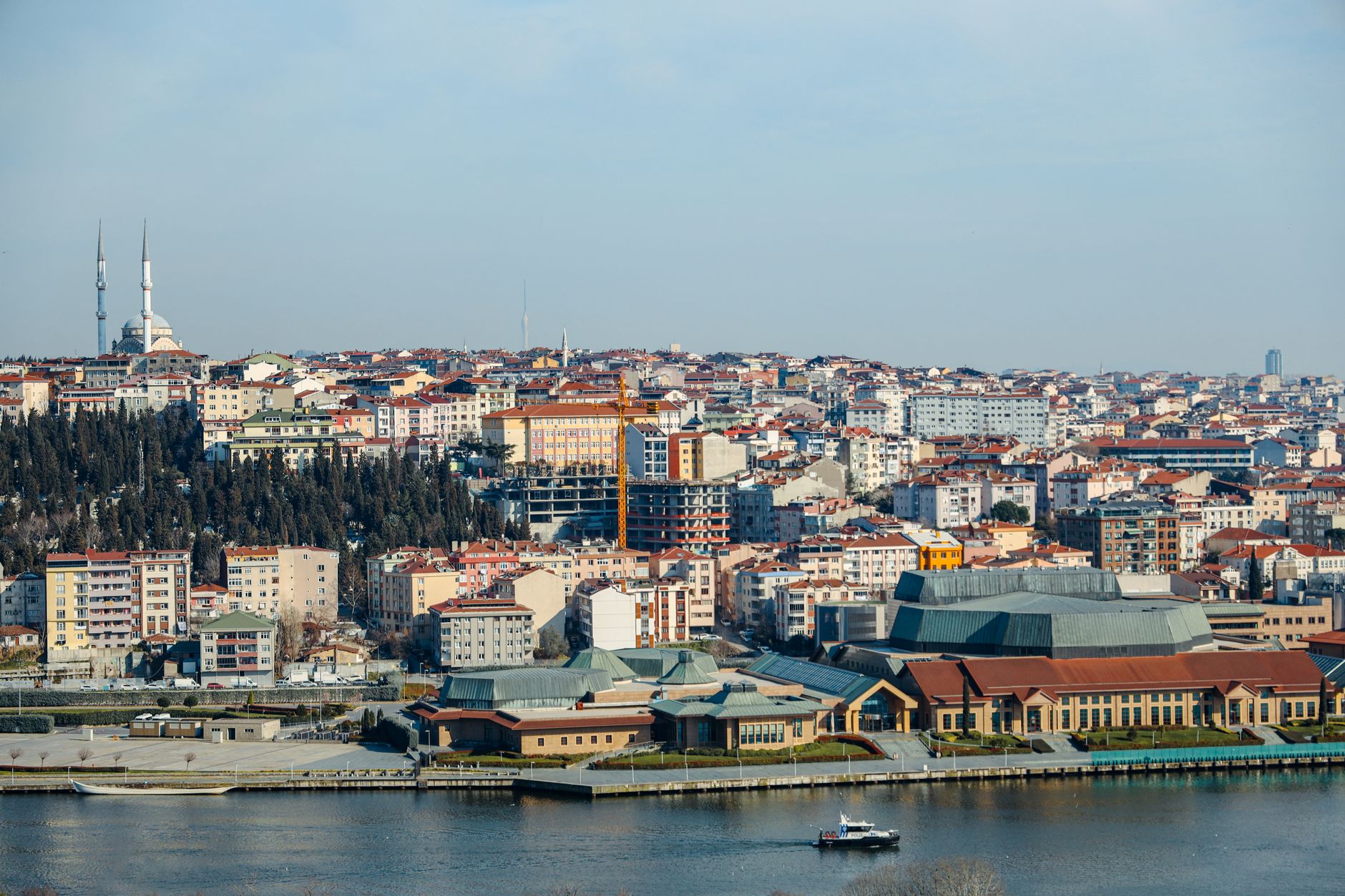
Beyond the hospital walls, Türkiye offers a welcoming environment. Istanbul, in particular, is a vibrant, cosmopolitan city with excellent accommodation, transport, and cuisine. Many patients and their families find comfort in exploring local parks, markets, and historic sites during the waiting and recovery periods, when approved by their doctors. The blend of advanced medicine and rich culture makes the journey more bearable.
For international patients considering liver transplantation, Türkiye represents a compelling option: world-class centres, experienced hepatology teams, strong survival outcomes, and a compassionate approach that treats the whole family. With a transparent assessment pathway, clear donor matching processes, and robust recovery support, you can focus on what matters most—healing.
Thinking about treatment in Turkey?
Share your contact details and a verified doctor will follow up with a plan built around you — free, no obligation.