

Language Should Never Be the Hardest Part of Treatment
Anyone who has sat in a hospital waiting room far from home knows the feeling: you have travelled thousands of kilometres for care, you have made one of the biggest decisions of your life, and now the moment arrives when a doctor looks at you and begins to explain your diagnosis. If that explanation arrives in a language you only partly understand, everything becomes harder — not just the words, but the confidence to ask, to disagree, to say “I don’t understand, please explain again.”
This is exactly why Türkiye has built something remarkable over the past two decades: a genuine, hospital-level language support ecosystem. Türkiye’s leading hospitals — from the large JCI-accredited medical cities of Istanbul and Ankara to specialist clinics in Antalya and İzmir — routinely employ professional medical interpreters in Arabic, English, Russian, German, French, Persian, Azerbaijani, Uzbek, Romanian and more. This is not an optional extra bolted on for tourists. It is embedded in how these hospitals admit, consult, treat and follow up with international patients.
For patients, the practical value is enormous and very human. When your consultation is interpreted properly, you ask better questions. You understand your treatment plan fully. You give informed consent that is actually informed. And perhaps most importantly, you feel genuinely cared for rather than processed. This guide explains how that ecosystem works, what you should expect, and how to make the most of it during your medical journey to Türkiye.
What “Medical Interpreter” Actually Means in Türkiye’s Top Hospitals
There is a big difference between a bilingual receptionist and a trained medical interpreter. Türkiye’s international patient departments understand this distinction well. Medical interpreters are trained not simply to translate words, but to convey clinical meaning accurately — dosages, risks, alternatives, anatomical terms, post-operative instructions and emotional nuance.
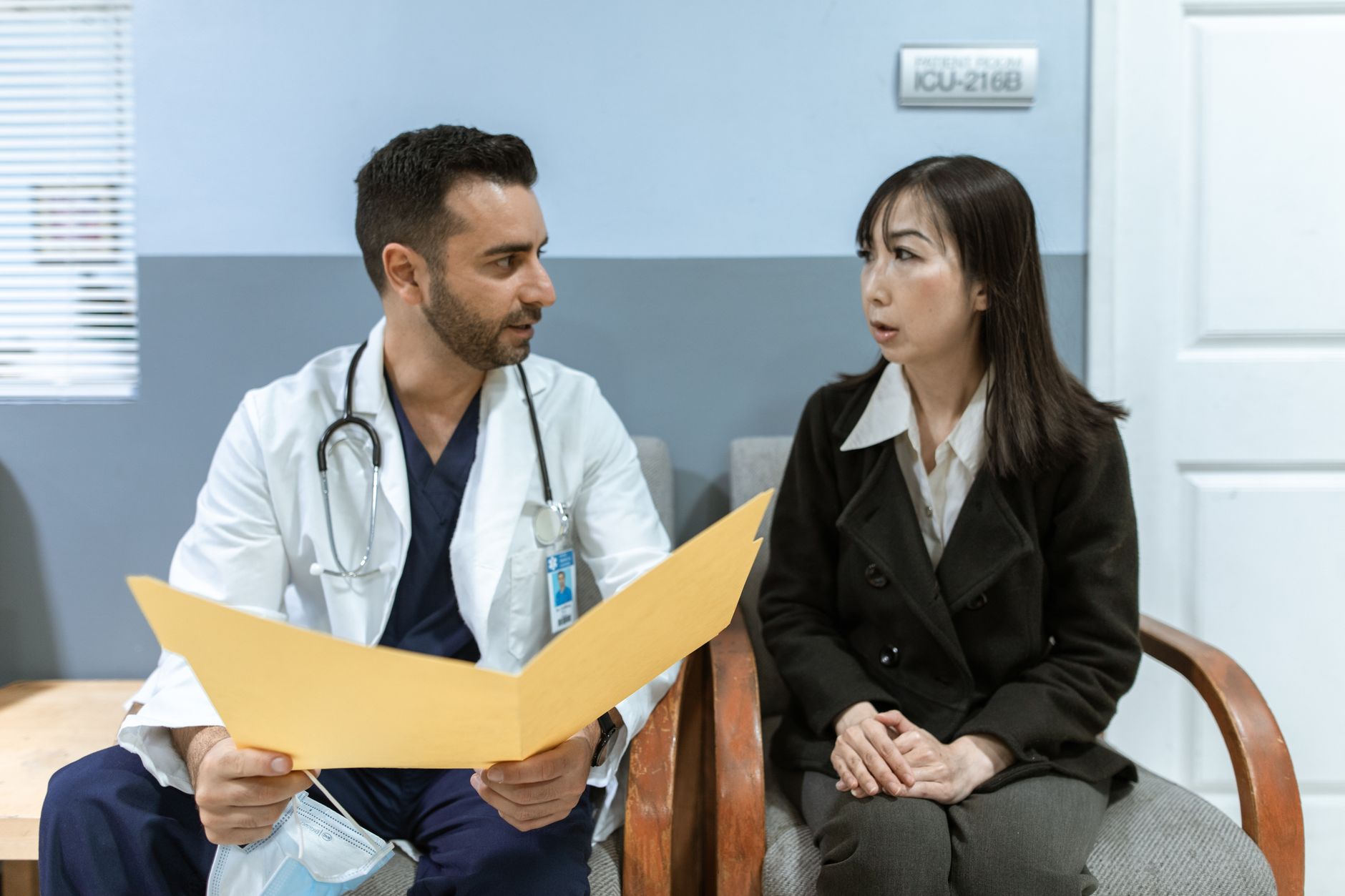
In leading hospitals in Istanbul, you will typically meet several layers of language support. The first point of contact is often an international patient coordinator who handles your initial enquiry, sends your medical reports for review and arranges your appointment. When you arrive, a dedicated interpreter accompanies you through consultations, pre-operative assessments, imaging appointments and discharge. In many hospitals, this same person remains your consistent contact throughout your stay, which builds trust and avoids the confusion of repeating your story to a new face every day.
Interpreters in these settings are used to high-stakes conversations. They sit in on oncology consultations where a patient must weigh several treatment paths. They interpret during cardiology reviews where a single misunderstood phrase about medication timing can matter. They are present when an anaesthesiologist explains what will happen before surgery, and they stay close during consent discussions. This is professional, structured language support — not improvised translation.
Many hospitals also offer telephone or video interpretation for less common languages, so even patients speaking languages such as Dutch, Spanish, Italian, Ukrainian or Kazakh can usually be accommodated. The goal is consistent: no international patient should face a medical decision without fully understanding it.
The Languages You Can Realistically Expect
Because Türkiye receives patients from an extraordinarily wide catchment area — the Middle East, North Africa, the Gulf, Central Asia, the Balkans, Russia, Europe and beyond — its hospitals have developed deep multilingual capacity. Arabic and English are near-universal in international departments. Russian is widely available, especially in Istanbul, Antalya and the broader medical tourism corridors that serve patients from Russia, Kazakhstan and Azerbaijan.
German and French are common in hospitals that serve Turkish diaspora communities and European patients, particularly in cities like Istanbul, İzmir and Ankara. Persian is frequently available, reflecting the significant number of patients who travel from Iran. Beyond these, you will find support for Azerbaijani, Uzbek, Turkmen, Dari, Pashto, Romanian, Bulgarian, Bosnian, Albanian, Greek and more — sometimes in-house, sometimes through vetted external interpretation partners.
What matters for you as a patient is not just whether your language is spoken, but how well. When you contact a hospital, be specific about your preferred language and ask whether interpretation is provided by a trained medical interpreter. You should also ask whether interpretation is included in your treatment package or billed separately. In Türkiye’s leading hospitals, language support for international patients is generally included as part of the international patient service, but confirming this early avoids surprises.
Written Translation: Consent Forms, Reports and Discharge Instructions
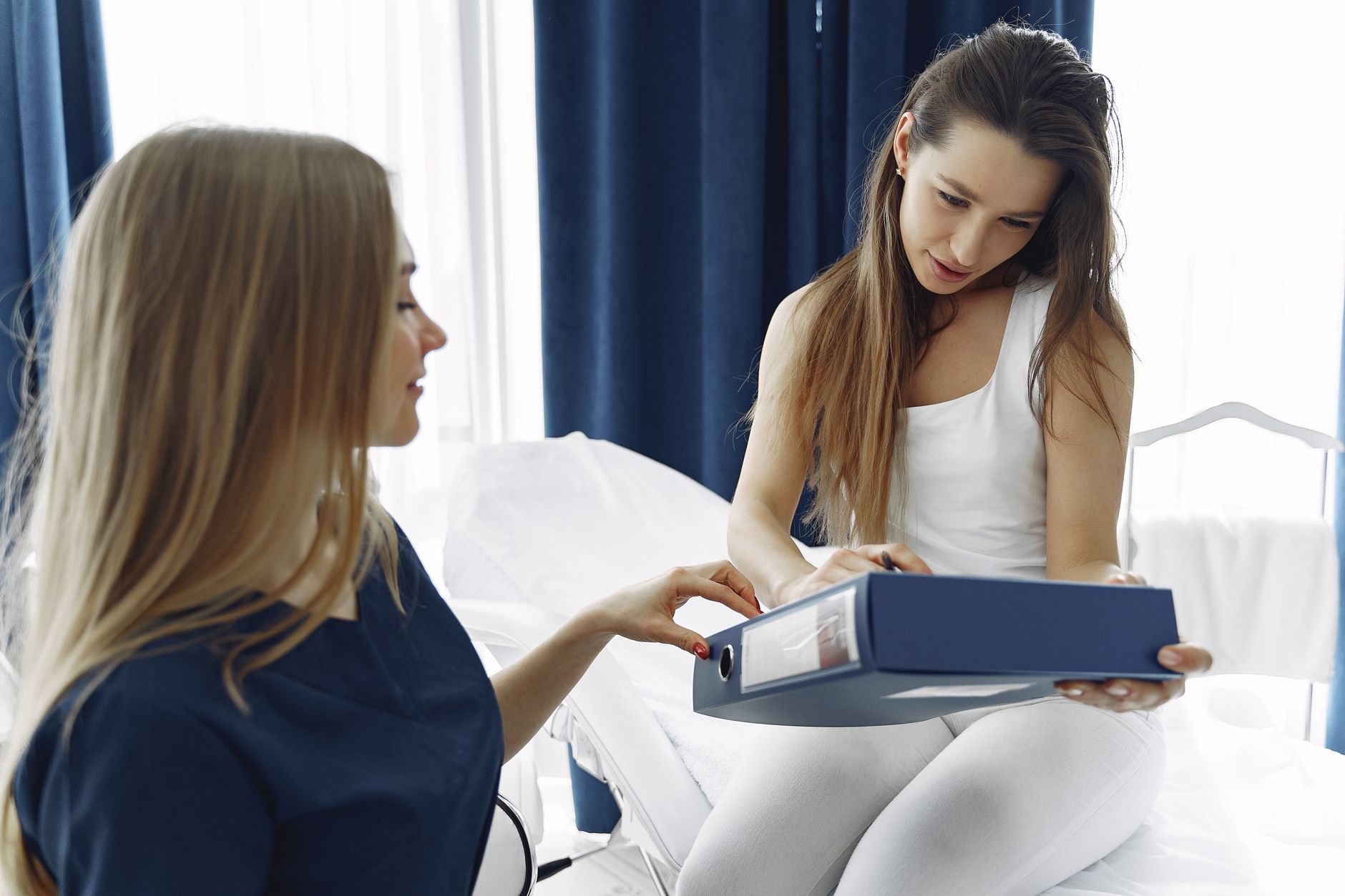
Spoken interpretation is only half of the language equation. Spoken words can be questioned and clarified in real time. Written documents cannot — once you sign a consent form, it stands. This is why Türkiye’s leading hospitals place strong emphasis on written translation as well.
Consent forms, pre-operative information sheets, anaesthesia explanations, medication schedules and discharge instructions are increasingly provided in the patient’s language. Where a fully translated form is not available, the interpreter will go through the document line by line with you before signing, pausing to explain any term you do not understand. Good hospitals encourage you to take your time, ask about risks and alternatives, and even take the document away to read before signing. You should never feel rushed into a signature you do not fully grasp.
The same applies to medical reports. If you arrive with imaging, pathology results or previous surgical notes, hospitals will often translate key sections so your new Turkish specialist can review them properly. On discharge, you should receive clear written instructions in your language covering medications, wound care, activity restrictions, follow-up appointments and warning signs that require immediate attention. This documentation becomes your bridge back home, helping your local doctor continue your care without gaps.
If you are ever handed a document in Turkish only, do not hesitate to ask for translation. Reputable hospitals expect this request and handle it without friction.
Why Clear Language Support Makes You a Better, Safer Patient
The benefits of professional interpretation go far beyond comfort. They directly affect clinical outcomes. When you understand your diagnosis, you can participate in decisions instead of simply obeying instructions. You can ask why a particular procedure is recommended, whether there are less invasive alternatives, what the recovery timeline looks like and what the realistic risks are. You can disclose information you might otherwise withhold out of embarrassment or uncertainty — previous surgeries, medications, allergies, lifestyle factors and family history.
This exchange matters enormously. A patient who understands their plan is more likely to follow it correctly. They take medications at the right times, attend follow-up appointments, recognise early warning signs and communicate changes in their condition. They also experience less anxiety, which itself supports recovery. In surgical settings, informed, calm patients often tolerate procedures and anaesthesia better, and they tend to have smoother post-operative courses.
There is also a cultural dimension. Many patients from the Middle East, Central Asia and North Africa feel more at ease when the interpreter shares their language and understands the cultural context of their concerns — modesty, family involvement, religious considerations around treatment, dietary needs or prayer times. Türkiye’s hospitals are well attuned to these sensitivities. Interpreters are often trained to navigate them respectfully, ensuring that cultural comfort and clinical accuracy go hand in hand.
In short, language support is not a courtesy. It is patient safety infrastructure.
What to Expect Day by Day: A Realistic Walkthrough
Before you travel, your international patient coordinator will likely communicate with you by email, WhatsApp or phone in your language. They will request your medical records, arrange a preliminary opinion from the relevant specialist and provide a treatment plan and cost estimate. This early stage is where clarity begins — use it to ask every question you have, however basic it may seem.
On arrival, you are typically met at the airport or at your hotel by a coordinator or driver, and your first hospital appointment usually includes an in-person interpreter. During consultations, the interpreter sits beside you or slightly behind, positioned so the doctor speaks to you directly rather than to them. Good interpreters use the first person — “I feel pain here” rather than “she says she feels pain here” — which keeps you at the centre of the conversation.
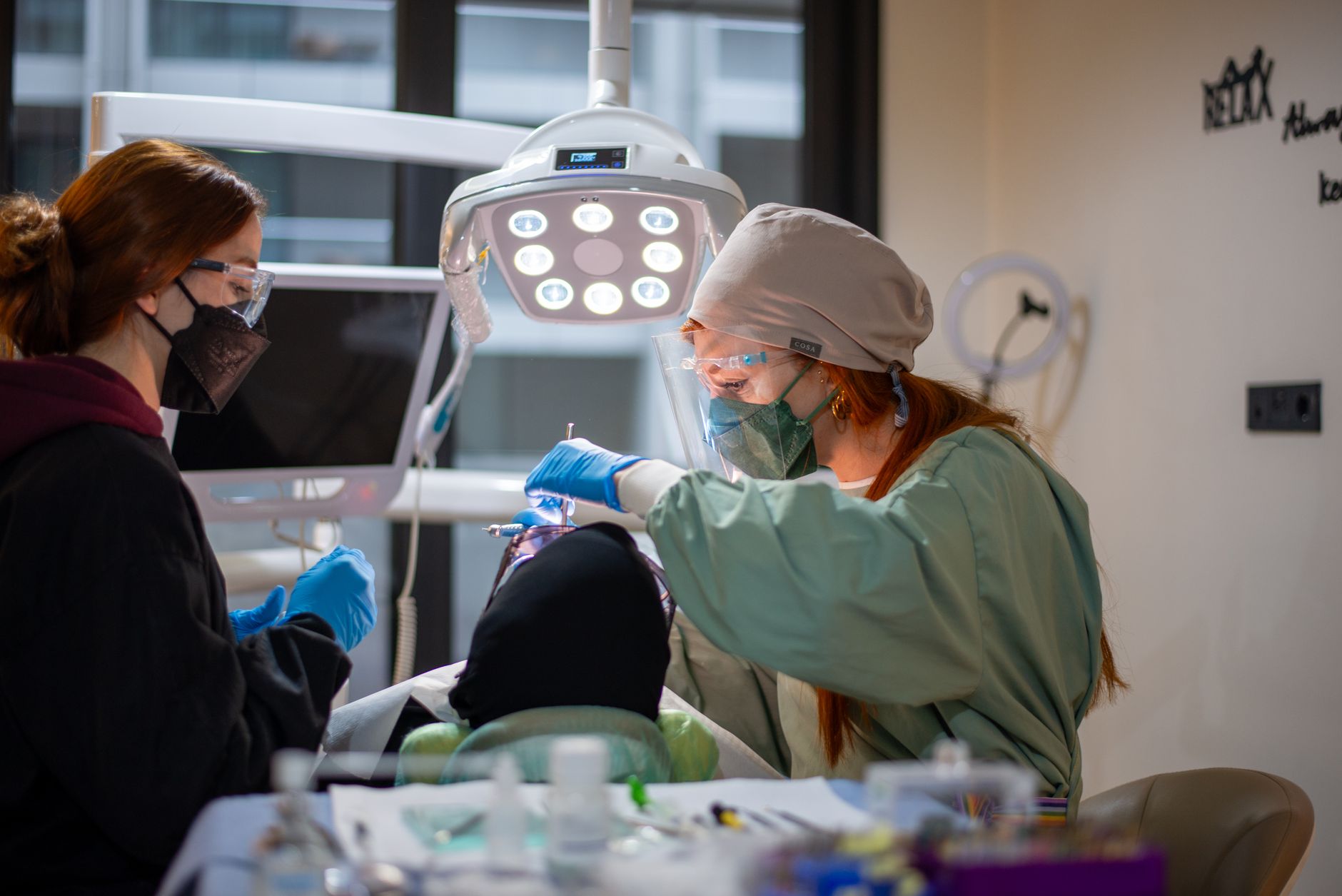
During pre-operative preparation, your interpreter will walk you through fasting instructions, medication adjustments, anaesthesia details and the consent process. On the day of surgery, they often remain available to your family, providing updates and translating conversations with the surgical team. After the procedure, they help with pain management discussions, mobilisation instructions and discharge planning.
After you return home, many hospitals continue to offer language-supported follow-up via phone or video call. If complications arise or you need clarification about medications, you can reach your coordinator or an interpreter in your language. This continuity is one of the most reassuring aspects of choosing Türkiye for treatment.
Practical Tips for Making the Most of Language Support
First, tell the hospital your language needs from the very first message. Specify whether you prefer spoken interpretation, translated documents, or both, and whether any family member will travel with you to help. If a relative will interpret for you, mention this — hospitals usually still recommend a professional interpreter for consent discussions and clinical details, but family involvement can be valuable alongside.
Second, prepare questions in advance. Write them down in your own language and bring the list to every appointment. Ask about diagnosis, treatment options, success rates, risks, recovery time, costs, what is included, and what happens if something goes wrong. A prepared patient gets far more from a consultation.
Third, do not pretend to understand when you do not. If a phrase is unclear, ask for it again, ask for an example, ask for it in simpler words. Interpreters and doctors in Türkiye’s leading hospitals expect this and respect it. There is no shame in wanting precision about your own body.
Fourth, keep copies of every translated document — reports, consent forms, discharge summaries, prescriptions. These protect you and help your home doctor. Finally, if you ever feel that communication is not working, say so. Ask for a different interpreter, a written explanation, or a second consultation. Türkiye’s patient-first culture means these requests are taken seriously.
Travelling abroad for medical care is a brave decision. Türkiye’s interpreter and language support ecosystem exists precisely so that bravery is matched by understanding — so that you are not just treated, but truly cared for, in a language that feels like home.
Thinking about treatment in Turkey?
Share your contact details and a verified doctor will follow up with a plan built around you — free, no obligation.