

Why Türkiye Has Become the Go-To for British and Irish Patients
For patients from the United Kingdom and Ireland, Türkiye has quietly become one of the most practical medical travel destinations in the world. Direct flights from Heathrow, Gatwick, Manchester, Birmingham, Edinburgh, Dublin and Belfast land in Istanbul in under four hours, and many regional airports now offer seasonal or year-round routes to Antalya, Izmir and Dalaman. That means a hair transplant, dental restoration, bariatric procedure or orthopaedic operation can be combined with a short, affordable trip rather than a long-haul expedition.
The bigger draw, however, is the care itself. British and Irish patients consistently describe Turkish clinics as faster, warmer and more attentive than what they experience at home. Appointments are arranged within days rather than months, surgeons and nurses speak fluent English, and the patient is treated as a guest rather than a number on a waiting list. For anyone frustrated by NHS backlogs or private UK prices, the contrast is striking.
This guide covers the practical side that matters most: entry requirements for UK and Irish passport holders, how to carry your NHS records and medication lists, what to do with your discharge notes when you get home, and how to make the whole journey feel seamless from first enquiry to follow-up.
Visas and Entry: Straightforward for UK and Irish Passports
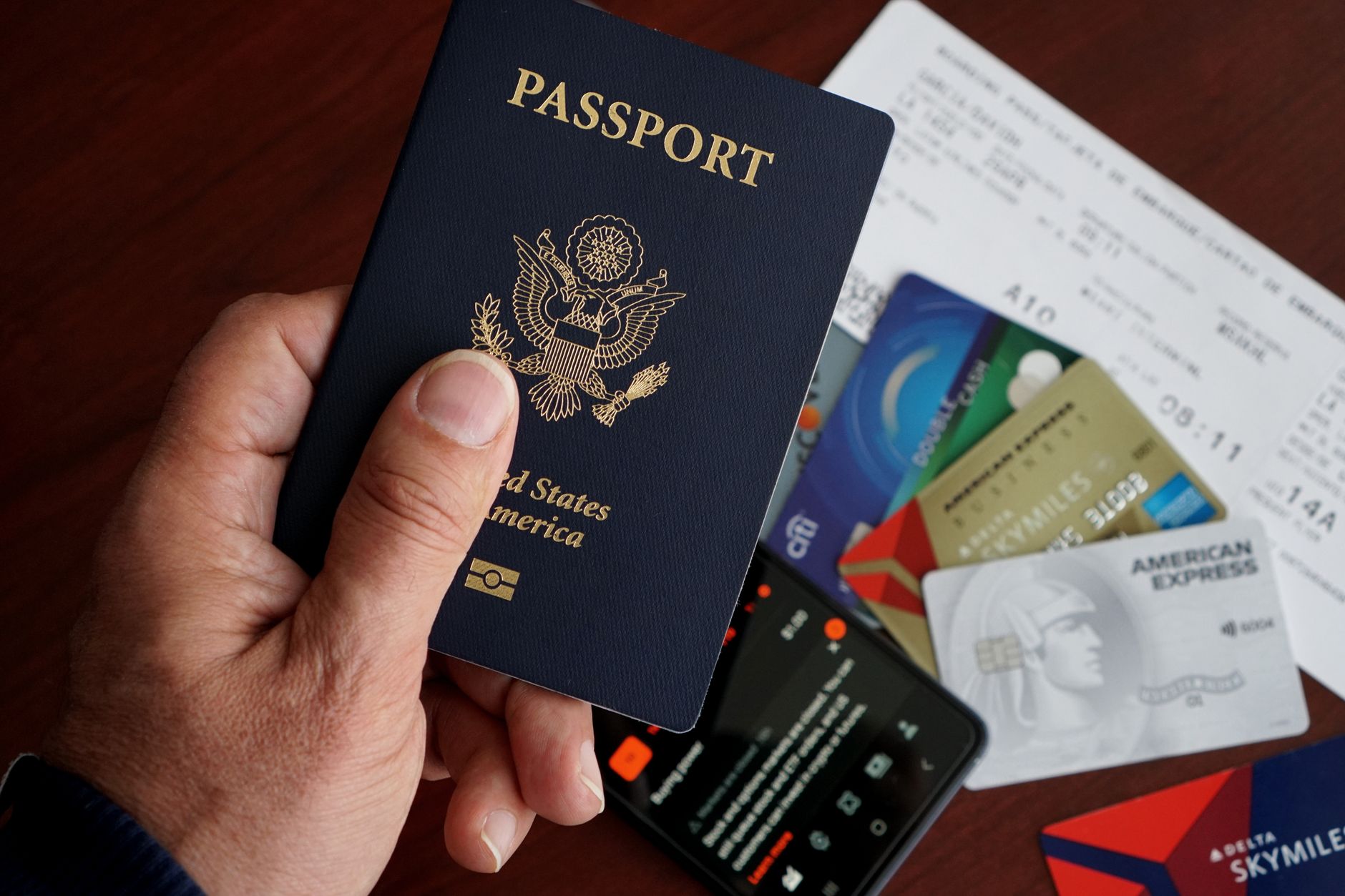
Irish citizens enjoy visa-free entry to Türkiye for tourism and short medical visits, typically for up to 90 days within a 180-day period. British citizens currently travel visa-free for stays of up to 90 days in any 180-day period as well, though rules can change and travellers should always confirm the latest position with the Turkish Ministry of Foreign Affairs or their airline before booking. For the vast majority of medical trips, which last from a few days to a couple of weeks, this makes entry exceptionally simple.
If a visa is required for any reason — for example, if you hold a different passport, plan a longer stay, or rules change — the Turkish e-Visa system is quick and entirely online. Applications are usually approved within minutes, and the visa is linked electronically to your passport. You do not need to visit an embassy or send documents by post.
At passport control, be ready to explain that you are travelling for medical treatment. Carrying a short letter from your Turkish clinic — confirming your appointment, the treatment planned and your expected length of stay — is sensible and can smooth your entry. Keep a printed copy as well as a digital one, and make sure your passport has at least six months' validity and blank pages.
Travel insurance is not a visa requirement, but it is strongly recommended. Choose a policy that explicitly covers medical tourism, including complications and extended stays, and declare any pre-existing conditions honestly. Some Turkish clinics also offer complication cover as part of their package; ask for the details in writing.

Getting There: Short Flights from Every Major UK and Irish Airport
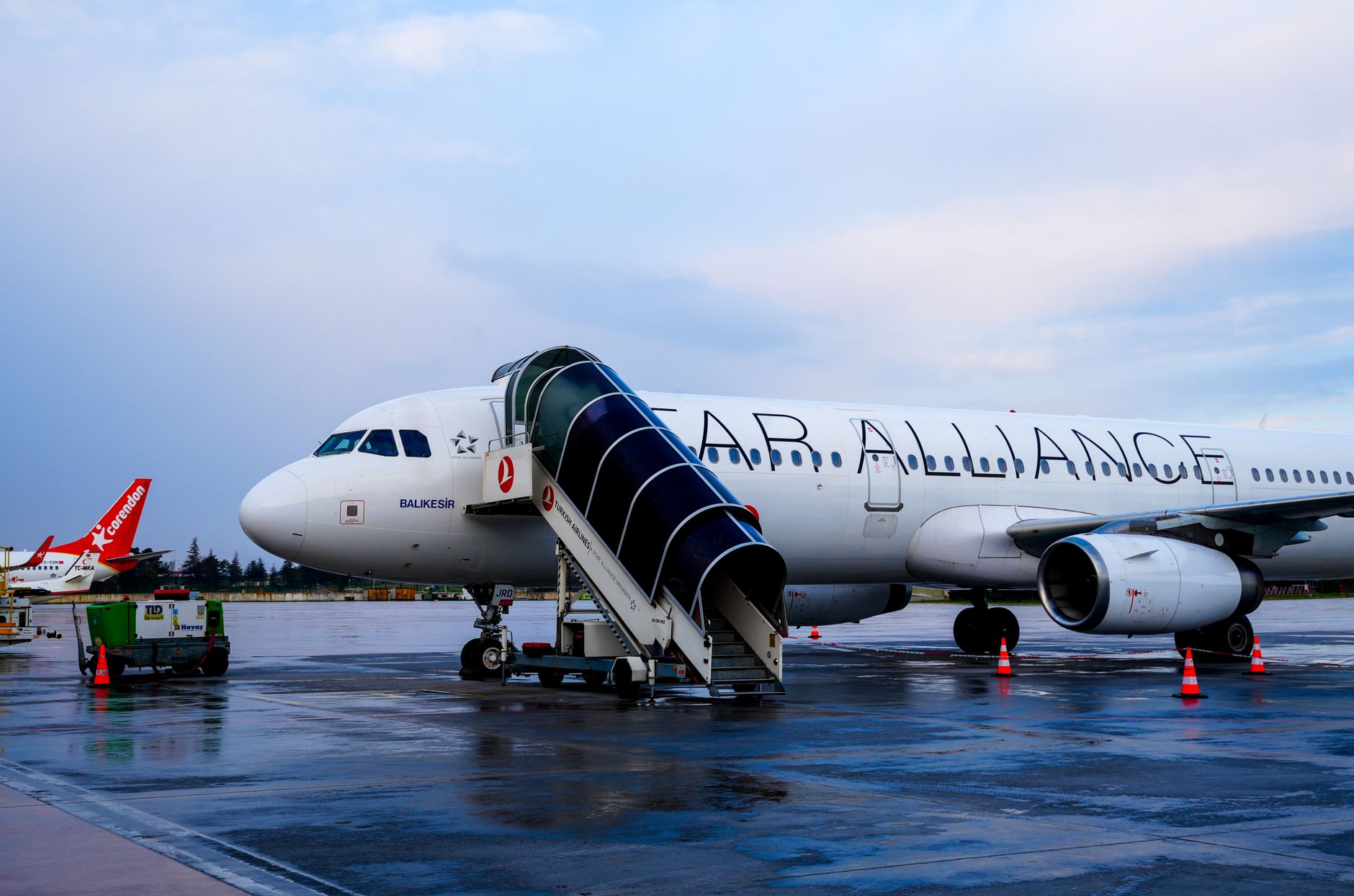
Istanbul is served by direct flights from London Heathrow, Gatwick, Luton and Stansted, as well as Manchester, Birmingham, Edinburgh, Glasgow, Bristol, Newcastle and Dublin. Flight times range from roughly three hours fifty minutes to four hours thirty minutes, making Türkiye closer than many people assume. Antalya, Izmir, Bodrum and Dalaman are also well connected, which is useful if your clinic is outside Istanbul.
Turkish Airlines, Pegasus, British Airways, easyJet, Jet2 and Ryanair all compete on these routes, so fares are often very reasonable, especially if you book a few weeks ahead. For patients travelling with a companion, the low cost of flights means it is usually affordable to bring a partner, family member or friend for support.
Once you land, most reputable clinics offer private transfers from the airport to your hotel or hospital. This is worth confirming in advance, particularly if you are arriving after surgery or travelling with mobility aids. Istanbul's new airport is vast but well signposted in English, and the older Sabiha Gökçen airport on the Asian side is convenient for clinics in that part of the city.
If you are combining treatment with recovery, consider adding a few rest days. Istanbul's hotels range from international chains to boutique properties in Nişantaşı, Beşiktaş and Sultanahmet, and many clinics have partnerships that reduce room rates for their patients.
Carrying NHS Records and Medication Lists: What to Bring and How
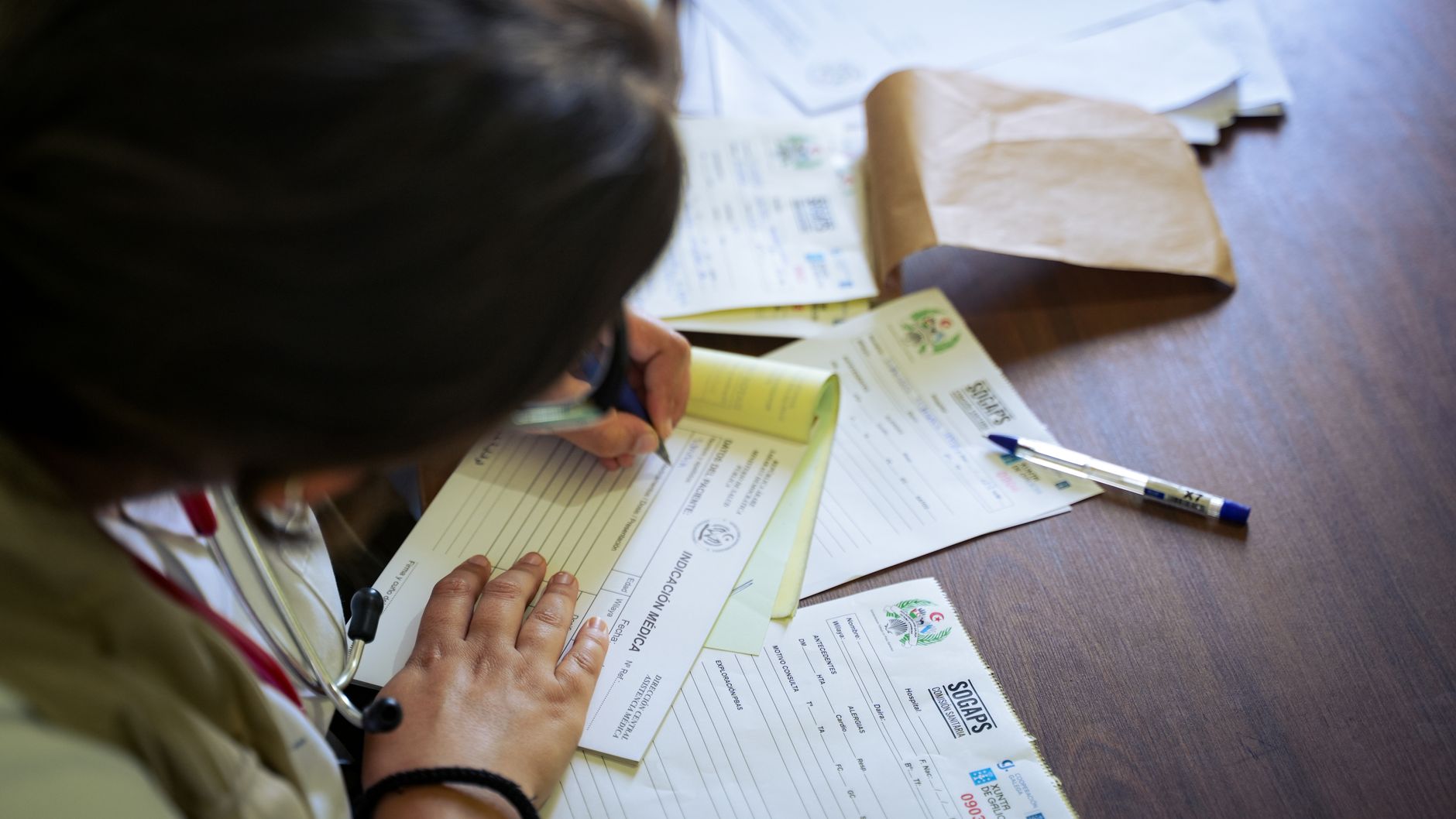
Turkish clinics do not have access to NHS systems, so you are responsible for bringing your own medical history. Request a printout from your GP or access your records through the NHS App or your local health board's online service. The most useful documents are a summary of your medical history, recent blood tests and imaging (on CD, USB or via a secure link), a list of current medications with doses, and any allergy information.
For Irish patients, the HSE and your GP can provide similar summaries, and the same principles apply. Bring everything in English — Turkish clinicians are fluent in English, but official records should not need translation. If you have complex conditions such as diabetes, heart disease or a bleeding disorder, ask your GP for a short letter outlining your management plan and any precautions.
Medication is a common concern. Pack enough of your regular medicines for the whole trip plus a buffer, keep them in original packaging, and carry a copy of your prescription. If you use controlled drugs, check Turkish rules in advance; some require a doctor's letter or a special permit. Never put essential medication in checked luggage.
It also helps to bring a simple timeline: when your symptoms started, what treatments you have tried, and what your NHS or Irish consultant has advised. This lets your Turkish surgeon make decisions quickly and safely, and it reduces the risk of duplicated tests.
What to Expect from Turkish Clinics: Faster, Warmer, More Attentive
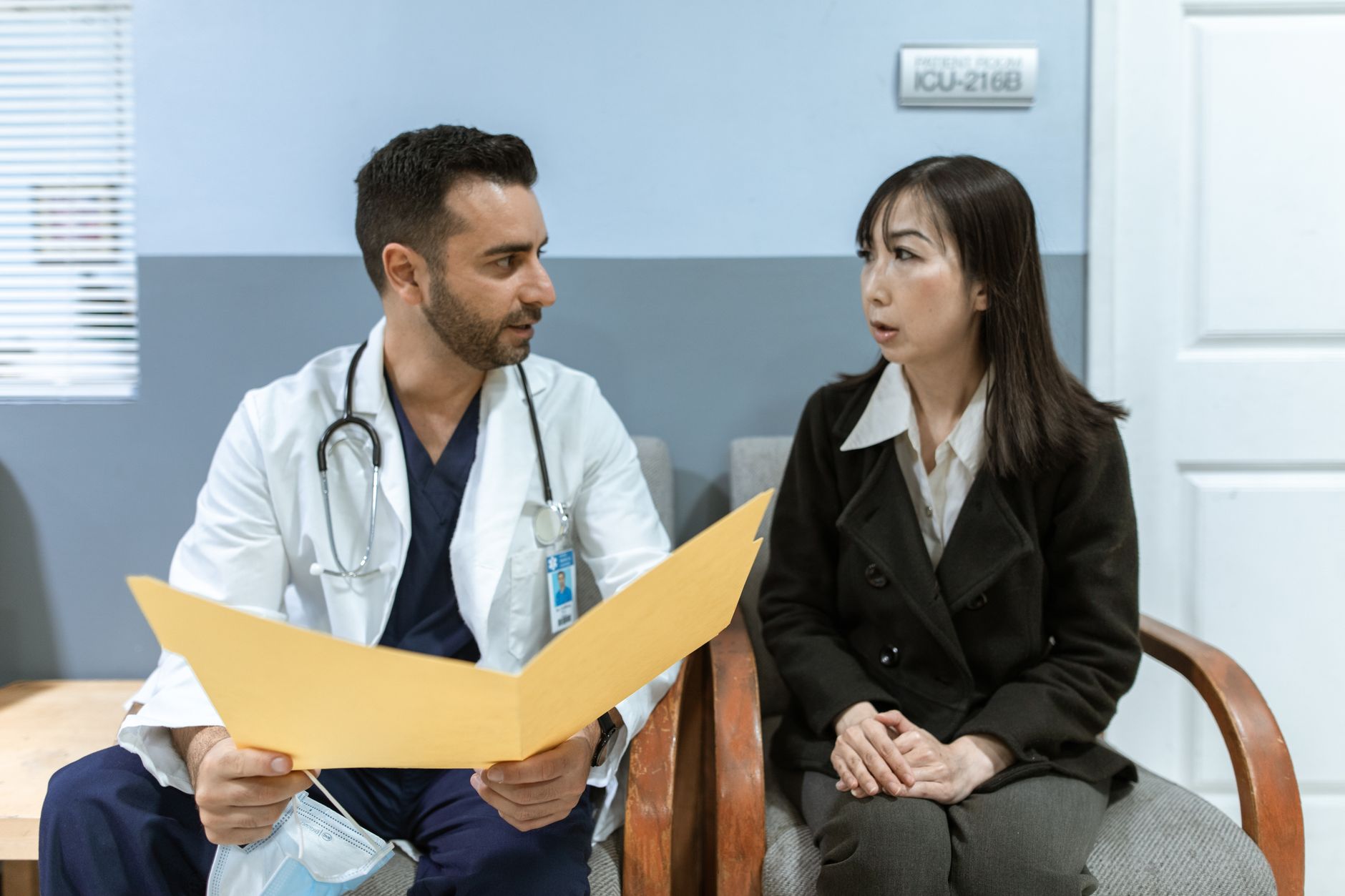
British and Irish patients often remark on the pace of care. Consultations are long and unhurried, surgeons explain procedures in plain English, and there is rarely the sense of being rushed out of the door. Many clinics assign a patient coordinator who is available by WhatsApp or phone from the moment you enquire until well after you return home.
The warmth is another recurring theme. Turkish hospitality is genuine, and clinical staff often go out of their way to make patients feel comfortable — arranging translators, checking in after discharge, and accommodating companions. For patients who have felt like a burden on a stretched NHS, this attentiveness can be emotionally significant as well as medically reassuring.
Facilities are frequently state-of-the-art. Türkiye has invested heavily in private hospitals, many of which hold international accreditations such as JCI. Operating theatres, imaging equipment and intensive care units are often newer than those in comparable UK private hospitals, and prices remain significantly lower because of currency and cost structures.
None of this means you should skip due diligence. Check that your surgeon is registered with the Turkish Medical Association, ask about their complication rates and revision policy, and read reviews from UK and Irish patients specifically. A good clinic will welcome these questions.
Sharing Discharge Notes with Your GP on Return
Before you leave Türkiye, ask your clinic for a full discharge summary in English. It should include the procedure performed, any implants or medications used, wound care instructions, warning signs to watch for, and a follow-up plan. Get both a printed copy and a digital one, and ask for the contact details of the clinical team in case your GP has questions.
Once home, book an appointment with your GP or practice nurse. Bring the discharge summary and explain what was done. Your GP can then update your NHS or HSE record, monitor your recovery, and arrange any blood tests or prescriptions you need. If you have had surgery, ask about wound checks, suture removal and infection monitoring.
It is also wise to inform your GP before you travel, especially if you are having a major procedure. They can flag any fitness-to-fly concerns and ensure your routine care continues smoothly. Some UK practices are happy to receive a brief email from your Turkish clinic; others prefer a printed summary. Either way, clear communication prevents gaps in your care.
If you experience complications after returning, contact both your Turkish clinic and your GP promptly. Reputable clinics stand behind their work and will either advise you remotely or arrange revision treatment if needed. Keeping a simple diary of symptoms, temperatures and medication can help both teams act quickly.
Making the Journey Seamless: Practical Tips for UK and Irish Patients
Book your flights with a flexible fare if possible, and avoid scheduling surgery immediately after a long day of travel. Arrive a day early to rest, meet your surgeon and complete any pre-operative tests. Allow at least one full day after discharge before flying, and longer for major surgery; your clinic will advise.
Set up a travel money plan. Turkish lira is easy to obtain, and most clinics accept bank transfers or cards, but carrying some cash for incidentals is useful. Tell your bank you are travelling so your cards are not blocked, and keep receipts for any insurance claim.
Stay connected. A local eSIM or a roaming package keeps you in touch with your coordinator, your family and your GP. Share your itinerary with someone at home, including your hotel, clinic address and emergency contacts. If you are travelling alone, ask the clinic to recommend a companion service or a nurse who can check in on you.
Finally, give yourself time to recover. Istanbul is a wonderful city, but sightseeing after surgery is not the priority. Plan a gentle return to normal activity, follow your surgeon's instructions, and use the follow-up support that good Turkish clinics provide. Handled this way, medical travel to Türkiye is not just affordable — it is genuinely straightforward, and for many UK and Irish patients, a genuinely better experience.
Thinking about treatment in Turkey?
Share your contact details and a verified doctor will follow up with a plan built around you — free, no obligation.