
Why Türkiye Leads in Neurological Rehabilitation
Türkiye has emerged as a global destination for neurological rehabilitation, combining advanced medical infrastructure with a patient-first philosophy. Centres in Istanbul, Ankara and Izmir are equipped with cutting-edge robotic gait trainers, body-weight support systems and neuro-navigation technology that accelerate recovery after brain or spinal injury. These facilities are staffed by multidisciplinary teams including physiatrists, neurologists, neurosurgeons, physiotherapists, occupational therapists, speech-language pathologists and rehabilitation nurses—all working together to design individualised recovery plans.
What sets Türkiye apart is the seamless integration of high-tech therapy with compassionate, extended care. Many hospitals offer dedicated neuro-rehabilitation wings where patients can stay for weeks or months, with family accommodation either on-site or in nearby hotels and serviced apartments. The cost of a comprehensive rehabilitation programme in Türkiye is often 50–70% lower than in Western Europe or North America, without compromising quality. This affordability makes prolonged, intensive therapy accessible to more international patients.
Moreover, Türkiye's geographic location bridges Europe and Asia, with direct flights from over 100 countries. Visa procedures for medical travel are streamlined, and many hospitals have international patient departments that handle everything from airport transfers to translation services. This guide outlines how to plan a medical trip focused on measurable progress and family support.
Specialised Centres and Robotic Technologies
Türkiye's leading neuro-rehabilitation centres are distinguished by their investment in robotic and sensor-based therapies. Robotic gait training systems, such as the Lokomat and exoskeletons like Ekso GT, allow patients with spinal cord injuries or stroke-induced hemiplegia to practise walking with precise, repetitive movements. These devices provide real-time feedback and adjust support as strength returns, making therapy both safe and motivating. Occupational therapy suites are equipped with virtual reality platforms and adaptive tools to retrain fine motor skills for daily living.
In addition to robotics, many centres offer functional electrical stimulation (FES), transcranial magnetic stimulation (TMS) and brain-computer interface (BCI) training. These advanced modalities target neuroplasticity—the brain's ability to rewire itself—and are especially beneficial for patients with traumatic brain injury or incomplete spinal cord lesions. Multidisciplinary teams meet weekly to review progress data, including gait speed, balance scores and functional independence measures, ensuring therapy remains goal-oriented.
Hospitals such as Acıbadem, Memorial, Medicana and Liv Hospital have dedicated neuroscience and rehabilitation departments. Some, like the Istanbul Physical Therapy and Rehabilitation Training and Research Hospital, are renowned for their comprehensive inpatient programmes. International patients can request detailed profiles of each centre, including equipment lists, therapist-to-patient ratios and outcome statistics, to make an informed choice.
Designing Your Extended Inpatient Rehabilitation Stay
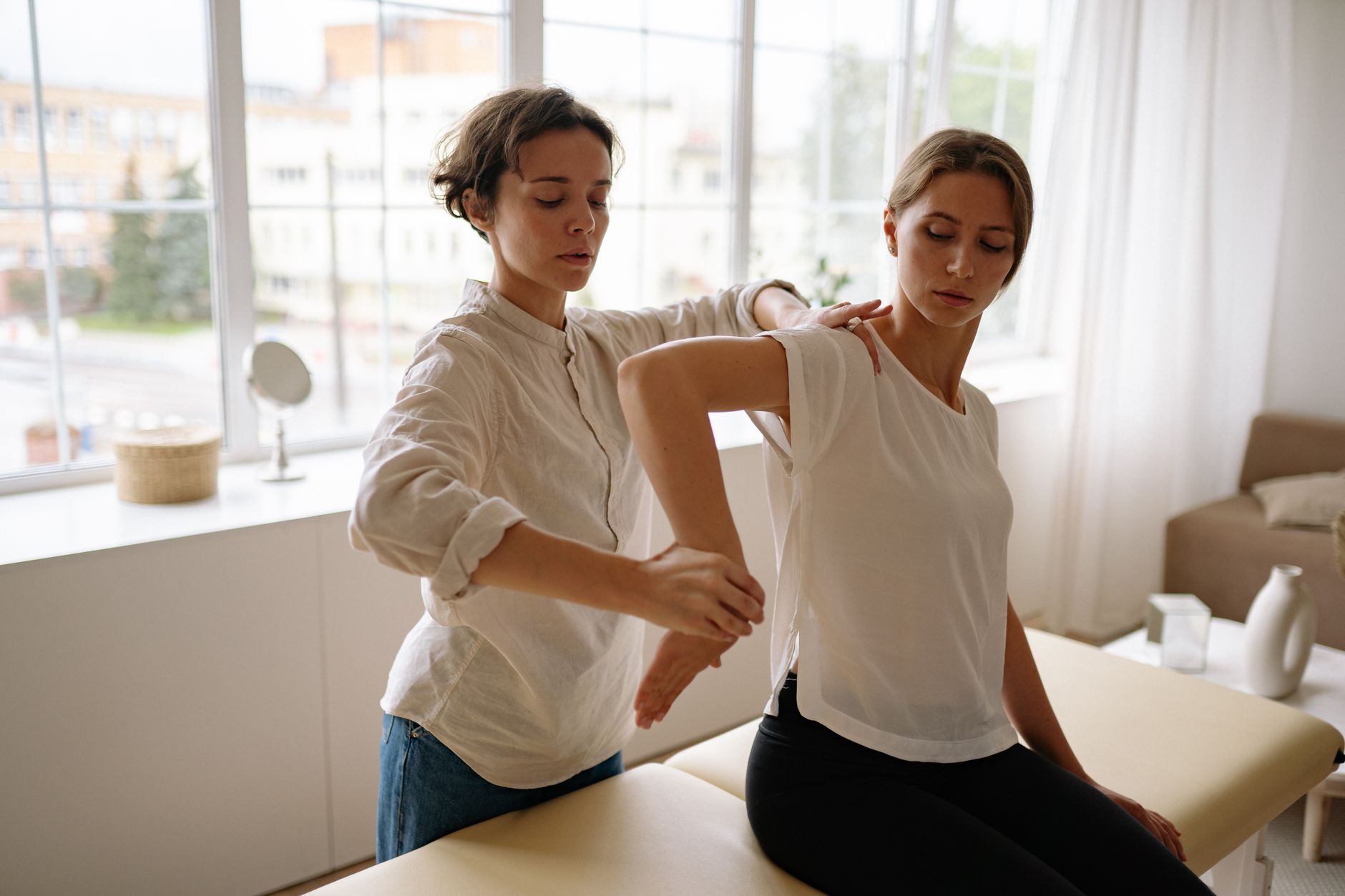
An extended inpatient rehabilitation stay in Türkiye typically ranges from 4 to 12 weeks, depending on the severity of injury and recovery goals. Upon arrival, patients undergo a thorough assessment by a physiatrist and the rehabilitation team. This evaluation covers motor function, cognitive abilities, speech, swallowing, bowel and bladder management, and psychological status. A personalised treatment plan is then created, with measurable milestones set for each week.
A typical day includes 3–5 hours of therapy, split between physical therapy, occupational therapy and speech therapy if needed. Robotic gait training sessions may last 45–60 minutes, followed by manual therapy and functional training. Occupational therapy focuses on activities of daily living such as dressing, feeding and using a phone or computer. Patients also receive psychological support and nutritional counselling to aid overall recovery. Family members are encouraged to observe and participate in therapy sessions, learning how to assist safely at home.
Accommodation for family is a key consideration. Many hospitals offer guest rooms or partner with nearby hotels that provide discounted rates for medical travellers. Serviced apartments with kitchenettes are popular for longer stays, allowing families to prepare familiar meals. Hospital international departments can arrange these logistics, as well as airport pickups, medical visa invitation letters and translators who speak Arabic, English, Russian or German.
Measuring Progress: Data-Driven Recovery
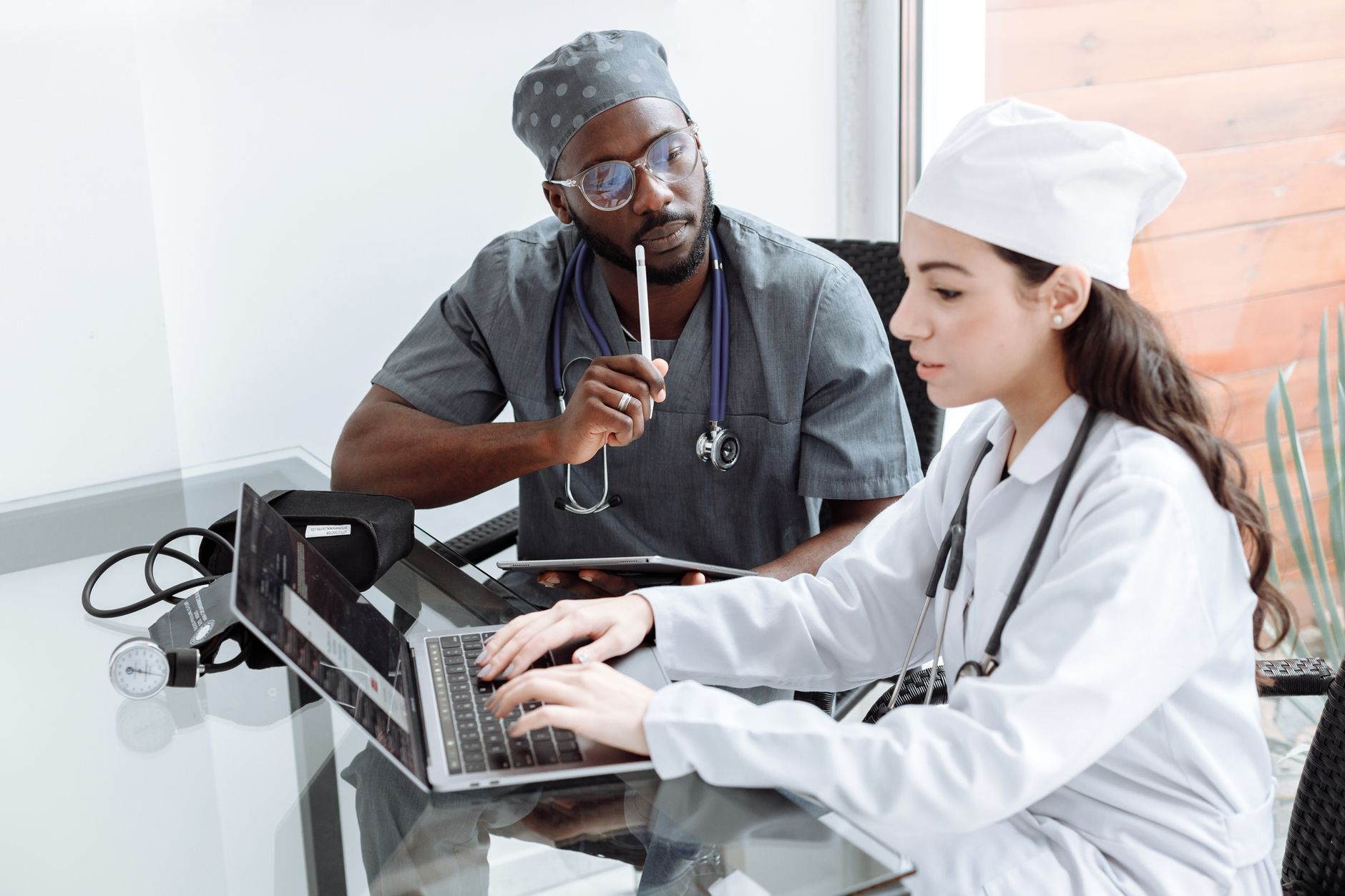
Türkiye's neuro-rehabilitation centres emphasise objective outcome measurement. Standardised tools such as the Functional Independence Measure (FIM), Berg Balance Scale, and Spinal Cord Independence Measure (SCIM) are used at admission, discharge and periodic intervals. Gait analysis labs capture walking speed, stride length and symmetry, while robotic devices log session data. These metrics are shared with patients and families in regular progress meetings, providing tangible evidence of improvement.
For international patients, receiving a detailed discharge report with before-and-after scores is invaluable for continuing care at home. Many centres also offer tele-rehabilitation follow-ups, where therapists guide exercises via video calls after the patient returns to their home country. This continuity ensures that gains made during the inpatient stay are maintained and built upon. The focus on measurable progress not only motivates patients but also justifies the investment in extended rehabilitation.
Compassionate support is woven into every aspect of care. Patient navigators help reduce stress, support groups connect families with others facing similar challenges, and spiritual care is available upon request. The goal is to treat the whole person—not just the injury—and to empower both patient and family for the journey ahead.
Practical Steps for International Patients
Planning a medical trip begins with gathering medical records, including MRI/CT scans, operative notes and a current physician's referral. These documents should be translated into Turkish or English and sent to the chosen hospital's international patient department for a preliminary evaluation. Within a few days, you will receive a proposed rehabilitation plan, estimated duration and a cost quotation. It is advisable to compare two or three centres before deciding.
Next, confirm visa requirements. Türkiye offers a medical visa for patients and companions; the hospital can provide an invitation letter to support the application. Ensure your passport is valid for at least six months beyond your planned stay. Travel insurance that covers medical repatriation and complications is strongly recommended. Book flights and accommodation early, especially during peak seasons, and inform the airline if you need wheelchair assistance or special seating.
Upon arrival, the hospital's international team will guide you through admission, billing and scheduling. Payment is usually required in advance or in instalments; major credit cards and bank transfers are accepted. Keep copies of all medical reports and receipts for insurance claims. Before discharge, schedule a follow-up plan, including any needed equipment (wheelchairs, braces) and outpatient therapy referrals.
Family Accommodation and Support Services
Family involvement is integral to neuro-rehabilitation, and Türkiye's hospitals make it easy for loved ones to stay close. Options include on-campus guesthouses, nearby hotels with medical rates, and fully furnished apartments within walking distance. Some hospitals even provide a family lounge with kitchen facilities, laundry and Wi-Fi, so families can maintain a sense of normalcy during the stay.
Beyond accommodation, support services include psychological counselling for caregivers, guided city tours for when patients have free time, and assistance with grocery shopping or childcare. Turkish hospitality is legendary, and many families form lasting bonds with the staff and other patients. The warm, welcoming environment helps reduce the anxiety that often accompanies serious injury and long-term rehabilitation.
For those who need to extend their stay beyond the initial visa, the hospital can assist with residency permit applications for medical reasons. This flexibility allows patients to complete their rehabilitation without bureaucratic worries. Ultimately, the combination of advanced therapy, measurable outcomes and compassionate family support makes Türkiye a compelling choice for neurological rehabilitation after brain or spinal injury.
Thinking about treatment in Turkey?
Share your contact details and a verified doctor will follow up with a plan built around you — free, no obligation.