

Why Türkiye for Cancer Care?
Türkiye has become a leading destination for international patients seeking high-quality cancer treatment. With modern hospitals, internationally trained oncologists, and a patient-centred approach, the country offers advanced care at a fraction of the cost found in many Western countries. Istanbul, Ankara, and Izmir are home to comprehensive cancer centres equipped with the latest technology, including linear accelerators for precise radiotherapy and modern chemotherapy suites designed for patient comfort.
The Turkish healthcare system combines medical expertise with genuine warmth and hospitality. International patients are welcomed with structured treatment plans, clear communication, and support services that address every aspect of their journey—from initial consultation to follow-up care. Many hospitals have dedicated international patient departments with multilingual staff who ensure that language is never a barrier to understanding your treatment.
Whether you are exploring options for yourself or a loved one, this guide will walk you through what to expect from oncology care in Türkiye, emphasising the technology, expertise, and compassionate support that define the experience.
Radiotherapy: Precision and Innovation
Radiotherapy is a cornerstone of cancer treatment, and Türkiye's leading oncology centres are equipped with state-of-the-art linear accelerators (LINACs) that deliver highly targeted radiation with millimetre precision. Techniques such as Intensity-Modulated Radiotherapy (IMRT), Volumetric Arc Therapy (VMAT), and Stereotactic Body Radiotherapy (SBRT) allow radiation oncologists to maximise tumour dose while sparing healthy tissue, reducing side effects and improving outcomes.
Treatment planning is a meticulous process. Your radiation oncologist works with a team of medical physicists and dosimetrists to create a personalised plan based on advanced imaging—CT, MRI, and PET scans—to map the exact location and shape of your tumour. Each session is typically quick and painless, and the linear accelerator's imaging systems ensure precise positioning every time. Many centres also offer respiratory gating and surface-guided tracking to account for movement during treatment.
For international patients, the radiotherapy team explains each step in clear terms, often in your native language. You'll receive a schedule that fits your needs, and the support staff helps coordinate appointments, transportation, and accommodation near the hospital. The goal is to make your treatment as seamless and stress-free as possible.
Chemotherapy and Modern Infusion Suites
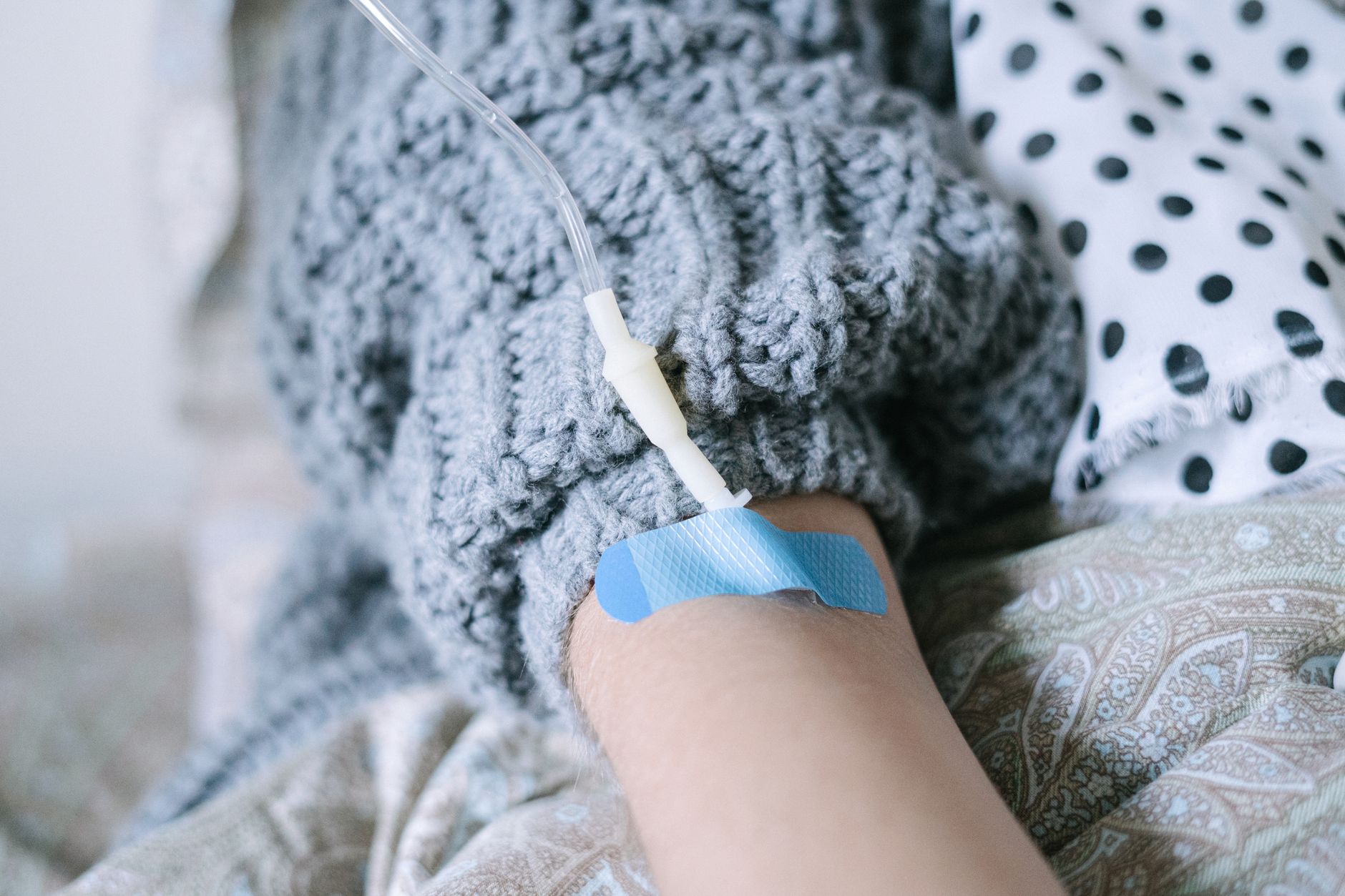
Chemotherapy remains a vital treatment modality, and Türkiye's hospitals have designed modern infusion suites that prioritise comfort and safety. These bright, spacious areas are equipped with reclining chairs, entertainment options, and privacy for patients receiving treatment. Strict protocols govern the preparation and administration of chemotherapy drugs, ensuring safety for both patients and staff.
Oncology pharmacists collaborate with your medical oncologist to tailor dosages and manage potential side effects. Many centres offer oral chemotherapy and targeted therapies, as well as immunotherapy, reflecting the latest advances in cancer care. Your treatment plan is reviewed by a multidisciplinary team to ensure it aligns with international guidelines and your individual needs.
For international patients, the chemotherapy team provides detailed information about each drug, its purpose, and possible side effects. They also offer support for managing symptoms at home and are available for questions between sessions. If you need to continue treatment after returning home, the hospital can help coordinate with your local oncologist.
Multidisciplinary Tumour Boards: Collaborative Expertise
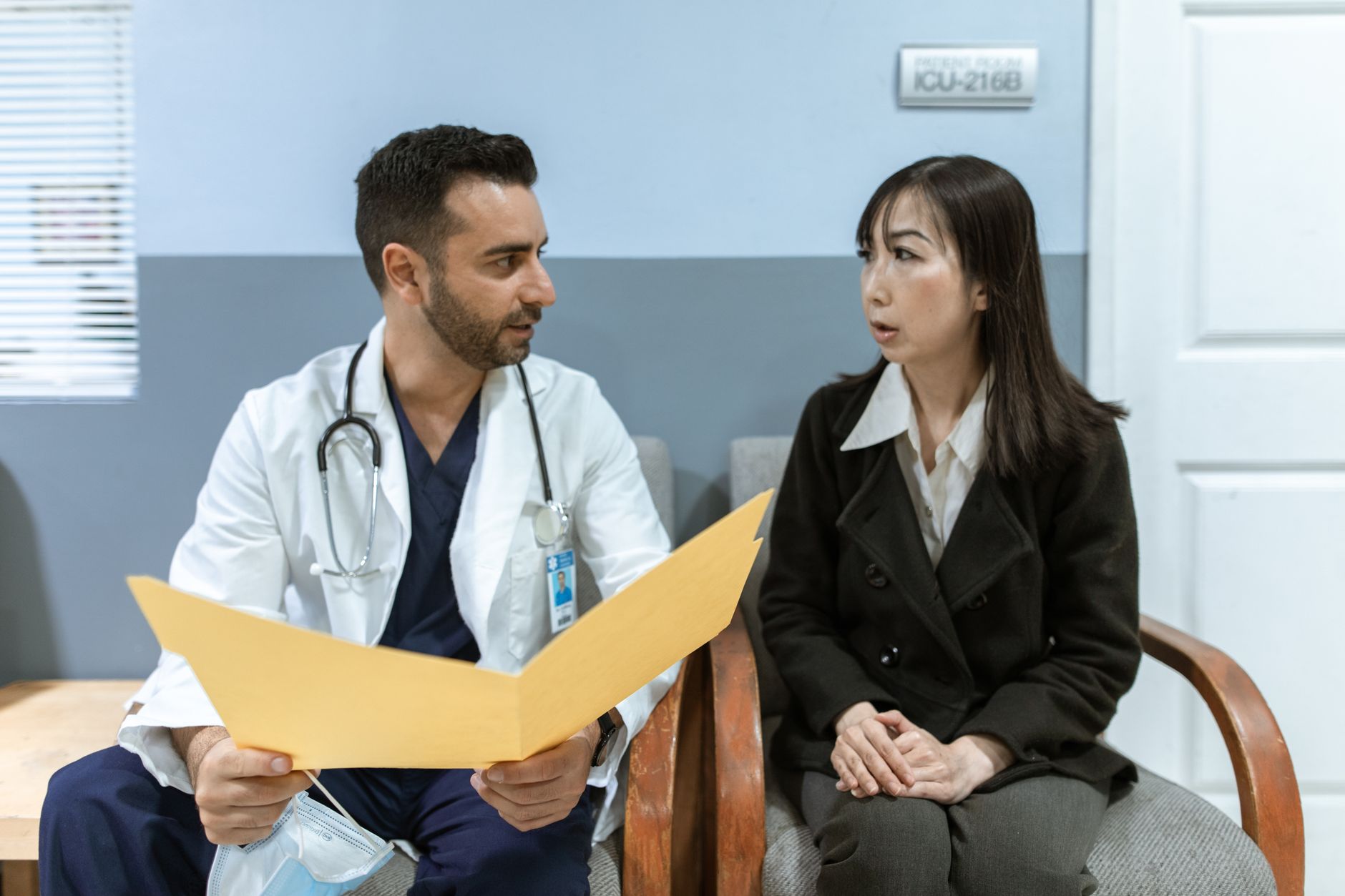
One of the hallmarks of top-tier cancer care is the multidisciplinary tumour board (MDT). In Türkiye's leading hospitals, your case is reviewed by a team of specialists—medical oncologists, radiation oncologists, surgeons, radiologists, pathologists, and supportive care professionals—who together develop a comprehensive treatment plan. This collaborative approach ensures that all aspects of your cancer are considered, and that you receive a personalised strategy that draws on collective expertise.
The tumour board meets regularly to discuss complex cases, and your plan is continuously updated based on your response to treatment and any new findings. This dynamic process means that your care is never static; it evolves with you. For international patients, the MDT's recommendations are communicated clearly, and you are encouraged to ask questions and participate in decisions about your care.
Many hospitals also offer second opinions through their tumour boards, providing peace of mind and confidence in your treatment plan. The integration of diverse specialties under one roof is a significant advantage, as it streamlines communication and reduces delays in care.

Structured Treatment Plans and Clear Communication
From your first consultation, the oncology team works to create a structured treatment plan that outlines every step—from diagnostic tests to the proposed therapy, expected duration, and follow-up schedule. You receive a written summary in your preferred language, so you can review and discuss it with family or your home oncologist. This transparency is central to the patient experience in Türkiye.
Communication is a priority. Hospitals employ interpreters and international patient coordinators who speak English, Arabic, Russian, French, and other languages. Your medical team uses clear, jargon-free language to explain your diagnosis, treatment options, and potential side effects. They welcome questions and ensure you feel informed and empowered.
For those who wish to involve their home oncologist, the hospital facilitates the sharing of medical records, imaging, and treatment plans. This collaboration ensures continuity of care and helps your home team prepare for your return. Many hospitals use secure digital platforms to share information quickly and securely.
Support extends beyond medical care. International patient departments assist with visa invitations, airport transfers, accommodation, and even sightseeing recommendations for when you feel up to it. The aim is to make your stay as comfortable and normal as possible during a challenging time.
Supportive Care: Treating the Whole Person
Cancer care is not just about treating the disease; it's about supporting the person. Türkiye's oncology centres offer comprehensive supportive care services, including pain management, nutrition counselling, psychological support, and rehabilitation. Palliative care teams work alongside your oncologist to manage symptoms and improve quality of life at every stage.
Psycho-oncology services are available to help you and your family cope with the emotional impact of cancer. Social workers can assist with practical matters, and support groups connect you with others who understand what you're going through. Many hospitals also provide integrative therapies such as massage, acupuncture, and yoga to complement conventional treatment.
For international patients, these services are adapted to cultural and linguistic needs. Whether you need a dietitian who understands your dietary preferences or a counsellor who speaks your language, the support team is there for you.
Practical Tips for International Patients
Planning for cancer treatment abroad requires careful preparation. Start by researching hospitals with accredited oncology departments and international patient services. Gather your medical records, including pathology reports, imaging, and treatment history, and share them with the hospital before you travel. Most centres offer remote consultations to discuss your case and provide a preliminary treatment plan.
- Documentation: Ensure you have a valid passport and check visa requirements. The hospital can provide an invitation letter for medical visa purposes.
- Travel insurance: Check if your policy covers treatment abroad or consider specialized medical travel insurance.
- Accommodation: Many hospitals have affiliated guest houses or partner hotels with discounted rates for patients and families.
- Communication: Confirm the availability of interpreters and ask for key documents in your language.
- Follow-up: Discuss a follow-up plan with your home oncologist before you travel, and ensure the Turkish hospital will share treatment records promptly.
Türkiye's oncology centres combine advanced technology, multidisciplinary expertise, and heartfelt hospitality. With structured treatment plans, clear communication, and supportive care, international patients can focus on what matters most: healing. Whether you're seeking radiotherapy, chemotherapy, or a second opinion, you'll find a team ready to guide you every step of the way.
Thinking about treatment in Turkey?
Send us a question about this site or about the information published on it. This is a publisher's mailbox, not a medical service and not a route to a particular provider — for clinical questions, contact your own doctor.