

Why Türkiye Has Become a Leading Destination for Joint Replacement
Türkiye has quietly become one of the world's most active hubs for elective orthopaedic surgery. Istanbul alone is home to hospitals that perform thousands of primary and revision knee and hip replacements each year, drawing patients from the UK, Germany, the Gulf, the Balkans, Central Asia and increasingly North America. The appeal is straightforward: consultant-level surgeons who operate at volumes rarely matched in smaller Western centres, JCI-accredited hospital infrastructure, and pricing that typically sits 60–80% below comparable private treatment in the United States or Western Europe.
Volume matters in arthroplasty. A surgeon who performs several hundred hip and knee replacements annually develops refined technique, predictable soft-tissue handling and a well-drilled team around them. Hospitals that run dedicated joint-replacement units track their own outcome data, standardise implant selection and maintain protocols for infection control and thromboprophylaxis. This is the quiet advantage of Türkiye's major orthopaedic centres: they are not experimenting with joint replacement, they are industrialising it while keeping individual surgical judgement intact.
For international patients, the practical consequences are a shorter waiting list, transparent package pricing and a clinical culture that is used to treating foreign nationals. English-speaking coordinators, visa support letters, airport transfers and rehabilitation programmes are standard parts of the offer at centres that have built international departments. Türkiye's Ministry of Health regulates private hospital licensing and actively promotes health tourism through its international health services framework, which gives patients a formal reference point for due diligence.
The Surgeons Behind the Numbers: Expertise and Sub-Specialisation
Orthopaedic surgery in Türkiye is typically delivered by consultants who trained in Turkish medical faculties and completed fellowships or observer posts in the UK, Germany, the United States or South Korea. Many of the leading arthroplasty surgeons are members of international societies such as AAOS, EFORT or ISAKOS, and present their case series at European and global congresses. For patients, this means the surgeon you meet is likely to be fluent in current international evidence on implant survivorship, bearing surfaces and perioperative care.
Sub-specialisation is well developed. Instead of a general orthopaedic surgeon who handles trauma one day and knees the next, high-volume centres divide work between hip specialists, knee specialists and revision surgeons who take on complex cases such as infected implants, periprosthetic fractures and previous failed replacements. Robotic-assisted arthroplasty teams are separate again, with dedicated training on the specific platform they use. This structure is reassuring for someone weighing a first-time total knee replacement against a more complicated revision.
Communication is part of the expertise. Good centres provide a pre-operative consultation by video call, ask you to send recent X-rays and MRI scans in DICOM format, and explain implant options before you travel. They will also tell you frankly when surgery is not appropriate — for example, when a patient's body mass index, uncontrolled diabetes or smoking history needs optimisation first. That willingness to say no is a strong quality signal.
Robotic-Assisted and Modern Implant Technology
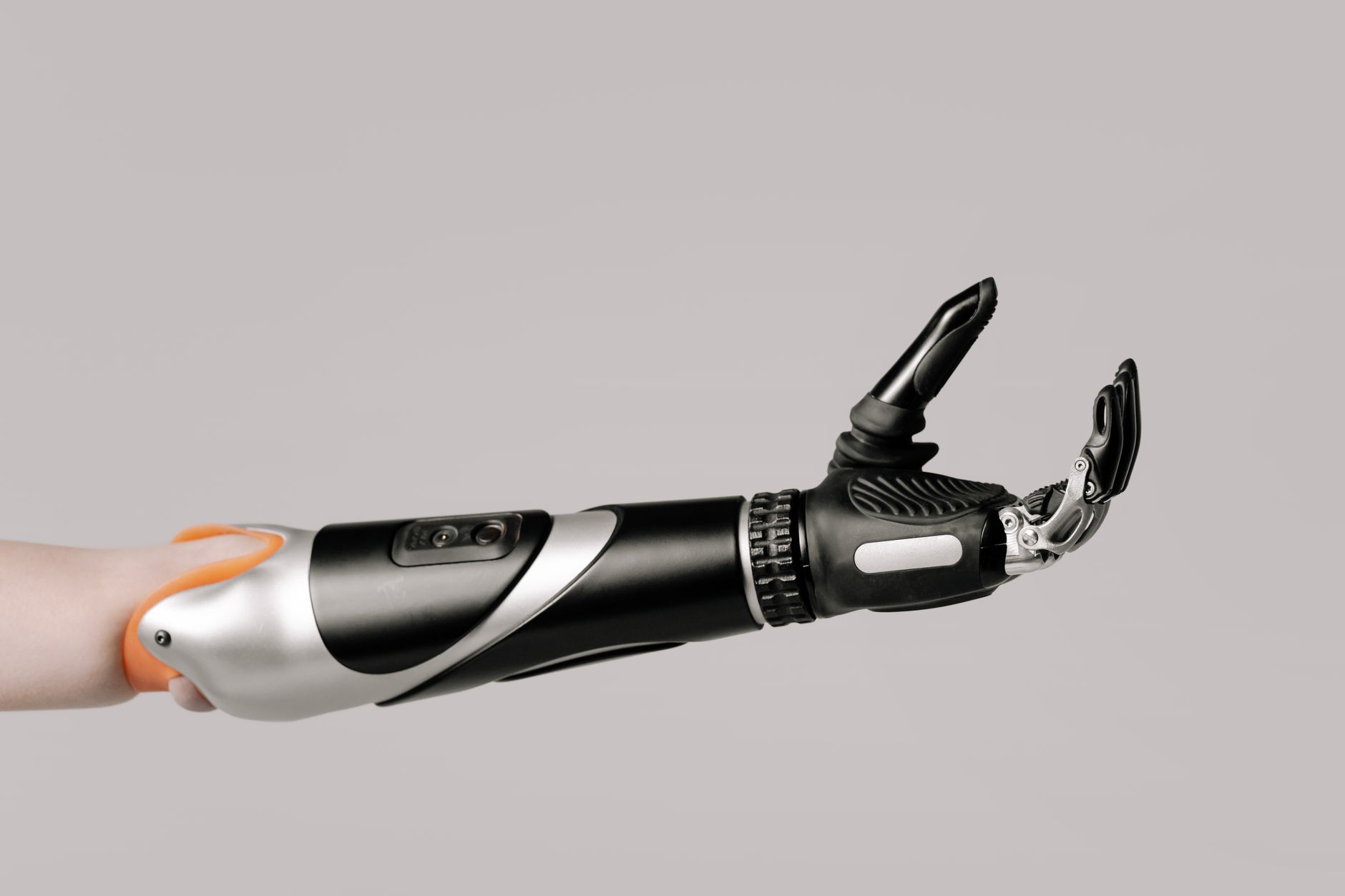
Robotic-assisted joint replacement has moved from novelty to routine at several Istanbul centres. The two most common platforms are the Mako system, used for both total knee and total hip arthroplasty, and the CORI system; some hospitals also use navigation systems such as Brainlab or OrthoPilot. These tools do not perform surgery autonomously. They provide a 3D model of your anatomy built from a pre-operative CT scan, help the surgeon plan component position and alignment, and constrain the cutting instruments within that plan.
The clinical rationale is consistency. In total knee replacement, small errors in implant alignment and soft-tissue balance correlate with dissatisfaction and earlier revision. Robotic assistance helps reproduce a planned alignment and balance more reliably, which in selected patients may translate into less bone trauma, less soft-tissue release and potentially smoother early recovery. For total hip replacement, robotic planning helps reproduce leg length and offset, a key concern for patients worried about limping or a leg-length discrepancy afterwards.
It is important to keep expectations realistic. Randomised evidence does not yet show that robotic knees survive longer than well-performed conventional knees, and the surgeon's skill and the rehabilitation pathway still dominate the outcome. What the technology adds is precision, data and confidence — and a hospital willing to invest in it is usually investing in the wider surgical ecosystem too. Implant choice similarly reflects international standards: major manufacturers such as Zimmer Biomet, Stryker, Smith & Nephew, DePuy Synthes and Link supply Turkish centres, and you should ask which implant, bearing surface and fixation method will be used in your case and how its long-term registry data look.
Realistic Recovery Timelines for Knee and Hip Replacement
Most international patients fly into Istanbul a day or two before surgery, undergo pre-operative assessment and blood work, and have the operation within 48 hours. Hip replacement patients are typically mobilised with a walker or crutches on the first day after surgery and discharged from hospital on day two or three. Knee replacement patients often stay two to four nights, with early physiotherapy starting within 24 hours. A typical package includes six to seven nights of accommodation in total, including a night or two in a hotel or rehabilitation suite after discharge.
Recovery follows a reasonably predictable arc. In the first two weeks, swelling, stiffness and fatigue dominate; walking is possible with aids, but you will need help around the house. By weeks three to six, most hip patients walk without crutches and most knee patients have 90–110 degrees of flexion and are reducing painkillers. Between weeks six and twelve, strength and endurance improve markedly, and many people return to office-based work. Driving usually resumes around six to eight weeks, depending on side and medication. Full functional recovery — stairs, longer walks, swimming — typically consolidates between three and six months, while residual stiffness can improve for up to a year or more.
Your flight home is a clinical decision, not a commercial one. Most surgeons clear patients for a long-haul flight around ten to fourteen days after surgery, provided swelling is controlled, wounds are dry and there is no sign of deep vein thrombosis. Airlines generally require a fit-to-fly letter, and centres provide compression stockings and advice on aisle seats and movement during the flight. Hip patients should follow the specific precautions given by their surgeon regarding bending past 90 degrees, depending on the surgical approach used.

Rehabilitation Pathways and Physiotherapy Support
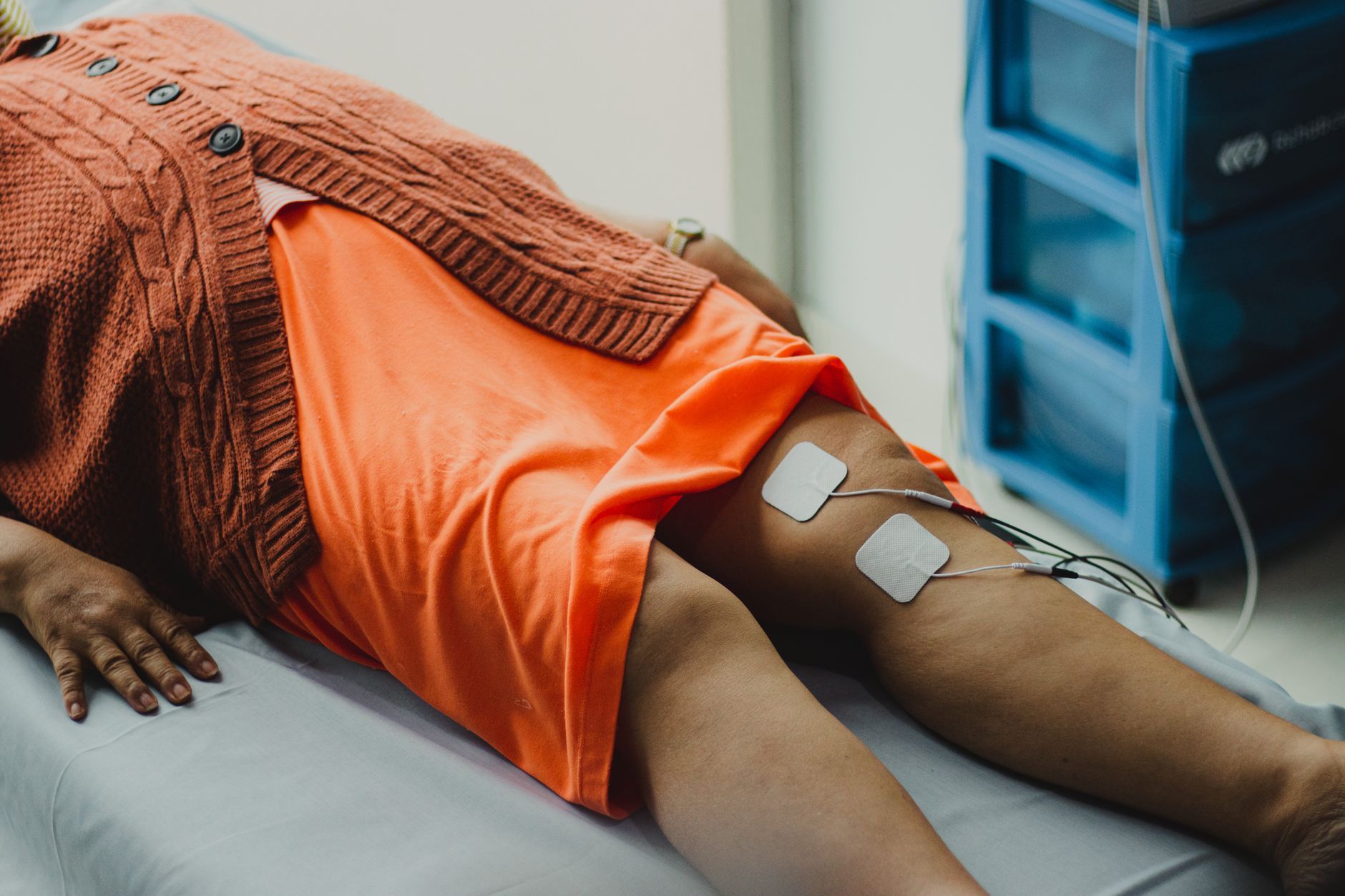
Modern Turkish orthopaedic centres treat rehabilitation as part of the operation, not an afterthought. In-hospital physiotherapy begins on day one, with bedside exercises, gait training and education about precautions. Before discharge, patients receive a written home exercise programme, often with video links in English, and a clear schedule for outpatient physiotherapy. Many hospitals offer on-site rehabilitation units with hydrotherapy pools, continuous passive motion machines and physiotherapists experienced with international patients.
For patients who prefer to stay longer, structured residential rehabilitation programmes of two to four weeks are available, combining daily physiotherapy, occupational therapy and medical supervision. This can be particularly useful for bilateral procedures, revision surgery or patients travelling alone. Outpatient packages are also common, and some centres coordinate with partner clinics in the patient's home country so that physiotherapy continues seamlessly on return.
Follow-up is increasingly digital. Standard practice includes a wound check at around ten to fourteen days, an X-ray review at six weeks and further reviews at three, six and twelve months, some of which can be conducted by video call with local imaging sent electronically. Patients should confirm in writing what is included — initial consultation, surgery, implants, hospital stay, physiotherapy sessions, transfers, medication on discharge and follow-up consultations — and what is not, such as extended rehabilitation, certain implants or treatment of complications.
Value, Safety and Choosing the Right Centre
Cost transparency is one of Türkiye's strengths. A conventional total knee or hip replacement at a reputable Istanbul private hospital commonly ranges from roughly €6,000 to €12,000 in a package, while robotic-assisted procedures typically carry a premium of €1,500–€3,500. Revision surgery costs more because of complexity, implant requirements and longer stays. These figures are indicative and vary by hospital, surgeon, implant and season; they should always be confirmed in a detailed written quotation.
Safety is the non-negotiable variable. Look for JCI accreditation or ISO certification, ask for the hospital's surgical site infection and revision rates if available, and check that the surgeon is registered with the Turkish Medical Association and holds a relevant specialisation certificate. Confirm that the package includes thromboprophylaxis, pre-operative tests, blood products if needed, and a clear policy on complications — including who bears the cost of a return to theatre or extended hospitalisation.
Finally, think about the whole journey. The strongest centres combine high surgical volume, modern technology and a rehabilitation plan that does not end at the airport. If the team can explain your implant, your alignment targets, your expected milestones week by week and what happens if something goes wrong, you are in good hands. Türkiye's leading orthopaedic hospitals are built on exactly that kind of experienced, systemised care — and for many international patients, it is the difference between simply replacing a joint and genuinely getting back to life.
Thinking about treatment in Turkey?
Send us a question about this site or about the information published on it. This is a publisher's mailbox, not a medical service and not a route to a particular provider — for clinical questions, contact your own doctor.