

Why Türkiye for Burn Scars and Complex Reconstruction?
Türkiye has quietly become one of the world's most respected destinations for plastic and reconstructive surgery, particularly for patients living with burn scars and complex defects. Turkish plastic surgeons train extensively in microsurgery, flap reconstruction, and scar rehabilitation, often completing fellowships in Europe and North America before returning to practice in JCI-accredited hospitals. These institutions meet rigorous international standards for safety, sterility, and patient care, so you can focus on healing rather than logistics.
What truly sets Türkiye apart, however, is the depth of experience in reconstructive—not just cosmetic—surgery. Burn scar contractures, facial reconstruction after trauma, breast reconstruction, and limb salvage require a surgeon who understands both function and form. Turkish clinics see a high volume of these cases, which means your surgical team has likely managed presentations similar to yours many times before. That volume translates into refined techniques, predictable outcomes, and a calm confidence that putting your care in their hands is a safe choice.
And beyond the operating room, there is a culture of hospitality that patients consistently describe as healing in itself. From the moment you arrive, you are met with warmth, patience, and a genuine desire to help you feel whole again. This guide walks you through how a personalised, multi-stage reconstruction plan is built around your healing pace—and what realistic milestones to expect across visits.
The Philosophy of Staged Reconstruction: Healing at Your Pace
Complex reconstruction is rarely a single operation. Burn scars and major defects often involve skin, muscle, bone, and sometimes nerve or blood vessels, and the body needs time to recover between stages. Turkish reconstructive surgeons are masters of the staged approach: they plan a sequence of procedures that prioritise safety, function, and appearance in a logical order, allowing each stage to settle before the next begins. This is not a sign of caution for its own sake—it is the standard of care for achieving durable, natural-looking results.
Your surgeon will design your plan around your unique anatomy, your general health, and—crucially—your own healing response. Some patients heal quickly; others need more time. Rather than forcing a fixed timeline, your team will monitor your progress at each visit and adjust the schedule accordingly. This flexibility is one of the hallmarks of Turkish reconstructive care: the plan serves you, not the other way around. You will never be rushed into a procedure before your body is ready.
Staging also allows for tissue expansion, where a balloon-like device is gradually filled to grow extra skin for reconstruction. This process takes weeks but yields skin that matches your own in colour and texture—far superior to skin grafts in many areas. Turkish surgeons are highly skilled in tissue expansion and will guide you through each step with clear explanations and gentle encouragement.
Your First Visit: Assessment, Planning, and Building Trust
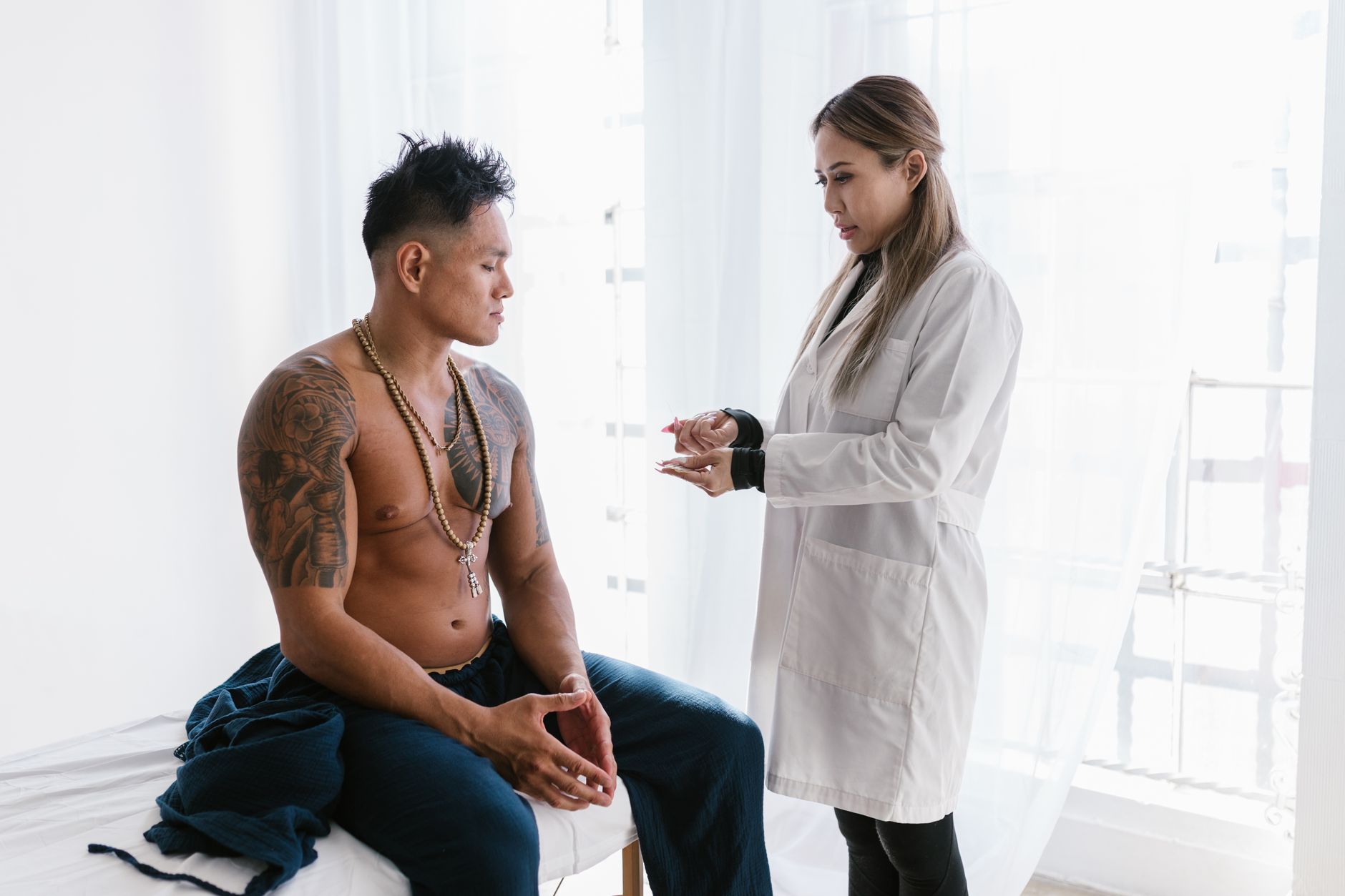
Your journey typically begins with a comprehensive assessment. You will meet your plastic surgeon and often a multidisciplinary team that may include a burn care specialist, a physiotherapist, a psychologist, and a nurse coordinator. They will review your medical history, examine your scars and any functional limitations, and discuss your goals—whether that's improved mobility, reduced pain, or a more natural appearance. Imaging such as ultrasound or MRI may be used to assess tissue quality and blood supply.
During this visit, your surgeon will outline a proposed multi-stage plan, explaining what each stage aims to achieve, the expected recovery time, and the risks and benefits. You will have ample opportunity to ask questions, and interpreters are available if you don't speak Turkish. Many clinics provide written plans and photo documentation so you can reflect on the discussion with family back home.
This first visit is also about building trust. You will see the hospital facilities, meet the nursing staff, and get a feel for the environment. Patients often comment on how unhurried these consultations feel—there is no pressure to commit on the spot. The goal is to ensure you feel informed and comfortable before any surgery is scheduled.
The Surgical Stages: What to Expect and How They Fit Together
While every plan is unique, complex reconstruction often follows a pattern. The first stage might involve releasing a burn contracture—tight scar tissue that restricts movement—using techniques like Z-plasty or skin grafts. This restores function and sets the foundation for later cosmetic refinements. If tissue expansion is needed, it may begin at this stage, with gradual filling over several weeks.
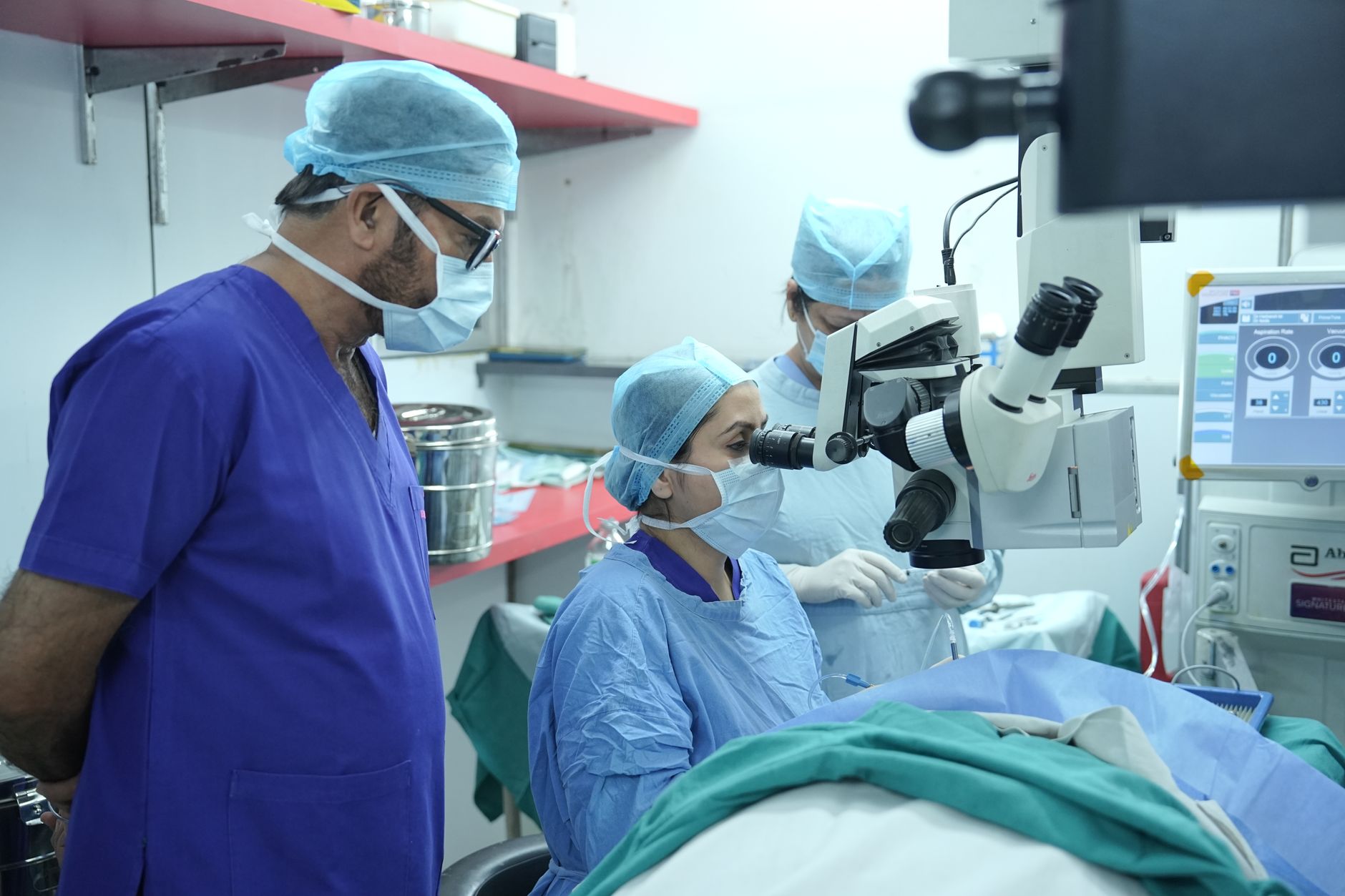
Subsequent stages might include flap surgery, where healthy tissue with its own blood supply is moved to the defect. Turkish surgeons are experts in microsurgery, connecting tiny blood vessels under a microscope to ensure the flap survives and thrives. This is particularly valuable for facial reconstruction, breast reconstruction, and limb salvage. Each flap procedure requires careful post-operative monitoring, and you will stay in hospital for a few days to a week depending on the complexity.
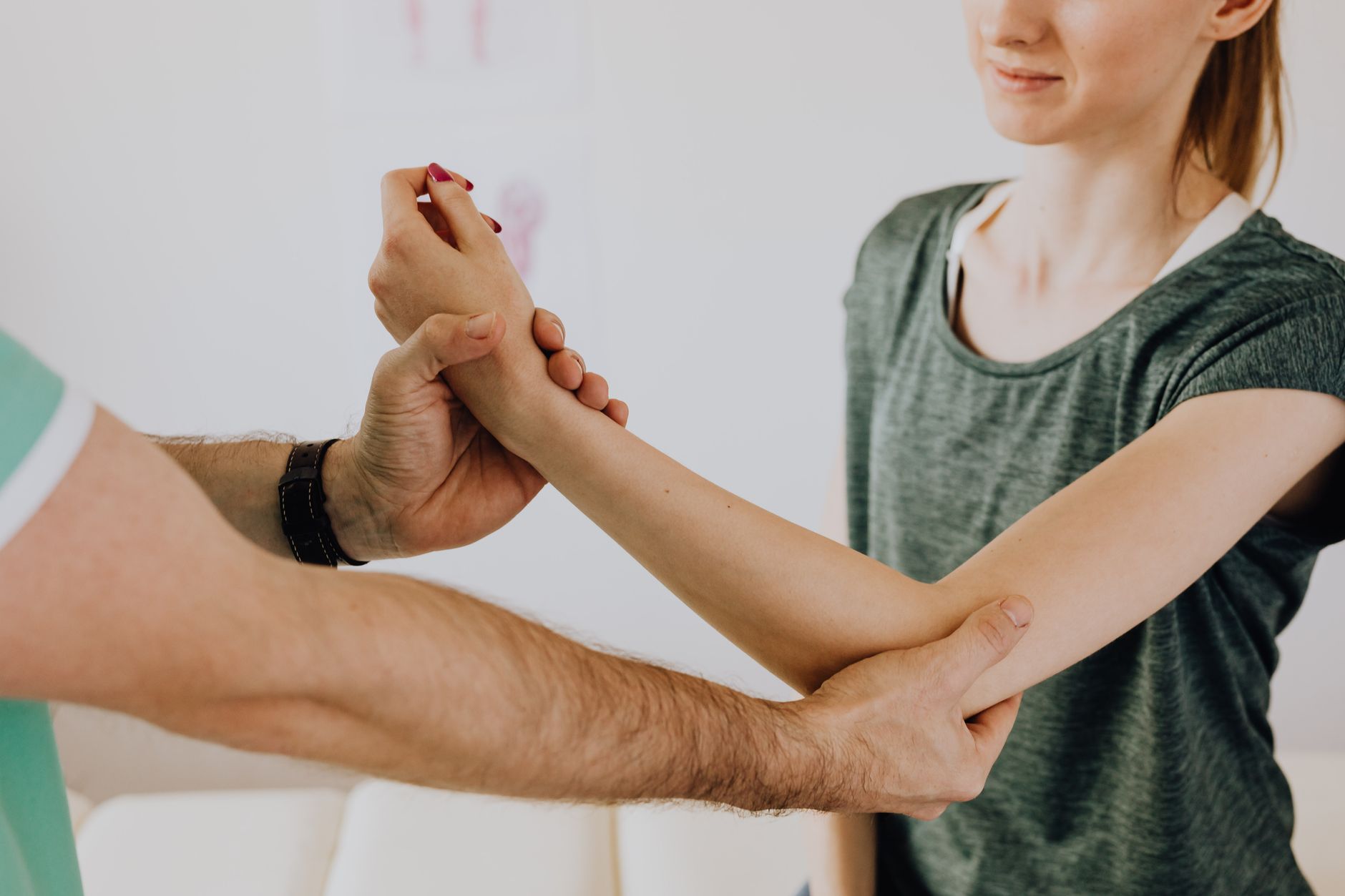
Later stages focus on refinement: scar revision, contouring, and sometimes nipple reconstruction or tattooing. These are often performed as day-case procedures or with short hospital stays. Throughout, your surgeon will coordinate with physiotherapists to maintain mobility and with psychologists to support your emotional well-being. The timeline is flexible—stages may be spaced weeks or months apart—so you can return home between visits and resume normal life.
“The most rewarding part of my work is seeing a patient regain not just movement, but confidence. Staged reconstruction is a partnership—we walk the journey together.” — Turkish plastic surgeon, Istanbul
Realistic Milestones Across Visits: A Timeline You Can Plan Around
Understanding the typical rhythm of staged reconstruction helps you plan your trips and expectations. Most patients require two to four visits over 6 to 18 months, though this varies widely. The first visit is usually for assessment and planning, and sometimes the first stage of surgery if you are ready. You might stay in Türkiye for 1–2 weeks for this initial phase.
If tissue expansion is part of your plan, you may need to stay longer or return for fill appointments. Some clinics arrange for you to have fills done locally in your home country if a suitable provider is available, but many patients prefer to remain in Türkiye for the expansion phase to ensure continuity. The second visit often involves the main reconstructive procedure—flap surgery or graft placement—with a hospital stay of 5–10 days and a recovery period of 2–3 weeks before flying home.
Subsequent visits for refinement are usually shorter, often 5–7 days. Your surgeon will provide a detailed schedule with expected dates, but remember that healing is individual. Some patients heal faster and can proceed sooner; others may need extra time. Your team will monitor your progress and adjust the timeline as needed. Realistic milestones include: restored joint movement within 3–6 months, scar maturation over 12–18 months, and final cosmetic results becoming apparent after about a year. Patience is key, and your care team will be with you at every step.
Safety, Accreditation, and Compassionate Care
Türkiye's leading reconstructive clinics are accredited by the Joint Commission International (JCI), which sets global benchmarks for patient safety and quality. This means you can expect rigorous infection control, modern operating theatres, and protocols for managing complications. Many hospitals also have dedicated burn units and intensive care facilities, so you are in safe hands even if your surgery is complex.
Beyond accreditation, the nursing and support staff are known for their attentiveness and kindness. Turkish culture places a high value on hospitality, and you will feel it in the small gestures—a warm smile, a cup of tea, a nurse who takes time to explain your medications. Psychological support is integrated into care, recognising that burn scars carry emotional weight. You may be offered counselling or support groups to help you adjust to changes in your appearance.
Language need not be a barrier. Most clinics have English-speaking coordinators and can arrange interpreters for other languages. They will help with accommodation, airport transfers, and even leisure activities during your recovery. The goal is to make your stay as stress-free as possible, so you can focus on healing.
Practical Tips for Your Journey
Planning your trip well in advance helps everything run smoothly. Consider the season—spring and autumn offer mild weather in Istanbul, which is comfortable for recovery. Book accommodation near your hospital, ideally with kitchen facilities if you have dietary needs. Your clinic can recommend partner hotels that offer medical-tourism rates and shuttle services.
Travel insurance that covers medical treatment and complications is essential. Check that your policy includes pre-existing conditions and repatriation if needed. Also, arrange for a companion to travel with you if possible; having a familiar face during recovery can be a great comfort.
- Documents: Bring your medical records, imaging, and a list of medications. A passport valid for at least six months beyond your stay is required for most visitors.
- Finances: Most clinics accept bank transfers and major credit cards. Ask for a detailed cost breakdown upfront, including hospital fees, surgeon fees, and follow-up visits.
- Communication: Save your coordinator's contact details and confirm appointment times. Share your surgical plan with your local doctor for continuity of care.
Finally, be gentle with yourself. Reconstruction is a marathon, not a sprint. Celebrate small victories—a little more movement, a smoother scar—and trust that you are in skilled, caring hands. Türkiye's reconstructive community is ready to welcome you with expertise and warmth, guiding you toward a future where you feel more at home in your body.
Thinking about treatment in Turkey?
Send us a question about this site or about the information published on it. This is a publisher's mailbox, not a medical service and not a route to a particular provider — for clinical questions, contact your own doctor.