

Why Türkiye Is a Global Hub for Plastic and Reconstructive Surgery
Türkiye has emerged as one of the world's most respected destinations for plastic and reconstructive surgery, drawing patients from Europe, the Middle East, North Africa, and beyond. The country's reputation rests on a combination of highly trained, board-certified surgeons, modern private hospitals equipped with the latest technology, and a patient-centred approach that prioritises safety and natural outcomes.
Istanbul, in particular, has become a centre of excellence, with clinics and hospitals that rival—and often surpass—those in Western Europe and North America. Yet what truly sets Türkiye apart is the personalised attention each patient receives. Surgeons here often spend more time in consultation, meticulously planning every procedure to harmonise with the patient's unique anatomy and aesthetic goals.
Whether you are considering facial rejuvenation, breast surgery, or complex reconstructive work after trauma or illness, Türkiye's plastic surgery units offer a compelling blend of expertise, affordability, and hospitality. This guide walks you through every step of the journey, from your first enquiry to a confident, well-supported recovery.
Internationally Respected Surgical Expertise
Turkish plastic surgeons are trained to the highest international standards. Many complete residencies and fellowships in Europe or the United States, and a significant number are members of prestigious organisations such as ISAPS (International Society of Aesthetic Plastic Surgery) and EBOPRAS (European Board of Plastic, Reconstructive and Aesthetic Surgery). Board certification is the norm, not the exception, and patients can verify credentials through Türkiye's Ministry of Health and specialist associations.
The depth of expertise spans the full spectrum of plastic surgery. Facial procedures—including rhinoplasty, facelifts, eyelid surgery, and facial contouring—are performed with an emphasis on preserving natural expressions and achieving balance rather than an obviously "operated" look. Breast surgery, from augmentation and reduction to lift and reconstruction, benefits from advanced techniques that prioritise long-term comfort and aesthetic harmony.
Reconstructive surgery is another area of strength. Turkish units routinely handle complex cases such as post-oncological breast reconstruction, burn scar revision, cleft lip and palate repair, and microsurgical tissue transfer. These procedures demand not only technical skill but also a deep understanding of how to restore form and function while respecting the patient's emotional journey.
The Consultation Process: Listening First, Planning Second
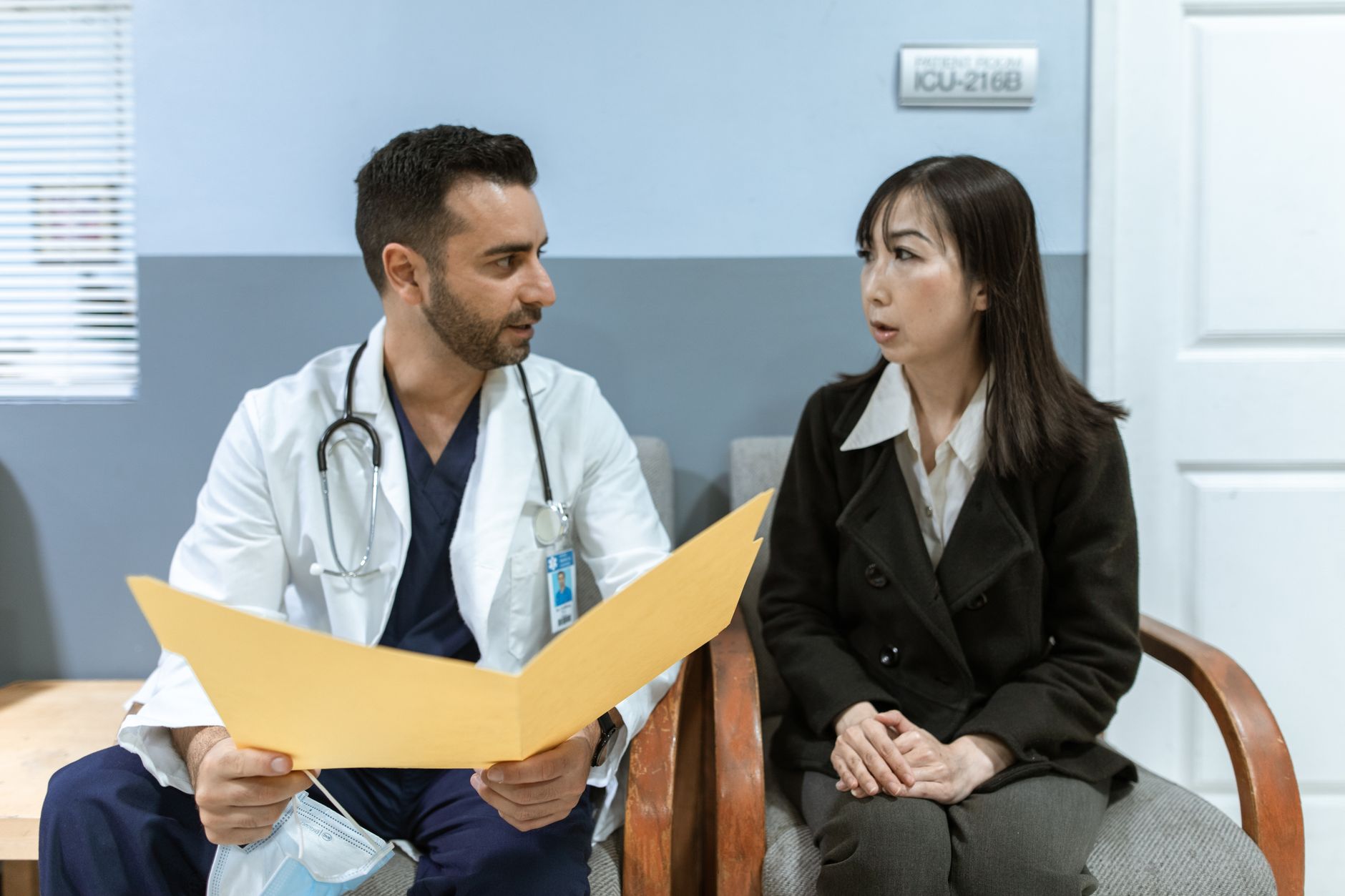
Your journey begins with a thorough consultation, which may take place online or in person. Turkish surgeons typically allocate generous time for this initial meeting, often 45 minutes to an hour, to understand your concerns, medical history, and expectations. You will be encouraged to ask questions and to express any anxieties openly.
During the consultation, the surgeon will assess your anatomy, discuss possible techniques, and explain the likely outcomes and limitations. They will also review your general health to ensure you are a suitable candidate for surgery. If you have existing medical conditions or take medications, these will be carefully evaluated, and you may be asked to obtain clearance from your primary care physician.
Photography is an integral part of this stage. Standardised pre-operative photographs are taken from multiple angles to document your starting point and to serve as a reference for surgical planning. These images are kept strictly confidential and are used solely for your care. Many surgeons also use 3D imaging or simulation software to help you visualise potential results, which can be a valuable communication tool.
By the end of the consultation, you will have a clear understanding of the proposed procedure, the expected recovery timeline, and the costs involved. There are no hidden fees; reputable clinics provide a detailed quote that includes surgeon's fees, hospital charges, anaesthesia, and follow-up visits.

Pre-Operative Preparation: Safety and Precision
Once you decide to proceed, you will receive a personalised pre-operative plan. This typically includes a series of medical tests—blood work, ECG, and sometimes chest X-ray—to confirm you are fit for anaesthesia and surgery. If you smoke, you will be advised to stop at least four weeks before the operation, as smoking significantly impairs healing and increases complication risks.
You will also be given instructions about fasting, medication adjustments, and skincare. In some cases, your surgeon may recommend stopping certain blood-thinning medications or supplements. A pre-operative nurse will guide you through these steps, ensuring you feel prepared and confident.
The day before surgery, you will meet your anaesthesiologist, who will review your health history and explain the anaesthetic approach. Most procedures are performed under general anaesthesia, though some facial and breast surgeries may use local anaesthesia with sedation. The anaesthesia team remains with you throughout the operation, monitoring your vital signs continuously.
On the day of surgery, you will be admitted to a fully equipped private hospital. Turkish hospitals that cater to international patients often have dedicated international departments, with staff who speak English, Arabic, Russian, or other languages. This helps reduce anxiety and ensures clear communication at every stage.
Staged Follow-Up and Recovery Support
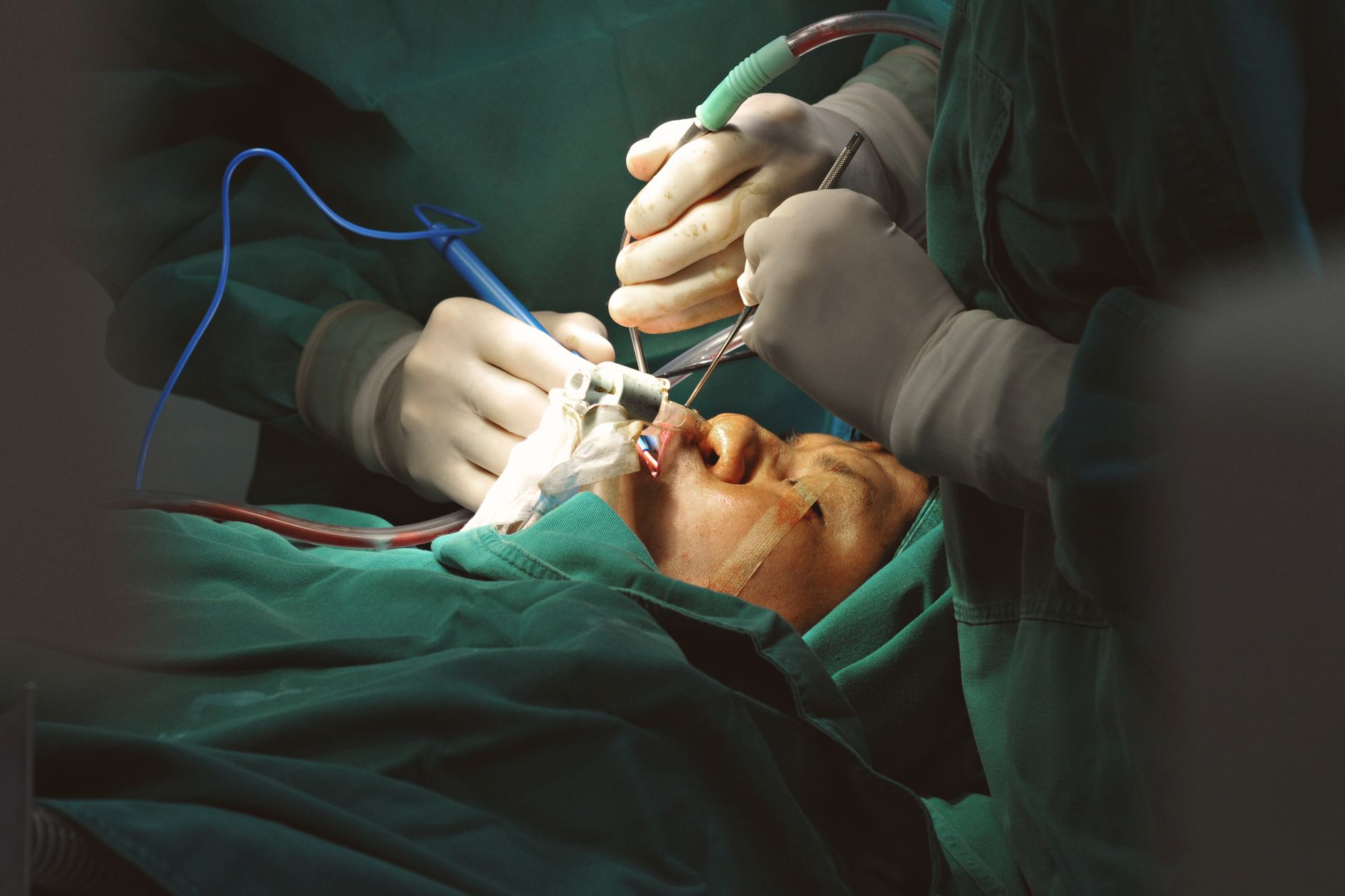
Post-operative care in Türkiye is structured and proactive. Immediately after surgery, you will recover in a monitored setting until you are stable. Pain is managed with appropriate medication, and you will be encouraged to mobilise gently as soon as it is safe. Most patients spend one night in the hospital for minor procedures and two to three nights for more extensive surgery.
Before discharge, you will receive detailed aftercare instructions, including wound care, wearing compression garments or surgical dressings, and activity restrictions. You will also be scheduled for follow-up appointments. The first check-up usually occurs within 2–3 days, when dressings are changed and the surgeon assesses early healing. Further visits are arranged at one week, one month, and three months, with additional appointments as needed.
For patients who return home before the full follow-up period, Turkish clinics often coordinate with local physicians or offer telemedicine consultations. You will be given direct contact details for your surgeon's team, so you can ask questions or report concerns at any time. This continuity of care is a hallmark of the Turkish approach and provides invaluable reassurance during the recovery phase.
Recovery timelines vary by procedure. Facial surgery may involve swelling and bruising for two to three weeks, with final results emerging over several months. Breast surgery patients typically return to light activities within a week and to full exercise after six weeks. Reconstructive surgery recovery is highly individual and will be discussed in detail with your surgeon.
Natural Results and Patient Safety Standards
One of the most frequent compliments Turkish surgeons receive is that their results look natural. This is no accident. The philosophy emphasises enhancement rather than transformation—refining your features while preserving your identity. Techniques are chosen to minimise visible scarring and to ensure that the outcome is harmonious with your overall appearance.
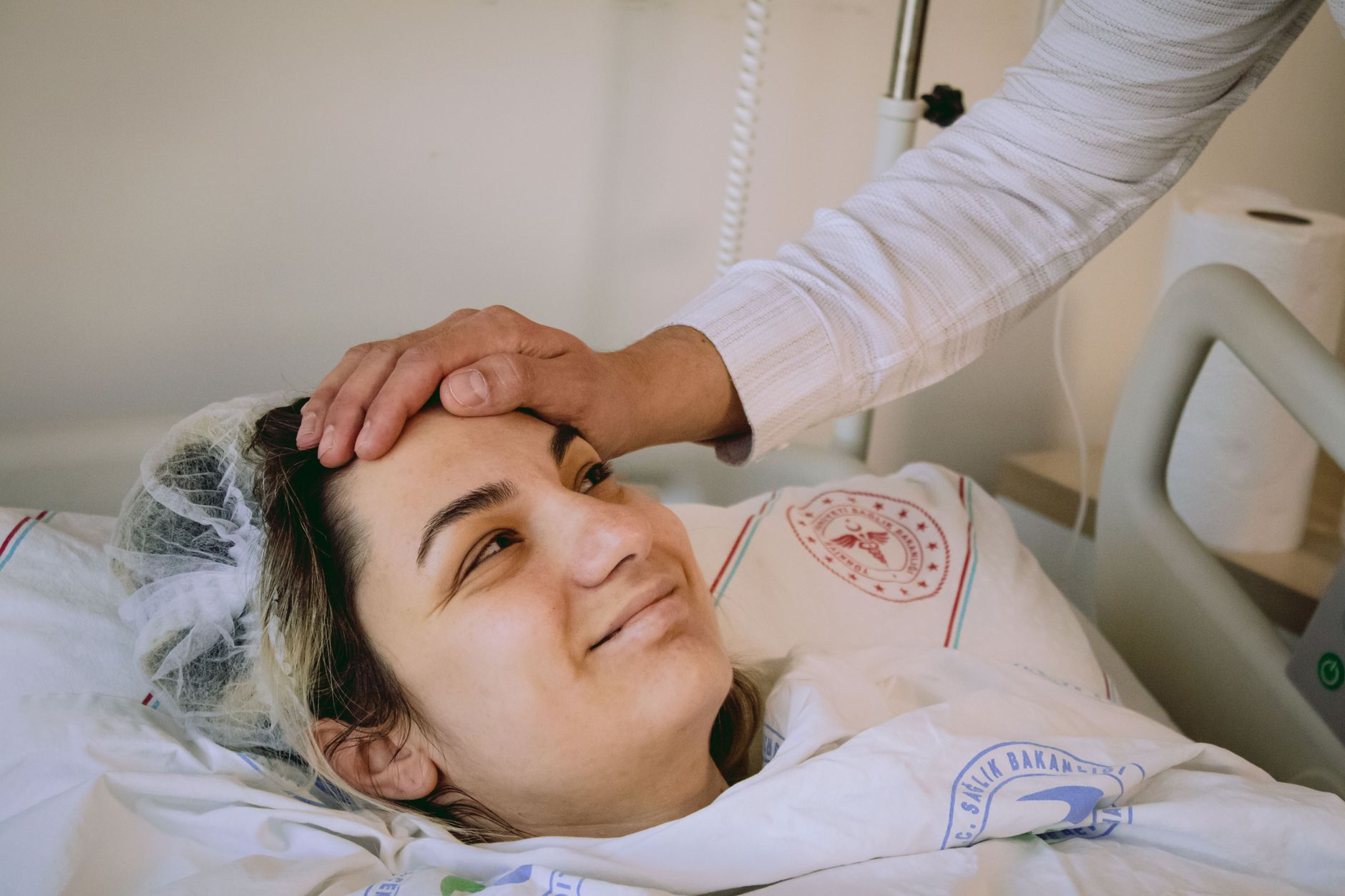
Safety is equally paramount. Turkish private hospitals that serve international patients are accredited by national and international bodies, such as JCI (Joint Commission International) or ISO. Operating theatres are equipped with advanced anaesthesia monitoring, sterile environments, and emergency protocols. Surgeons follow strict guidelines for patient selection and informed consent.
Infection control, thromboprophylaxis (prevention of blood clots), and pain management are taken seriously. You will be given clear instructions on how to reduce risks, including early mobilisation, hydration, and avoiding strenuous activities. If any complication arises, the team is prepared to respond quickly and effectively.
Ultimately, the combination of surgical skill, ethical practice, and genuine warmth creates an environment where patients feel safe and cared for. It is this holistic approach that has earned Türkiye its place among the world's leading destinations for plastic and reconstructive surgery.
Practical Tips for International Patients
Planning your trip involves more than just scheduling surgery. You will need to consider travel dates, accommodation, and visa requirements. Many clinics offer packages that include airport transfers, hotel stays, and translation services. It is advisable to arrive a few days before your procedure for final consultations and tests, and to stay for at least 7–10 days after surgery for initial follow-up.
Choose your surgeon carefully. Look for board certification, membership in professional societies, and a portfolio of before-and-after photos that reflect your aesthetic goals. Read patient reviews and, if possible, speak with former patients. A reputable surgeon will never pressure you and will be transparent about risks and expected outcomes.
Budgeting should include not only the surgical fee but also flights, accommodation, meals, and any additional treatments. While Türkiye offers significant savings compared to Western countries, quality should never be compromised for price. Invest in a surgeon and facility that prioritise your safety and satisfaction.
Finally, prepare emotionally. Surgery is a journey, and recovery takes time. Surround yourself with supportive people, follow your surgeon's advice diligently, and be patient with your body. With the right preparation and a skilled team, you can look forward to renewed confidence and a positive transformation.
Thinking about treatment in Turkey?
Send us a question about this site or about the information published on it. This is a publisher's mailbox, not a medical service and not a route to a particular provider — for clinical questions, contact your own doctor.