

Why Türkiye's Aftercare Reputation Deserves a Closer Look
Türkiye has become one of the world's most trusted destinations for aesthetic, reconstructive and bariatric surgery, and the reason is not only surgical skill or competitive pricing. What consistently impresses international patients is the meticulous follow-through — the way Turkish clinics treat recovery as part of the procedure rather than an afterthought. Before you leave the hospital, you are typically handed a structured aftercare programme: a physical kit of dressings and scar products, a day-by-day dressing schedule, and a written plan for silicone-based scar management that continues long after you board your flight home.
This guide explains what that programme looks like in practice, what supplies you should expect to receive, how dressing changes are scheduled, when silicone therapy begins, and how check-ins work once you are back in your home country. It is written for medical travellers who want to know exactly what happens after the operating theatre — the part of the journey where good habits and clear instructions make the biggest difference to your final result.
Nothing here replaces the specific instructions from your own surgeon. Every clinic and every procedure differs, and your personal plan should always take precedence. Think of this as your orientation to the typical Turkish aftercare model, so you can ask the right questions and know what a thorough programme should include.
The Structured Wound-Care Kit: What's Inside the Box
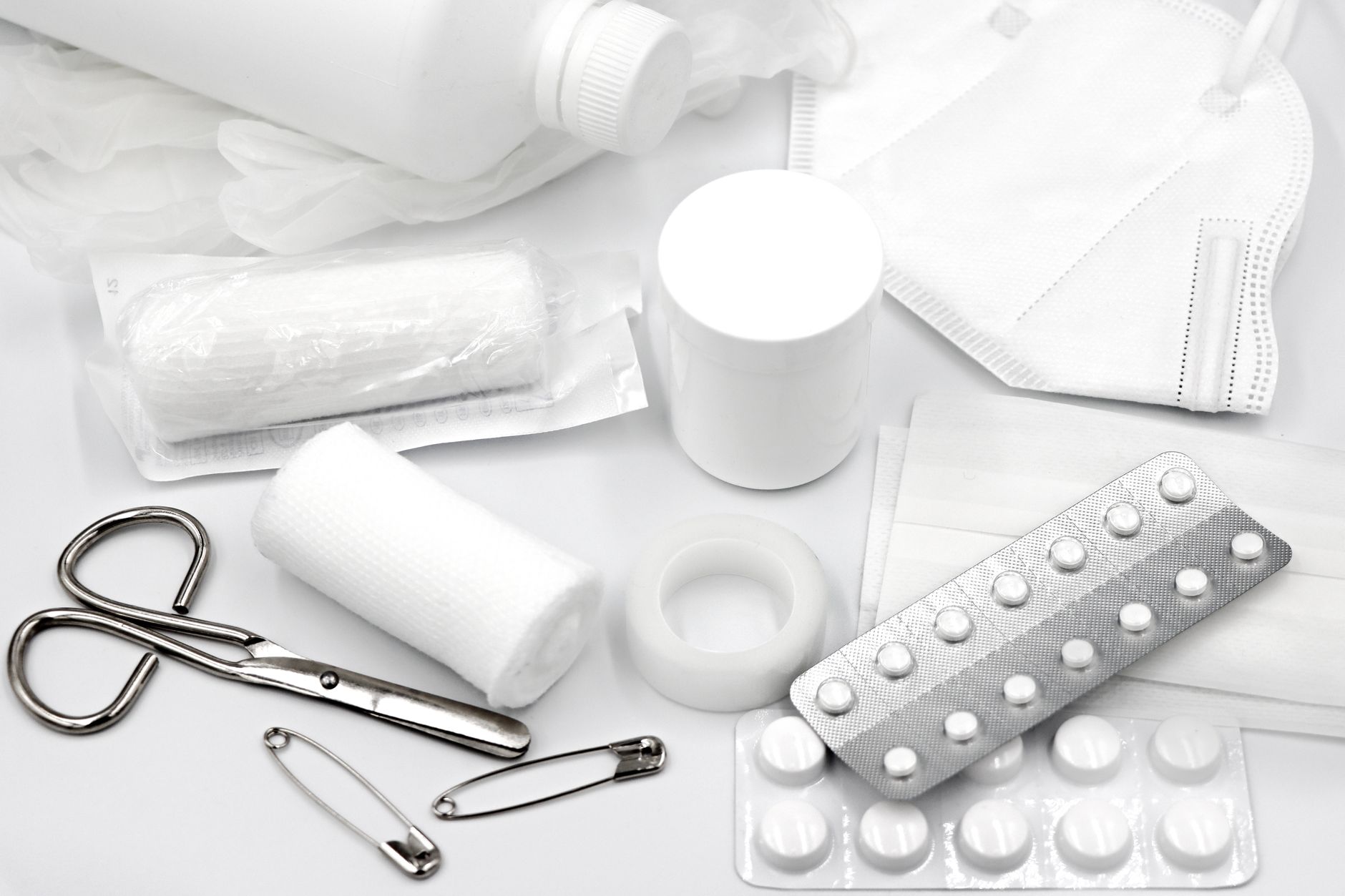
Many Turkish clinics — particularly in Istanbul, Ankara and Izmir — assemble a take-home wound-care kit tailored to your procedure. Rather than sending patients to a pharmacy with a vague list, teams often provide a pre-packed box so nothing is missing on the day you fly. The contents vary, but a well-organised kit commonly includes sterile adhesive dressings, non-adherent pads, medical tape, gauze compresses, antiseptic solution, saline ampoules for gentle cleansing, cotton swabs, disposable gloves, and a small mirror for checking hard-to-see areas.
For surgical incisions, you may also receive specialised items such as self-adhesive silicone strips, steri-strips or skin closure tapes, waterproof film dressings, and sometimes a compression garment or supportive binder depending on the operation. Bariatric and body-contouring patients often get abdominal binders, while facial surgery patients may receive cold packs, a gentle cleanser and sun-protection samples. Clinics frequently include a printed schedule and a QR code linking to video demonstrations in English, Arabic, Russian or German.
What sets the Turkish approach apart is the thoughtful completeness of the kit. Teams tend to anticipate the practicalities of travel — small scissors that comply with cabin-baggage rules, travel-sized antiseptic, and enough supplies to last until your first remote check-in. Ask your coordinator for a written inventory so you can confirm what you have and what you may need to top up locally. If you are flying soon after surgery, request that liquids be packed in compliant sizes, and keep your dressings and essential medications in your hand luggage rather than checked baggage.
The Dressing Schedule: A Day-by-Day Roadmap
Turkish surgical teams typically provide a dressing schedule written in plain language, often with checkboxes and dates. A common pattern for closed surgical incisions is: keep the original dressing dry and intact for the first 48 to 72 hours; then change it under clean conditions every one to three days, or sooner if it becomes wet or soiled. Some clinics use waterproof dressings that allow showering after 24 to 48 hours, while others prefer sponge baths until the wound is sealed. Your schedule will specify which applies to you.
Each dressing change usually follows a simple ritual: wash your hands thoroughly or use hand sanitiser, put on disposable gloves, gently remove the old dressing, inspect the wound for redness, swelling, warmth, discharge or separation, cleanse with saline or the prescribed antiseptic using a fresh swab for each stroke, pat dry with sterile gauze, and apply a fresh dressing. The schedule often includes a line for noting the date, the wound's appearance, and any concerns — a habit that makes remote check-ins far more productive.
Around day 7 to 14, depending on the procedure, you will usually be advised to stop covering the incision during the day and allow it to breathe, while continuing to protect it from friction and sun. Dissolvable stitches need no removal; non-dissolvable sutures or staples are typically removed at a specific appointment, sometimes with your local doctor if you have already flown home. Turkish coordinators are generally very responsive about confirming these timings by message or video call, and many provide a photo-based review so your surgeon can see the wound before you change anything.
Tip: photograph your wound in consistent lighting each time you change the dressing. A dated photo series is the single most useful thing you can bring to a remote check-in — and Turkish teams often specifically request it.
Silicone-Based Scar Management: When It Starts and How to Do It
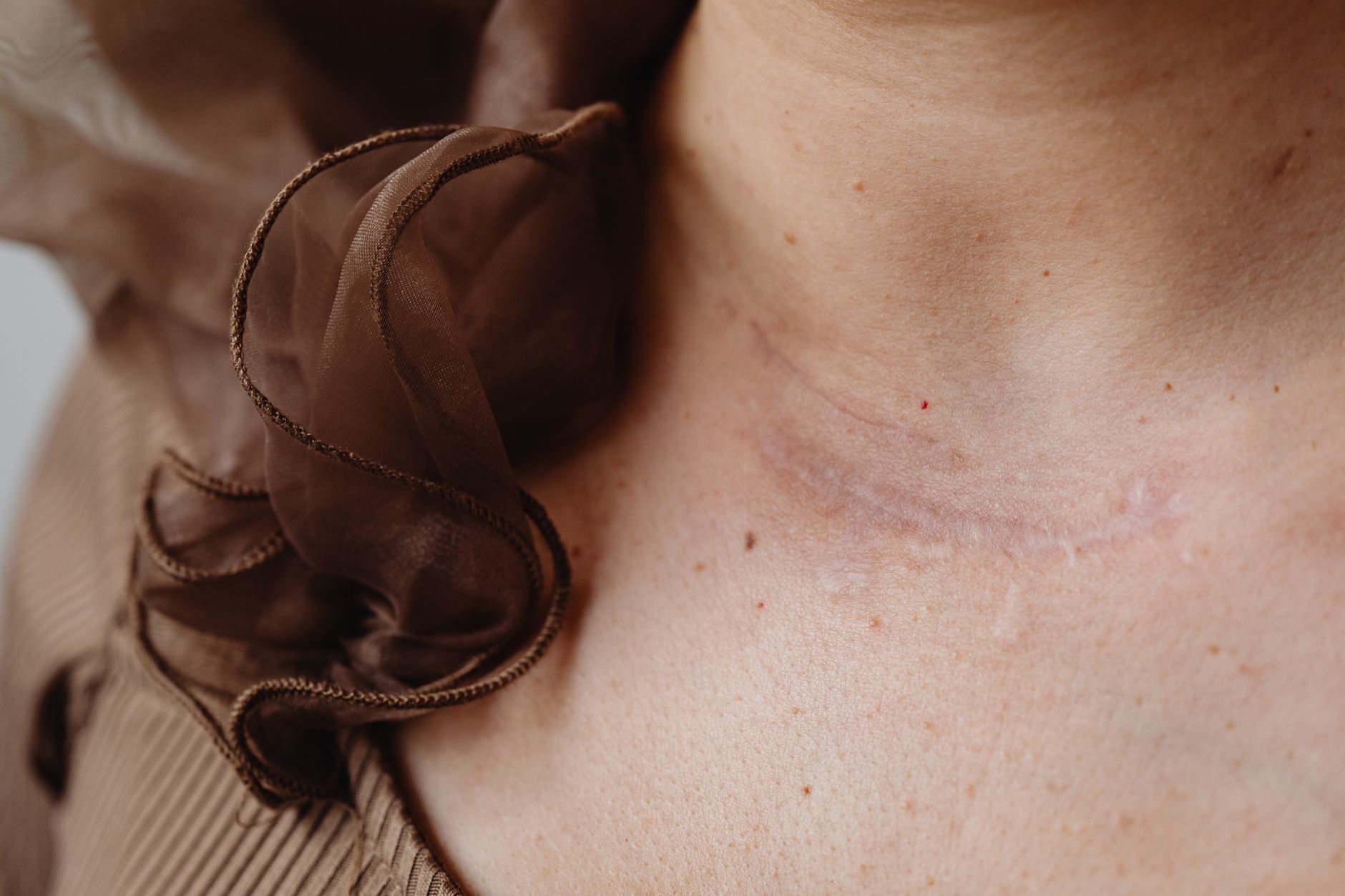
Once the incision is fully closed and any scabs have fallen away — usually two to four weeks after surgery — the scar-management phase begins. Turkish clinics are strong advocates of silicone therapy as the first-line, evidence-based approach to flattening, softening and fading scars. You will typically be given either silicone gel sheets or a silicone gel, sometimes both, along with clear instructions on how long to wear them each day. A common protocol is 12 to 24 hours per day for at least three months, with many teams recommending six months for larger or higher-tension scars.
Silicone sheets are cut to slightly larger than the scar, applied to clean, dry skin, and washed gently every few days with mild soap before being left to air-dry and re-applied. Silicone gel is massaged in a thin layer and allowed to dry. Your clinic may also include or recommend scar massage techniques, starting with gentle pressure once the wound is stable, and strict sun protection — broad-spectrum SPF 50 and physical covering — because UV exposure darkens healing scars. Some programmes add paper tape or hypoallergenic microporous tape for the first weeks to reduce tension on the healing line.
What patients appreciate most is that the plan is written down and time-bound: which product, how much, how often, when to increase pressure, and what a normal scar versus a hypertrophic scar looks like at each stage. Expect to be told that scars mature over 12 to 18 months, and that consistency matters more than intensity. If you have darker skin or a personal history of keloids, tell your surgeon early — Turkish teams often adjust the protocol with longer silicone use, pressure therapy or earlier follow-up.
Check-Ins After You Fly Home: How Remote Follow-Up Works
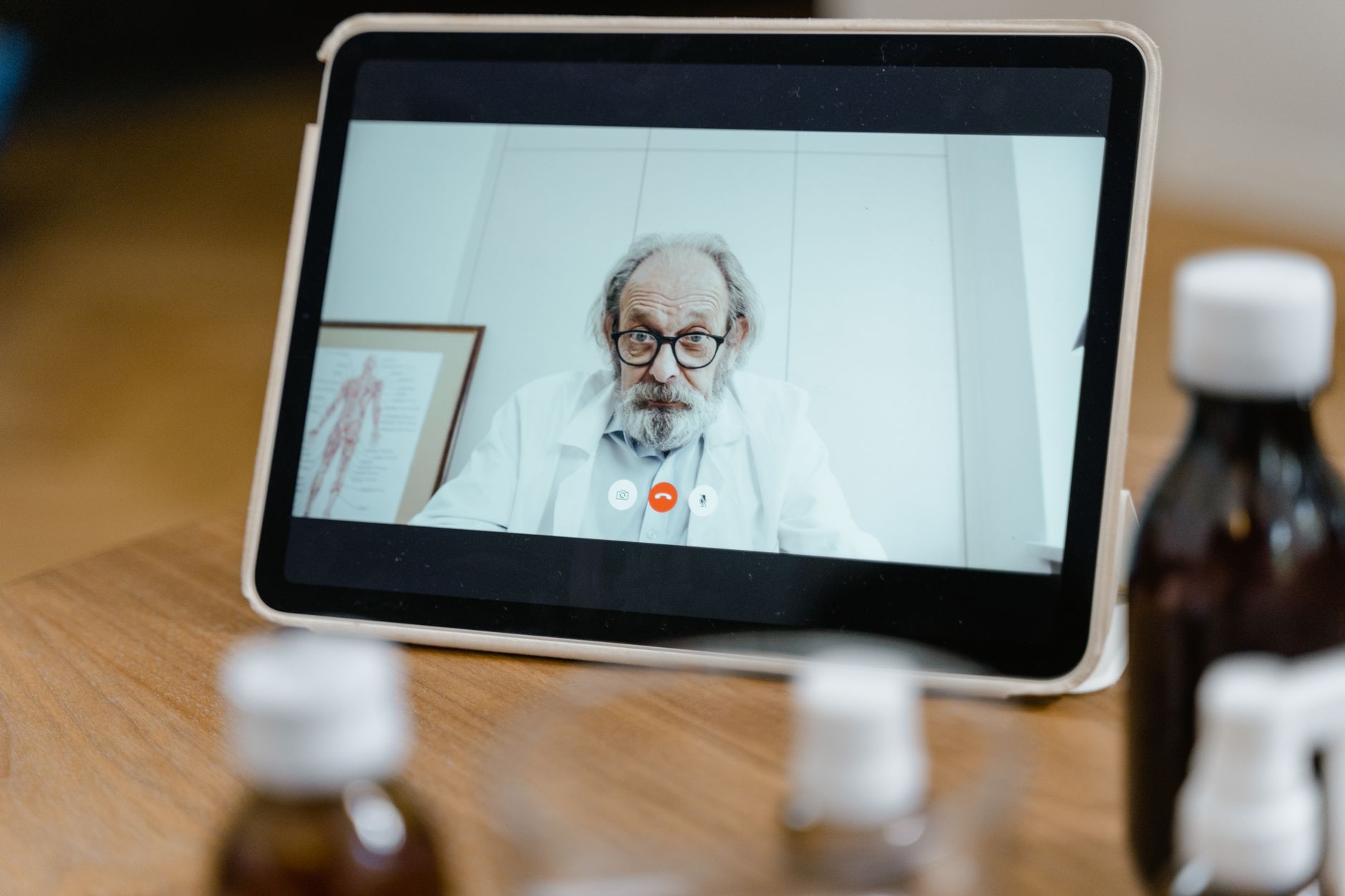
The hallmark of Türkiye's aftercare model is that it does not end at the airport. Most clinics assign an international patient coordinator who stays reachable by WhatsApp, email or a patient portal, and who schedules structured check-ins at set intervals — commonly at one week, two weeks, one month, three months and six months, with additional points for specific procedures. These check-ins may be a quick message exchange, a scheduled video consultation with a nurse or surgeon, or a photo review through a secure app.
At each check-in, expect to discuss wound healing, dressing changes, scar appearance, swelling, pain levels and any concerns about returning to exercise, work or travel. Your coordinator may ask you to send dated photos from several angles, confirm you have enough silicone supplies, and remind you about sun protection and compression garments. If something looks unusual, the team can arrange a local assessment or a faster video call. Many clinics also provide a written aftercare booklet and a direct emergency contact number for the first weeks.
Patients consistently report that this structured, proactive follow-up is what makes travelling for surgery feel safe. You are not left to guess; you have a schedule, a named contact, and a team that expects to hear from you. Before you leave Türkiye, confirm the exact check-in dates, the channel you will use, who to contact outside office hours, and whether your local doctor will need a summary letter — Turkish clinics routinely provide one in English for your GP or practice nurse.
Supplies and Check-Ins: Your Practical Checklist
To make the most of your programme, pack and plan with the same care your surgical team does. Use this checklist as a conversation starter with your coordinator — not every item applies to every patient, but a thorough clinic will be happy to confirm each point.
- Wound-care supplies: sterile dressings, non-adherent pads, medical tape, gauze, saline, prescribed antiseptic, disposable gloves, small scissors, a mirror and a thermometer.
- Scar-care supplies: silicone gel sheets or gel, mild soap for cleaning sheets, paper tape if advised, and broad-spectrum SPF 50 sunscreen.
- Garments and support: compression garment, binder or support bra as specified, plus loose clothing that does not rub incisions.
- Documentation: written dressing schedule, scar-management plan, medication list, clinic contact numbers, and a GP summary letter.
- Check-in plan: dates for week 1, week 2, month 1, month 3 and month 6; the app or messaging channel; out-of-hours contact; and how to send photos securely.
- Travel practicalities: enough supplies for your whole recovery plus a few days' buffer, liquids in cabin-compliant sizes, and essential items in hand luggage.
Ask your coordinator what to do if a dressing runs out, whether replacements can be shipped, and which local products are acceptable substitutes if not. Confirm how to recognise warning signs — spreading redness, fever, foul-smelling discharge, increasing pain or wound separation — and exactly whom to call. A good programme makes these answers easy to find in writing.
Finally, treat the plan as a partnership. Turkish surgical teams are known for their attentiveness, but the daily dressing changes and silicone routine are yours to carry out. Keep your check-ins, send your photos, ask questions early, and follow the schedule closely. Done consistently, this structured aftercare is what turns an excellent operation in Türkiye into an excellent long-term result — long after the flight home.
Thinking about treatment in Turkey?
Send us a question about this site or about the information published on it. This is a publisher's mailbox, not a medical service and not a route to a particular provider — for clinical questions, contact your own doctor.