

Why Pre-Operative Preparation Matters in Turkish Medical Tourism
For international patients considering surgery in Türkiye, the quality of care begins long before the operating room. Turkish clinics have refined a pre-operative preparation model that bundles essential tests—bloodwork, cardiac evaluations and imaging—into efficient same-day packages. This approach minimizes repeat visits, reduces waiting times and ensures that the surgical team has a complete picture of your health before any procedure.
The efficiency of these packages is not merely a convenience; it is a cornerstone of patient safety. By consolidating tests, clinics can quickly identify potential risks such as anemia, infection, cardiac abnormalities or anatomical variations that might affect surgery. This thorough preparation is one reason Türkiye has earned a reputation for strong surgical outcomes and high patient satisfaction.
In this guide, we explain what standard pre-operative tests usually include, how results are shared with your surgeon, and why this comprehensive approach gives patients confidence and contributes to successful results.
What Standard Pre-Operative Tests Typically Include
While the exact protocol varies by procedure and clinic, most Turkish pre-operative packages cover three core areas: laboratory bloodwork, cardiac assessment and imaging studies. These are usually completed within a single day at the hospital or clinic, often coordinated with your consultation appointments.
Bloodwork and Laboratory Tests
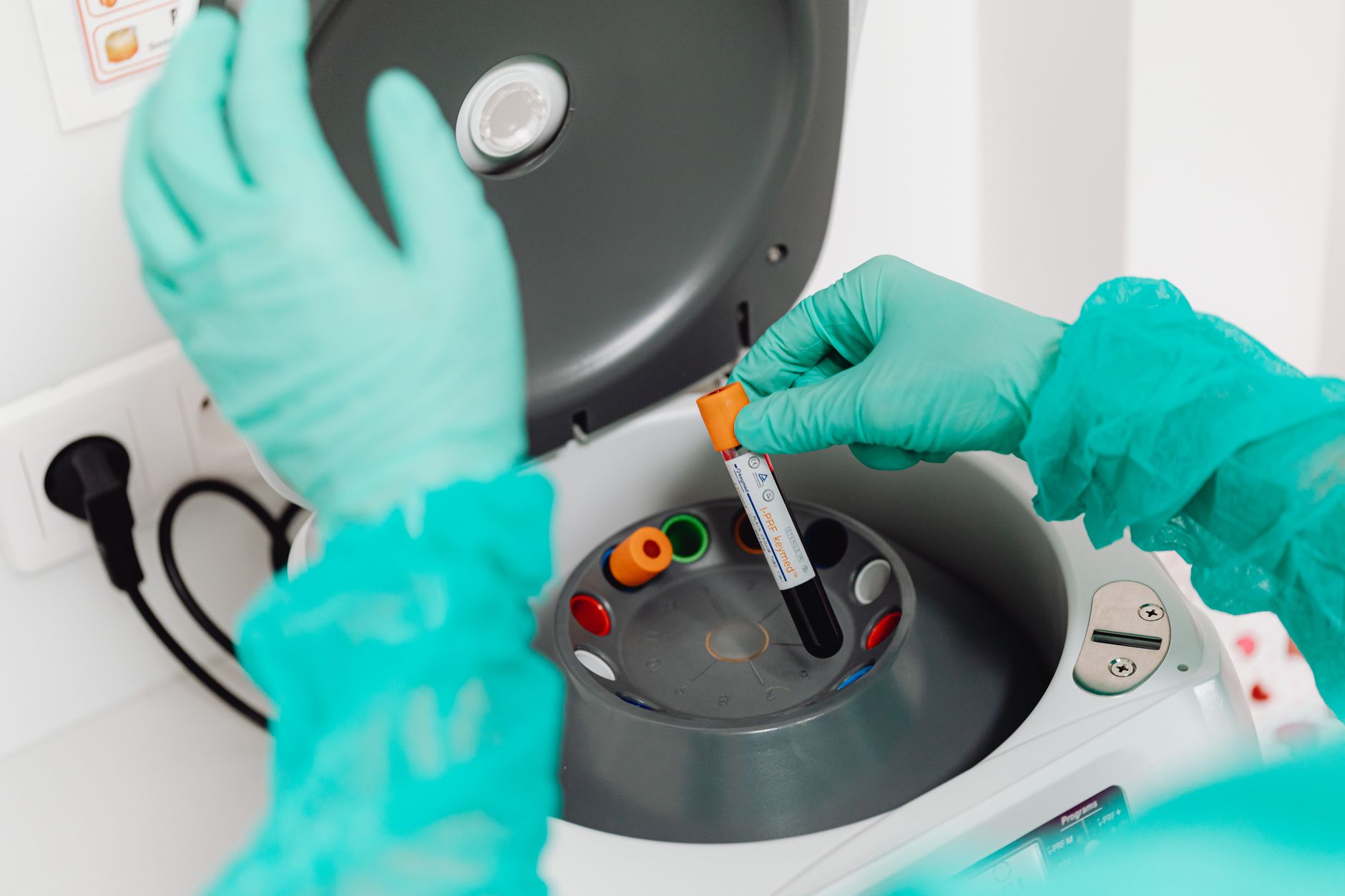
A comprehensive blood panel is fundamental. It typically includes a complete blood count (CBC) to check for anemia, infection or clotting issues; a metabolic panel to assess kidney and liver function, electrolyte balance and blood sugar; and coagulation studies (such as PT/INR) to evaluate bleeding risk. Many packages also include blood typing, screening for infectious diseases (HIV, hepatitis B and C), and sometimes markers for inflammation or nutritional deficiencies.
For patients undergoing certain procedures, additional tests may be added, such as hormone panels, tumor markers or genetic screening. The results help anesthesiologists and surgeons tailor anesthesia plans and identify any conditions that need management before surgery.
Cardiac Evaluation: ECG and Beyond
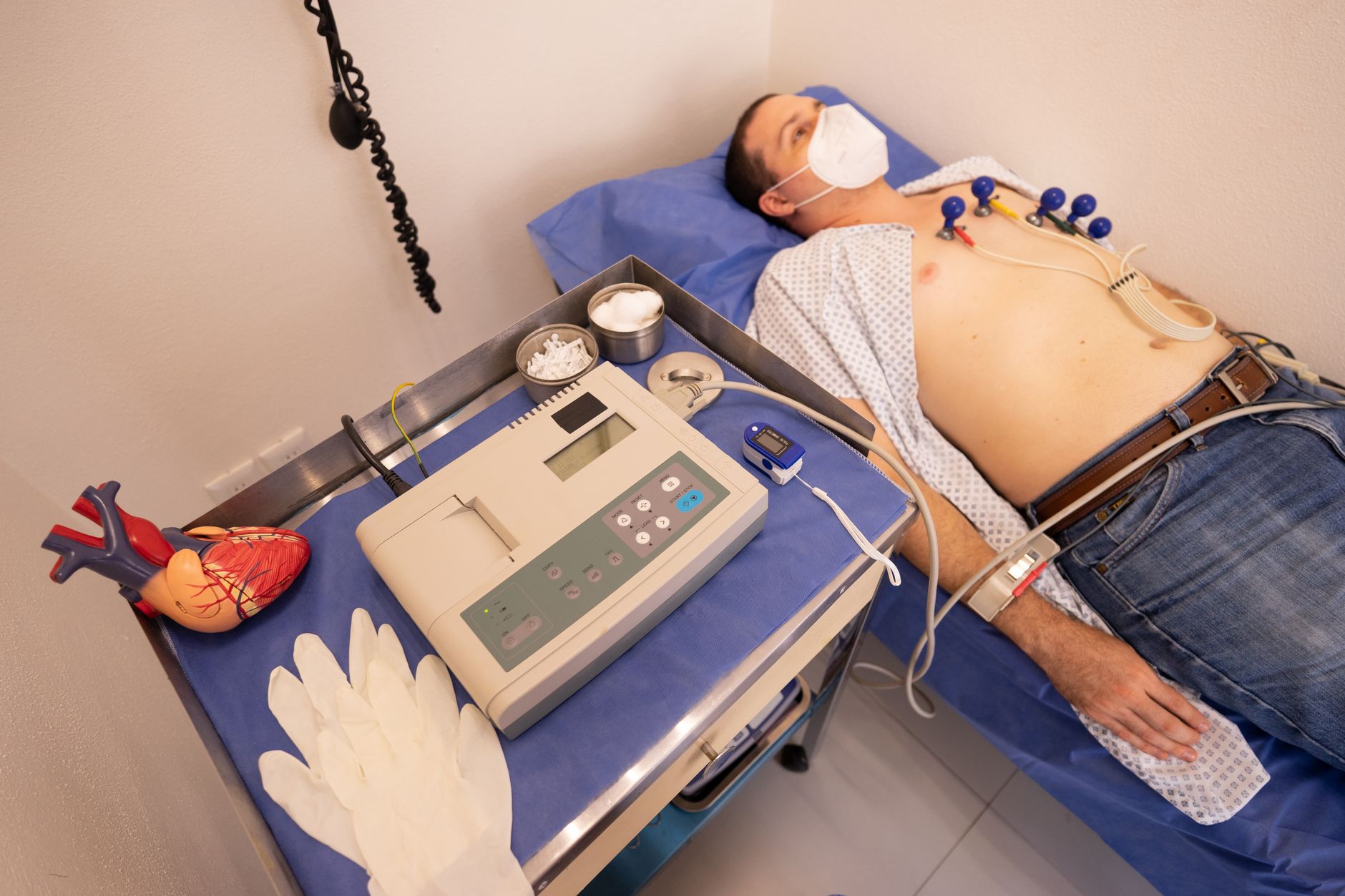
An electrocardiogram (ECG) is a standard component for most surgical patients, especially those over 40 or with a history of heart disease. It detects arrhythmias, ischemia or other cardiac abnormalities that could pose risks during anesthesia. When indicated, a cardiology consultation or echocardiography may be included. Turkish clinics often have cardiologists on-site, allowing for immediate review and clearance.
Imaging Studies
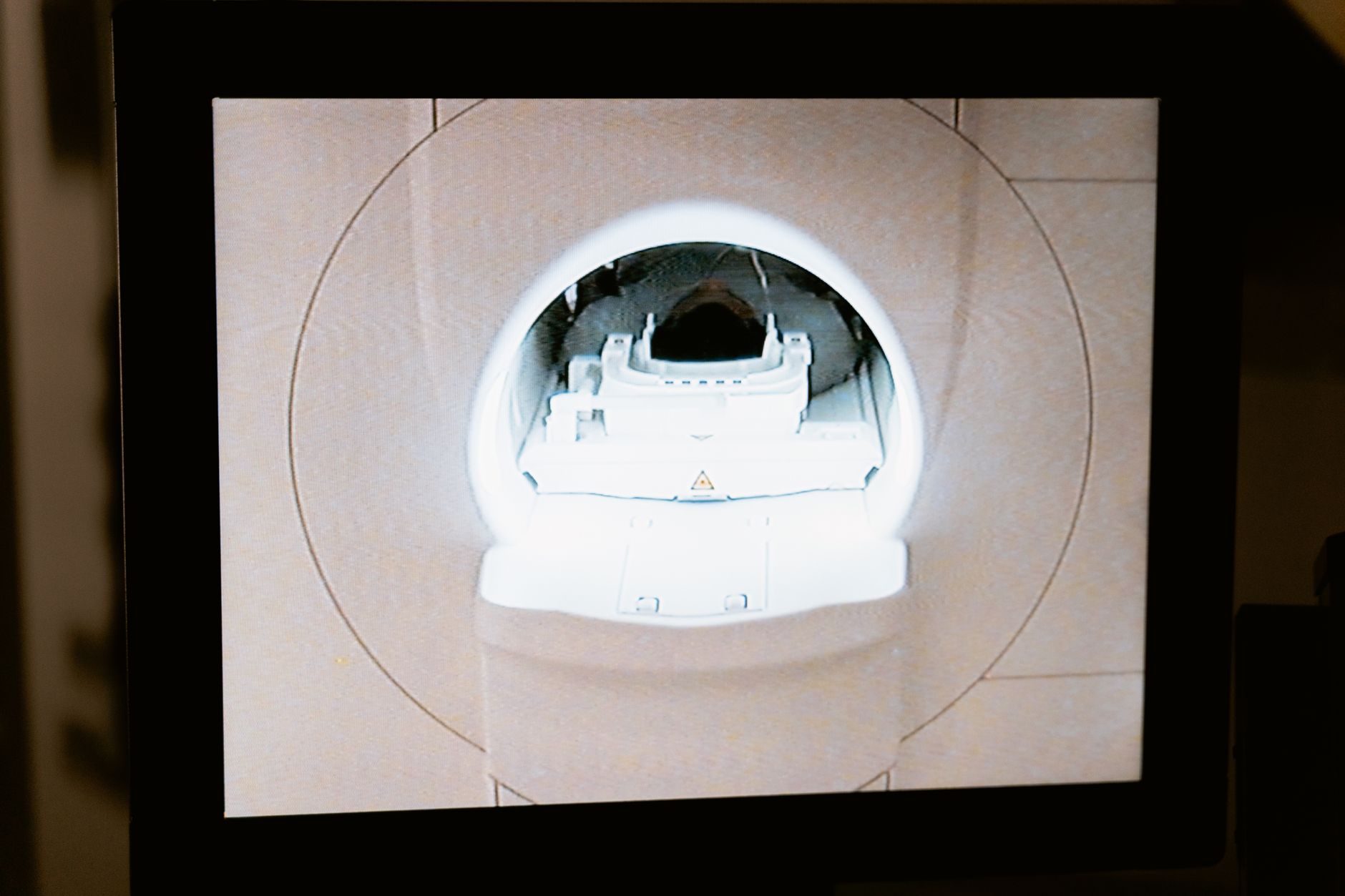
Imaging is procedure-specific. For orthopedic or spinal surgery, X-rays and sometimes MRI or CT scans are essential. For abdominal procedures, ultrasound or CT may be used. Bariatric surgery candidates often undergo abdominal ultrasound to check for gallstones and upper GI series. Chest X-rays are common for thoracic or general surgery. Many clinics use digital imaging that can be shared instantly with your surgical team.
How Same-Day Packages Work: Efficiency Without Compromise
The hallmark of Turkish pre-operative care is the same-day package: you arrive in the morning, complete your blood draw, ECG and imaging in a coordinated sequence, and often have results reviewed by your surgeon or anesthesiologist by the afternoon. This is possible because clinics invest in integrated facilities and streamlined workflows.
Typically, a patient coordinator guides you through each step, ensuring minimal waiting. Blood samples are processed in on-site laboratories, and imaging is performed by technicians who prioritize international patients. Results are uploaded to a secure electronic system, allowing your surgeon to review them promptly. If any test raises a flag, additional evaluations can be arranged immediately, avoiding the delays that often occur when tests are scattered across different providers.
This efficiency does not sacrifice thoroughness. In fact, bundling tests reduces the risk of missing crucial information and allows for a more holistic assessment. Patients appreciate completing their preparation in a day or two, leaving more time for recovery or exploring Istanbul.
How Results Are Shared with Your Surgeon
Clear communication is vital in medical tourism. Turkish clinics have systems to ensure your surgeon receives and understands your results. Most use secure electronic medical records (EMR) where all data—lab reports, ECG tracings, imaging—are stored and accessible to your care team. Before your surgery, your surgeon and anesthesiologist review these results in a pre-operative meeting.
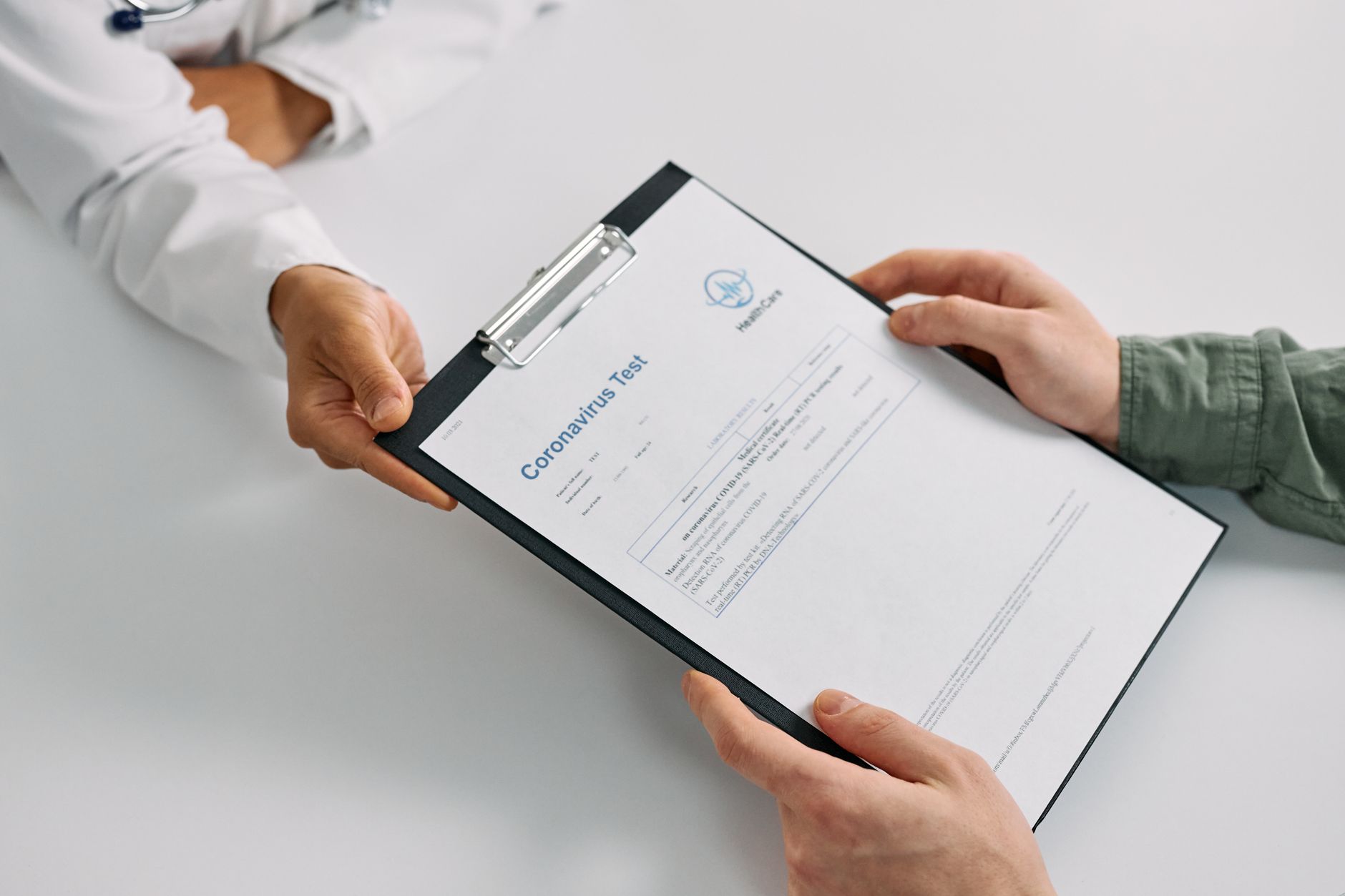
For international patients, language barriers are addressed with translated summaries and interpreters available during consultations. You will typically receive a written report of your results in English (or your preferred language), and your coordinator will explain any findings that require follow-up. Some clinics also offer telemedicine consultations before you travel, so you can discuss preliminary results remotely.
Importantly, you are encouraged to ask questions. Understanding your results empowers you to make informed decisions and reinforces trust in your care team.
Why Thorough Preparation Underpins Türkiye's Strong Surgical Outcomes
Türkiye's reputation for successful surgical outcomes is built on multiple factors, and rigorous pre-operative assessment is a key pillar. By identifying and managing risk factors early—such as uncontrolled diabetes, hypertension, anemia or undiagnosed cardiac conditions—clinics can reduce complications and improve recovery.
Furthermore, standardized testing protocols ensure consistency across patients, enabling surgeons to plan procedures with precision. For example, knowing a patient's coagulation status helps prevent excessive bleeding, while imaging guides surgical approach. This data-driven preparation is particularly important in complex procedures like organ transplantation, cardiac surgery and orthopedics.
The psychological benefit should not be underestimated. When patients see that their health is being thoroughly evaluated, they feel more confident and relaxed, which can positively influence recovery. Turkish clinics often emphasize patient education, explaining the purpose of each test and how it contributes to a safer surgery.
What to Expect as an International Patient
If you are traveling to Türkiye for surgery, your clinic will typically send you a pre-operative checklist before arrival. This may include instructions on fasting, medication adjustments and which tests will be performed. On the day of your appointment, bring any relevant medical records from your home country, including previous test results and a list of medications.
The process is usually well-organized: a coordinator meets you at the hospital, escorts you to each department, and ensures your comfort. Most packages include the cost of standard tests in the surgical fee, but it's wise to confirm what is covered and whether any specialized tests incur extra charges.
After testing, you'll have a consultation with your surgeon to review findings and finalize the surgical plan. This is also an opportunity to discuss anesthesia options and postoperative care. Many patients find this comprehensive approach reassuring and a stark contrast to fragmented care systems elsewhere.
Conclusion: Confidence Through Comprehensive Care
Türkiye's pre-operative testing packages exemplify the country's patient-centered approach to medical tourism. By combining bloodwork, cardiac checks and imaging into efficient same-day packages, clinics ensure that international patients receive thorough preparation without unnecessary delays. The seamless sharing of results with surgeons and the emphasis on clear communication further enhance safety and trust.
For anyone considering surgery abroad, understanding these preparatory steps is essential. It underscores that successful outcomes are not just about the procedure itself, but about the careful planning that precedes it. With its robust infrastructure and commitment to quality, Türkiye offers a compelling option for those seeking comprehensive surgical care in a welcoming environment.
Thinking about treatment in Turkey?
Send us a question about this site or about the information published on it. This is a publisher's mailbox, not a medical service and not a route to a particular provider — for clinical questions, contact your own doctor.