

Why Türkiye for Foot and Ankle Arthroscopy?
Türkiye has emerged as a notable destination for orthopaedic care, particularly for minimally invasive foot and ankle arthroscopy and sports injury repair. The country combines advanced medical technology, trained surgeons, and efficient scheduling that allows patients to undergo surgery and begin rehabilitation within days of arrival. For active individuals suffering from ankle instability, cartilage damage, or ligament tears, Türkiye's specialised clinics offer an alternative to long wait times and high costs in other countries.
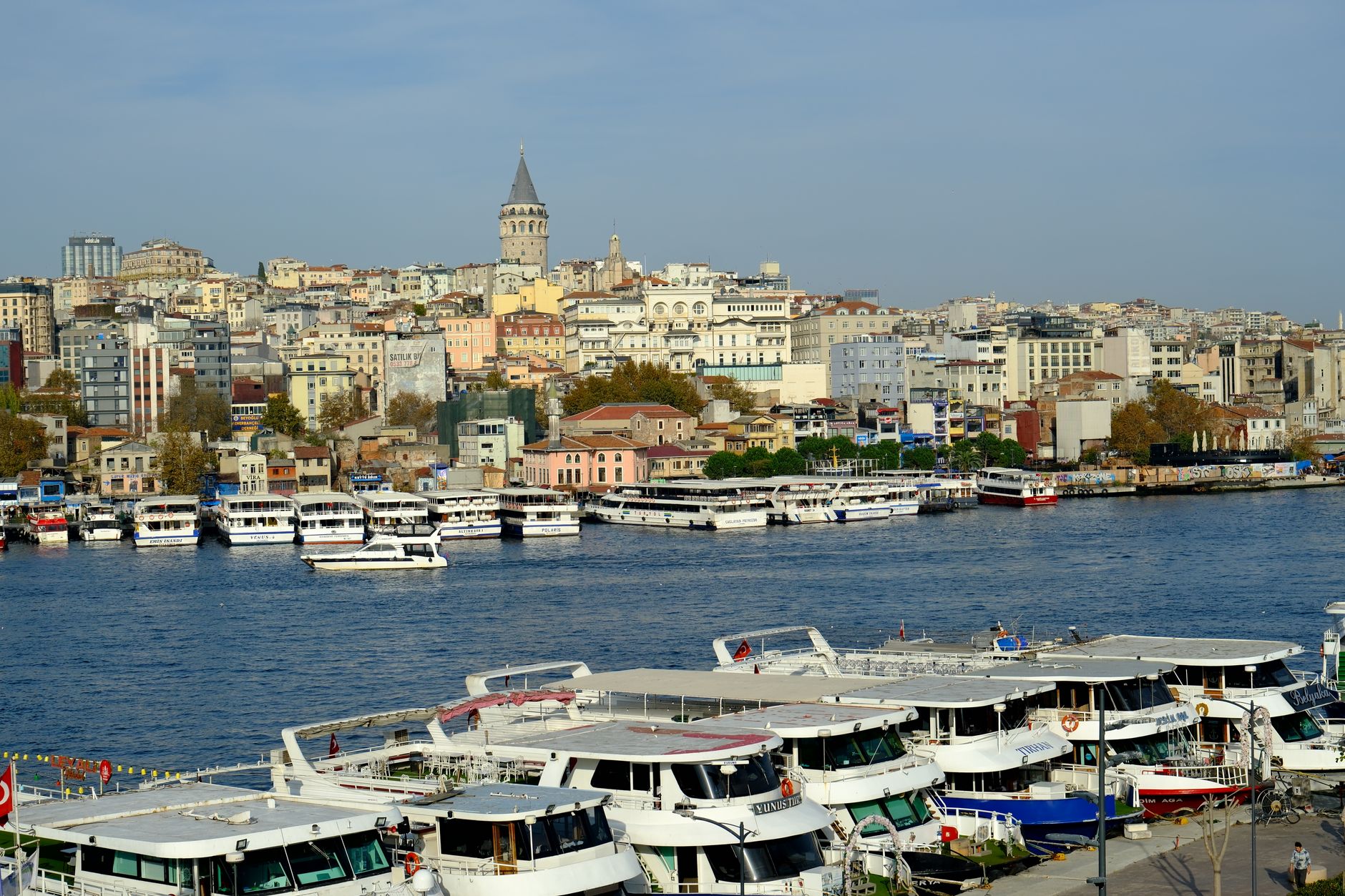
The expertise in foot and ankle surgery is concentrated in cities like Istanbul, Ankara, and Izmir, where sports medicine surgeons often work with professional athletes and teams. These specialists are adept at arthroscopic techniques that reduce recovery time, minimise scarring, and preserve joint function. Many have trained in Europe or the United States and bring international standards to their practice.
Moreover, Türkiye's modern clinics are designed for medical tourists, offering multilingual staff, streamlined admission processes, and comprehensive aftercare. The integration of physiotherapy teams ensures that patients not only receive surgery but also the rehabilitation necessary to return to walking and sports efficiently. This holistic approach is why Türkiye is increasingly a destination of choice for orthopaedic procedures.
Understanding Foot and Ankle Arthroscopy and Sports Injury Repair
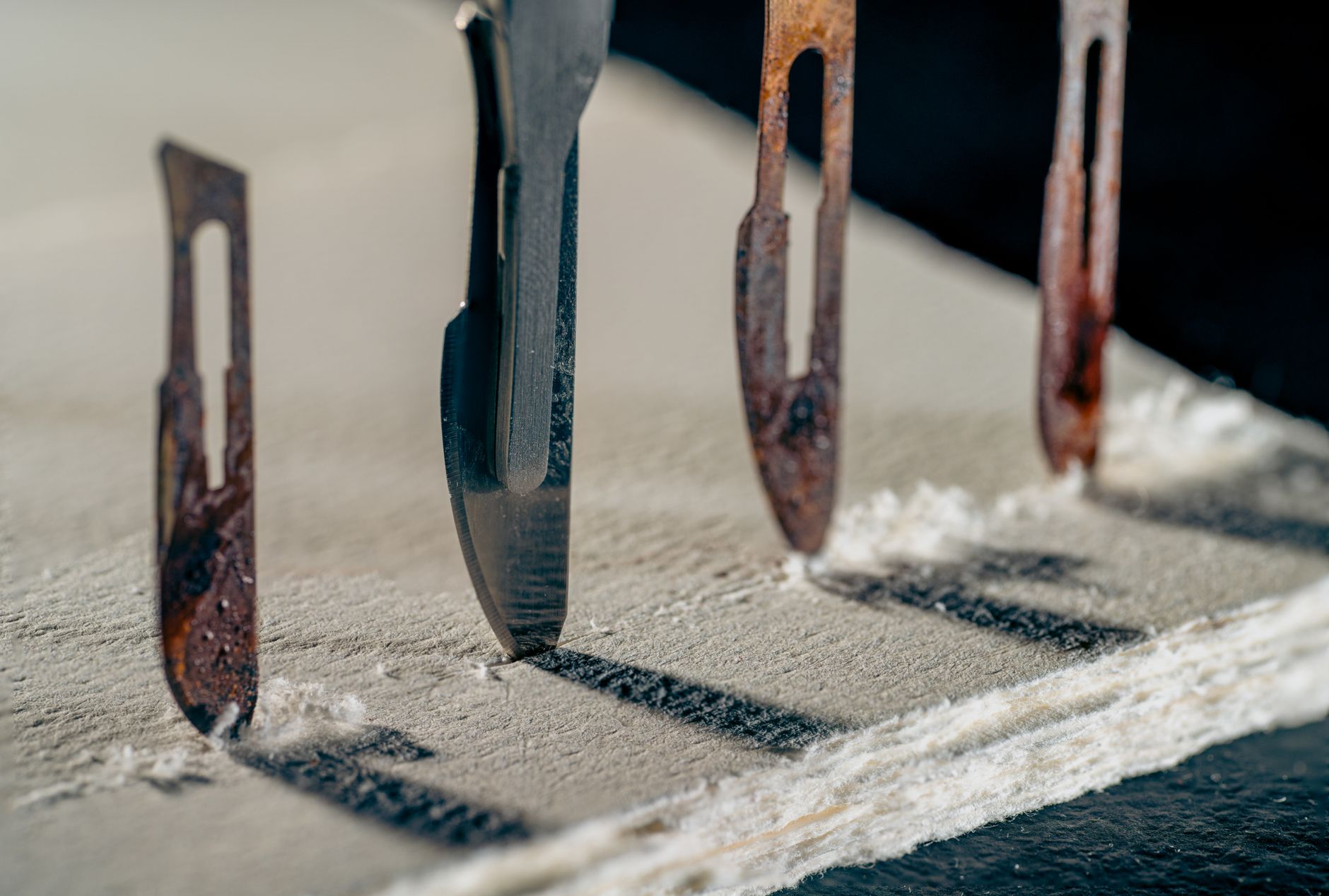
Arthroscopy is a minimally invasive surgical procedure in which a tiny camera and instruments are inserted through small incisions to diagnose and treat joint problems. In the foot and ankle, it is commonly used for conditions such as ankle impingement, osteochondral lesions, loose bodies, and ligament reconstruction. Sports injuries like ankle sprains that lead to chronic instability, Achilles tendon issues, and fractures can also be addressed arthroscopically.
The benefits of arthroscopy over traditional open surgery include smaller incisions, less pain, faster recovery, and reduced risk of infection. For athletes and active people, this means a quicker return to training and daily activities. The procedure is typically performed on an outpatient basis or with a short hospital stay, making it convenient for medical travellers.
Sports injury repair may also involve ligament reconstruction, tendon repair, or cartilage restoration. Surgeons in Türkiye use the latest techniques, such as all-inside arthroscopic repair and biologic augmentation, to enhance healing. The goal is always to restore stability and function while minimising downtime.
Planning Your Medical Trip: Timeline and Logistics
Planning a medical trip for foot and ankle arthroscopy requires careful coordination. Start by consulting with a surgeon in Türkiye via telemedicine. You can send your MRI or CT scans for a preliminary assessment. Once a treatment plan is agreed, the hospital will provide a medical visa invitation letter if needed. Most patients can enter Türkiye visa-free or with an e-visa for up to 90 days, depending on nationality.
A typical itinerary includes arrival a few days before surgery for pre-operative tests and consultation. Surgery is usually scheduled on day 2 or 3. After a short hospital stay (often 1-2 days), you will be discharged to a hotel or recovery facility. The first physiotherapy sessions begin within 24-48 hours post-op. You should plan to stay in Türkiye for about 10-14 days to complete initial rehabilitation and ensure you are safe to fly.
It's important to arrange travel insurance that covers medical complications and trip cancellation. Also, book accommodation near the clinic to minimise travel time. Many hospitals have partnerships with nearby hotels offering special rates for medical tourists. Ensure your return flight is flexible in case your surgeon recommends a longer stay.
Choosing the Right Clinic and Surgeon in Türkiye
Türkiye has numerous hospitals and clinics with orthopaedic departments. Look for facilities that are accredited by international bodies such as JCI (Joint Commission International) or ISO. These accreditations indicate adherence to high safety and quality standards. Additionally, check the surgeon's credentials: board certification, fellowship training, and experience specifically in foot and ankle arthroscopy.
Many orthopaedic centres in Istanbul and Ankara have dedicated sports medicine units. They often collaborate with professional football clubs and athletic teams, which speaks to their expertise in treating high-demand patients. Reading patient testimonials and treatment progress stories can give you confidence in your choice.
Don't hesitate to ask about the technology available: high-definition arthroscopes, radiofrequency devices, and biologic treatments like PRP (platelet-rich plasma) or stem cell injections. A modern clinic will have these tools to tailor the procedure to your injury. Also, inquire about the physiotherapy team—whether they have specialised sports rehab protocols and work closely with the surgeon.
Combining Arthroscopy with a Short Rehabilitation Stay
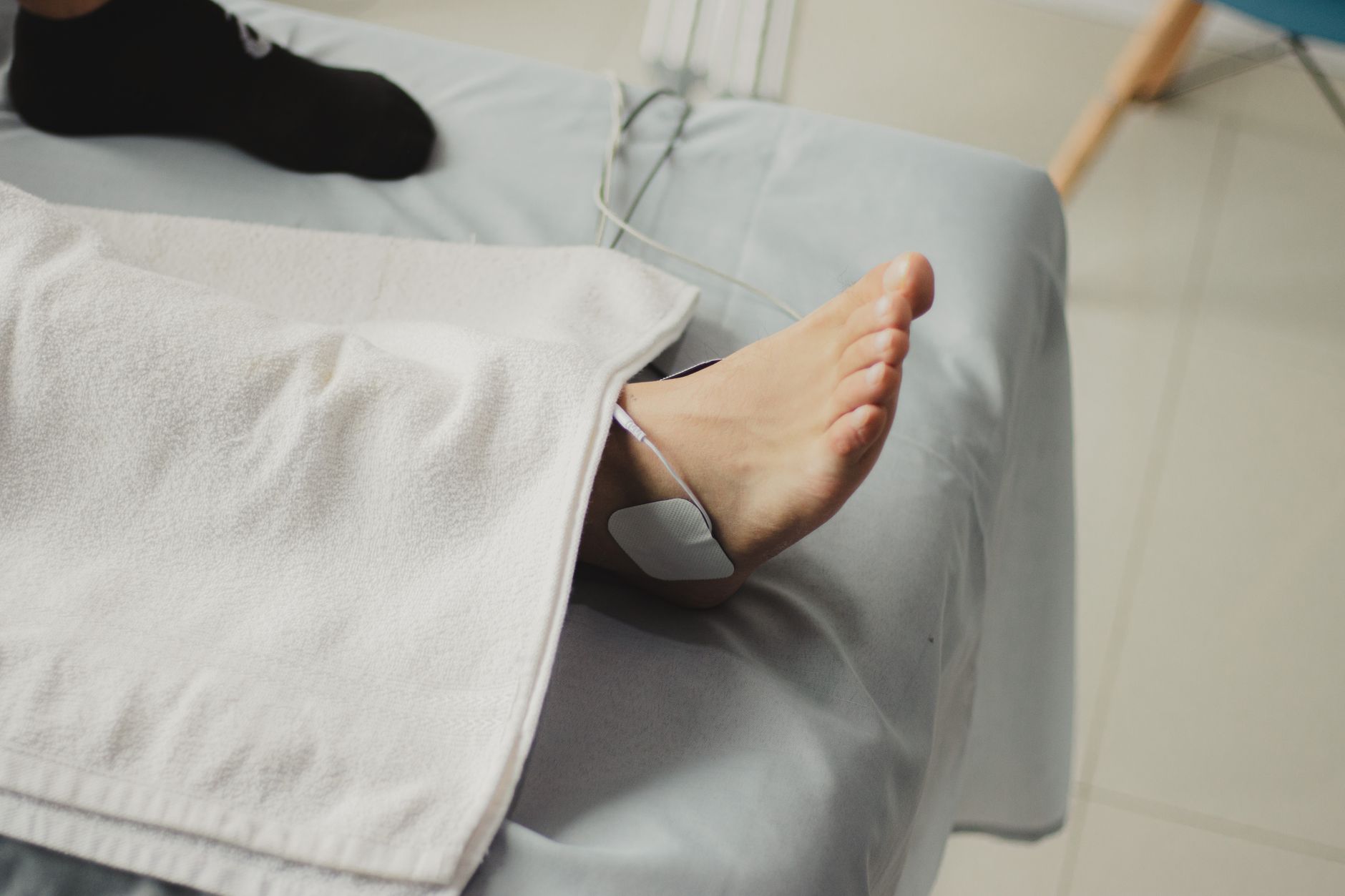
One of the key advantages of choosing Türkiye is the ability to combine surgery with an intensive, short-term rehabilitation programme. After arthroscopy, you will work with physiotherapists who specialise in foot and ankle recovery. The initial focus is on reducing swelling, maintaining range of motion, and protecting the surgical site. You'll learn exercises to do at home and may use modalities like cryotherapy and compression.
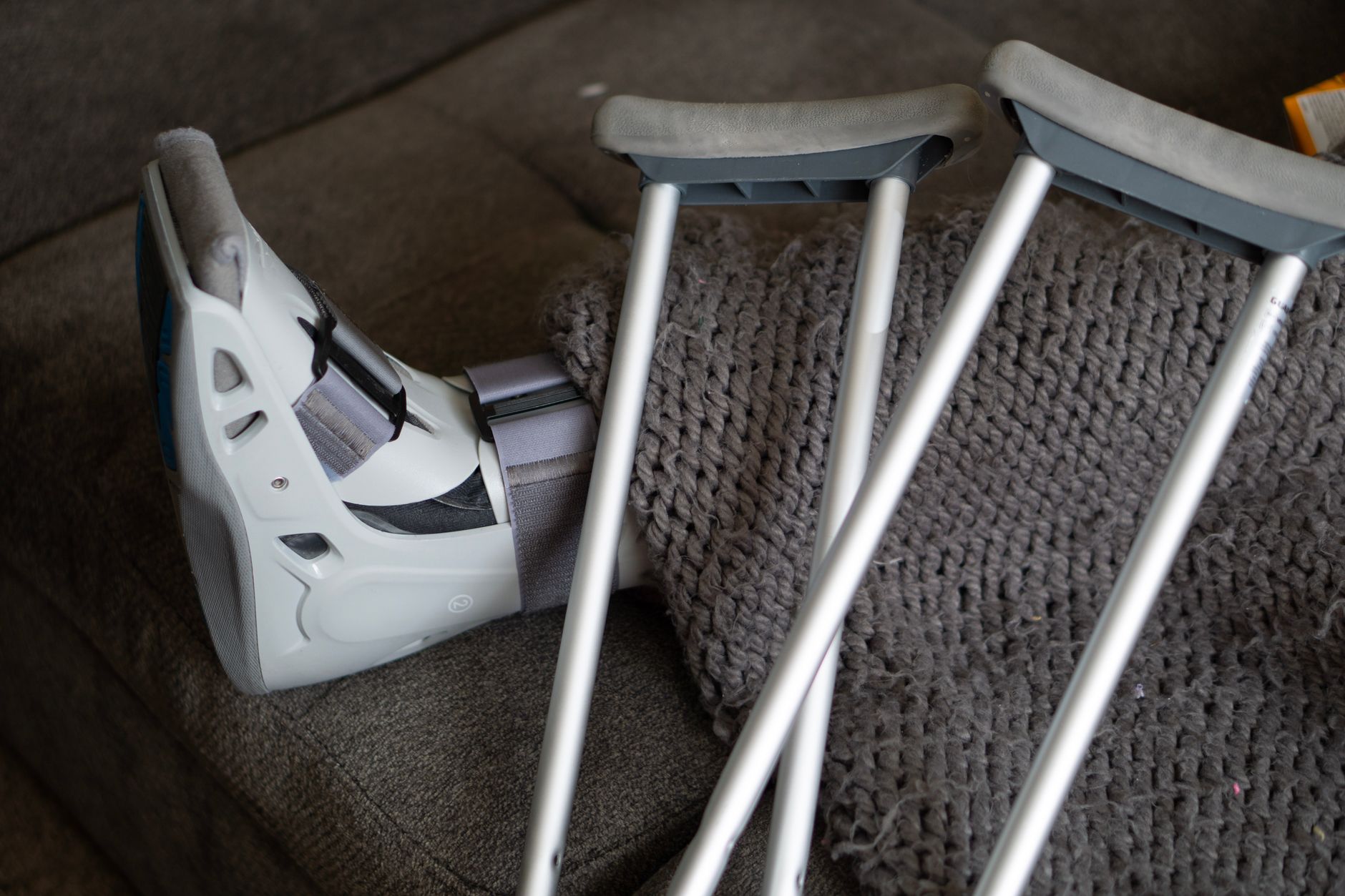
A typical rehabilitation stay lasts 5-7 days, with daily sessions. The physiotherapist will guide you through progressive weight-bearing, gait training, and strengthening. For athletes, sport-specific drills may be introduced later, but the foundation is laid during this period. The goal is to get you walking comfortably with crutches or a boot before you fly home.
Many clinics offer packages that include surgery, hospital stay, physiotherapy, and accommodation. These packages simplify planning and often reduce costs. You can also opt for a longer stay if you want more rehab; some patients stay 3-4 weeks to ensure a smooth transition to independent walking. Discuss your goals with your surgeon and physiotherapist to design the optimal duration.
Returning to Walking and Activity: What to Expect
Recovery timelines vary based on the procedure and individual healing. Generally, after ankle arthroscopy, you may be partial weight-bearing for 1-2 weeks, then progress to full weight-bearing in a boot or shoe. Most patients can walk without crutches by 3-4 weeks. Return to sports typically takes 6-12 weeks, depending on the extent of repair and rehabilitation compliance.
Your surgeon in Türkiye will provide a detailed post-operative plan, including follow-up teleconsultations after you return home. It's crucial to continue physiotherapy locally. The clinic can help you find a physiotherapist in your country or provide a home exercise programme. Adhering to the protocol is essential for optimal recovery.
Listen to your body and avoid pushing too hard. Swelling and discomfort are normal initially, but sharp pain should be reported. With Türkiye's expertise and your commitment, you can expect a successful return to walking and eventually to the activities you love.
Costs, Insurance, and Practical Tips
Foot and ankle arthroscopy in Türkiye costs significantly less than in the US or Western Europe—often 50-70% less. A package including surgery, hospital stay, and physiotherapy might range from $3,000 to $6,000, depending on the clinic and complexity. Always request a detailed quote covering all potential expenses, including implants, medications, and follow-up visits.
Check if your health insurance covers medical treatment abroad. Some policies offer reimbursement, but you may need pre-authorisation. Alternatively, many clinics accept international credit cards and offer financing options. Keep all receipts and medical records for insurance claims.
Practical tips: learn a few Turkish phrases, download a translation app, and arrange airport transfers through your hospital. Istanbul's new airport is a major hub with direct flights from many cities. The city is vibrant and safe, with plenty of amenities for recovery, from healthy restaurants to peaceful parks.
Why Türkiye's Physiotherapy Teams Are Key to Your Recovery
Türkiye's physiotherapy teams are integral to the orthopaedic care experience. They work side-by-side with surgeons, ensuring a seamless transition from operation to rehabilitation. Many physiotherapists have advanced certifications in sports rehab and manual therapy, and they use evidence-based protocols to accelerate recovery.
In the clinic, you'll have access to well-equipped rehab equipment: underwater treadmills, balance boards, and resistance training devices. The one-on-one attention you receive is often more intensive than what you'd get in your home country. This personalised approach helps you regain strength and confidence quickly.
Moreover, the physiotherapy team will educate you on proper technique and injury prevention, reducing the risk of re-injury. They understand the needs of active patients and tailor programmes accordingly. Whether you're a weekend warrior or a competitive athlete, you'll benefit from their expertise.
Conclusion: Your Path to Recovery Starts in Türkiye
Planning a medical trip to Türkiye for foot and ankle arthroscopy and sports injury repair is a choice for those seeking well-regarded care, rapid scheduling, and a supportive rehabilitation environment. With experienced surgeons, modern clinics, and dedicated physiotherapy teams, Türkiye offers a comprehensive solution that gets you back on your feet efficiently.
By following the steps outlined in this guide—researching clinics, planning your timeline, and committing to rehab—you can turn a frustrating injury into a manageable journey. Türkiye's medical tourism infrastructure is designed to make your experience smooth and successful. Take the first step today by contacting a reputable clinic and start your recovery.
Thinking about treatment in Turkey?
Send us a question about this site or about the information published on it. This is a publisher's mailbox, not a medical service and not a route to a particular provider — for clinical questions, contact your own doctor.