

Why Türkiye is a Leading Destination for Dialysis Travellers
Türkiye has become a sought-after destination for medical travellers who require ongoing renal care, thanks to its modern healthcare infrastructure and welcoming approach to international patients. The country is home to a network of well-equipped dialysis centres, many of which are affiliated with internationally accredited hospitals. These facilities are staffed by experienced nephrology teams who are accustomed to treating visitors from abroad and understand the importance of continuity of care.
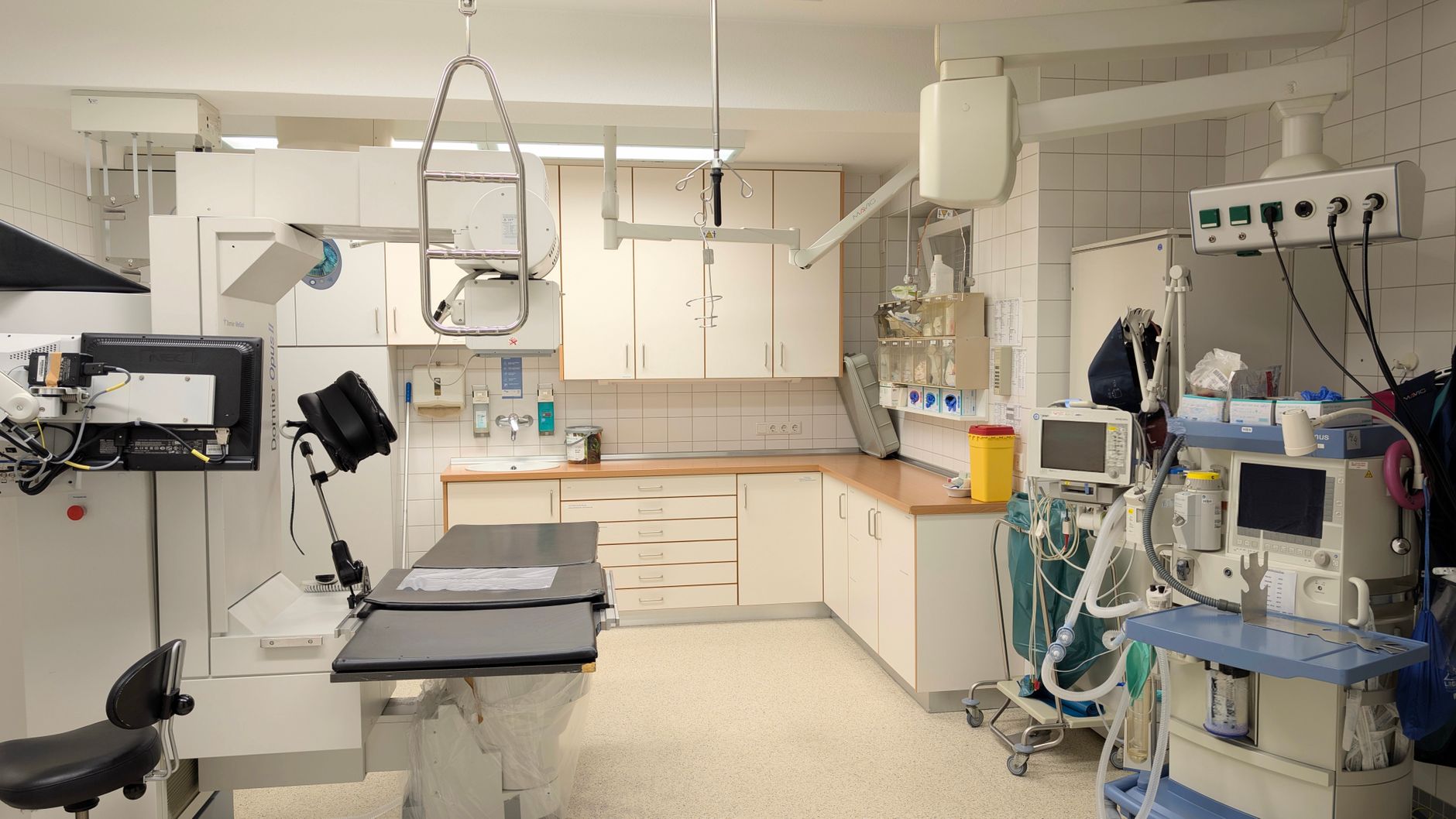
Turkish dialysis centres are known for their state-of-the-art equipment, rigorous hygiene protocols, and patient-centred approach. Whether you are visiting Istanbul for its historic wonders, Antalya for its sun-drenched beaches, or Cappadocia for its surreal landscapes, you can rest assured that high-quality dialysis is within reach. The Turkish Ministry of Health regularly inspects and certifies these centres, ensuring that they meet stringent standards comparable to those in Europe and North America.
Moreover, Türkiye's strategic location at the crossroads of Europe and Asia makes it easily accessible from many countries, and its well-developed tourism infrastructure ensures that travellers with chronic conditions can enjoy a smooth and comfortable stay. From arranging your sessions around sightseeing to coordinating with your home nephrologist, Turkish healthcare providers are adept at making your trip as stress-free as possible.
Understanding Türkiye's Dialysis Infrastructure
Türkiye boasts a robust dialysis infrastructure with hundreds of centres spread across major cities and tourist regions. Many of these centres operate within university hospitals, private hospitals, or dedicated dialysis clinics, all of which are equipped with the latest hemodialysis machines and, in some cases, peritoneal dialysis support. The staff typically includes nephrologists, dialysis nurses, and technicians who are trained to handle international patients and communicate in multiple languages, including English, German, Arabic, and Russian.
In Istanbul alone, there are numerous dialysis centres that cater specifically to tourists, offering flexible scheduling and personalised care. These centres often provide amenities such as comfortable waiting areas, Wi-Fi, and assistance with transportation. Some even offer dialysis in private rooms for added comfort and privacy. The cost of dialysis in Türkiye is generally more affordable than in many Western countries, making it an attractive option for those who are self-paying or seeking cost-effective care without compromising quality.
It's important to note that while dialysis is widely available, booking in advance is strongly recommended, especially during peak tourist seasons. Many centres have dedicated international patient coordinators who can help you plan your sessions, arrange accommodations, and even organise medical transport if needed. This level of support ensures that your treatment schedule aligns seamlessly with your travel itinerary.

How to Arrange Continuity of Care with Turkish Nephrology Teams
Continuity of care is paramount for dialysis patients, and Turkish nephrology teams are well-versed in coordinating with foreign healthcare providers. The first step is to contact the dialysis centre well in advance of your trip—ideally at least four to six weeks before departure. You will need to provide your medical records, including recent blood tests, dialysis prescription, and a summary from your home nephrologist. This information allows the Turkish team to tailor your treatment to your specific needs and ensure a smooth transition.
Many centres have streamlined the process by offering online forms and secure portals for uploading medical documents. Once your records are reviewed, the centre will confirm the availability of slots and provide you with a detailed schedule. It's also advisable to request a letter of confirmation that you can present at customs or to your insurance company if necessary. Turkish healthcare providers are experienced in handling international insurance claims and can often assist with paperwork.
Upon arrival, you'll have a consultation with a nephrologist who will review your medical history and current condition. They will work with you to finalise your dialysis schedule, taking into account your tourist activities and any dietary restrictions. The team will also provide guidance on local pharmacies, emergency contacts, and nearby hospitals, ensuring you feel supported throughout your stay. This collaborative approach helps maintain the continuity of your care and gives you peace of mind to enjoy your trip.
Planning Your Dialysis Sessions Around Your Travel Itinerary
One of the key advantages of receiving dialysis in Türkiye is the flexibility to schedule sessions around your travel plans. Many centres offer early morning, evening, and even weekend appointments to accommodate tourists. When planning your itinerary, consider booking dialysis sessions on arrival day or before long excursions to avoid fatigue. It's also wise to leave a buffer day after treatment for rest, especially if you're adjusting to a new time zone.
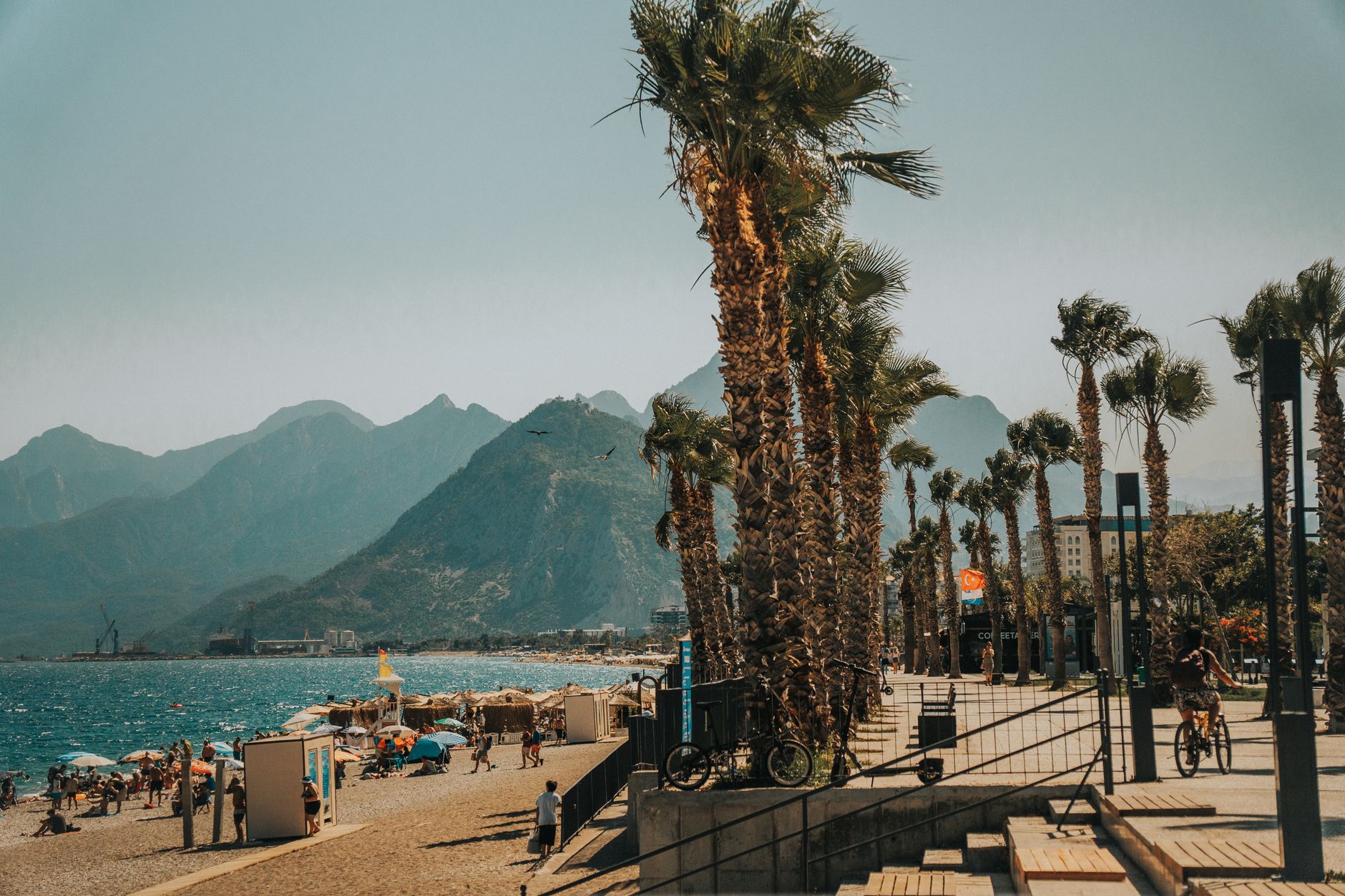
If you're travelling to multiple cities, you can arrange dialysis at different centres along your route. For example, you might start in Istanbul, where you can explore the Blue Mosque and Grand Bazaar, then move to Antalya for a beach holiday, with dialysis sessions scheduled at a local centre. Turkish dialysis networks often share patient records securely, making it easy to transfer your care between cities. However, always confirm that the centres you plan to use are part of a coordinated network or are willing to communicate directly with each other.
Remember to factor in travel time between your accommodation and the dialysis centre. Many centres are located in central areas and are accessible by public transport or taxi. Some facilities offer pick-up and drop-off services for international patients, which can be a convenient option. Be sure to discuss transportation logistics with your patient coordinator to ensure a stress-free experience.
Coordinated Records and Communication: Key to Seamless Care
Effective communication between your home healthcare team and the Turkish dialysis centre is essential for safe and effective treatment. Before you travel, request a comprehensive medical report from your nephrologist that includes your dialysis prescription, recent lab results, medication list, and any special considerations such as allergies or vascular access details. This report should be translated into English if it isn't already, and ideally into Turkish as well, though most centres can handle English documents.
Turkish dialysis centres typically use electronic medical records systems that allow for secure sharing of information. Some hospitals are affiliated with international health networks, enabling direct communication with your home doctor. It's a good idea to carry a printed copy of your medical records as a backup, along with contact details for your home nephrologist in case the Turkish team needs to consult them. Many centres will also send a summary of your treatment back to your home doctor after your visit, ensuring continuity when you return.
Language barriers are rarely an issue, as most dialysis centres in tourist areas have staff who speak English and other languages. However, if you have specific concerns, you can request an interpreter or a staff member fluent in your language. Clear communication about your symptoms, dietary habits, and any changes in your condition is crucial, so don't hesitate to ask questions or voice concerns. The goal is to make you feel as comfortable and informed as possible.
Enjoying Your Stay: Balancing Treatment and Tourism
Dialysis doesn't have to put a damper on your travel experience. With careful planning, you can enjoy Türkiye's rich culture, history, and cuisine while maintaining your treatment schedule. Turkish dialysis centres often provide dietary counselling tailored to renal patients, helping you navigate local food options. You can savour delicious Turkish dishes like grilled vegetables, fresh seafood, and baklava (in moderation) while adhering to your dietary restrictions. The Mediterranean diet, prevalent in Türkiye, is naturally rich in fresh produce and healthy fats, making it easier to find renal-friendly meals.
When sightseeing, pace yourself and stay hydrated. Avoid extreme heat and strenuous activities, especially on dialysis days. Many tourist attractions are wheelchair-accessible, and some tours are designed for individuals with medical needs. Consider booking a guided tour that can accommodate your schedule and provide comfortable transportation. Popular destinations like Istanbul's Topkapi Palace, the thermal pools of Pamukkale, and the ancient ruins of Ephesus offer unforgettable experiences without compromising your health.
Finally, travel insurance that covers dialysis and related medical expenses is highly recommended. Check with your provider to ensure you're covered for pre-existing conditions and that the policy includes emergency evacuation if needed. With the right preparation, you can focus on creating wonderful memories in Türkiye, knowing that your health is in capable hands.
Thinking about treatment in Turkey?
Send us a question about this site or about the information published on it. This is a publisher's mailbox, not a medical service and not a route to a particular provider — for clinical questions, contact your own doctor.