

Introduction to Robotic Surgery in Türkiye
Türkiye has emerged as a leading destination for medical tourism, attracting patients from around the globe with its blend of advanced medical technology, highly skilled surgeons, and affordable healthcare. At the forefront of this evolution is the adoption of robotic-assisted surgery in Istanbul's top hospitals. This minimally invasive approach is transforming surgical care, offering patients the benefits of enhanced precision, smaller incisions, and quicker recovery times.
Robotic surgery, often associated with systems like the da Vinci Surgical System, allows surgeons to perform complex procedures with unparalleled accuracy. In Türkiye, several hospitals have invested in these state-of-the-art platforms, making them accessible to international patients seeking high-quality treatment. This guide explores the landscape of robotic surgery in Istanbul, how to determine if your procedure can be performed robotically, and what to expect during your medical journey.
Whether you're considering surgery for prostate cancer, gynecological conditions, or other eligible procedures, understanding the capabilities and processes involved can help you make informed decisions. With a focus on patient safety and outcomes, Istanbul's hospitals are setting new standards in surgical excellence.
What Is Robotic Surgery and How Does It Work?
Robotic surgery is a form of minimally invasive surgery where surgeons use a computer-controlled robot to assist in performing procedures. The system typically consists of a console where the surgeon sits, viewing a high-definition 3D image of the surgical site, and robotic arms equipped with surgical instruments that mimic the surgeon's hand movements with enhanced dexterity. This technology enables precise movements, tremor reduction, and better visualization of hard-to-reach areas.
Unlike traditional open surgery, which requires large incisions, robotic surgery uses small incisions (often less than a centimeter) through which the robotic arms and a camera are inserted. This approach minimizes trauma to surrounding tissues, leading to less pain, reduced blood loss, and shorter hospital stays. Patients often experience faster return to daily activities and smaller scars.
It's important to note that robotic surgery is not fully autonomous; the surgeon controls every movement, and the robot acts as an extension of their hands. This synergy between human expertise and technological precision is what makes robotic surgery a powerful tool in modern medicine. In Türkiye, hospitals adhere to strict protocols to ensure the safe and effective use of this technology, with surgeons undergoing specialized training.
Türkiye's Advanced Hospital Network and Robotic Capabilities
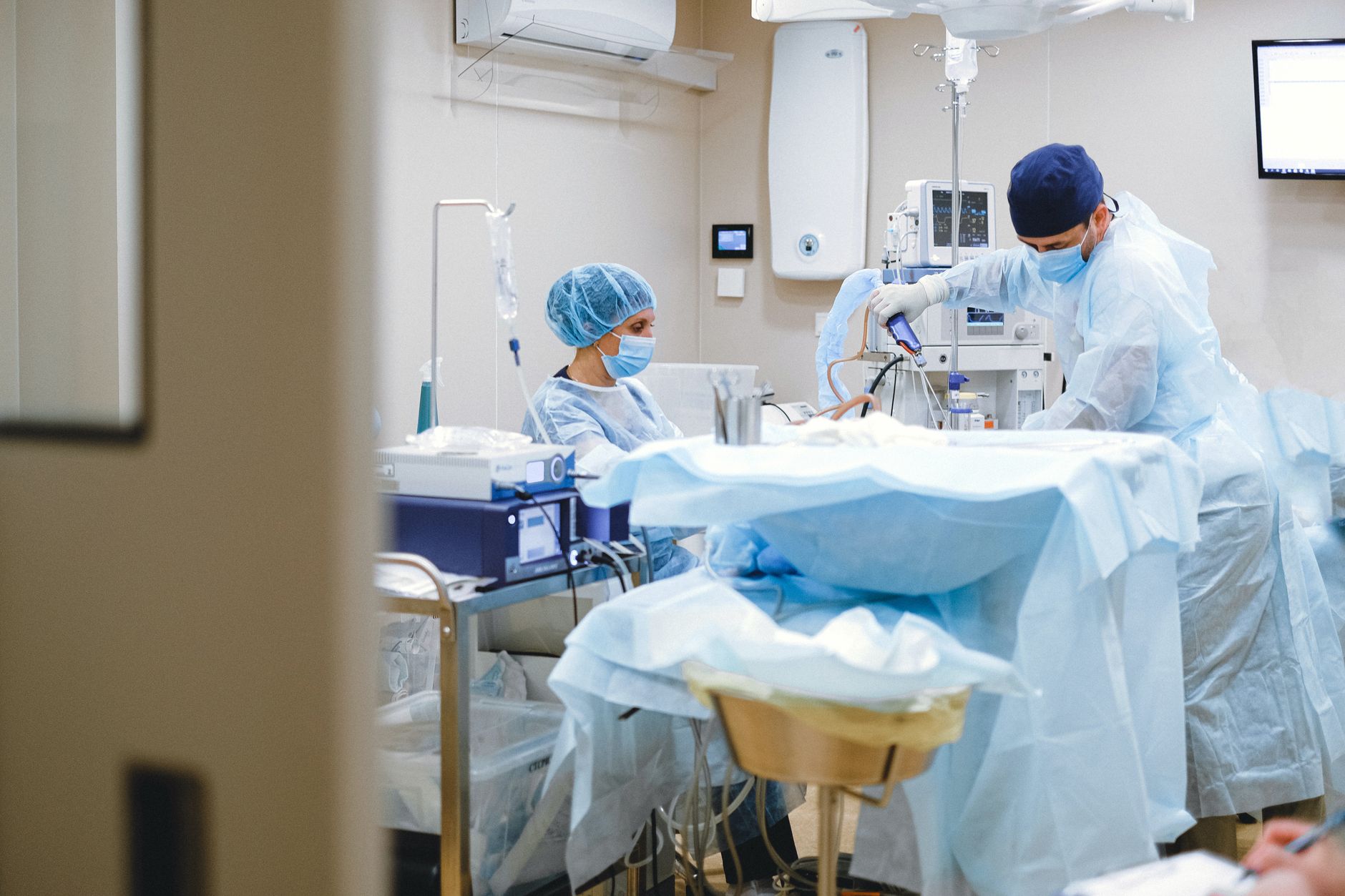
Türkiye's healthcare system has undergone significant modernization, with many hospitals in Istanbul and other major cities acquiring robotic surgical systems. These hospitals are often JCI-accredited (Joint Commission International), reflecting their commitment to international standards of care. The adoption of robotic technology is particularly prominent in private hospitals that cater to medical tourists, offering a range of procedures from urology and gynecology to general and cardiothoracic surgery.
For example, hospitals like Acıbadem, Memorial, and Medipol University Hospital have integrated robotic surgery into their services, investing in surgeon training and patient education. These institutions often collaborate with international experts and participate in global registries to track outcomes, ensuring transparency and continuous improvement. The availability of robotic surgery in Türkiye not only enhances treatment options for local patients but also positions the country as a competitive player in the global medical tourism market.
International patients can access these advanced capabilities at a fraction of the cost compared to Western Europe or North America. The combination of skilled surgeons, modern facilities, and competitive pricing makes Istanbul an attractive choice for those seeking robotic-assisted procedures. Moreover, many hospitals offer comprehensive packages that include consultations, surgery, hospitalization, and follow-up care, simplifying the process for patients traveling from abroad.

Benefits of Robotic Surgery for International Patients
Robotic surgery offers several advantages that are particularly appealing to international patients. Firstly, the minimally invasive nature means shorter recovery times, which is crucial for those traveling long distances. Patients can often return home sooner and resume normal activities with less downtime. Reduced pain and scarring also contribute to a better overall experience.
Secondly, the precision of robotic surgery can lead to better clinical outcomes. For procedures like prostatectomy, studies have shown improved continence and potency rates compared to open surgery. In gynecological surgeries, robotic assistance allows for meticulous dissection, preserving nerves and reducing complications. These benefits are significant for patients seeking high-quality care with minimal disruption to their lives.
Additionally, Istanbul's hospitals are accustomed to treating international patients, offering multilingual staff, international patient departments, and assistance with travel and accommodation. This support system ensures that patients feel comfortable and well-cared for throughout their journey. The combination of advanced technology, expert care, and patient-centric services makes Istanbul a compelling destination for robotic surgery.
How to Ask About Robotic Surgery During Your Video Consultation
When considering robotic surgery in Istanbul, the first step is to schedule a video consultation with a hospital or surgeon. During this consultation, you can discuss your condition, treatment options, and whether robotic surgery is suitable for you. It's essential to ask specific questions to gauge the hospital's expertise and experience with robotic procedures.
Here are key questions to ask:
- Is my procedure available robotically at your hospital? Not all surgeries can be performed robotically; the surgeon will assess your individual case.
- How many robotic surgeries of this type have you performed? Experience matters; high-volume surgeons often have better outcomes.
- What are the benefits and risks compared to traditional surgery for my condition? Understanding the trade-offs helps you make an informed decision.
- What is the typical recovery timeline and hospital stay? This will help you plan your trip.
- What support services are available for international patients? Inquire about language assistance, accommodation, and airport transfers.
Don't hesitate to ask for data on outcomes or to speak with past patients if available. Reputable hospitals will be transparent and provide the information you need. The video consultation is also an opportunity to discuss costs, payment methods, and insurance coverage. Being proactive during this initial interaction can set the stage for a smooth and successful medical journey.
What to Expect on the Day of Surgery
On the day of your robotic surgery in Istanbul, you'll follow a structured preoperative process. You'll likely be admitted to the hospital early in the morning, where a team of nurses and anesthesia professionals will prepare you for the procedure. This includes reviewing your medical history, confirming consent, and placing an intravenous line.
Before surgery, you'll meet with your surgeon and anesthesiologist to address any last-minute questions. The anesthesia team will administer general anesthesia, and you'll be taken to the operating room. The surgical team will then position you on the operating table and make small incisions for the robotic instruments. The surgeon will control the robot from a console nearby, viewing a magnified 3D image of the surgical site.
After the procedure, you'll be moved to a recovery area where you'll be monitored as the anesthesia wears off. Most patients experience less pain compared to open surgery and may be able to eat and walk sooner. The hospital stay for robotic surgery is typically shorter—often 1-3 days depending on the procedure. You'll receive instructions on postoperative care, medications, and follow-up appointments before discharge. International patient coordinators will assist with discharge planning and any necessary accommodations for your return journey.
Planning Your Medical Journey: Practical Tips
Planning a surgery abroad requires careful consideration. Start by researching hospitals and surgeons with experience in robotic surgery and a track record of treating international patients. Check accreditation, read patient reviews, and verify the credentials of your chosen surgeon. It's also advisable to consult with your local physician to ensure you're fit to travel and to coordinate follow-up care.
Regarding travel, ensure your passport and visa are in order (many nationalities can obtain an e-visa for Türkiye). Arrange for travel insurance that covers medical complications and trip cancellation. Istanbul's hospitals often provide airport pickup and assistance with accommodation, but it's good to confirm these services in advance. Budget for the procedure, travel, and living expenses; while costs are lower than in many Western countries, it's wise to have a financial plan.
Communicate openly with your medical team about your expectations and concerns. Take advantage of the international patient services offered by hospitals, such as translation and cultural support. After surgery, follow your surgeon's advice for a safe recovery, and schedule any follow-up appointments before you leave. With proper planning, your robotic surgery experience in Istanbul can be smooth and rewarding.
Thinking about treatment in Turkey?
Send us a question about this site or about the information published on it. This is a publisher's mailbox, not a medical service and not a route to a particular provider — for clinical questions, contact your own doctor.