

Why Choose Türkiye for Post-Operative Recovery?
Türkiye has become a global leader in medical tourism, attracting hundreds of thousands of patients each year for procedures ranging from hair transplants and dental work to cosmetic surgery and orthopaedic operations. While the country's advanced clinics and accredited hospitals in Istanbul and other major cities are well known, a lesser-explored advantage lies beyond the operating room: Türkiye's historic spa and thermal towns. These destinations, such as Bursa and Afyonkarahisar, offer mineral-rich waters and a tranquil environment that can significantly enhance the post-operative recovery experience.
Recovery after surgery is not merely about resting; it involves managing pain, reducing inflammation, restoring mobility, and preventing complications. The unique combination of clinical aftercare and restorative calm found in Turkish thermal resorts addresses these needs holistically. Patients can benefit from the therapeutic properties of natural hot springs while remaining under the supervision of medical professionals. This is a uniquely Turkish advantage: recovery in comfort, with medical support close by.
In this guide, we explore how Türkiye's spa and thermal towns serve as ideal post-operative recovery destinations, what medical support is available, and how to plan a healing retreat that prioritises both safety and serenity.

The Therapeutic Power of Türkiye's Mineral-Rich Waters
Türkiye sits atop a vast network of geothermal springs, with over 1,500 thermal sources scattered across the country. Many of these have been used for therapeutic purposes since Roman and Byzantine times. The waters are rich in minerals such as calcium, magnesium, sulphur, sodium, and bicarbonate, each offering specific benefits for post-operative recovery. For instance, magnesium and calcium can help relax muscles and reduce cramping, while sulphur has anti-inflammatory properties that may aid in tissue repair.
Bursa, the first capital of the Ottoman Empire, is particularly famous for its thermal springs. The Çekirge district has been a spa destination for centuries, with hotels and clinics built directly over the springs. The thermal waters here are known for their high mineral content and consistent temperatures, making them suitable for gentle hydrotherapy. Similarly, Afyonkarahisar, often called the "thermal capital of Türkiye," boasts resorts like Gazlıgöl and Sandıklı, where waters are believed to heal a variety of ailments.
For post-operative patients, hydrotherapy in these waters can be a game-changer. Warm water reduces gravity's pull, allowing patients to perform gentle movements without straining incisions or joints. This can improve circulation, reduce swelling, and ease muscle tension. However, it is crucial that such activities are supervised by medical professionals to avoid complications. Fortunately, many thermal resorts in Türkiye have partnered with clinics to provide exactly that.
Integrating Clinical Aftercare with Thermal Relaxation
What sets Türkiye apart is the seamless integration of medical aftercare into the thermal resort experience. Clinics in Istanbul, Bursa, and Afyonkarahisar often coordinate with local thermal hotels to offer comprehensive recovery packages. These packages include physiotherapy sessions, nursing checks, and doctor visits, all while patients enjoy the soothing benefits of mineral baths.
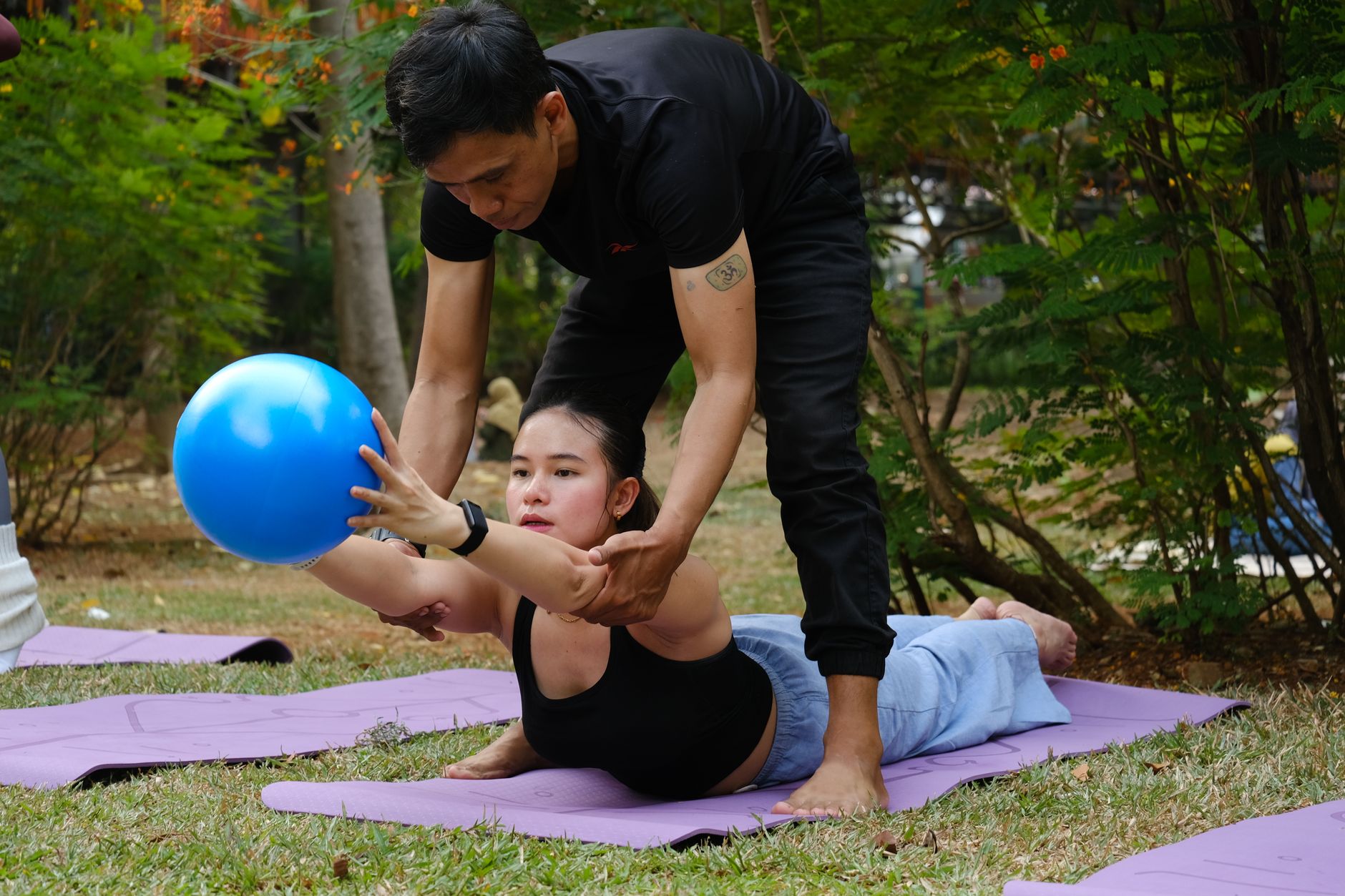
For example, after orthopaedic surgery such as knee replacement, physiotherapy is essential for regaining strength and mobility. In a thermal resort, a physiotherapist can guide the patient through exercises in a warm pool, which is far more comfortable than a traditional gym setting. The buoyancy of the water supports the patient's body, reducing the risk of falls and allowing for gradual progress. At the same time, a nurse can monitor vital signs, check surgical wounds, and ensure that the patient is not overexerting.
Many resorts have on-site medical suites or are located within minutes of a hospital. This proximity means that if any complication arises, help is immediately available. Clinics can also arrange for telemedicine consultations with the patient's surgeon if needed. This level of integration ensures that patients are not just relaxing; they are actively healing under professional guidance.
Bursa: Ottoman Elegance and Modern Medical Support
Bursa is a city where history and nature converge. Its thermal springs have been cherished for millennia, and today it offers a range of accommodation from historic hamams to luxury spa hotels. The Çekirge area is the epicentre of thermal tourism, with establishments like the Kervansaray Thermal Hotel and the Çelik Palas, which was frequented by Atatürk himself.
For post-operative patients, Bursa provides a peaceful escape from the bustle of Istanbul. The city is easily accessible via a short ferry ride or drive from Istanbul, making it convenient for those who have undergone surgery in the metropolis. Clinics in Bursa, such as those affiliated with Uludağ University Hospital, can provide follow-up care. Some thermal hotels have dedicated wellness centres with physiotherapists and nurses on staff, specialising in post-surgical rehabilitation.
Beyond the waters, Bursa offers gentle distractions that aid mental recovery: the lush gardens of the Muradiye Complex, the serene Uludağ Mountain, and the quaint village of Cumalıkızık. These outings can be light walks, encouraging mobility without stress. The combination of physical therapy and pleasant surroundings can boost mood and accelerate healing.

Afyonkarahisar: The Thermal Capital with Clinical Coordination
Afyonkarahisar is renowned for its high-quality thermal waters and modern facilities. The region's springs are rich in bicarbonate, calcium, and magnesium, and are particularly recommended for rheumatic and orthopaedic conditions. Resorts like the Ikbal Thermal Hotel & Spa and the Akrones Hotel Thermal & Spa are popular among medical tourists seeking recovery in a calm environment.
What makes Afyonkarahisar ideal for post-operative care is the presence of specialised rehabilitation centres. The Afyonkarahisar Health Sciences University has a hospital with a physical therapy and rehabilitation department that collaborates with thermal resorts. Patients can receive customised physiotherapy programmes that include aquatic exercises in the thermal pools, electrotherapy, and manual therapy. Nursing staff are available for wound care and medication management, ensuring a smooth recovery.
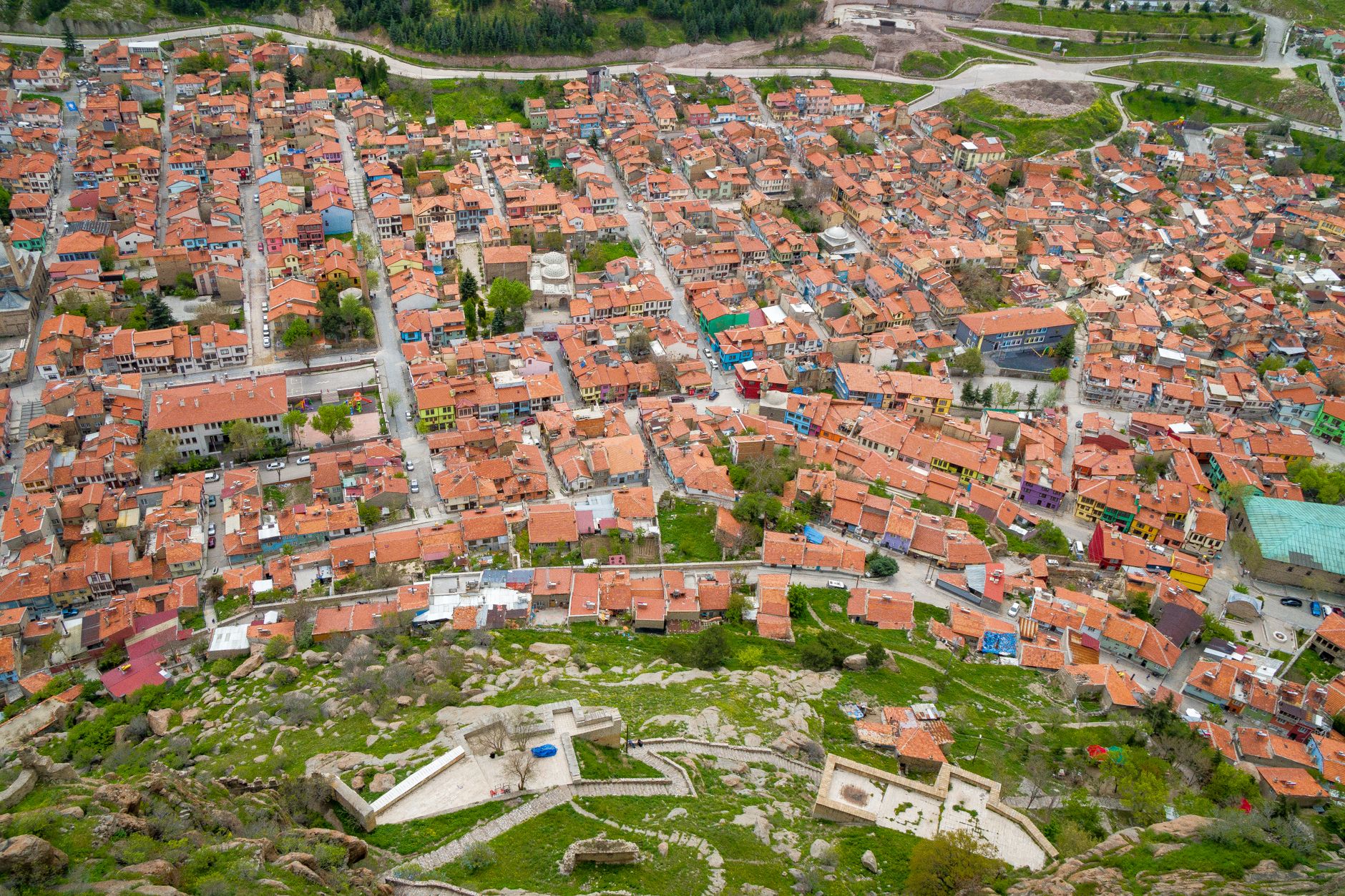
The town itself is unhurried, with clean air and a pleasant climate. The nearby Phrygian valleys and the iconic Afyonkarahisar Castle offer gentle sightseeing opportunities once the patient is mobile. The local cuisine, known for its dairy products and sucuk, can be enjoyed in moderation as part of a balanced recovery diet.
Other Notable Thermal Towns for Recovery
While Bursa and Afyonkarahisar are the most prominent, Türkiye has several other thermal towns that cater to post-operative patients. Yalova, just a ferry ride from Istanbul, is known for its Termal district, where the waters are said to have healing properties. The Yalova Thermal Hotel, established by Atatürk, offers a serene setting with medical facilities nearby.
In the Aegean region, Pamukkale is not only a UNESCO World Heritage Site but also a source of thermal waters rich in calcium. However, it is more of a tourist attraction than a dedicated recovery destination. For clinical aftercare, towns like Bolu, Kütahya (with its Yoncalı thermal springs), and İzmir's Balçova district offer excellent options with hospitals in close proximity.
Each of these locations has its own character, but all share the common thread of therapeutic waters and a supportive medical infrastructure. When choosing a destination, patients should consider the type of surgery, the level of care required, and the availability of specialised staff.
How Clinics Coordinate Physiotherapy and Nursing Checks
The success of a post-operative recovery retreat hinges on the coordination between the surgical clinic and the thermal resort. Typically, the process begins before the patient even leaves the hospital. The surgeon or a designated care coordinator will assess the patient's condition and recommend a suitable thermal destination. They will then liaise with the resort's medical team to create a personalised recovery plan.
This plan may include daily physiotherapy sessions, often in the thermal pool, to improve range of motion and strength. A nurse will visit at least once a day to check vital signs, inspect the surgical site, and administer any necessary medications. The clinic will also schedule follow-up appointments, either in person or via telemedicine, to monitor progress. In some cases, a nurse or physiotherapist may accompany the patient from the clinic to the resort to ensure continuity of care.
Documentation is shared securely between the clinic and the resort, so the patient's medical history and specific precautions are known to all caregivers. This integrated approach minimises the risk of miscommunication and ensures that the patient's recovery is on track. It also provides peace of mind, knowing that professional help is always at hand.
Practical Tips for Planning Your Recovery Retreat
Planning a post-operative recovery in a Turkish thermal town requires careful consideration. First, consult your surgeon to determine if you are fit to travel and if thermal therapy is appropriate for your condition. Some procedures, such as certain cosmetic surgeries, may have restrictions on soaking in water for a period. Always follow medical advice.
Next, choose a resort that offers medical services. Look for facilities that have partnerships with clinics, on-site nurses, and physiotherapists. Check the temperature and mineral content of the pools; not all are suitable for post-operative patients. Ideally, the water should be warm (around 36-38°C) and rich in minerals like magnesium and calcium, but not too hot to cause dizziness.
Arrange your transport and accommodation with comfort in mind. Many resorts offer airport transfers and accessible rooms. Pack loose clothing, comfortable footwear, and any medical supplies you may need. It's also wise to have a companion to assist you during the first few days. Finally, inform your insurance company about your plans; some policies may cover post-operative rehabilitation in thermal resorts if prescribed by a doctor.
Conclusion: A Unique Path to Recovery
Türkiye's spa and thermal towns offer a unique blend of clinical aftercare and restorative calm that is hard to find elsewhere. By combining the therapeutic benefits of mineral-rich waters with professional medical supervision, patients can recover in comfort and style. Whether you choose the Ottoman elegance of Bursa or the modern facilities of Afyonkarahisar, you will find an environment that nurtures both body and mind.
This integration of health and hospitality is a testament to Türkiye's holistic approach to medical tourism. It's not just about the procedure; it's about the entire journey, including a peaceful recovery that sets the stage for long-term well-being. As more patients discover this advantage, Türkiye's thermal resorts are poised to become the go-to destinations for post-operative rehabilitation.
Thinking about treatment in Turkey?
Send us a question about this site or about the information published on it. This is a publisher's mailbox, not a medical service and not a route to a particular provider — for clinical questions, contact your own doctor.