

Why Pre-Travel Health Planning Matters for Medical Travellers
Choosing Türkiye for treatment is an exciting and confidence-inspiring decision. Clinics in Istanbul, Ankara, Izmir and Antalya welcome international patients every day, and their teams are well practised at guiding visitors through the practical steps that come before a procedure. Pre-travel health planning is not a hurdle — it is simply the first stage of the care pathway, and Turkish providers make it straightforward.
Because you are travelling for treatment rather than a holiday, your health checks serve two purposes. First, they confirm you are fit to fly safely and ready for anaesthesia or your planned procedure. Second, they protect you from common travel-related illnesses so nothing distracts from your recovery. Approaching these checks early, calmly and in an organised way makes the whole experience feel much lighter.
The good news is that Türkiye has no mandatory vaccination requirement for most incoming travellers, and clinics typically accept health records in English or translated documents. With a little forward planning, you can complete every requirement comfortably before departure.
Ask Your Surgeon Exactly What Is Needed
Your surgeon and the clinic's international patient coordinator are the best sources of guidance. Before booking flights, request a written pre-operative checklist that lists any vaccinations, blood tests, screening or imaging they need. Most Turkish clinics respond quickly by email and are happy to explain each item in plain language.
Be specific when you ask. Confirm whether routine vaccinations should be up to date, whether any seasonal or regional vaccines are recommended for the time of year you are travelling, and whether the clinic requires particular blood tests such as a full blood count, liver and kidney function, or screening for infectious diseases before surgery. If you take regular medication, ask how it should be managed in the days before travel.
It also helps to share your full medical history early, including allergies, previous surgeries, chronic conditions and any recent illnesses. This lets the clinical team tailor their advice — for example, recommending a specific cardiac assessment or a chest X-ray — and avoids last-minute surprises. Keep every instruction in one folder, digital or paper, so you can refer to it at the airport, at your GP appointment and at the clinic.
Vaccinations: Routine, Recommended and Destination-Specific
For most medical travellers, the vaccination conversation starts with routine immunisations. Check that your measles, mumps and rubella, diphtheria, tetanus, polio and seasonal influenza vaccines are current. These are standard protections that support your overall health during travel and recovery, and your home doctor can update them quickly.
Depending on your origin country and itinerary, additional vaccines may be recommended. Hepatitis A and B, typhoid and rabies are sometimes discussed for travellers who plan to explore rural areas or stay for extended periods. Türkiye is not generally a yellow fever risk area, but if you are arriving from a country where yellow fever is present, an international certificate of vaccination may be requested at the border. Your clinic can confirm the current position for your route.
Timing matters here. Some vaccines need several weeks or multiple doses to become fully effective, so raise the question as soon as your treatment date is confirmed. Ask your surgeon whether any vaccine should be avoided close to surgery — for example, live vaccines are sometimes scheduled well before a procedure. Write down the recommended schedule, book your appointments and keep the certificates with your travel documents.

Screenings and Pre-Operative Tests
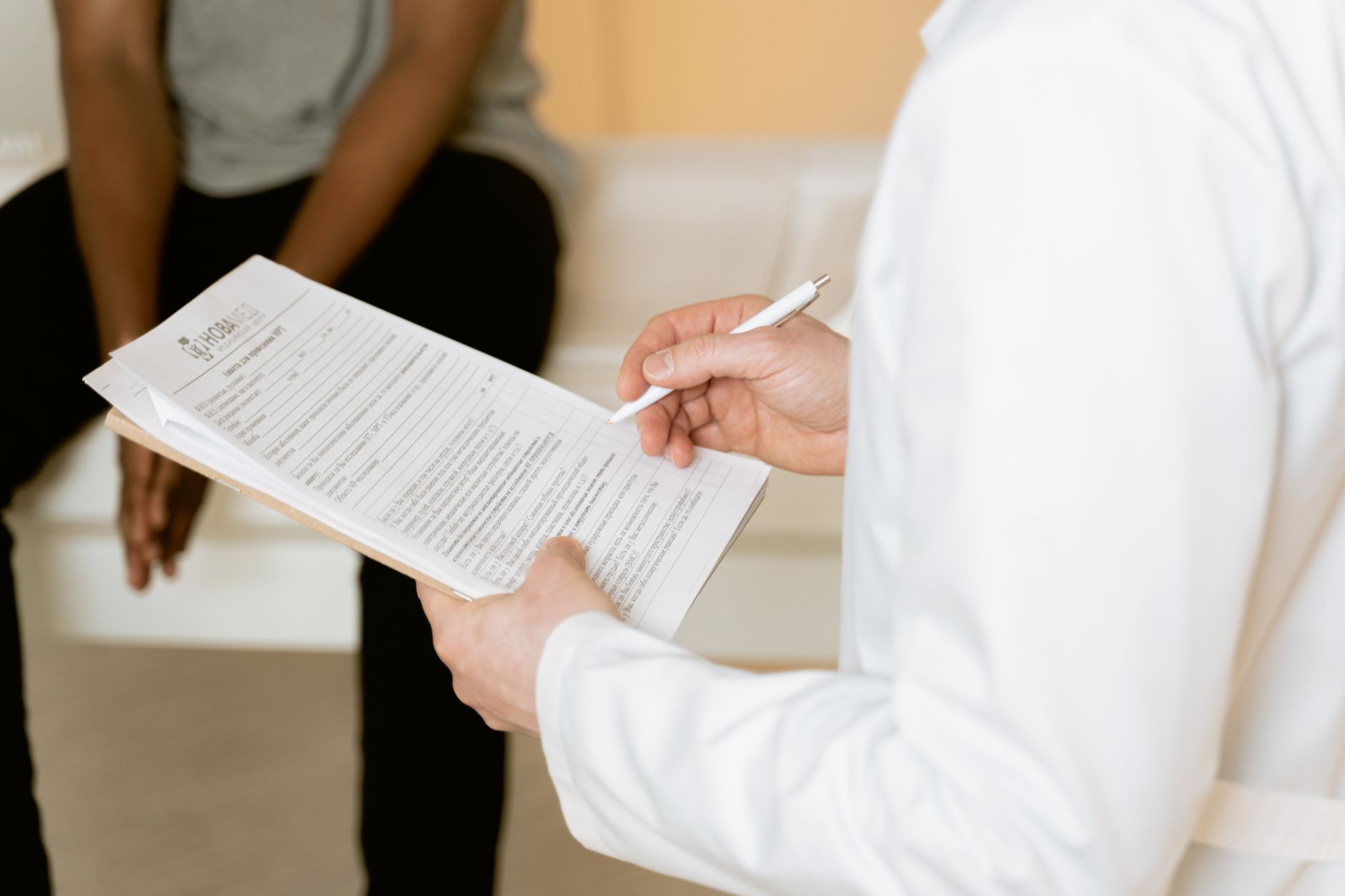
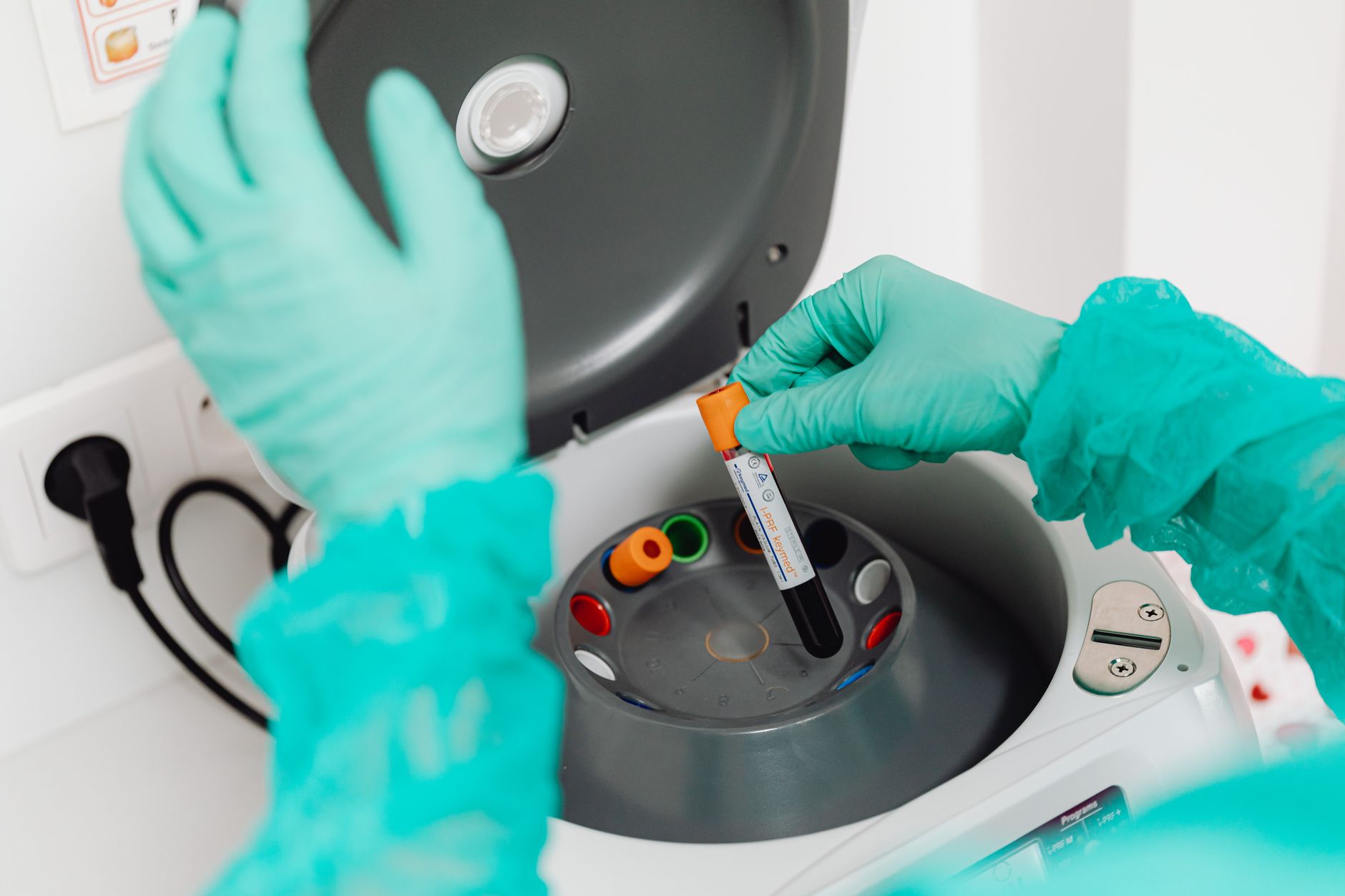
Many Turkish clinics request pre-operative screening so the surgical team can plan safely. Common items include blood tests, an electrocardiogram for older patients, and occasionally a chest X-ray. Women may be asked about pregnancy testing before certain procedures. These checks are routine and reassuring, and they are usually quick to arrange through your local doctor or a private laboratory.
Where possible, complete these tests in your home country within the timeframe the clinic specifies — often a few weeks before travel. Send the results ahead so the clinical team can review them and confirm your fitness for the planned procedure. If something needs repeating, you will know well in advance rather than on arrival.
Turkish clinics are accustomed to receiving results from abroad and will advise on whether translation or specific formats are needed. Keep copies of every report, including images and laboratory printouts, in both paper and digital form. This organised approach keeps your pathway clear and lets your surgeon focus on the treatment itself.

Obtaining a Fitness-to-Fly Letter
A fitness-to-fly letter is a short medical statement confirming that you are well enough to travel by air. Airlines and, occasionally, insurers may request one, particularly after recent surgery, during pregnancy, or when you have a chronic condition. Ask your treating doctor or GP whether a letter is advisable for your journey, and request it early enough to avoid stress near your departure date.
The letter should include your name, dates of travel, destination, the medical condition or procedure involved, and a clear statement that flying is considered safe. It is helpful if your doctor notes any recommended precautions, such as mobility aids, supplemental oxygen or the need to move around the cabin. Most Turkish clinics are pleased to provide or review such documentation, and some offer it as part of their standard international patient service.
Once issued, store the letter with your passport and booking references, and keep a digital copy on your phone. If you are flying home after treatment, the clinic will usually supply a post-operative fitness-to-fly letter before discharge — ask about this at your consultation so you know exactly when to expect it.
Timing Your Health Checks Sensibly
Good timing makes everything easier. A practical sequence is to confirm your treatment date, request the clinic's checklist, book vaccinations and screenings, then arrange your fitness-to-fly letter once results are back. Aim to finish routine checks at least two to four weeks before departure, leaving room for follow-up questions or repeat tests.
Leave a comfortable buffer between your last vaccination or blood test and your flight, and avoid scheduling appointments on consecutive days if you find that tiring. If you are travelling from far away, consider arriving in Türkiye a day or two before your clinic appointment so you can rest and adjust. Turkish clinics routinely help international patients plan this arrival window.
Finally, keep the clinic informed of your progress. A short email confirming that vaccinations are complete and tests have been sent gives your coordinator confidence and lets them finalise your schedule. With these steps in place, you can travel knowing that your health requirements are organised and your focus can stay where it belongs — on your treatment and recovery.

Arriving Prepared: Documents, Medication and Peace of Mind
Pack your health documents as carefully as your suitcase. Carry your vaccination certificates, screening results, fitness-to-fly letter, medication list and clinic correspondence in your hand luggage. Keep prescription medicines in their original packaging with a doctor's note, especially if you carry more than a standard supply.
Türkiye's clinics are known for their warm, well-organised welcome, and arriving with documents in order lets that hospitality work for you from the first greeting. If anything is unclear, ask your coordinator — they handle these questions every day and will guide you with patience and clarity.
Thinking about treatment in Turkey?
Send us a question about this site or about the information published on it. This is a publisher's mailbox, not a medical service and not a route to a particular provider — for clinical questions, contact your own doctor.