

Why the Companion's Role Matters in Turkish Hospitals
In Türkiye, hospitals are not just clinical spaces; they are places where hospitality is woven into care. The Turkish concept of misafirperverlik — a deep-rooted tradition of welcoming guests — extends to patients and their companions. You are not merely allowed to be present; you are often treated as part of the care team. Staff will offer you tea, ensure you have a comfortable seat, and include you in conversations about the patient's condition. This welcoming culture means your role as a companion is valued and can significantly enhance the patient's experience.
However, to be an effective companion, you need to understand what is expected of you and how to navigate the healthcare system alongside your loved one. This handbook is designed to prepare you for that journey. It covers the practical aspects of accompanying a patient to Türkiye: your role in consultations, managing medications, encouraging recovery, and handling paperwork. By the end, you will feel confident and well-prepared to support your friend or family member through their treatment.
Before You Fly: Preparation for Companions
Preparation begins long before departure. First, ensure you have all necessary travel documents: a valid passport (with at least six months validity beyond your planned return), a visa if required (many nationalities can obtain an e-visa online), and travel insurance that covers you as a companion. Check if the hospital provides a letter of invitation for visa purposes. Also, gather the patient's medical records, test results, and a list of current medications (with generic names and dosages). Having these in both English and Turkish (using a translation app or service) will be invaluable.
Pack practical items: comfortable clothing and shoes for long days at the hospital, a notebook and pen for taking notes during consultations, a phone charger and portable battery, and any prescription medications you take personally. Learn a few basic Turkish phrases — merhaba (hello), teşekkür ederim (thank you), yardım (help) — though many hospital staff speak English. Familiarize yourself with the hospital's location, contact details, and the name of your patient's coordinator. Most importantly, discuss with the patient their preferences: what decisions they want you to be involved in, and what they prefer to handle themselves.
Your Role in Consultations: Being the Second Set of Ears
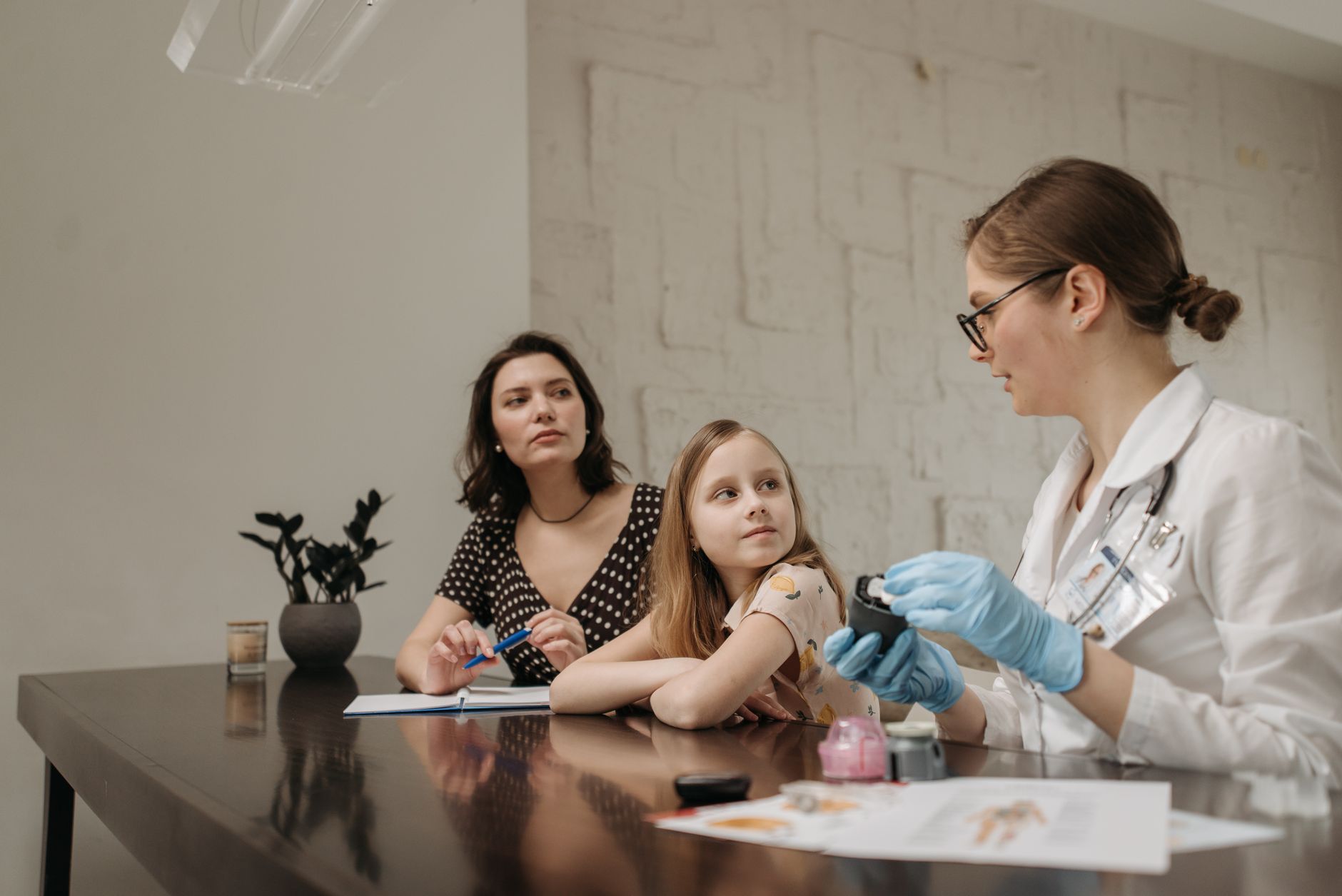
Consultations with doctors can be overwhelming, especially in a foreign country. As a companion, you serve as an extra set of ears and a note-taker. Before the appointment, help the patient compile a list of questions and concerns. During the consultation, listen actively and write down key points: diagnosis, treatment options, risks, and follow-up steps. Don't hesitate to ask for clarification if something is unclear. Turkish doctors are generally patient and willing to explain, but they may use medical terminology; ask them to simplify or provide written information.
It's also helpful to observe the patient's condition and relay any symptoms or concerns they might forget to mention. However, remember that the patient is the primary decision-maker. Your role is to support, not to take over. If the patient feels uncomfortable or confused, you can gently prompt them or ask questions on their behalf. After the consultation, review your notes with the patient to ensure mutual understanding and to plan the next steps.

Medication Management: A Critical Responsibility
Managing medications is one of the most important tasks for a companion. Turkish hospitals typically provide prescriptions, but you may need to purchase medications from a pharmacy (eczane). Pharmacists are knowledgeable and can advise on equivalents if a specific brand is unavailable. Keep a written schedule of all medications, including dosages and times. Use a pill organizer or set alarms on your phone to ensure timely administration. Be vigilant about potential side effects and report any unusual reactions to the medical team immediately.
If the patient is discharged with a new medication regimen, ask the doctor or nurse to explain each medication's purpose, dosage, and potential interactions. It's also wise to keep a medication log, noting the time and dose given, to avoid confusion and to provide accurate information during follow-up visits. Remember that some medications may require refrigeration; check with the hospital or your accommodation about storage options.

Supporting Recovery: Encouragement and Practical Help
Recovery is not just physical; it's emotional. Your presence and encouragement can greatly boost the patient's morale. Celebrate small milestones, offer distractions like books or music, and help with mobility exercises if advised by physiotherapists. In Turkish hospitals, companions are often allowed to stay overnight in the patient's room (though policies vary), so you can provide comfort and assistance during the night. Make sure to also take care of yourself: eat regularly, stay hydrated, and take breaks to avoid burnout.
After discharge, continue to support the patient's recovery at your accommodation. Help with light household tasks, accompany them on short walks as recommended, and ensure they attend follow-up appointments. If the patient needs to adhere to a special diet, you can assist in communicating with restaurants or arranging groceries. Your encouragement and practical help can make a significant difference in the patient's recovery speed and overall well-being.
Navigating Paperwork and Logistics
Medical tourism involves a fair amount of paperwork. As a companion, you can help organize and manage documents. Keep a folder (physical or digital) with copies of the patient's passport, visa, medical records, consent forms, and receipts. Hospitals often provide a medical report and discharge summary; ensure you receive these before leaving. If you need to submit claims to insurance or employers, ask for itemized bills and necessary certificates. The hospital's international patient department can assist with this and may provide translations.
Logistics like scheduling appointments, arranging transportation, and coordinating with the hospital's international office can be time-consuming. Offer to handle these tasks so the patient can focus on rest. Use ride-hailing apps or hospital-provided shuttles for transport. If you encounter language barriers, don't hesitate to ask the hospital's interpreter services or use translation apps. Keeping everything organized will reduce stress for both of you.
Embracing Turkish Hospitality: The Companion's Experience
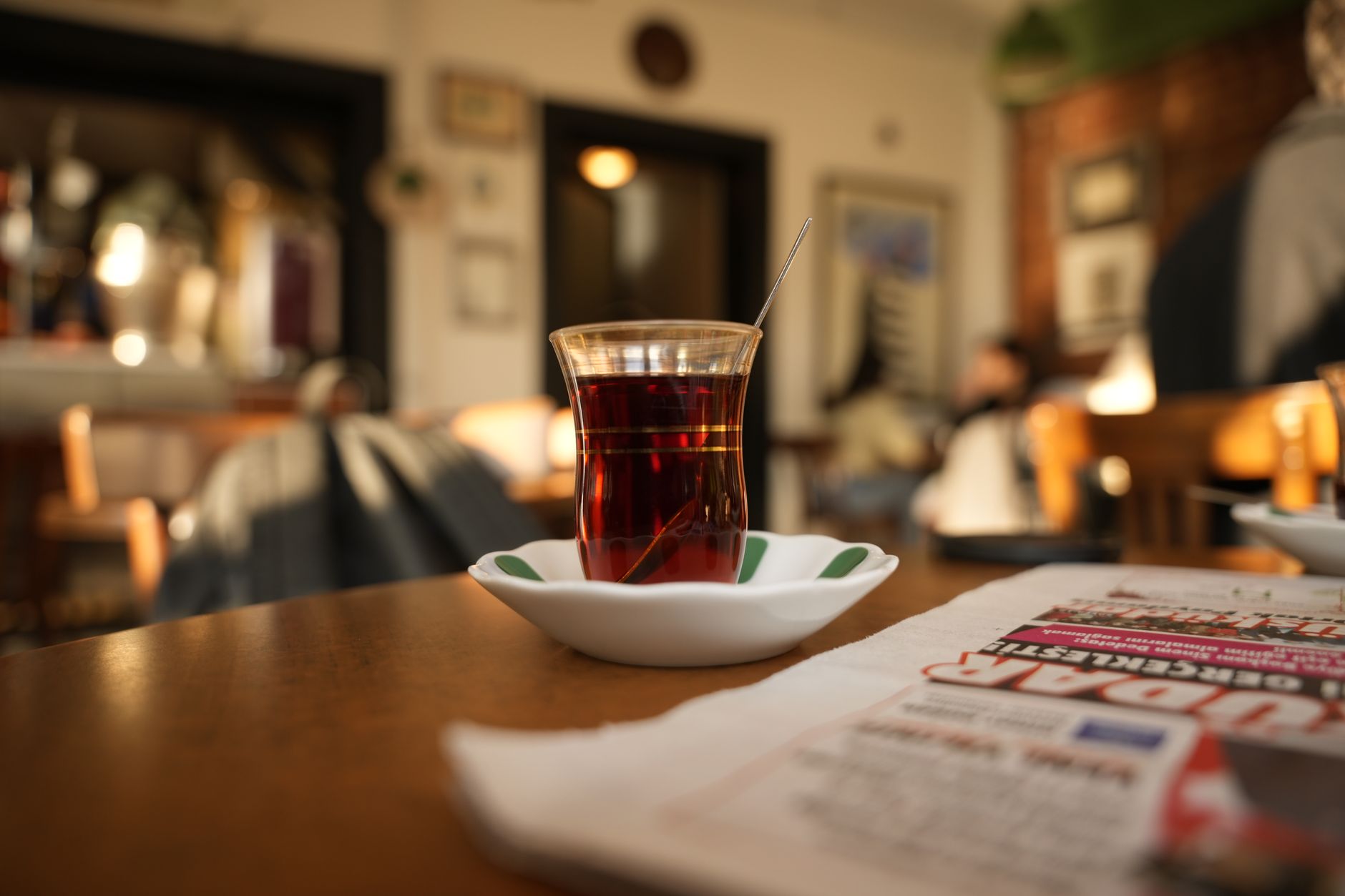
One of the joys of accompanying a patient to Türkiye is experiencing the warmth of Turkish hospitality. You'll likely be offered tea or coffee frequently — accept it as a gesture of goodwill. Hospital staff may go out of their way to make you comfortable, and you might be invited to share meals with other families. Embrace these moments; they can provide emotional support and a sense of community. However, be mindful of cultural norms: dress modestly, especially in conservative areas, and always ask before taking photos.
Take advantage of any free time to explore Istanbul's rich history and cuisine, but prioritize the patient's needs. A short walk to a nearby park or a visit to a café can be a welcome break. Remember that your well-being is essential to being a good companion. By balancing caregiving with self-care, you'll be better equipped to support your loved one throughout the journey.
Thinking about treatment in Turkey?
Send us a question about this site or about the information published on it. This is a publisher's mailbox, not a medical service and not a route to a particular provider — for clinical questions, contact your own doctor.