

Why Documentation Matters When You Treat Abroad
Choosing to have treatment in Türkiye is often a decision driven by excellent clinical standards, shorter waiting times and very reasonable prices. Yet the part that quietly determines whether the whole experience feels smooth is paperwork. A well-prepared set of documents is what allows your insurer, your employer's health plan or a national reimbursement scheme to understand exactly what was done, why it was necessary and what it cost.
The good news is that Turkish clinics have become exceptionally good at this. Because so many of their patients travel from Europe, the Gulf, the UK and beyond, producing clear, itemised and internationally understandable documentation is not an afterthought but a routine part of the patient journey. Hospitals that serve international patients typically have a dedicated international department whose job is precisely to prepare the right paperwork for insurance and reimbursement purposes.
This guide explains what those documents usually look like, how Turkish providers structure invoices, treatment reports and medical coding, and how you can make the reimbursement process back home as simple as possible. The overall message is reassuring: with a little preparation, the administrative side of medical travel to Türkiye can be genuinely well organised and transparent.
What a Detailed Turkish Medical Invoice Typically Contains
A Turkish hospital invoice prepared for an international patient is usually far more detailed than the simple receipt many travellers expect. Instead of a single total, you will normally receive an itemised breakdown in which every service, procedure, medication, consumable and night of accommodation appears on its own line with a description and a price.
Typical entries include consultation and examination fees, laboratory and imaging investigations, surgeon and anaesthetist fees, operating theatre charges, implants or prosthetics, medication, nursing care, room category and length of stay, and any follow-up appointments. Each line usually shows the date, the quantity, the unit price and the line total, and the invoice itself carries the hospital's full legal name, address, tax identification number and contact details.
Most international departments issue invoices in English or provide a certified English translation alongside the Turkish original, and many can also supply the amount in a widely used currency or reference the exchange rate applied. Payment receipts for deposits, card payments or bank transfers are normally attached so that the insurer can see the money actually changed hands. That level of granularity is exactly what claims assessors need, and it is one of the quiet strengths of Turkish medical administration.
Tip: ask the international patient coordinator for a "detailed itemised invoice suitable for insurance reimbursement" before you travel. Most clinics prepare this as standard, and stating it in advance avoids any back-and-forth later.

Treatment Reports and Medical Records: Clarity From Admission to Discharge
Alongside the invoice, you will usually receive a discharge summary or treatment report. This document is the clinical narrative of your visit: your presenting complaint, relevant medical history, the diagnosis, the procedure performed, the technique and materials used, the anaesthesia given, your recovery course in hospital and the follow-up plan.
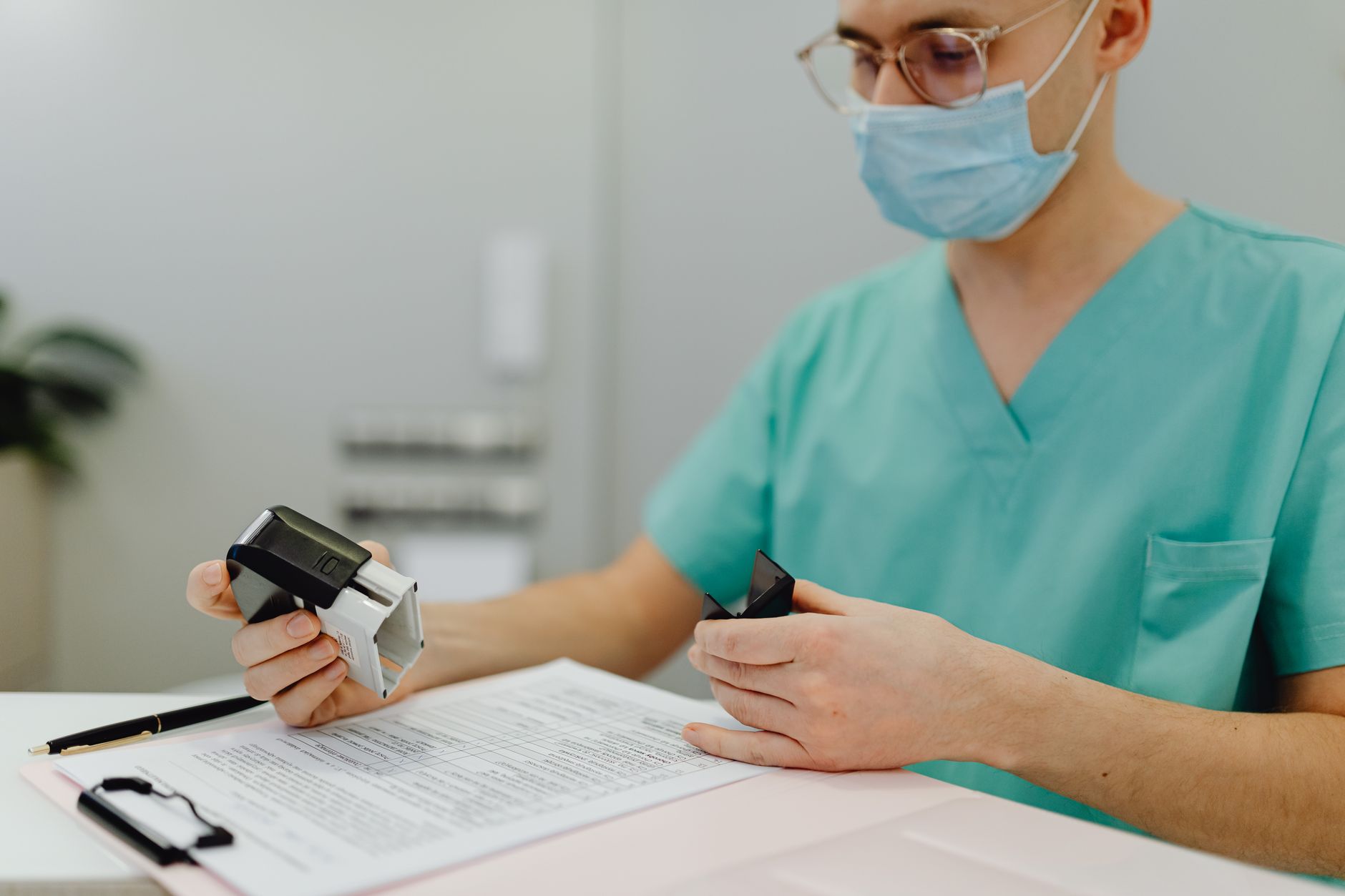
Turkish hospitals generally structure these reports in a format that reads easily to a foreign clinician or insurance medical officer. They are signed and stamped by the treating physician and the hospital, and increasingly they are issued in English as well as Turkish. Supporting documents such as operative notes, pathology and laboratory results, radiology reports and imaging on a CD or secure download link are commonly included on request.
What many patients appreciate is the sense of completeness. Rather than a brief note, the report often anticipates the questions an insurer might ask — for example, explaining why a procedure was medically indicated, documenting any pre-existing conditions addressed, and noting complications or their absence. This professionalism makes it easier for a physician back home to review your care and for a claims team to approve reimbursement without chasing missing information.
Medical Coding: The Language Insurers Understand
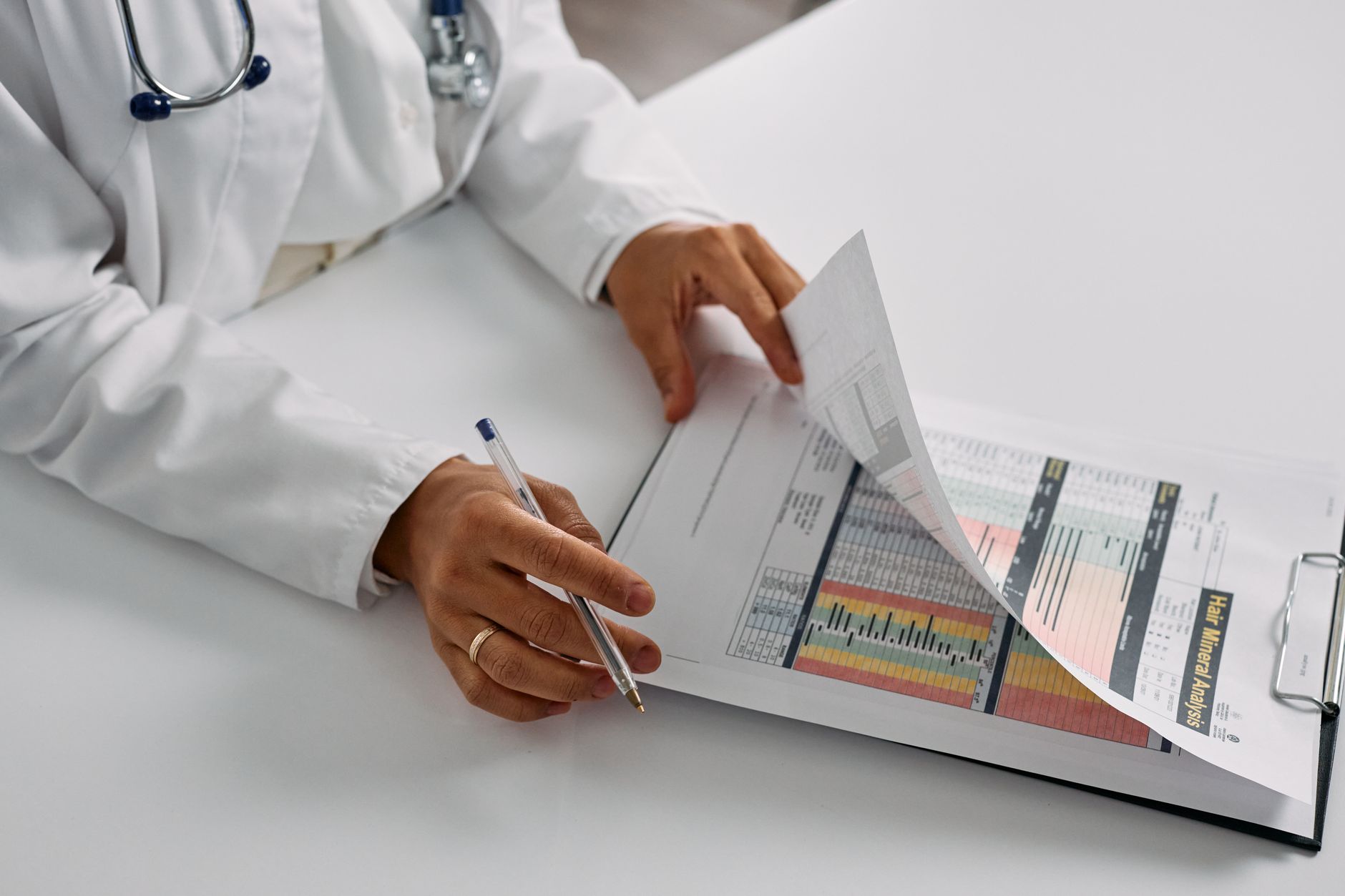
Insurance systems around the world run on codes. Procedures are described using systems such as ICD-10 for diagnoses and CPT or national equivalents for procedures, and a claim without recognisable codes can stall. Recognising this, many Turkish private hospitals serving international patients include diagnostic and procedure codes on their invoices and reports.
It is common to see the ICD-10 diagnosis code printed next to the diagnosis and procedure codes or descriptions listed against each surgical or diagnostic line item. Some hospitals also map their internal service names to international coding systems and can provide this mapping on request. If your insurer requires a specific national code set, the international department can usually liaise with your insurer's requirements or provide a description detailed enough for the insurer to map it themselves.
This coding practice reflects a broader culture of transparency in Turkish medical documentation. The aim is not merely to satisfy bureaucracy but to make the patient's file legible to any authorised party — insurer, employer, embassy or home physician — without ambiguity. When you receive your documents, check that each diagnosis and procedure carries a code or clear description, and ask the coordinator to clarify anything that looks unexplained.
How to Prepare Before You Travel
The smoothest reimbursements begin before departure. Start by contacting your insurer or national health scheme and asking, in writing, what documentation they require for treatment abroad. Keep that list and share it with your chosen Turkish clinic's international department — they are used to such requests and can confirm which items they can provide.
Gather your own paperwork as well: passport, policy number and insurer contact details, pre-authorisation letters if your insurer issues them, referral letters from your home doctor where required, and any previous medical records relevant to your treatment. Many insurers require pre-authorisation for planned surgery abroad, so secure this before booking.
Finally, confirm practical details with the clinic: the language of the invoice and reports, whether certified translations are included, how imaging and laboratory results will be delivered, and who your point of contact will be after discharge. A short email exchange now can save weeks later, and Turkish international departments are generally quick and helpful in responding.
Step by Step: Making the Claim Back Home
- Collect everything at discharge. Before you leave the hospital, ask for the itemised invoice, payment receipts, discharge summary, operative report, laboratory and imaging results, and any prescriptions — all signed and stamped, preferably in English or with translation.
- Check completeness immediately. Review the documents while still in Türkiye. If a page is missing or a code unclear, it is far easier to resolve on site than by international email later.
- Submit to your insurer or scheme. Follow their preferred channel — portal, app or post — and include a short cover letter summarising dates, diagnosis and treatment.
- Respond promptly to queries. If the insurer asks for clarification, your clinic's international coordinator can usually provide a supplementary letter or explanation quickly.
- Keep copies. Retain digital and paper copies of everything for your records and for any follow-up care at home.
Patients frequently report that the process is more straightforward than expected, precisely because Turkish providers deliver such complete documentation. The key is to treat paperwork as part of your treatment plan rather than an afterthought.
Transparency, Professionalism and Peace of Mind
What stands out about Turkish medical documentation is its consistency and its tone of openness. Clinics that welcome international patients understand that trust is built as much through clear bills and readable reports as through clinical outcomes. Itemised invoices, coded diagnoses, signed and stamped reports and English-language versions are all part of a service culture that treats the patient as a partner.
This transparency also protects you. When every cost and every procedure is documented, there are no surprises, and any question from an insurer can be answered with evidence rather than guesswork. Many patients find that the documentation they receive in Türkiye is more detailed than what they would receive at home.
With a little preparation, the administrative side of your medical journey can be as well organised as the clinical care. Ask questions, share your insurer's requirements early, collect your documents before discharge, and keep copies. Do that, and claiming back home becomes a routine step rather than a hurdle — leaving you free to focus on recovery.
Thinking about treatment in Turkey?
Send us a question about this site or about the information published on it. This is a publisher's mailbox, not a medical service and not a route to a particular provider — for clinical questions, contact your own doctor.