

Why Türkiye Has Become a Hub for Vascular and Vein Care
Türkiye has quietly become one of the world's most established destinations for vascular surgery, and vein treatment in particular. Istanbul alone hosts dozens of private vascular centres staffed by surgeons who trained in Europe and North America, many of whom hold memberships in international phlebology and vascular societies. The combination of high procedure volumes, modern equipment and competitive pricing has drawn patients from the UK, Germany, the Gulf and beyond for treatments that range from simple varicose vein ablation to complex circulatory assessment.
What distinguishes the strongest clinics is not just price. Turkish vascular centres tend to be procedure-focused: rather than offering every specialty under one roof, the best units concentrate on venous and arterial disease, running dedicated duplex ultrasound laboratories, dedicated operating theatres for endovascular work, and outpatient follow-up pathways designed around international patients who need to fly home within days.
For anyone considering treatment abroad, the appeal is practical. Waiting lists in many public health systems can stretch for months for what is often considered a "non-urgent" vein procedure, even when symptoms — aching, swelling, skin changes, restless legs — are affecting daily life. Türkiye offers a route to assessment and treatment within weeks, in accredited hospitals, with English-speaking coordinators and transparent all-inclusive pricing.
This guide focuses on the modern, minimally invasive side of vascular care: endovenous laser ablation (EVLA), radiofrequency ablation (RFA), ultrasound-guided foam sclerotherapy, and the day-case model that lets most patients walk out the same afternoon. It also explains what happens before treatment, how recovery works around walking, and how compression-stocking plans continue after you land back home.
Understanding Varicose Veins and Circulation Before You Travel
Varicose veins are not simply a cosmetic concern. They are a sign of venous insufficiency — a failure of the one-way valves inside the leg veins that should push blood back toward the heart. When those valves leak, blood pools in the lower leg, raising pressure in the superficial venous system. Over time this produces the visible bulging veins most people recognise, but also symptoms that are easy to dismiss: heaviness, throbbing, night cramps, ankle swelling and, in advanced cases, skin discolouration or even ulceration.
Arterial circulation is a separate but related issue. Peripheral arterial disease (PAD) causes narrowing of the arteries, often presenting as cramping pain in the calf when walking — a symptom known as intermittent claudication. Because the early signs of venous and arterial problems can overlap, a proper vascular assessment must distinguish between them. Treating a vein without checking the arteries, or vice versa, is poor practice anywhere in the world.
This is why reputable Turkish clinics begin with a clinical history and physical examination, then move to imaging. If you arrive with a previous diagnosis or recent scan, bring it — but expect the centre to repeat key measurements on arrival. Venous disease can progress, and surgical planning depends on the current state of your veins, not last year's report.
It also helps to arrive prepared with context: how long symptoms have lasted, whether you have had a clot (deep vein thrombosis) before, family history, pregnancies, time spent standing at work, and any anticoagulant medication. These details shape whether endovenous treatment is appropriate, and which technique the surgeon will favour.
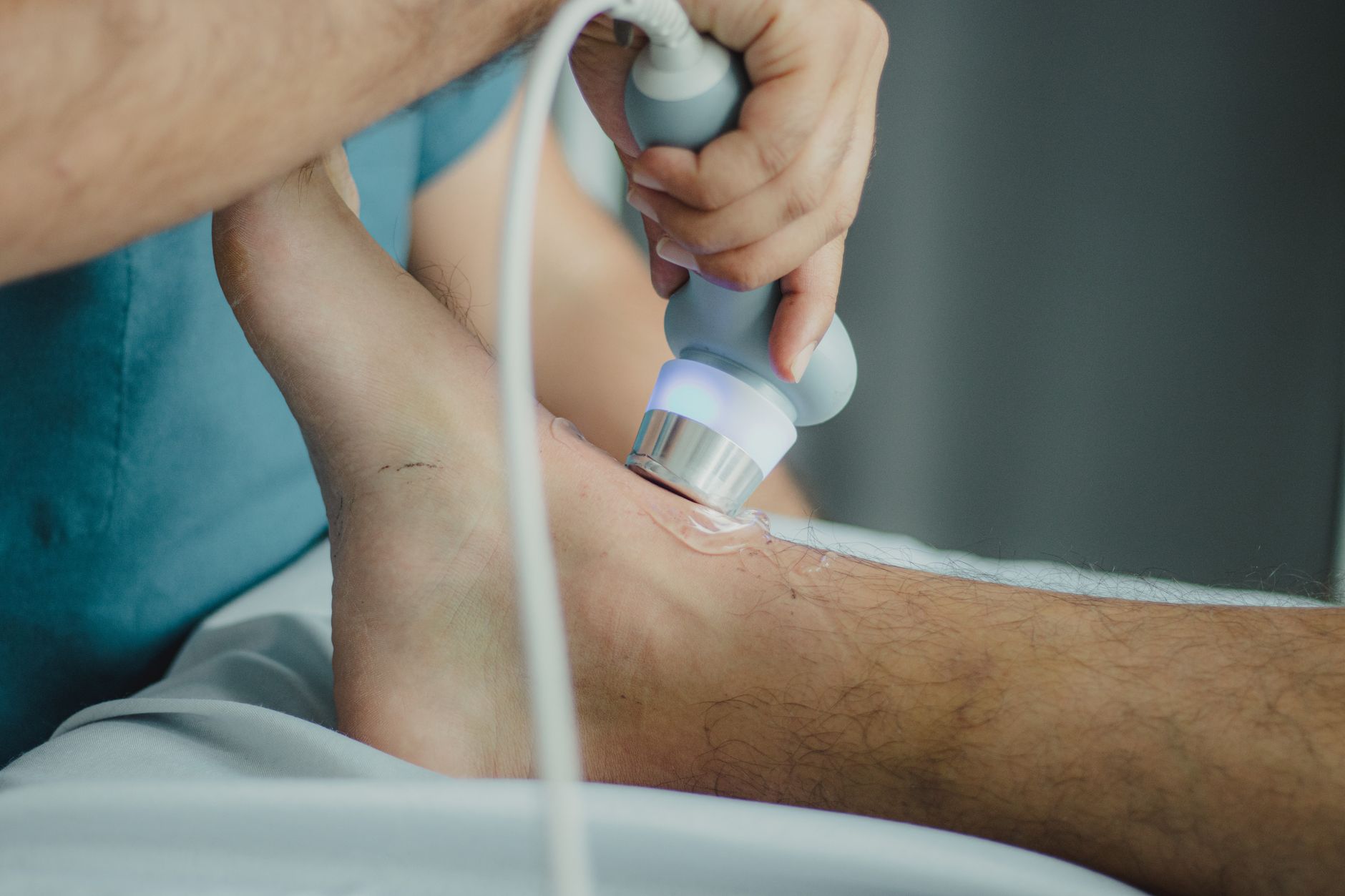
Duplex Ultrasound Assessment on Arrival: The Step That Decides Everything
The single most important appointment in your vein treatment journey is the pre-operative duplex ultrasound. In Türkiye's leading vascular centres this is usually scheduled on the day of arrival or the following morning, and it typically takes 30 to 45 minutes. A vascular sonographer or the operating surgeon maps the superficial and deep venous systems, measuring vein diameters, checking valve competence, and identifying exactly where reflux originates — commonly at the saphenofemoral or saphenopopliteal junction.
This scan is what makes minimally invasive treatment possible. By pinpointing the incompetent segment, the surgeon can plan a targeted ablation rather than a large open stripping operation. It also allows the team to rule out deep vein thrombosis, which would change the plan entirely, and to check the arteries with a simple ankle-brachial pressure index where there is any doubt about circulation.
Many clinics perform the duplex scan and the procedure in a single visit. If the findings match expectations, you may be treated the same day or the next morning. If the scan reveals something unexpected — a more complex reflux pattern, a clot, or arterial disease that needs separate attention — a good centre will explain the change and revise the plan rather than proceed mechanically.
Ask for a written report and images before you leave the clinic. This document matters for your follow-up at home and for your GP or vascular specialist, and it is your record of what was actually found. Reputable centres provide this as standard, in English.
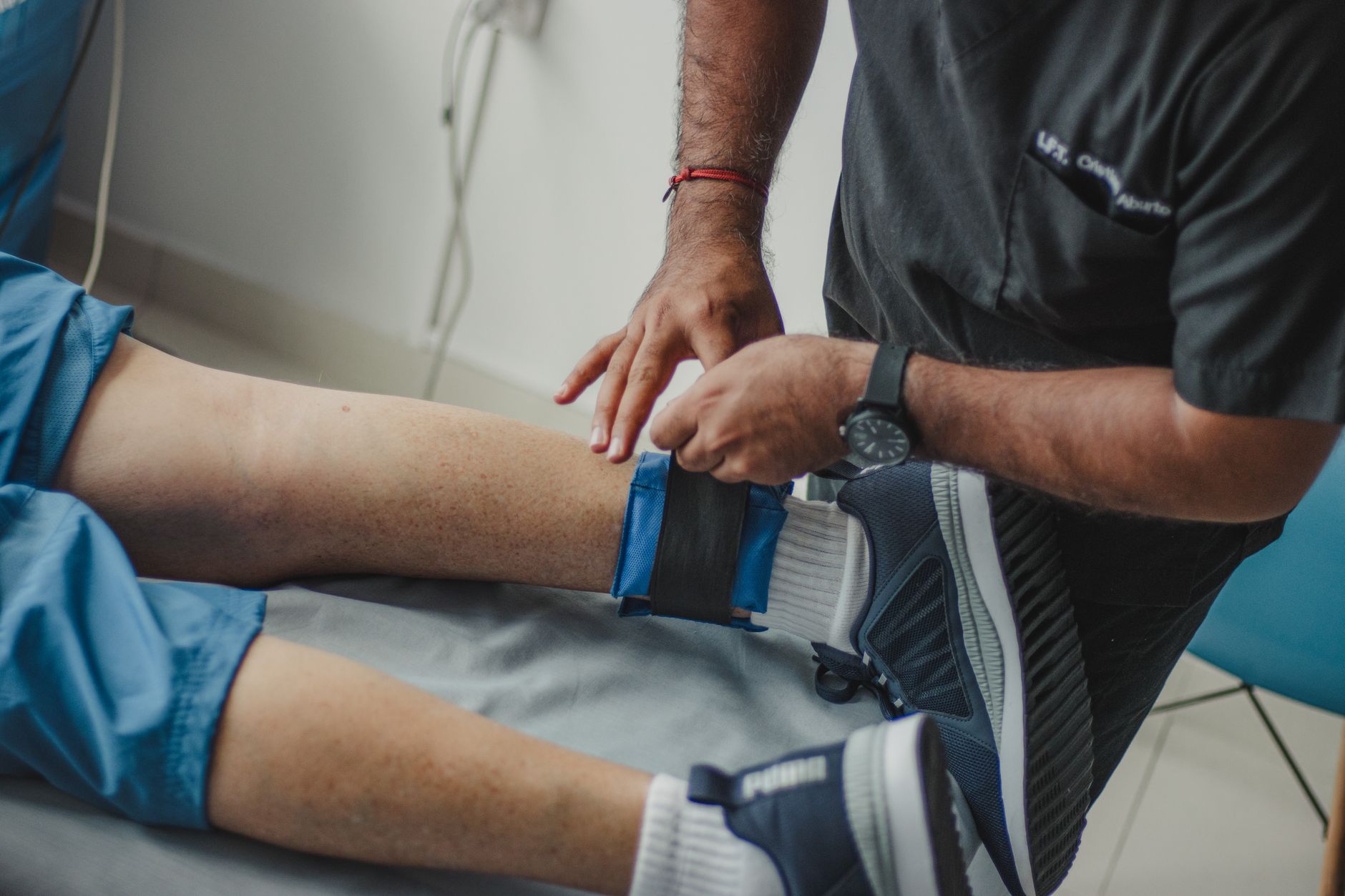
Endovenous Laser and Radiofrequency Ablation: The Modern Standard
Endovenous laser ablation (EVLA) and radiofrequency ablation (RFA) have largely replaced traditional vein stripping for the great saphenous vein and other large truncal veins. Both are performed through a tiny puncture, usually under local anaesthetic with or without light sedation. A thin fibre or catheter is positioned inside the vein under ultrasound guidance, and thermal energy is delivered along its length, sealing the vein closed. Blood then reroutes through healthy deep and perforating veins.
The differences between laser and radiofrequency are modest in skilled hands. RFA tends to be associated with slightly less post-procedural bruising and discomfort, while EVLA offers flexibility in energy delivery for different vein diameters. Both achieve closure rates above 90 percent in contemporary series. The choice usually comes down to the surgeon's experience and the anatomy of your particular veins — a decision best made after the duplex scan, not before.
Smaller tributary veins and spider veins are typically managed with ultrasound-guided foam sclerotherapy or microsclerotherapy, often in the same session or a few weeks later. Foam sclerotherapy involves injecting a sclerosant that irritates the vein wall and causes it to close. It is quick, well tolerated and does not require anaesthesia for most patients.
Most Turkish centres perform these procedures as day cases. You will spend a few hours in the clinic — including preparation, the procedure itself (often 30 to 60 minutes), and a short observation period — then walk out with a compression stocking in place. General anaesthesia is rarely needed, which substantially reduces recovery time and the risks associated with sedation.

Walking-Based Recovery: What to Expect Day by Day
The recovery advice you will hear repeatedly in a good vascular centre is simple: walk. Early mobilisation is the cornerstone of modern vein recovery, reducing the risk of deep vein thrombosis and helping the treated leg settle. You should be on your feet and walking within an hour or two of the procedure, and aim for regular short walks — 15 to 30 minutes, several times a day — for the first week.
The first 48 hours typically bring some bruising, tightness and a pulling sensation along the treated vein. Over-the-counter pain relief is usually sufficient, and many patients need none at all. Swelling is common and settles within a week or two. You may notice hardness or a cord-like feeling under the skin along the ablated vein; this is normal and resolves over several weeks. Avoid strenuous exercise, heavy lifting and prolonged standing for around one to two weeks, but keep walking daily.
Most patients can return to desk work within two to four days, and to normal activity — including gentle gym work — after about two weeks, depending on the extent of treatment and your surgeon's advice. Long-haul travel is the exception: clinics generally advise waiting at least five to seven days after treatment before flying, and sometimes longer for extensive procedures or if you have additional risk factors for clotting.
Ask your surgeon for a written recovery plan with clear dates: when to remove or change the stocking, when to resume exercise, when to fly, and when the follow-up duplex scan should happen. A good centre will also give you a direct contact for questions during the first week, which is when most concerns arise.
Compression Stockings: The Plan That Continues After You Fly Home
Compression therapy is not an afterthought in vein treatment — it is part of the treatment. After endovenous ablation, a graduated compression stocking helps maintain closure of the treated vein, reduces swelling and bruising, and supports comfortable walking. Protocols vary between centres, but a common schedule is continuous daytime wear for the first few days, followed by daytime-only wear for one to two weeks, tapering according to healing and the follow-up scan.
The critical point for medical travellers is continuity. Before you leave Türkiye, make sure you know the exact class and size of stocking you have been given, how long you should wear it each day, and when it should be removed. Ask for a spare pair if possible, and confirm whether your surgeon wants you to wear compression during the flight home — many do, and some recommend additional measures such as aisle seats, hydration and periodic walking on longer flights.
Once home, arrange your follow-up duplex scan at the recommended interval, usually around four to six weeks. Local vascular services, GP practices and specialist vein clinics can usually accommodate this, but book it before you travel if you can. Send the scan report back to your Turkish surgeon if they have offered remote review, which many centres now do by email or video call.
If you notice increasing pain, marked swelling in the whole leg, redness spreading beyond the treated area, shortness of breath or chest pain, seek medical attention immediately — these are red flags for clot-related complications and should never wait for a scheduled review.
Choosing a Clinic, Planning the Trip and Getting Real Value
Türkiye's vascular sector is varied, and quality is not uniform. Look for centres that are explicit about accreditation — JCI-accredited hospitals, ISO-certified clinics, or membership of international vascular and phlebology societies. Ask who will perform the duplex scan, who will perform the procedure, and what their case volumes are. A surgeon who performs endovenous ablation weekly will have different outcomes from one who does it occasionally.
Be cautious of packages that promise a fixed procedure before any assessment. Legitimate clinics price after the scan, or quote a range with clear conditions. Ask what is included: consultation, duplex ultrasound, the procedure, consumables, compression stockings, medication, follow-up scan and transfers. Ask what happens if the scan shows you are not a candidate — a fair clinic will explain and refund the unused portion.
Practical logistics matter too. Istanbul's major hospitals cluster around Şişli, Nişantaşı and the Asian-side medical districts, with good links to the city's two international airports. Allow at least three to four nights in the city for assessment, treatment and early recovery, and a further few days before flying if your surgeon advises it. Combine this with a gentle walking-based recovery — short strolls along the Bosphorus are ideal physiotherapy — rather than ambitious sightseeing.
Finally, treat the trip as the start of a care pathway, not a one-off transaction. The best outcomes come from patients who arrive with their history, complete the duplex assessment honestly, follow the walking and compression plan, attend follow-up at home and stay in contact with their surgeon. Türkiye's modern vascular centres are well equipped to deliver that pathway — the rest is planning, and a good pair of walking shoes.
Thinking about treatment in Turkey?
Send us a question about this site or about the information published on it. This is a publisher's mailbox, not a medical service and not a route to a particular provider — for clinical questions, contact your own doctor.