

Why Türkiye Has Become a Magnet for Vein Care
Türkiye has quietly transformed into one of the world's most respected destinations for vascular and vein treatment, and international patients are noticing in ever-growing numbers. Cities like Istanbul, Ankara, Izmir and Antalya are home to modern, JCI-accredited hospitals and specialised vascular centres where board-certified specialists treat everything from simple spider veins to complex chronic venous insufficiency. The combination of advanced European-standard technology, high-volume clinical experience and genuinely accessible pricing has turned a niche medical trip into an easy, even appealing, short break.
The numbers tell a confident story. Turkish vascular surgeons perform tens of thousands of vein procedures each year, and many clinics dedicate entire departments to endovenous work alone. That volume matters: experienced hands produce consistent results, and teams who treat veins every single day become exceptionally skilled at matching the right technique to the right patient. Add English-speaking coordinators, streamlined appointment pathways and aftercare that follows you home, and it is easy to see why patients from the UK, Germany, the Gulf, Russia and beyond choose Türkiye.
There is also a lifestyle bonus that few medical destinations can match. Your treatment can unfold against the backdrop of the Bosphorus, the Aegean coast or the dramatic landscapes of Cappadocia, turning recovery into something that feels closer to a holiday than a hospital visit. The result is a reassuring blend of clinical excellence and warm Turkish hospitality.
For international patients researching varicose vein treatment abroad, Türkiye offers a rare alignment of quality, speed and value. This guide walks you through the assessment process, the short procedure day, modern minimally invasive techniques and the quick return to normal activity that most patients enjoy.
The Specialists Behind Türkiye's Vascular Care
Turkish vascular care is built on a foundation of rigorous medical education and specialist training. Many of the country's leading vascular surgeons and interventional radiologists trained in Türkiye's top medical faculties and completed fellowships in Europe or North America before returning to practise. They are members of international vascular and phlebology societies, regularly present at global congresses and publish in peer-reviewed journals, so the expertise you meet in a Turkish clinic is part of a genuinely international conversation.
What distinguishes the best centres is team-based, sub-specialised care. A vein patient may be assessed by a vascular surgeon with a dedicated interest in venous disease, supported by interventional radiologists who perform image-guided procedures and sonographers who map the venous system in detail. This collaborative model means your treatment plan is never a one-size-fits-all decision, but a carefully considered recommendation based on your anatomy, symptoms and lifestyle.
Beyond technical skill, patients consistently highlight communication as a highlight of their Turkish experience. English-speaking physicians and dedicated international patient departments explain diagnoses clearly, discuss options honestly and provide written summaries and follow-up plans in your language. You will not be left guessing what was done or what comes next.
Many clinics also maintain formal partnerships with European and Gulf institutions, and some accept a range of international insurance arrangements. Ask your coordinator about documentation for reimbursement at home, and you will find the administrative side of cross-border care refreshingly well organised.
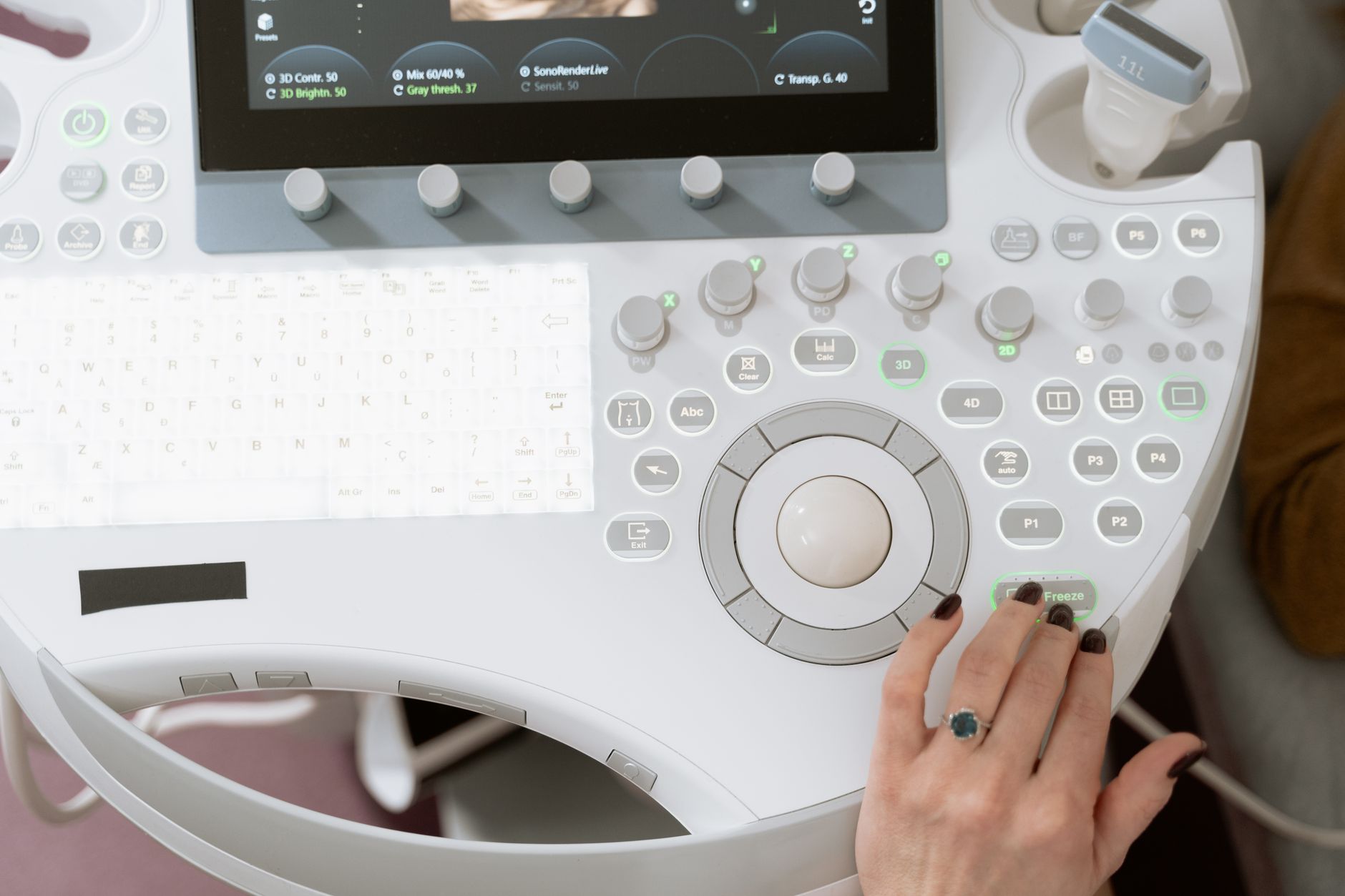
Your Assessment: Modern Diagnostics Before Any Treatment
Every excellent vein outcome begins with an excellent assessment, and Türkiye's vascular centres take this stage seriously. Most patients start with a pre-arrival review in which they share photos and a brief medical history, allowing the clinic to schedule the right specialists and estimate the time you will need in the country. This initial exchange is usually free and gives you a realistic preview of your treatment plan.
On arrival, the cornerstone of your assessment is a detailed colour Doppler ultrasound, a painless imaging study that maps the superficial and deep venous systems, identifies incompetent valves and confirms the source of your varicose or spider veins. Your vascular specialist will combine these findings with a physical examination and a conversation about your symptoms, which may include aching, heaviness, swelling, skin changes or cosmetic concerns. This careful workup ensures that treatment addresses the root cause rather than merely the visible surface.
Diagnostics are fast and remarkably thorough. Where needed, clinics can arrange additional imaging such as CT venography, and all findings are discussed with you face to face. You will leave the assessment knowing exactly which veins need attention, which techniques are recommended, how long the procedure will take and what recovery looks like. Cost transparency is part of the package: reputable centres provide written quotes that outline procedures, anaesthesia, compression garments and follow-up appointments, so there are no surprises.
This level of preparation is possible because assessment and treatment can be coordinated in a single visit, often across two or three days. For the international patient, that means less time away from work and family while still receiving fully informed, technically rigorous care.
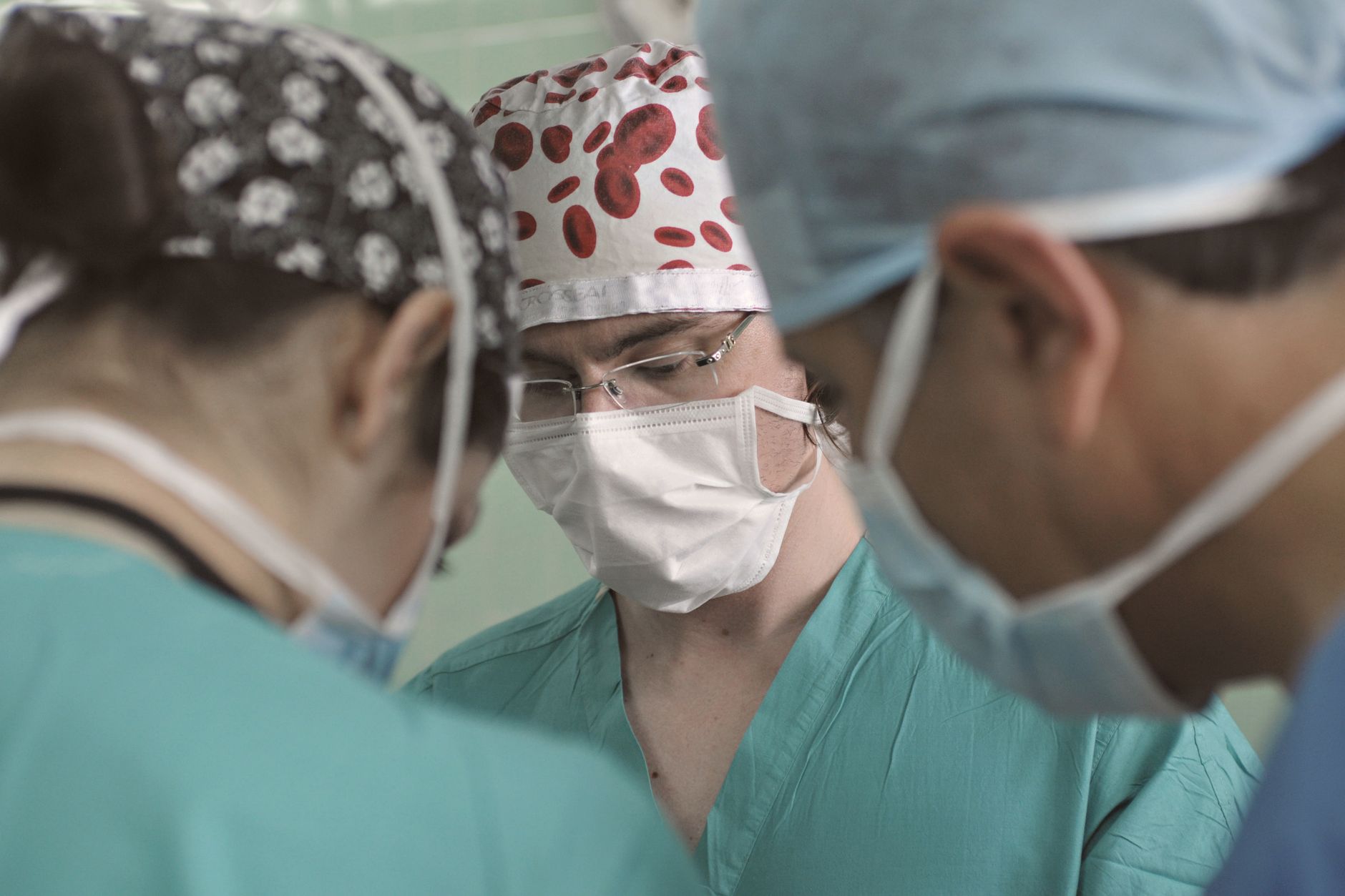
Minimally Invasive Techniques: The Heart of Modern Vein Treatment
The most striking feature of vein care in Türkiye today is how little disruption it causes. Traditional surgical vein stripping has been almost entirely replaced by minimally invasive, catheter-based and image-guided techniques that are performed under local anaesthesia, often as day-case procedures. The range of options rivals that of any leading European centre, and your specialist will choose the approach that best fits your veins.
Endovenous laser ablation (EVLA) and radiofrequency ablation (RFA) are the workhorses for larger varicose veins. A thin fibre or catheter is introduced into the diseased vein through a tiny puncture, and controlled energy closes it from within. The vein is then gradually absorbed by the body, and blood reroutes through healthy channels. These procedures typically take 30 to 60 minutes and require only local anaesthetic. Ultrasound-guided foam sclerotherapy suits medium-sized veins and recurrences, while VenaSeal medical adhesive offers a non-thermal option that seals the vein with a medical glue and often avoids the need for compression stockings entirely.
For smaller vessels and cosmetic concerns, microsclerotherapy and surface laser or intense pulsed light deliver precise, walk-in-walk-out treatment for spider veins and thread veins. Mechanochemical ablation (MOCA) and cyanoacrylate closure round out the toolkit, each with particular advantages depending on vein diameter and location. Many centres also excel in pelvic vein embolisation for patients whose varicose veins stem from pelvic congestion, and in the management of venous leg ulcers with advanced wound care and compression therapy.
The unifying theme is precision and comfort. Local anaesthesia means no general anaesthetic, no groggy recovery and substantially lower risk than open surgery. Most patients walk out of the procedure room unaided, with tiny puncture marks rather than incisions. The technology on offer is current, well maintained and used by specialists who perform these procedures weekly, which is exactly the volume that builds durable expertise.
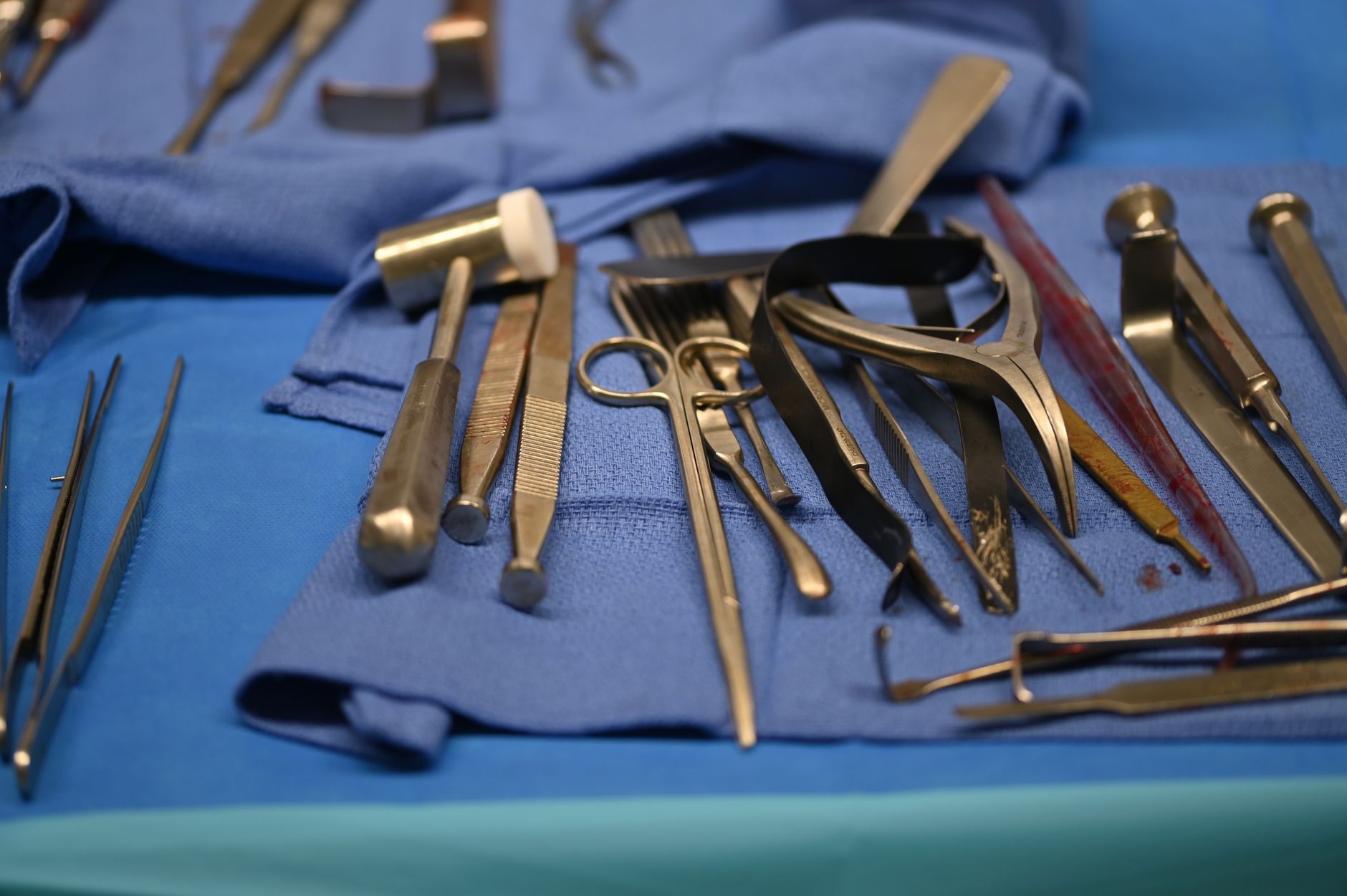
Procedure Day: Short, Comfortable and Reassuring
Procedure day in a Turkish vein clinic is refreshingly calm. You arrive, meet your specialist and the nursing team, and confirm any last questions. After a final ultrasound check to mark the treatment areas, you are prepared and brought to a modern procedure suite. Local anaesthetic is administered, and the treatment proceeds with you awake and comfortable, able to talk with the team throughout.
Because the techniques are minimally invasive, most sessions finish within an hour or less. You are then moved to a comfortable recovery area for observation, typically one to two hours, where the team checks your comfort, reviews post-procedure care and helps you into compression stockings if your treatment requires them. Many patients are hungry by then, and it is a well-known pleasure of Turkish clinics that a light meal and a cup of tea are never far away.
Amazingly, most patients walk out and return to their hotel the same day. Your specialist will provide clear instructions: short, regular walks to encourage healthy circulation, guidance on when to wear compression, and what to expect in the first week. A follow-up ultrasound, often scheduled for the next day or a few days later, confirms that the treated veins have closed as intended. For international patients staying in the city, this is the moment to enjoy a gentle walk along the waterfront or an early dinner, rather than a week in a hospital bed.
The contrast with traditional surgery is striking. No general anaesthesia, no stitches, no long ward stay and a dramatically quicker return to daily life. It is this combination of clinical rigour and minimal disruption that makes Türkiye's vein centres so compelling for people with busy lives.
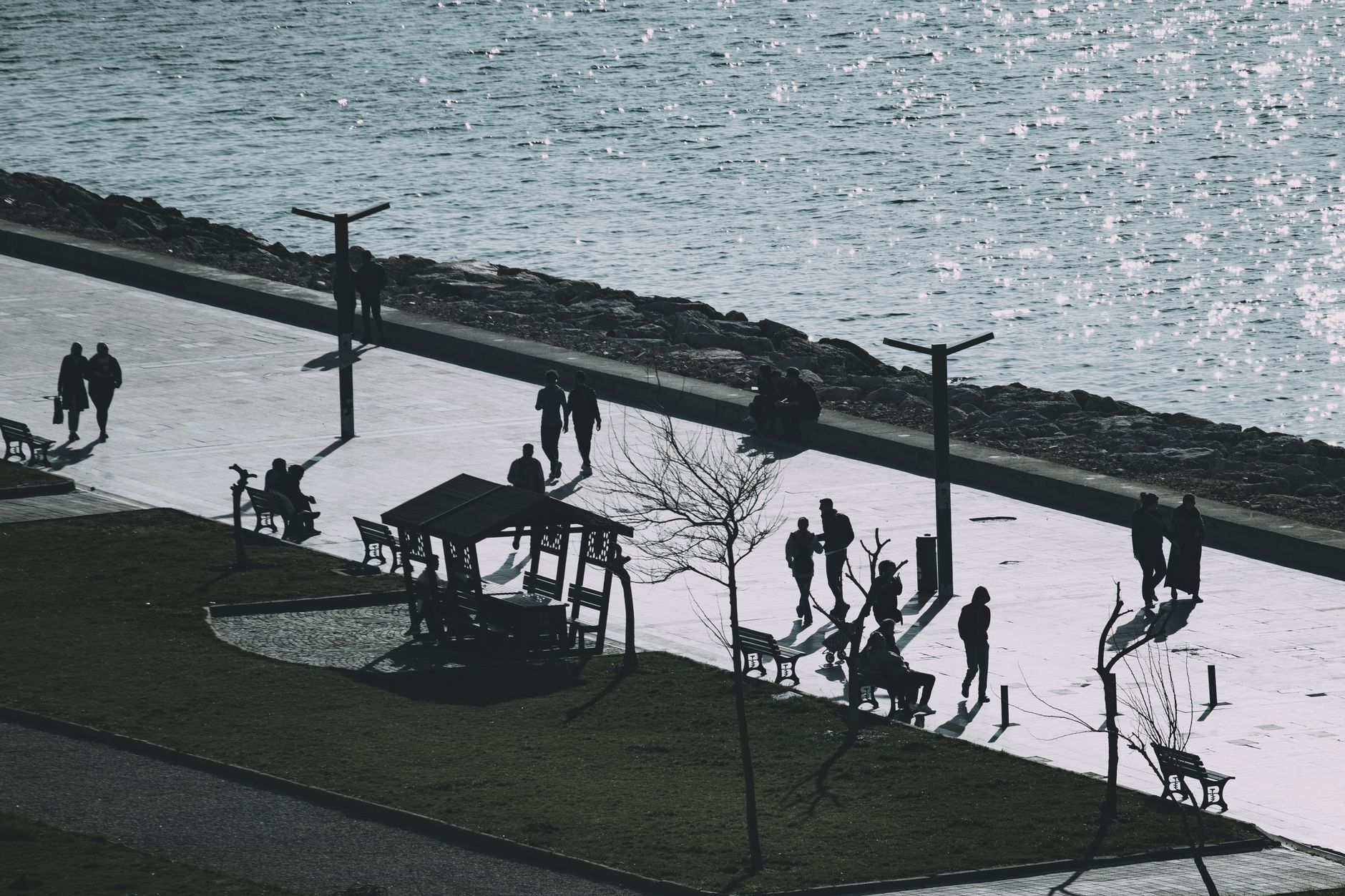
Returning to Normal Activity Quickly and Safely
One of the most reassuring aspects of minimally invasive vein treatment is how soon life resumes. Most patients return to desk work within a day or two, and many feel comfortable driving again after 24 to 48 hours, depending on which veins were treated and their usual routine. Walking is actively encouraged from the very first day, and gentle exercise is usually fine within a week. Strenuous activities such as heavy lifting, high-impact sport or long-haul flights may be deferred briefly, and your specialist will give you a personalised timeline.
Bruising and mild tenderness are common and settle within one to two weeks. Compression stockings, if recommended, are usually worn for a set number of days and are tailored to the technique used. Modern non-thermal options such as VenaSeal can significantly reduce or eliminate stocking time, which is a practical advantage for travellers. Your clinic will provide a written recovery plan and clear contact points, plus a scheduled follow-up, often by video call once you are home. This continuity of care is a hallmark of Türkiye's international patient services.
For those wishing to combine treatment with a short recuperative holiday, the options are delightfully easy. Istanbul offers gentle Bosphorus ferries, world-class museums and calm courtyards for a relaxed wander. Izmir and Antalya pair clinic visits with sea air and promenade strolls, and Cappadocia offers gentle sunrise views without demanding hikes. Many coordinators are happy to suggest hotels with accessible amenities and to arrange transfers that reduce stress on procedure day.
Ultimately, the recovery story is what surprises most patients. They arrive expecting a medical ordeal and leave with a series of short, comfortable clinic visits and a rapid return to their normal routine, often with noticeably lighter, more comfortable legs.
What to Look For and How to Plan Your Trip
Choosing the right centre is straightforward if you focus on a few key markers. Look for hospitals or clinics with dedicated vascular departments, accreditation such as JCI where possible, and specialists who are explicit about their experience with the specific technique you need. Ask how many procedures of that type they perform each month, who will carry out your treatment and what follow-up is included. Reputable centres answer these questions openly and share physician credentials, patient outcomes and transparent pricing in writing.
Travelling to Türkiye is easy: Istanbul is a major hub with direct flights from most of Europe, the Gulf, Asia and North America, and a visa process that is simple or visa-free for many nationalities. Plan for a stay of around three to five days for most vein treatments, allowing time for assessment, the procedure, a follow-up scan and a little rest. Bring comfortable shoes, loose clothing, your medication list and any prior ultrasound reports. International patient departments can arrange airport transfers, hotel bookings near the clinic and interpreter support.
- Schedule: assessment day, procedure day, follow-up ultrasound, homeward flight
- Documents: passport, medical history, prior imaging, insurance details
- Comfort: loose trousers, flat shoes, light layers for air-conditioned clinics
- Aftercare: written plan, video follow-up, direct contact number for questions
Turkish clinics have refined the international patient pathway to a fine art, and the value proposition is honest and strong: advanced techniques, experienced specialists, short procedure days and a quick return to normal life, all delivered with genuine hospitality. If you have been living with aching, heavy or cosmetically troubling veins, the combination of clinical quality and easy logistics makes Türkiye worth a serious look. The best next step is simply to reach out, share your story and let a specialist map your options.
Thinking about treatment in Turkey?
Send us a question about this site or about the information published on it. This is a publisher's mailbox, not a medical service and not a route to a particular provider — for clinical questions, contact your own doctor.