

Why Türkiye Feels Like a Warm Welcome, Not a Border Formality
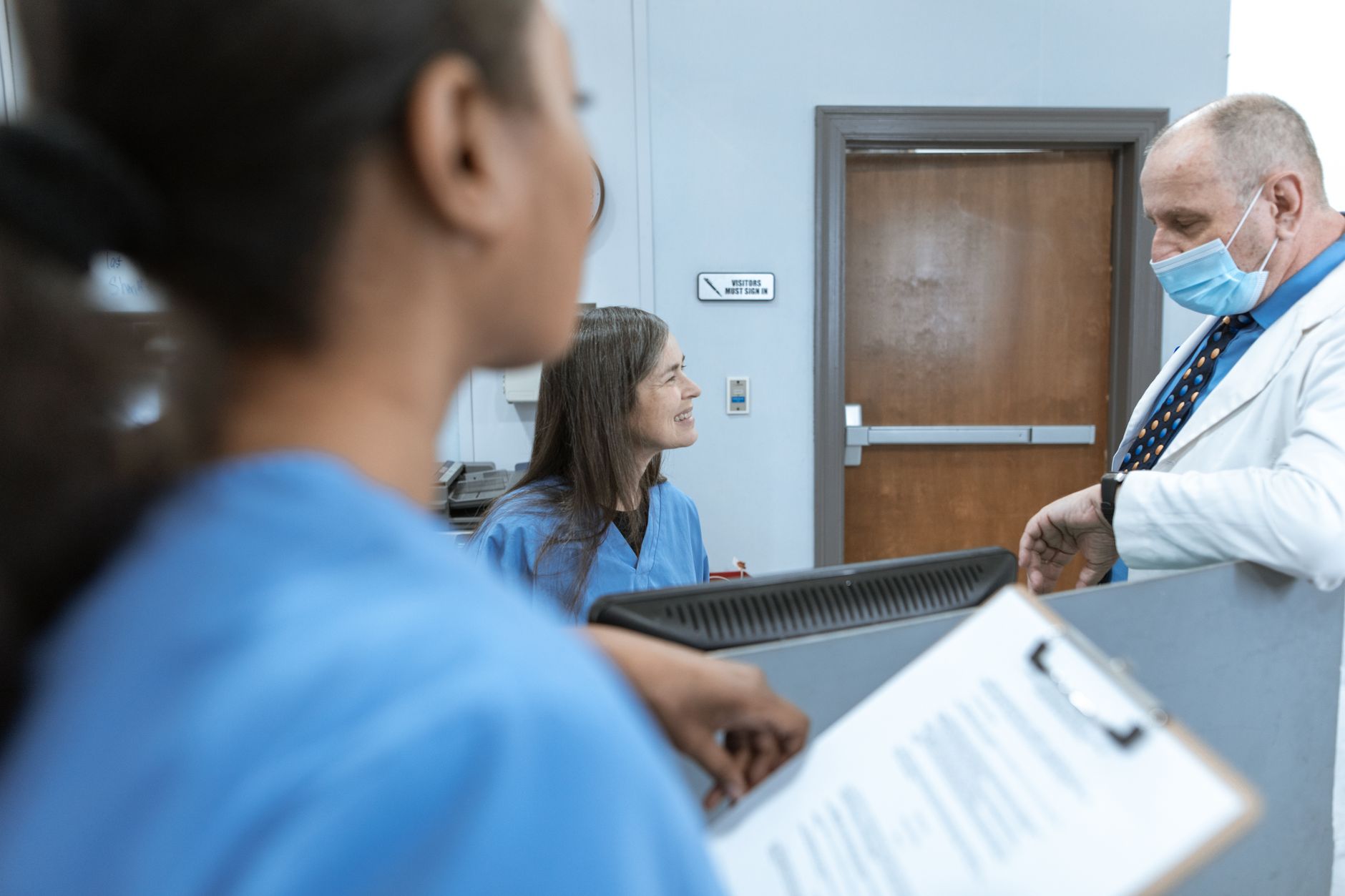
Türkiye has spent more than two decades building one of the world's most trusted medical tourism ecosystems. Every year, hundreds of thousands of international patients travel to Istanbul, Ankara, Izmir and Antalya for hair transplants, dental work, bariatric surgery, orthopaedics, fertility treatment, ophthalmology and cosmetic procedures. What surprises many first-time visitors is not the technology — it is the warmth. Turkish clinics are used to welcoming guests from Europe, the Gulf, Central Asia, Africa and beyond, and they understand that arriving for treatment is both a medical and an emotional journey.
Because of this experience, most accredited hospitals and clinics have dedicated international patient departments. These teams handle far more than appointments: they help you gather the paperwork that supports your visa application, they issue formal invitation and appointment letters on official letterhead, they coordinate airport transfers, translators and accommodation, and they can often assist you if you wish to stay a little longer than planned for recovery.
This guide walks you through the visa-related side of medical travel to Türkiye — the letters clinics provide, the practical steps and timelines, and how extensions and family arrangements typically work. Please treat it as a helpful roadmap rather than legal advice: Turkish visa and residence rules are updated from time to time, so always confirm the current requirements with the nearest Turkish consulate or embassy before you book flights.
The Two Key Documents: Invitation Letters and Appointment Letters
When you apply for a Turkish visa for medical treatment, clinics usually provide one or both of two documents: an invitation letter and an appointment letter. They sound similar, but they serve slightly different purposes, and consulates may ask for either or both depending on your nationality and the visa type you are applying for.
An appointment letter is the simpler of the two. Issued by the clinic or hospital, it confirms that you have a scheduled consultation, procedure or follow-up on a specific date. It typically includes your full name as it appears in your passport, your passport number, the name and address of the treating facility, the name of the doctor or department, the date and time of your appointment, and a brief description of the planned treatment. It is essentially proof that a real medical relationship exists.
An invitation letter is more formal. On hospital letterhead, stamped and signed by an authorised representative, it states that the facility invites you to Türkiye for medical purposes and often includes details such as the estimated length of treatment, the estimated cost or a reference to your quotation, the contact details of the international patient coordinator, and sometimes accommodation arrangements. Some clinics also issue invitation letters for accompanying family members, naming them and explaining their supportive role.
Both documents should be in English or Turkish — or accompanied by a translation if the consulate requires it — and should be consistent with everything else in your application, including your passport spelling, travel dates and the purpose you state on the form. Small inconsistencies are one of the most common reasons applications raise questions, so read everything carefully before submitting.
How to Request Your Letters: A Step-by-Step Timeline
Most international patient departments can prepare letters within a few working days once they have your information, but building in a comfortable buffer will keep the whole process calm and predictable. A practical timeline looks like this:
- Weeks 8–12 before travel: Choose your clinic or hospital and confirm your treatment plan and quotation. Ask directly whether they issue visa support letters and what their turnaround time is.
- Weeks 6–10 before travel: Send the clinic a clear request with your full name exactly as in your passport, passport number and expiry date, nationality, planned travel dates, the treatment you are booking, and the names and passport details of any accompanying family members.
- Weeks 5–8 before travel: Receive your draft letters, check every detail against your passport, and ask for corrections if anything is misspelled or inconsistent.
- Weeks 4–8 before travel: Book your visa appointment at the nearest Turkish consulate, embassy or authorised visa application centre. Appointment waiting times vary hugely by country, so this is often the biggest variable.
- Weeks 3–6 before travel: Submit your application with the letters, passport, photographs, travel insurance, flight and accommodation details, and proof of funds. Keep copies of everything.
- Weeks 1–3 before travel: Receive your visa, confirm your appointment with the clinic, and share your arrival details so transfers and interpreters can be arranged.
These are typical ranges, not rules. Peak seasons, national holidays and high demand can lengthen consulate processing times, so the earlier you start, the more room you have to breathe. If your treatment is urgent, tell the clinic — many hospitals can expedite documentation and provide supporting letters for priority processing where this is available.
One gentle tip: keep digital and printed copies of every document in a single folder you carry with you. Border officers may ask to see your appointment letter and proof of accommodation, and having everything organised makes arrival smooth and stress-free.
Which Visa Route Fits Your Treatment?
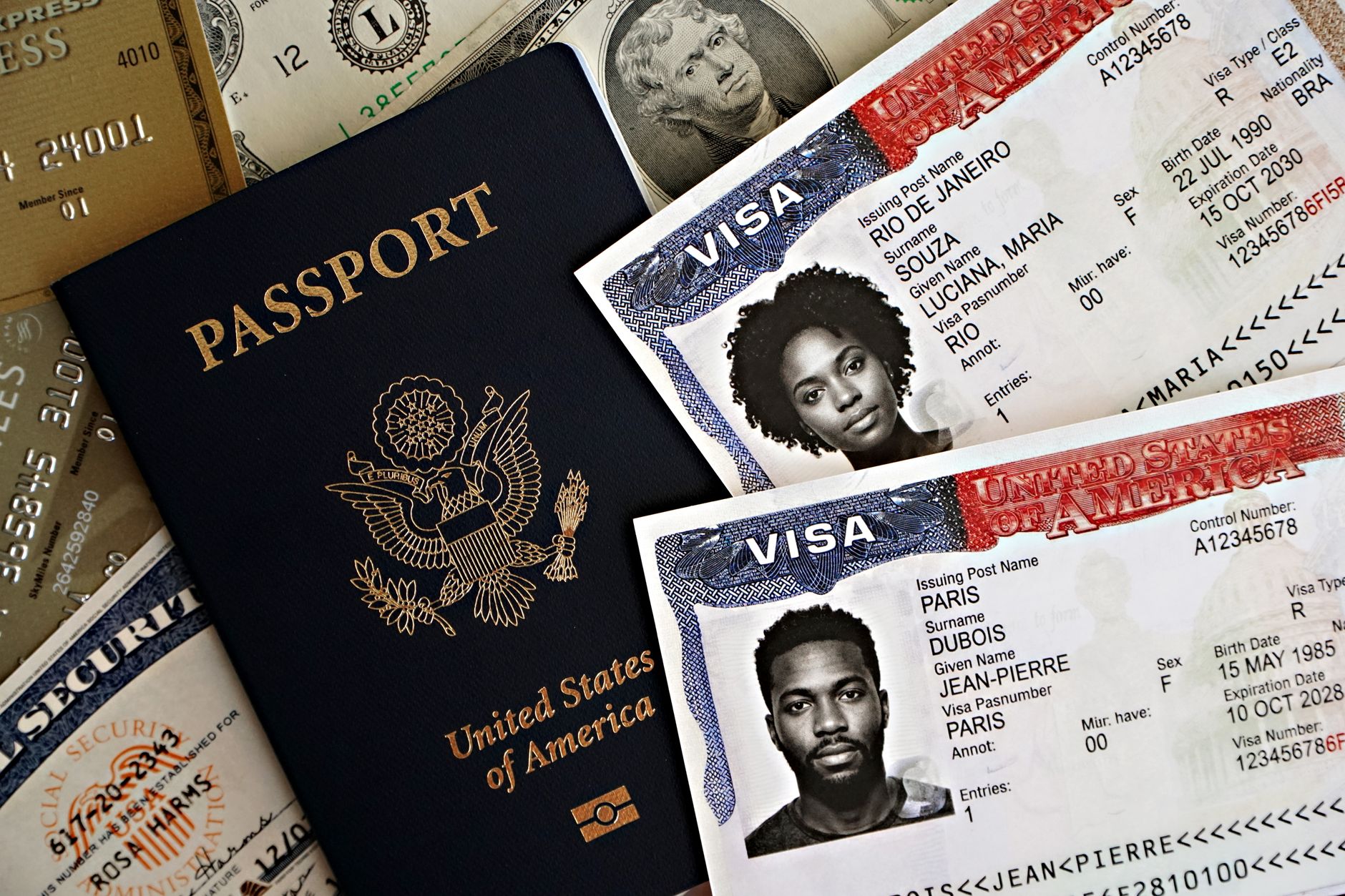
The right route depends on your nationality, the length of your treatment and whether you need to stay beyond the normal tourist allowance. Many nationalities can enter Türkiye visa-free or with an e-Visa for short stays, and routine medical appointments of a few days often fit comfortably within those limits. For longer treatments — major surgery, extended rehabilitation, fertility cycles or multi-stage dental work — a visa or permit that explicitly covers medical treatment is usually the safer choice.
Short-stay visas are commonly used for medical visits and can often be extended inside Türkiye, while longer or more complex treatments may be better supported by a dedicated medical treatment visa or, in some cases, a residence permit for medical reasons. The exact categories, names and eligibility rules depend on your country of citizenship and change over time, so check the official Turkish consular website for your jurisdiction or speak directly with the consulate.
Your clinic's international patient team can tell you what documentation they routinely provide for each route, but they cannot decide your visa for you — that is always the consulate's call. Be honest and consistent about your purpose of travel, your intended length of stay and your financial arrangements. A clear, well-documented application supported by a professional invitation letter is far stronger than a hopeful one.
If you are travelling with a spouse, parent, adult child or carer, ask about family permits and accompanying-person arrangements at the same time. Some visa categories allow dependants or companions to be included or to apply in parallel, and clinics can usually provide supporting letters confirming that a family member is needed to assist with your care and recovery.

Planning Ahead for Recovery: Extensions and Longer Stays
Recovery rarely follows a neat calendar. A surgeon may recommend extra physiotherapy, a dental patient may need an additional fitting, or a hair transplant patient may be advised to stay a few more days for a first check-up. If your visa or visa-free allowance is running short, it is often possible to apply for an extension or to arrange a longer-stay permission — but this must be done in good time and through the correct channels.
Where extensions are available, applications are usually made to the local immigration authority in the city where you are staying, often online through the national immigration system, and typically before your current permission expires. You will generally need your passport, your clinic's updated medical report or letter explaining why continued stay is medically necessary, proof of accommodation, and evidence that you can support yourself. Clinics experienced with international patients can provide updated letters, treatment reports and appointment confirmations to support the request.
Start the extension conversation with both your doctor and the clinic's patient coordinator at least one to two weeks before your current permission ends. Do not wait until the last day, and never simply overstay, as this can lead to fines, entry bans or complications for future travel. If you are unsure whether an extension applies to your situation, contact the immigration authority or your consulate directly — and remember that requirements and processing times can change, so confirm the current procedure at the time you apply.
Many patients also use the extra time productively: a gentle walk along the Bosphorus, a visit to a museum, or a quiet afternoon in a hammam once the doctor gives the all-clear. Recovery in Türkiye can be a genuinely restful experience when the paperwork is handled calmly in advance.
Bringing Family: Companions, Dependants and Peace of Mind
For many patients, having a loved one nearby is as important as the treatment itself. Turkish clinics are accustomed to family involvement and can usually issue supporting letters for an accompanying spouse, parent or adult child, confirming their role in your care and recovery. These letters can be included in the companion's own visa application, alongside their passport, photographs, proof of funds and accommodation details.
Rules for dependants and family members vary by nationality and visa category. In some cases family members apply for their own short-stay visas in parallel with yours; in others, certain categories allow dependants to be included. Because the details matter, ask the consulate what it expects for accompanying family members before submitting anything, and ask your clinic to word the letters to match.
Practical family arrangements are worth planning early too: choose accommodation that suits your recovery (quiet, accessible, close to the hospital), confirm whether the clinic provides interpreter services, and check whether your travel insurance covers companions. Clinics often have partner hotels with medical-tourism rates and can arrange airport pickups for the whole party.
The warmth of Turkish hospitality is not a marketing line — it is something patients consistently mention. From the çay offered in every waiting room to coordinators who remember your name and your flight details, the human side of medical travel here is taken seriously. Organising your letters and permits early simply gives you more space to enjoy that care.
A Calm Checklist Before You Fly
- Passport valid well beyond your planned stay, with blank pages.
- Appointment letter and invitation letter from your clinic, checked line by line against your passport.
- Visa or e-Visa confirmed, with printed and digital copies.
- Travel insurance covering treatment, recovery and any companions.
- Flight confirmations and accommodation details matching the dates on your application.
- Proof of funds and, if relevant, a supporting letter for accompanying family members.
- Clinic coordinator's phone number and address saved offline.
- A note of the immigration office or online system you would use if an extension becomes necessary.
Türkiye welcomes international patients with a well-practised system, generous hospitality and clinics that understand what you need before you ask. Confirm the latest visa rules with your nearest Turkish consulate, keep your documents consistent, start early, and you can focus on what really matters: your health and your recovery.
Thinking about treatment in Turkey?
Send us a question about this site or about the information published on it. This is a publisher's mailbox, not a medical service and not a route to a particular provider — for clinical questions, contact your own doctor.