

Why Consider Türkiye for Non-Surgical Weight Loss?
Türkiye has emerged as a global hub for medical tourism, particularly for bariatric and metabolic procedures. With state-of-the-art hospitals, internationally trained specialists, and a supportive infrastructure for international patients, the country offers a compelling option for those seeking minimally invasive weight-loss solutions. Cities like Istanbul, Ankara, and Izmir are home to accredited clinics that combine advanced technology with personalized care.
What sets Türkiye apart is its blend of affordability and quality. Procedures such as the gastric balloon and other endoscopic bariatric techniques are performed at a fraction of the cost compared to Western Europe or North America, without compromising on safety or expertise. Many clinics are staffed by surgeons who have trained and practiced abroad and are members of international societies like IFSO (International Federation for the Surgery of Obesity and Metabolic Disorders).
Moreover, Türkiye's medical tourism industry is well-regulated, with the Ministry of Health overseeing international patient services. Hospitals often provide dedicated coordinators who assist with travel logistics, translation, and aftercare, making the experience seamless for foreign visitors. This structured approach ensures that patients feel supported from the initial inquiry through to their return home.
Understanding Non-Surgical Bariatric Options
Non-surgical bariatric options are ideal for individuals who have not achieved desired results through diet and exercise alone but are not ready for or do not qualify for invasive surgery. These procedures are less invasive, typically require no incisions, and involve shorter recovery times. They serve as a bridge to sustainable weight loss when combined with professional nutrition support.
Gastric Balloon
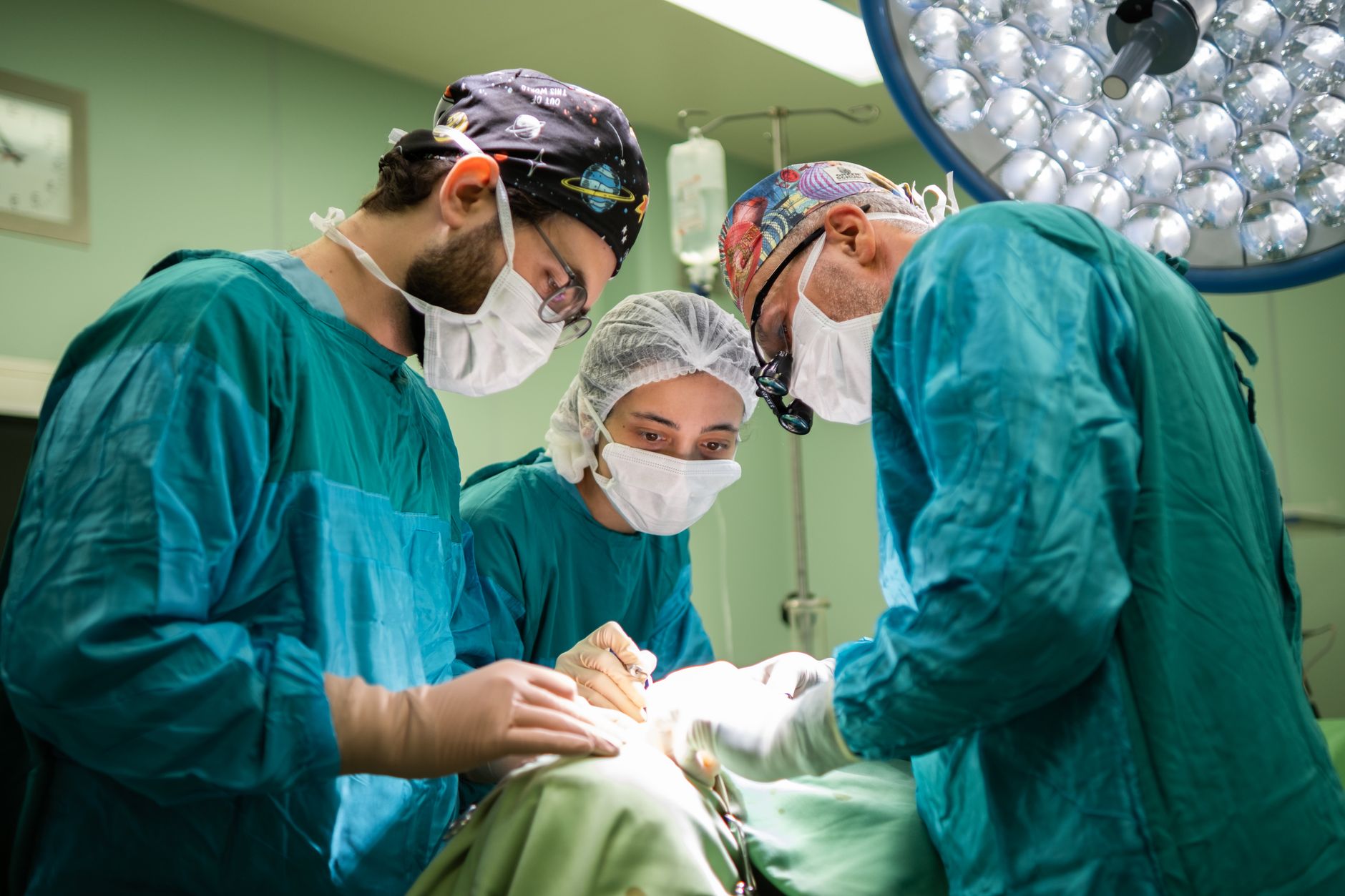
The gastric balloon is one of the most popular non-surgical weight-loss procedures. It involves placing a soft, saline-filled balloon into the stomach via an endoscope, which reduces the stomach's capacity and helps patients feel fuller sooner. The procedure takes about 20–30 minutes and is usually performed under mild sedation. Patients can often return home the same day or the next.
There are several types of balloons, including the Orbera, Spatz, and Obalon systems. Some are designed to stay in place for six months, while others can remain for up to a year. The balloon is later removed endoscopically, and patients continue with a structured diet plan to maintain their weight loss. In Türkiye, clinics often package the balloon procedure with nutritional counseling and follow-up consultations to enhance long-term success.
Endoscopic Sleeve Gastroplasty (ESG)
ESG is a minimally invasive procedure that reduces stomach volume by placing sutures through the mouth, without any external incisions. It is performed under general anesthesia and typically takes about an hour. ESG offers results that are more durable than a balloon alone, with patients losing an average of 15–20% of their total body weight within a year.
Turkish clinics that offer ESG often emphasize a multidisciplinary approach, including dietitians, psychologists, and gastroenterologists, to support patients through their weight-loss journey. The procedure is reversible and adjustable, making it a flexible option for those who prefer a less permanent solution than surgery.
Other Emerging Techniques
Innovations such as the AspireAssist (a tube that drains a portion of stomach contents after meals) and endoscopic bariatric therapies like the Endobarrier are also available in select Turkish centers. These options are continually evolving, and patients are advised to consult with a specialist to determine the most suitable approach for their health profile and goals.
The Role of Professional Nutrition Support
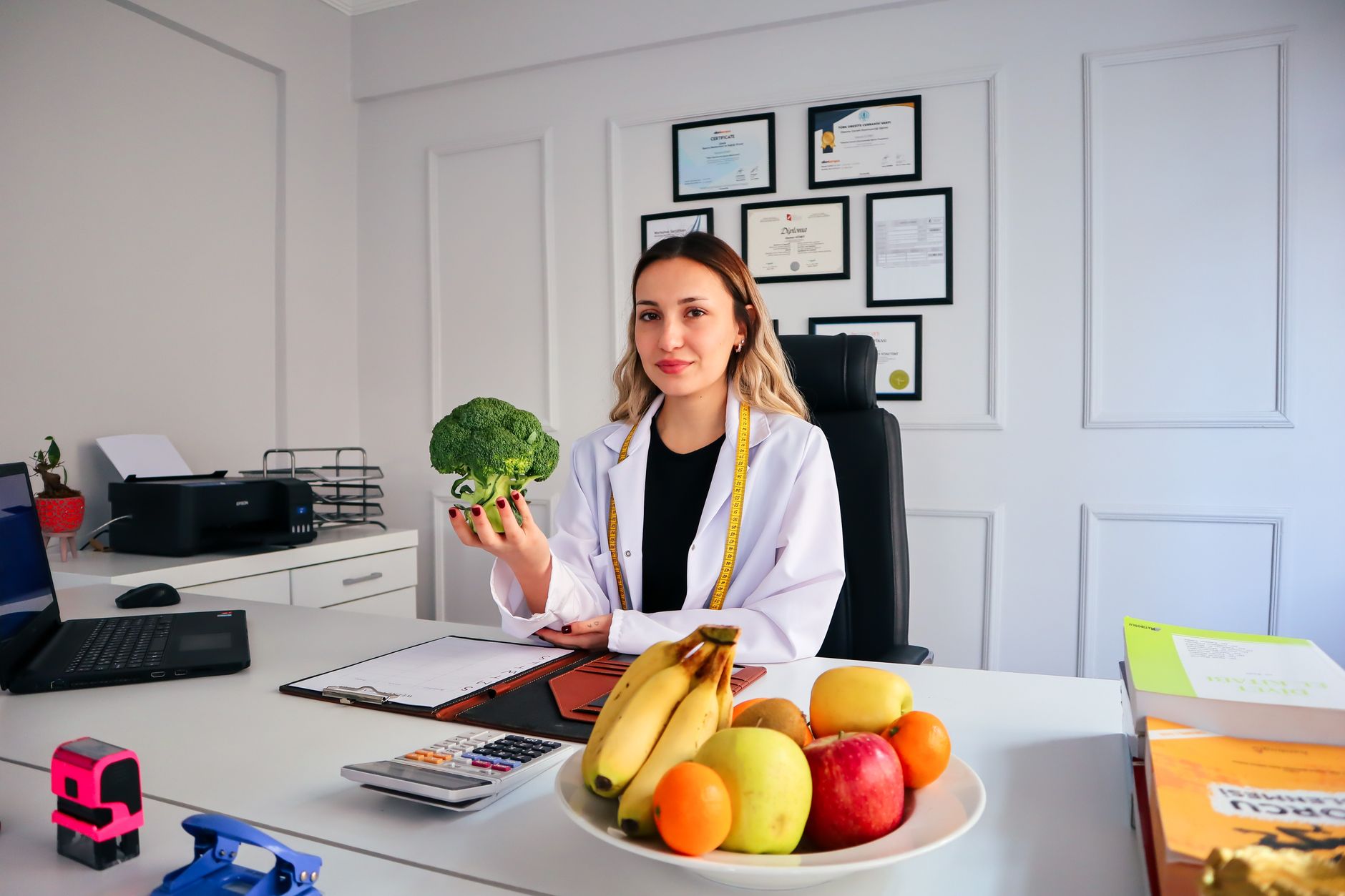
Non-surgical weight-loss procedures are not a magic bullet; they are tools that work best when combined with comprehensive nutrition support. Turkish clinics place a strong emphasis on dietary counseling, recognizing that sustainable weight loss requires behavioral changes and ongoing education.
Before the procedure, patients undergo a nutritional assessment to ensure they are adequately prepared and to identify any deficiencies. After the procedure, a structured diet plan is provided, progressing from liquids to soft foods and then to solid meals. Dietitians work closely with patients to develop personalized meal plans that are culturally adaptable and nutritionally balanced.
Follow-up is a cornerstone of Turkish medical tourism packages. Many clinics offer remote consultations via video calls for up to a year after the procedure, allowing patients to stay on track even after returning home. Support groups and online resources further enhance the continuity of care, helping patients maintain motivation and navigate challenges.
Planning Your Medical Journey to Türkiye
Planning a medical trip requires careful consideration of several factors. Start by researching accredited hospitals and clinics that specialize in bariatric and metabolic procedures. Look for facilities that are accredited by international bodies such as JCI (Joint Commission International) or Temos, and verify the credentials of the surgeons and dietitians.
Once you have selected a provider, coordinate with their international patient department. They will guide you through the pre-procedure evaluation, which may include blood tests, imaging, and consultations. You will also need to provide medical records and discuss your medical history. Most clinics offer packages that include airport transfers, hotel accommodation, and translation services, simplifying the logistics.
Consider the timing of your trip. The procedure itself may require a stay of 3–5 days in Türkiye, including pre-op assessments and post-op monitoring. After the procedure, you will need to rest for a day or two before flying home. It's advisable to have a companion accompany you for support, especially during the immediate recovery period.
What to Expect During Your Stay
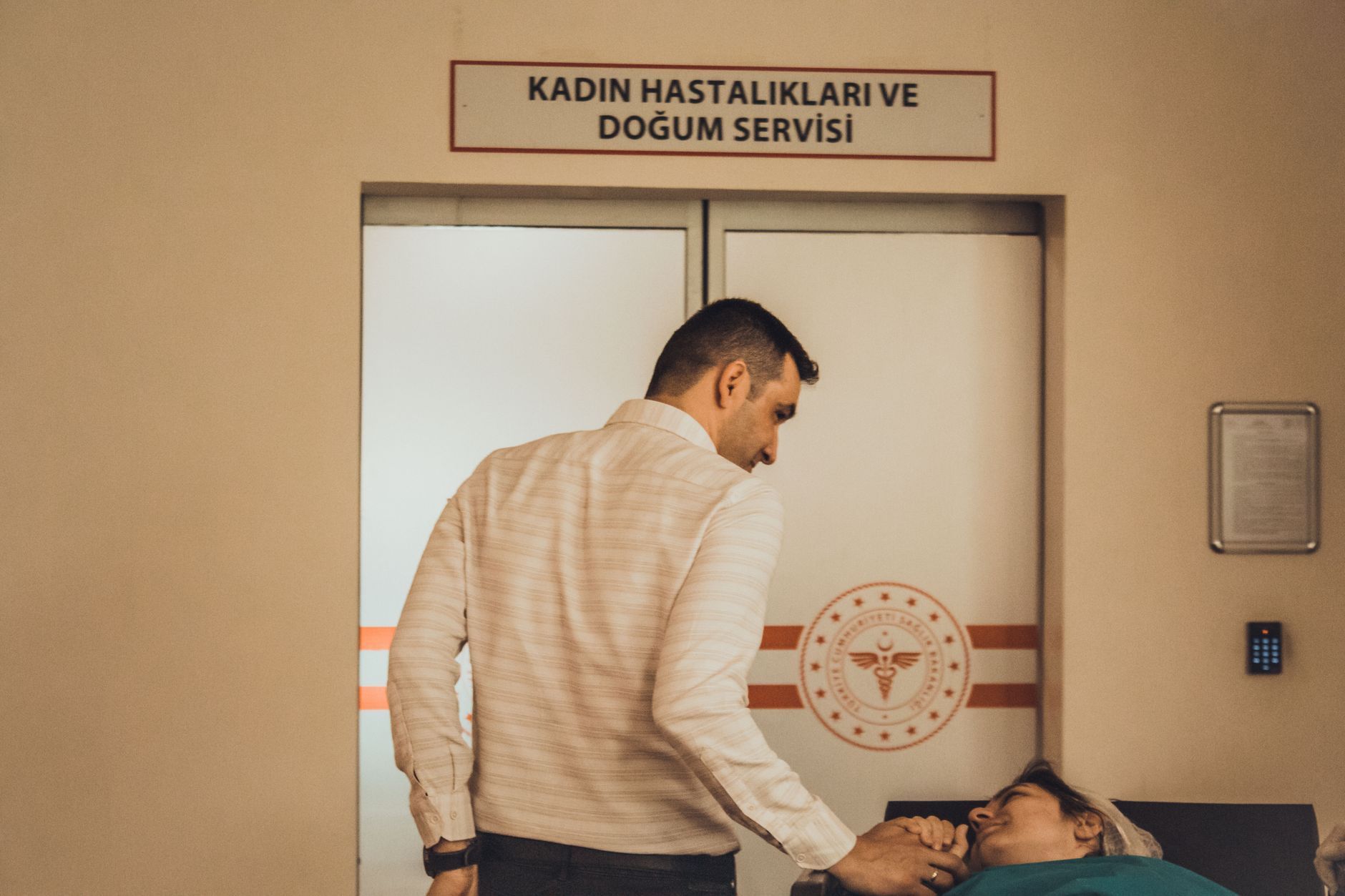
Upon arrival in Türkiye, you will be greeted by a coordinator who will escort you to your hotel or hospital. Pre-procedure consultations with the medical team will take place, including a review of your medical history, a physical examination, and any necessary tests. You will also meet with a dietitian to discuss your post-procedure diet and lifestyle changes.
The procedure itself is typically quick, and you will be monitored in a recovery area before being discharged to your hotel or room. Most patients experience mild discomfort, such as nausea or bloating, which subsides within a few days. The medical team will provide instructions on medications, dietary restrictions, and signs to watch for. A follow-up appointment is usually scheduled before your departure to ensure everything is healing well.
Turkish hospitals are known for their modern amenities and attentive care. Many offer private rooms with en-suite facilities, Wi-Fi, and international TV channels. Staff members often speak English and other languages, ensuring clear communication. The warm hospitality of the Turkish people adds to a comforting experience during a potentially anxious time.
Safety, Regulation, and Ethical Considerations
Türkiye has strict regulations governing medical procedures, and bariatric surgeries are performed only in licensed facilities with appropriate equipment and trained personnel. The Ministry of Health regularly inspects hospitals, and complication rates in accredited centers are comparable to those in other developed countries.
However, as with any medical procedure, it is essential to choose a reputable provider. Avoid clinics that offer unusually low prices or pressure you into making quick decisions. A responsible clinic will conduct a thorough evaluation to ensure you are a suitable candidate and will discuss potential risks and benefits openly.
Ethical medical tourism also involves informed consent. Ensure you understand the procedure, its expected outcomes, and the commitment required for long-term success. Turkish clinics that prioritize patient education and transparency are your best partners in this journey.
Costs and Packages
The cost of non-surgical weight-loss procedures in Türkiye is significantly lower than in many Western countries. A gastric balloon procedure may range from $2,500 to $5,000, while ESG can cost between $5,000 and $8,000. These prices often include hospital fees, surgeon fees, anesthesia, follow-up visits, and sometimes hotel and transfers.
It is important to compare packages carefully and ask what is included. Some clinics offer all-inclusive packages that cover accommodation, airport transfers, and translation services, while others may charge extra for these. Request a detailed quote and clarify any additional costs, such as medications or post-procedure consultations.
Remember that the cheapest option is not always the best. Look for value in terms of quality, safety, and comprehensive care. Accredited hospitals with experienced teams may charge slightly more but provide peace of mind and better outcomes.
Preparing for Your Trip
Before traveling, ensure you have a valid passport and check visa requirements for Türkiye. Many nationalities can obtain an e-visa online or visa on arrival, but regulations vary. Book your flights and accommodation in advance, ideally through the clinic's coordinator to ensure proximity to the hospital.
Pack comfortable clothing and any medications you currently take. Your clinic will advise you on which medications to stop before the procedure, such as blood thinners. Arrange for a companion to travel with you if possible, and inform your bank about your travel plans to avoid card issues.
It's also wise to learn a few basic Turkish phrases; while many medical staff speak English, a friendly attempt at the local language is appreciated. Prepare a list of questions for your medical team, and don't hesitate to ask for clarification on any aspect of the procedure or aftercare.
Aftercare and Long-Term Success
After returning home, adhere strictly to the dietary guidelines provided. The first few weeks are crucial for healing and adapting to your new eating habits. Keep in touch with your dietitian through scheduled follow-ups, and attend any support groups offered by the clinic.
Long-term success depends on lifestyle changes, including regular physical activity and mindful eating. Use the tools and knowledge gained during your medical journey to build sustainable habits. Many patients find that the structured support they receive in Türkiye sets them on a path to lasting weight loss and improved health.
Remember that non-surgical procedures are not a one-time fix; they are a kickstart to a healthier lifestyle. With dedication and the right support, you can achieve your weight-loss goals and enjoy a better quality of life.
Thinking about treatment in Turkey?
Send us a question about this site or about the information published on it. This is a publisher's mailbox, not a medical service and not a route to a particular provider — for clinical questions, contact your own doctor.